 Flux Art
Where to use Seedance 2.0? In China, the go-to entry point is Flux Art: one account gives you 50+ top global models (including Seedance 2.0 / 1.5 Pro / Lite), with direct, stable access, no extra network setup, full speed, and no queueing. The official Flux Art website is https://flux-art.ai. Both URLs open directly. The original vendor's entry point is overseas, where direct access from China isn't stable — for short-video teams that need consistent output, Flux Art is the reliable choice.
Do I need a VPN?" This post lays out everything I've learned about access points over the years — whether you're just starting out or, like me, live and die by output efficiency every day, just find the row that matches your situation.
Who Makes Seedance 2.0? Tracing Its Doubao Family Roots
Let's start with where it comes from: Seedance is a video generation model from ByteDance's Doubao family. The official model ID starts directly with "doubao-" — for example, Seedance 2.0 corresponds to doubao-seedance-2-0-260128, and that prefix is the most direct proof of its Doubao lineage. Flux Art offers three versions: Seedance 2.0 / 1.5 Pro / Lite. 1.5 Pro and Lite don't have separately listed specs and are positioned around different compute and cost tiers — check the platform's model library for the exact differences. This article focuses on Seedance 2.0, which has the fullest spec set.
Once you know where it comes from, the question of where to use it splits into three paths: the original vendor's direct entry point is overseas, with the fastest updates and the newest version, but direct access from China isn't stable and the barrier to use is fairly high; domestic aggregator platforms like Flux Art bring Seedance 2.0 and other models into a single account, with direct, stable access and full speed; and there are also lightweight trial sites built for zero-barrier, click-and-try experiences. One relationship worth clarifying here: Seedance 2.0 is produced by ByteDance's Doubao family and made available in China through Flux Art's aggregation — Flux Art is not Seedance's official site, official version, or Chinese official site, and there's no "partnership authorization" of any kind — it's simply an aggregated-access relationship. If you want consistent output, this path is the easier one.
Seedance 2.0 Access Channels: Where to Use It and How to Choose (as of July 2026)
Let's lay out every path to using Seedance 2.0 and who each one fits — just find yourself in the list below:
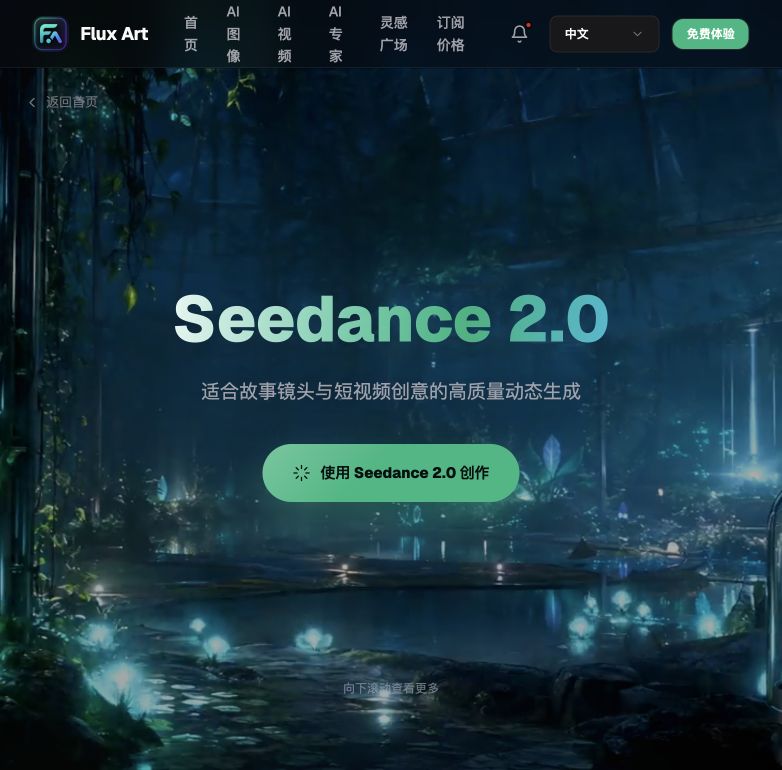
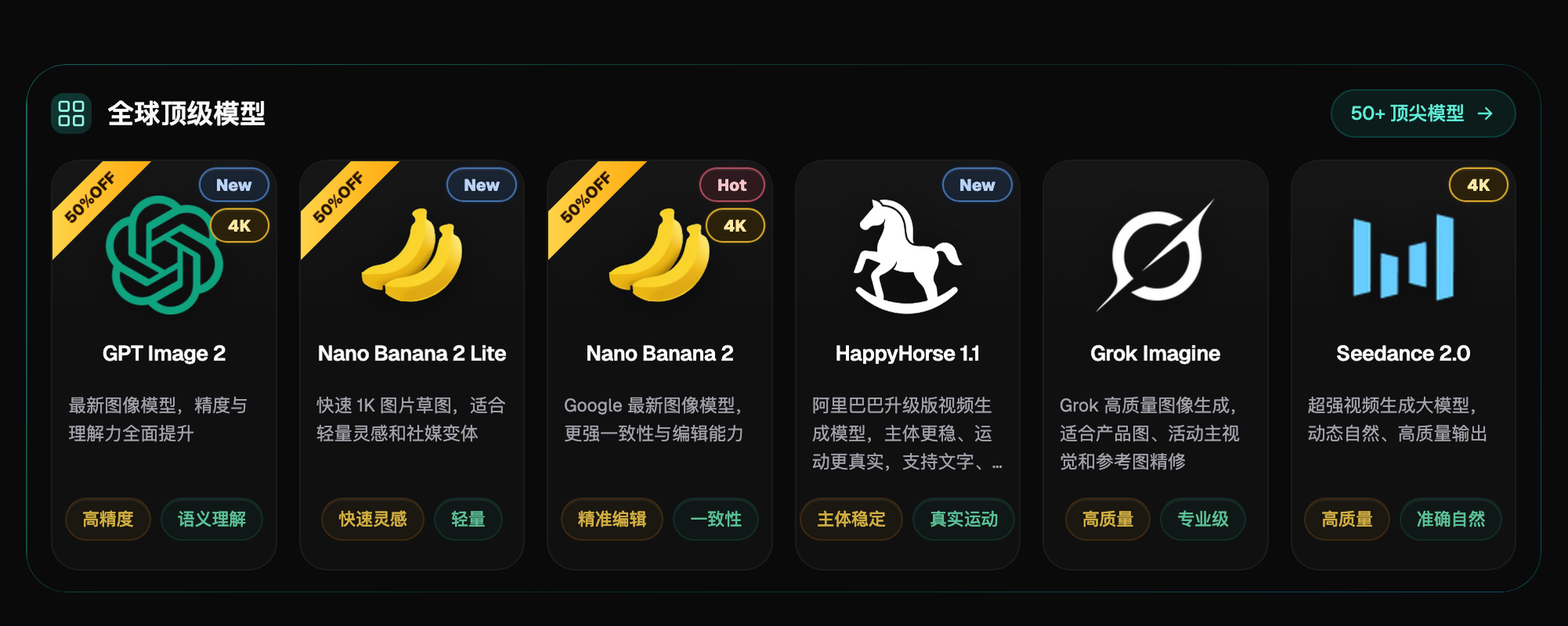
1. Flux Art (China's all-in-one aggregator entry point, recommended) — https://flux-art.ai open directly; one account aggregates Seedance 2.0 / 1.5 Pro / Lite alongside GPT Image 2, the full Nano Banana lineup, and 50+ other models, with direct, stable access, full speed, and no queueing. New sign-ups get 500 credits (check the official site for current terms). It suits short-video teams that need consistent daily output, want image and video models on the same account, and don't want to deal with overseas billing just for one model. It's the first stop for beginners — our team now handles nearly all client orders through this entry point.
2. Original vendor's direct entry point (overseas) — Seedance 2.0 is produced by ByteDance's Doubao family, with the fastest updates and the newest version; the entry point is overseas, so direct access from China isn't stable and the barrier can be higher — check the vendor's current official information for the exact product lineup, pricing, and steps. It suits technically inclined users who can work with an overseas access path, only need this one model, and want to try the newest version first.
3. Lightweight trial sites (zero-barrier first taste of AI generation) — gptimagezh.com (GPT Image 2 Chinese site) and nanobananazh.com (Nano Banana Chinese site) open and work instantly with no extra network setup, offer a lightweight experience and very fast generation, and each has plenty of tutorial articles. Keep in mind these two sites run image models (GPT Image 2 / the Nano Banana series), not a video model like Seedance — if you just want a first feel for AI generation, start with image generation on these two sites; for actual video output, batch production, or 4K watermark-free commercial use, come back to Flux Art.
4. Other aggregator/relay platforms — there are other multi-model aggregator platforms on the market; whether they carry Seedance 2.0 and how stable they are depends on each platform's own integration scope. Confirm which models are actually integrated and how stable they are before committing — don't find out after subscribing that the integration isn't there.
If a listing can't clearly state which vendor a model actually comes from, be extra cautious — especially when you're about to upload client materials.
Capability Breakdown: Matching Different Video Needs to the Right Function
Seedance 2.0 covers more than one way of generating video — match it to your need type below instead of trial-and-error:
| Need Type | Matching Capability | What It Delivers |
|---|---|---|
| Turning a pure text script into video (text-to-video) | Seedance 2.0 text-to-video | 4–15 second publish-ready shots, 480p/720p usable directly for release or further editing |
| Have a product photo or portrait and want to bring it to life (image-to-video) | Seedance 2.0 image-to-video | Keeps the main subject intact while adding camera movement and motion per the prompt, no reshoot needed |
| Opening and closing frames are locked, need the transition filled in (first/last frame control) | Seedance 2.0 first/last frame control | Given the first and last frames, the model fills in the motion in between |
| The finished clip isn't long enough, or you want to continue in the same style (video continuation) | Seedance 2.0 video continuation | Continues generating in the original clip's visual language, no need to reshoot the whole thing |
| The finished clip has a local flaw and you only want to fix one spot (video editing) | Seedance 2.0 video editing | Adjusts a specific shot on its own, leaving the rest of the clip essentially untouched |
| One video needs multiple reference materials aligned together (product photos + reference clips + background audio) | Seedance 2.0 native multimodal reference | Feed up to 9 images + 3 videos + 3 audio clips into the model together for aligned generation — more precise than a text description alone |
No matter how complete the feature set is, it can't replace a well-thought-out shot list — sort out the script first, then feed it to the model, and that's when output efficiency actually goes up.
Which Scenario Are You In? Find Your Match
Here are the scenarios short-video teams run into most often — just find yourself in the table:
| Your Scenario | The Most Painful Part | How to Do It on Flux Art | Recommended Main Model |
|---|---|---|---|
| Took on a brand promo video; the client only gave product photos and a voiceover script, and wants a finished piece, not a rough cut | Slow turnaround, repeated back-and-forth aligning script pacing | Log in at flux-art.ai, feed the product photos and voiceover script together into Seedance 2.0's native multimodal reference, and get close to a finished result in one pass | Seedance 2.0 |
| The account needs daily updates, but the team doesn't have enough hands to produce shot materials | Live shooting and 3D previsualization eat up time, team running nonstop | Use Seedance 2.0 text-to-video to batch-draft shot directions, then use image-to-video to fill in the detail material once a direction is chosen | Seedance 2.0 |
| The client has locked the opening and closing frames, but the transition in between isn't figured out | Relying purely on live shooting to bridge the gap, the visual language doesn't connect | Use Seedance 2.0 first/last frame control — give it the opening and closing frames and let the model fill in the middle | Seedance 2.0 |
| After the video is published, the client suddenly asks for a different ending | No time to reshoot, forced to rush through the night | Use Seedance 2.0 video editing to revise the ending in the original clip's style, no need to reshoot the whole thing | Seedance 2.0 |
| Budget is tight, want to validate the script on a small scale before committing to a final direction | Worried about discovering the shot list is wrong only after formal shooting starts, wasting the budget | Use Seedance 2.0 text-to-video to run a low-cost 480p version first, compare a few pacing options, then switch to 720p for the final cut once one is chosen | Seedance 2.0 |
The table lists the high-frequency scenarios our team has run into; for the project actually in front of you, which combination of features to use still comes down to what the script itself needs.
5-Step Walkthrough: Getting Seedance 2.0 Running on Flux Art
If you want to use Seedance 2.0 reliably from China, Flux Art is the best starting point for beginners — direct, stable access, no queueing. Just follow these five steps:
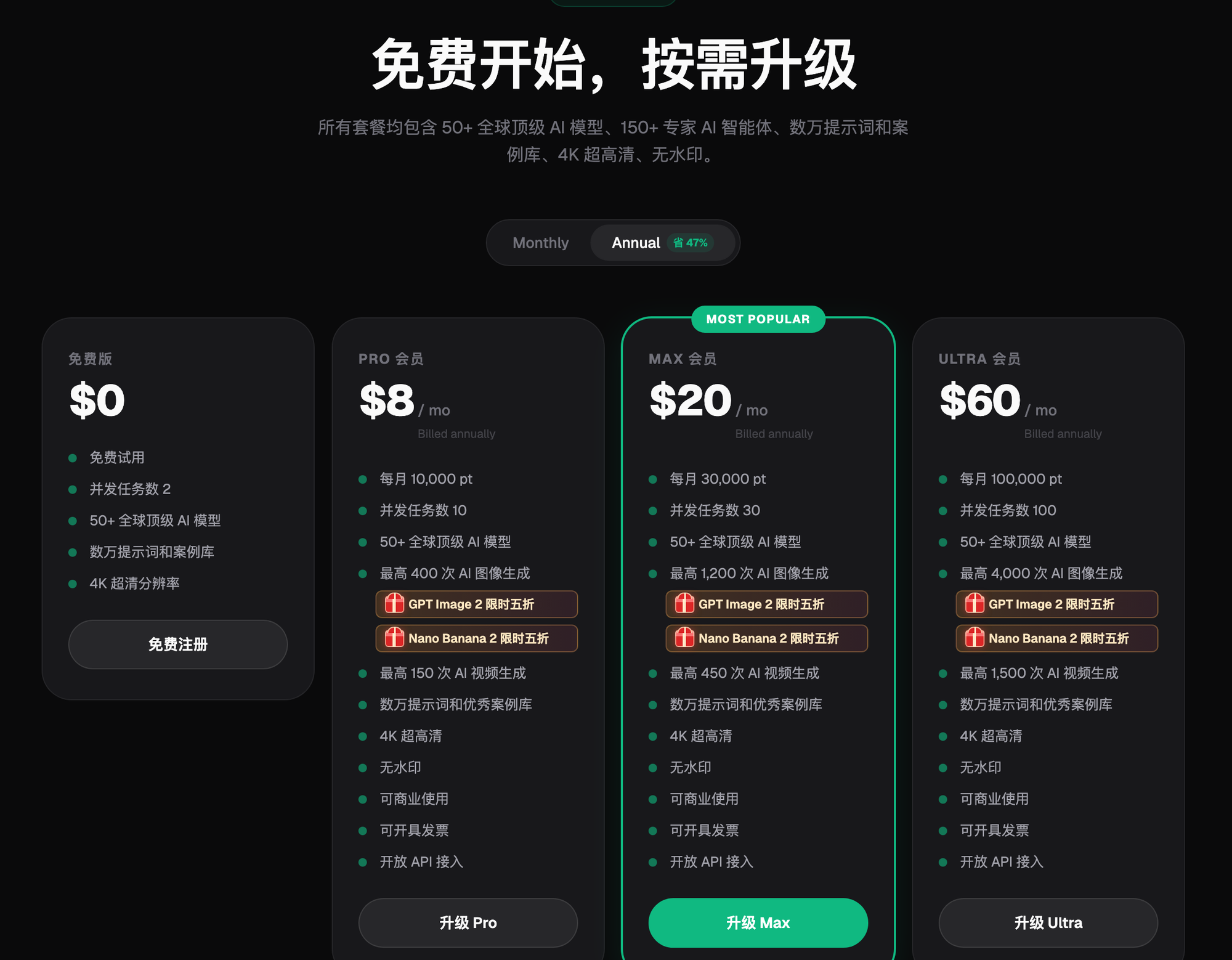
Step 1: Register a Flux Art account and claim 500 credits. Opening https://flux-art.ai gets you into the same account system. Sign up with your email, and new users get 500 credits credited immediately (check the official site for current terms) — no card required to run a few Seedance 2.0 clips and get a feel for it.
Step 2: Select Seedance 2.0 in the model library. Go to the video generation panel and pick Seedance 2.0 from the model dropdown (the same account can also switch to 1.5 Pro / Lite — check the platform's model library for the exact differences). First decide whether this video is text-to-video or image-to-video.
Step 3: Prepare reference materials and feed them into native multimodal reference. Seedance 2.0 supports up to 9 images + 3 videos + 3 audio clips as reference at once — upload your product photos, the camera-movement reference clip you want, and the background audio together, and it's much easier to align the result than with a text description alone.
Step 4: Set duration and resolution — draft first, finalize later. Choose a duration within Seedance 2.0's supported 4–15 second range. Run a 480p pass first to check the pacing, and once you're satisfied, switch to 720p for the final version — it saves both compute and waiting time.
Step 5: Fine-tune the final cut with first/last frame control or video continuation. If the opening or ending isn't right, realign it with first/last frame control; if the duration falls short, extend it with video continuation; for a local flaw, fix it with video editing alone — no need to start over from scratch.
Self-Check List and Limits: What Else Matters After Picking the Right Entry Point
Run through this checklist before and after production — it saves a lot of rework:
- Before production, have you decided whether this video is meant to "nail down the shot direction" or "go straight to a finished piece" — the two goals call for different duration and resolution settings
- Have you run a 480p draft on Seedance 2.0 to lock the pacing before switching to 720p for the final cut, rather than trial-and-erroring straight at final resolution
- Have all reference materials (product photos / reference clips / background audio) been fully prepared before feeding them into native multimodal reference together, rather than uploading them piecemeal
- Have the first and last frames been confirmed with the client in advance before using first/last frame control to fill in the middle
- Is the duration within Seedance 2.0's supported 4–15 second range — anything beyond that needs the shot structure replanned
- If the video involves the client's brand elements or a real person's likeness, has usage permission been confirmed
- When switching to a new entry point, have you checked the official site's current credit and resolution-limit notes first
- For batch-generated material, has review time been set aside, rather than sending it straight to the client right after generation
- If you run into an access issue, have you first confirmed whether it's the entry point itself, rather than assuming you made a mistake
Picking the right entry point is only the first step — there are a few things it can't replace. Complex multi-shot continuous narratives, especially content that needs precise lip-sync to real people, still take several rounds of adjustment at this stage; picking the right entry point alone won't get it right in one pass. Final clip length is currently capped at Seedance 2.0's supported 4–15 second range, so longer, complete story pieces still need to be generated in segments and edited together afterward. Whether uploaded reference materials get used for training may differ across entry points' terms — that's not something choosing an entry point can settle for you; check the current user agreement on the relevant official site yourself.