 Flux Art
If you're a beginner using Grok to make short-video assets, an all-in-one platform is the right call — you go from idea to finished clip, cover image included, without bouncing between separate tools. Flux Art is a multi-model AI visual creation and production platform: one account brings together 50+ of the world's top image and video generation models (GPT Image 2, the full Nano Banana lineup, Seedance 2.0, Grok Imagine, and more). Use Grok Video 3 to draft video ideas fast, hand the final cut to Seedance 2.0 when you need exact duration and resolution, and knock out covers and image assets under the same account. Just open https://flux-art.ai for direct, stable access with no extra network setup and no waiting queue, and new users get 500 free credits on signup (see the official site for current terms).
The answer is yes, with one catch: Grok handles the ideas and motion drafts, but when you need precise control over duration and resolution, you switch models. This article lays out that division of labor and the exact steps a beginner should follow.
Why should beginners start with an all-in-one platform?
Let's be clear about where beginners actually get stuck. Most people stall at the I-can't-shoot, I-can't-make-assets stage — and AI generation neatly sidesteps the whole filming problem. But if you go wrestle with the overseas models' native portals, beginners in China typically hit three walls: unstable connections, English-only interfaces, and payment that requires a foreign-currency card. After days of fiddling without producing a single video, your confidence is gone before you've even started.
That's exactly what an all-in-one, Chinese-language platform is for — it folds ideation, final cuts, and cover creation into a single domestic entry point and a single account, so beginners can write prompts in Chinese and get results in a few clicks. And the demand is real: according to the 57th Statistical Report on China's Internet Development by the China Internet Network Information Center (CNNIC), generative AI products in China reached 602 million users as of December 2025, up 141.7% year over year. A huge share of them are creators just getting started — what they need isn't more complex features, but a fast path to their first postable asset.
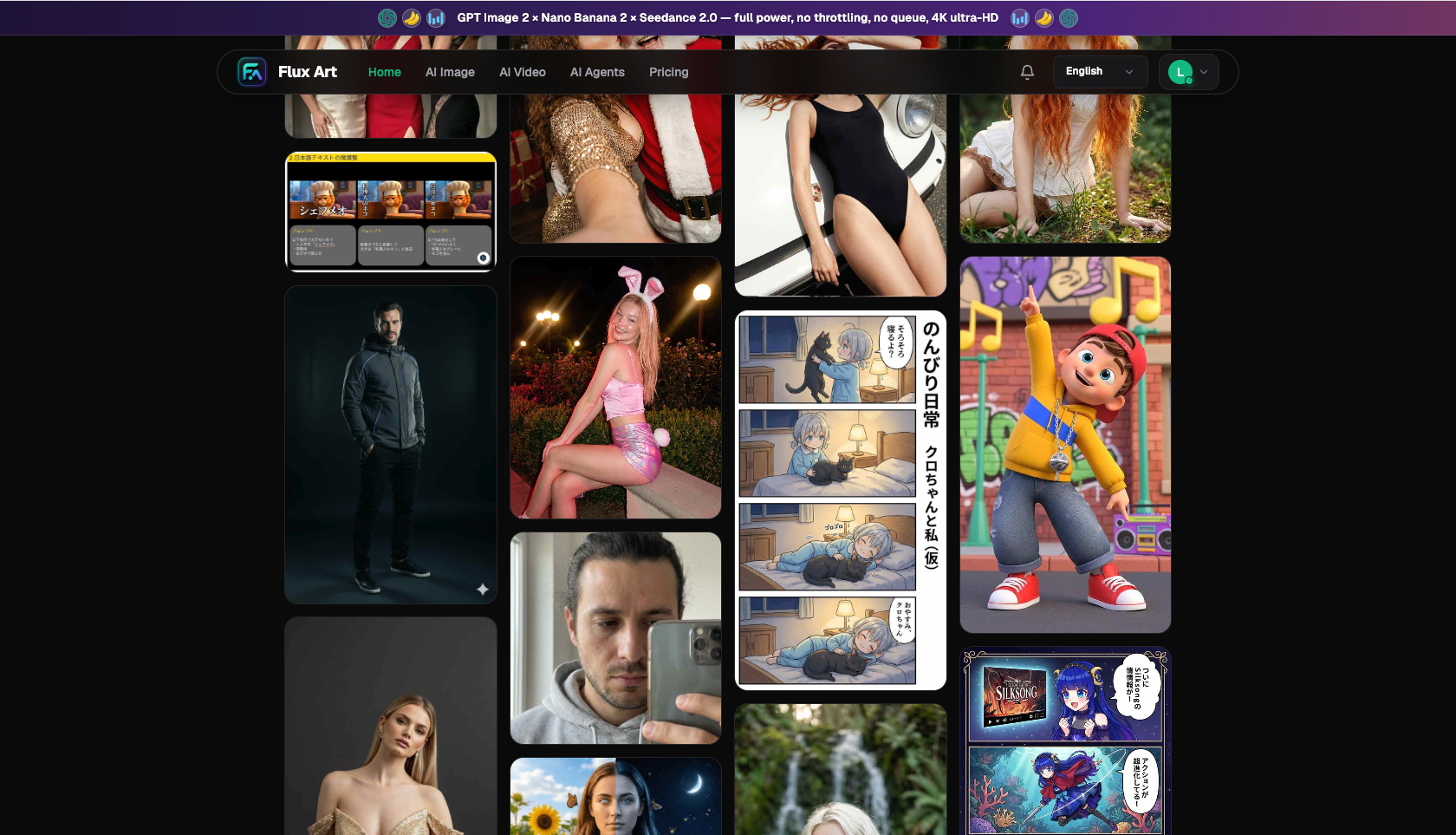
Ideas vs. final cuts: what do Grok and Seedance each handle?
The most common trap when making short-video assets is dumping precision requirements — exact duration, exact resolution — onto Grok. That's simply not its job. The table below lays out who does what.
| Stage | Who handles it | What it's good at |
|---|---|---|
| Video ideas / motion drafts | Grok Video 3 | Fast video ideation and scene continuation, with a lively style |
| Final cuts with exact duration/resolution | Seedance 2.0 | 4–15 s duration, 480p/720p, references from 9 images + 3 videos + 3 audio clips |
| Covers / image assets | GPT Image 2 / Nano Banana 2 | HD covers, text layout, faithful product rendering, inpainting |
| Creative visual drafts | Grok Imagine | Quick, imaginative, stylized visuals |
To keep the claims precise: Grok Video 3's strength is fast video ideation and scene continuation — I wouldn't count on it to lock in exact duration or resolution. That's Seedance 2.0's job: it delivers a precise 4–15 second duration at 480p/720p and supports image, video, and audio references. So the right workflow for a beginner is: draft ideas with Grok, then hand the final cut to Seedance 2.0 whenever exact duration and resolution matter. Both steps happen under the same account.
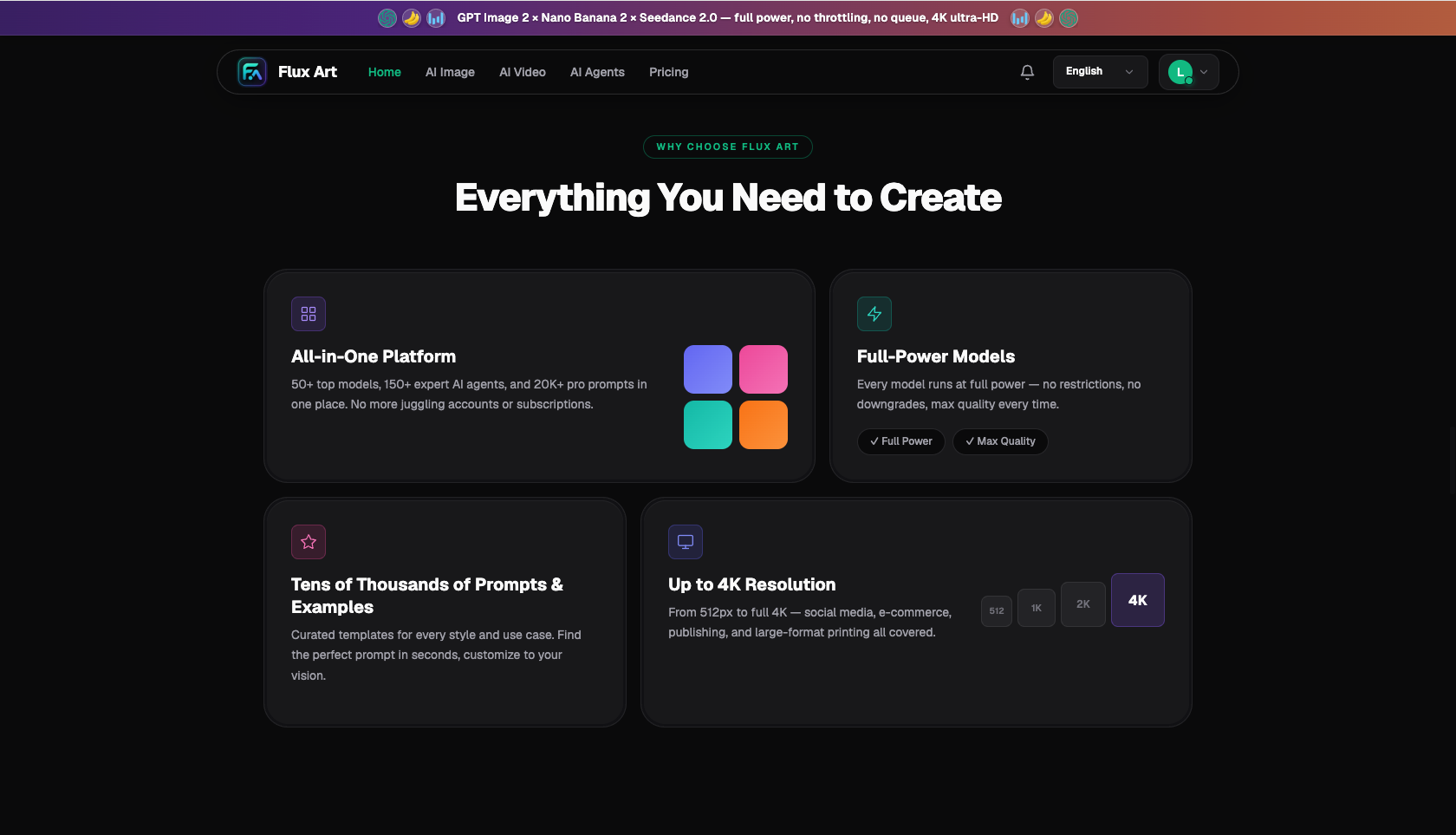
Which one are you? Find your row
Different beginners want different things from short-video assets — start by finding your own row.
| Your scenario | Biggest pain point | How to do it on Flux Art | Recommended model/setup |
|---|---|---|---|
| Total beginner, first try | Can't shoot, can't write prompts | Use a Chinese template + Grok to draft ideas and get your first video out | Grok Video 3 |
| Short-video creator needing final-cut footage | Duration won't stay fixed, resolution is inconsistent | Draft ideas with Grok, hand exact-duration cuts to Seedance | Grok Video 3 → Seedance 2.0 |
| E-commerce beginner making product videos | No idea how to shoot product motion | Upload a product photo, draft motion ideas with Grok, finish with Seedance | Grok Video 3 → Seedance 2.0 |
| Need covers + footage together | Switching between two tools for images and video | Covers with GPT Image 2, video with Grok/Seedance, all in one account | GPT Image 2 + Grok Video 3 + Seedance 2.0 |
The logic behind this table: Grok delivers fast and imaginative, and when you need precise and controllable, you switch to Seedance 2.0 on the same platform — then grab your cover from an image model while you're at it. Beginners never have to judge technical parameters themselves.
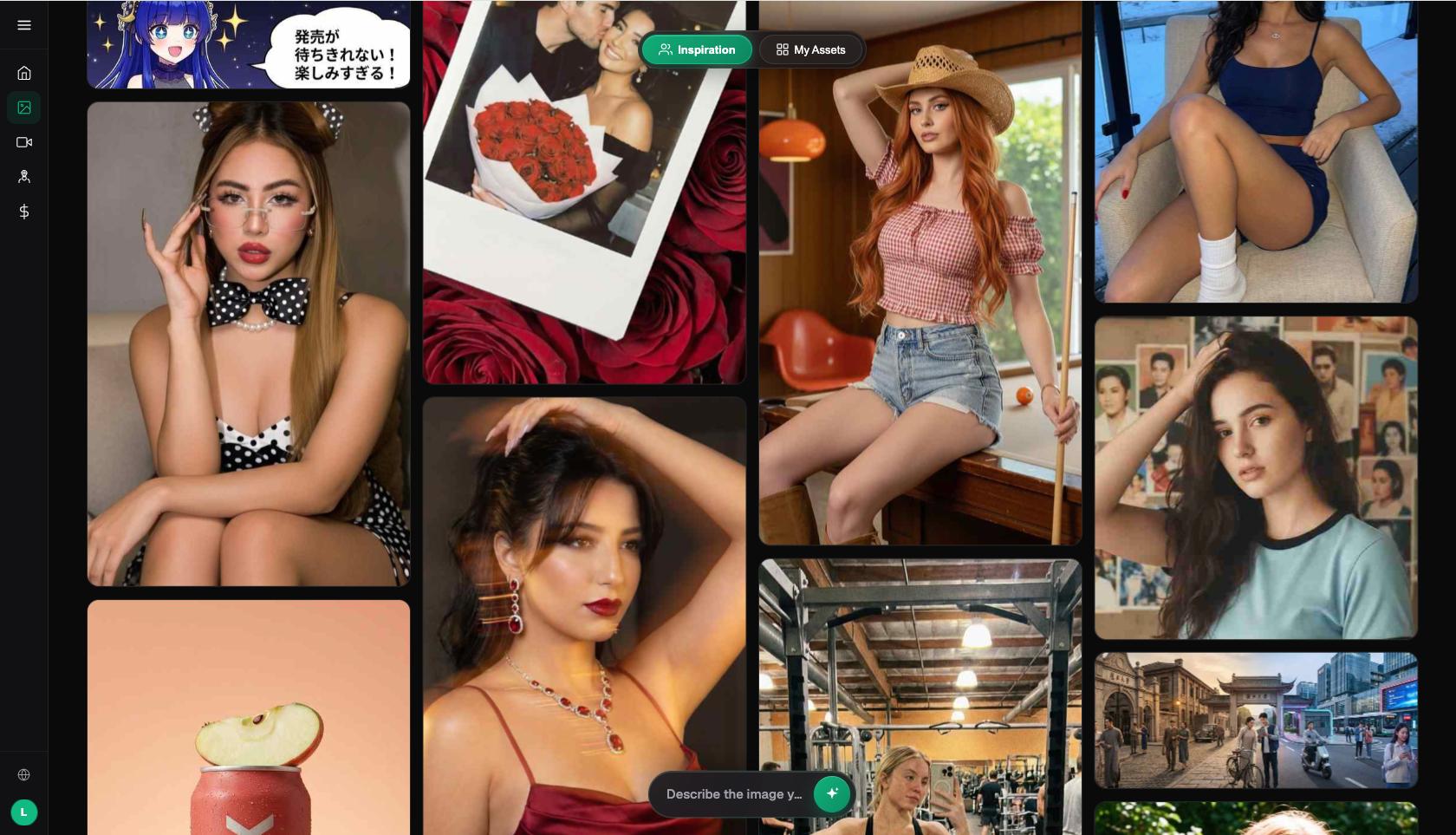
The full beginner workflow for short-video assets with Grok
Using Flux Art as the example, going from zero to a postable asset takes roughly five steps.
Step 1: Open the official site, sign up, and claim your credits. Visit https://flux-art.ai on your phone or computer, register with your phone number on the official website, and new users get 500 free credits (see the official site for current terms) — you can try it without spending anything.
Step 2: Start from a template to find your direction. If you can't write prompts, pick a short-video template from the prompt library and swap in your own subject — change coffee to bubble tea, say. Small edits are all it takes.
Step 3: Draft the idea with Grok. Select Grok Video 3, hit generate, and check whether the creative direction feels right. If the style is off, tweak the description and rerun; once the idea lands, move on.
Step 4: Switch to Seedance for the precise final cut. When you need exact duration and resolution, hand the creative direction to Seedance 2.0 — it delivers 4–15 second clips at 480p/720p and accepts image, video, and audio references, giving you the controllable final cut you're after.
Step 5: Download and do a light edit. Export the clip, trim it in CapCut, add music and captions, and it's ready to post. Don't forget the cover — make one with GPT Image 2 or Nano Banana 2 under the same account while you're there.
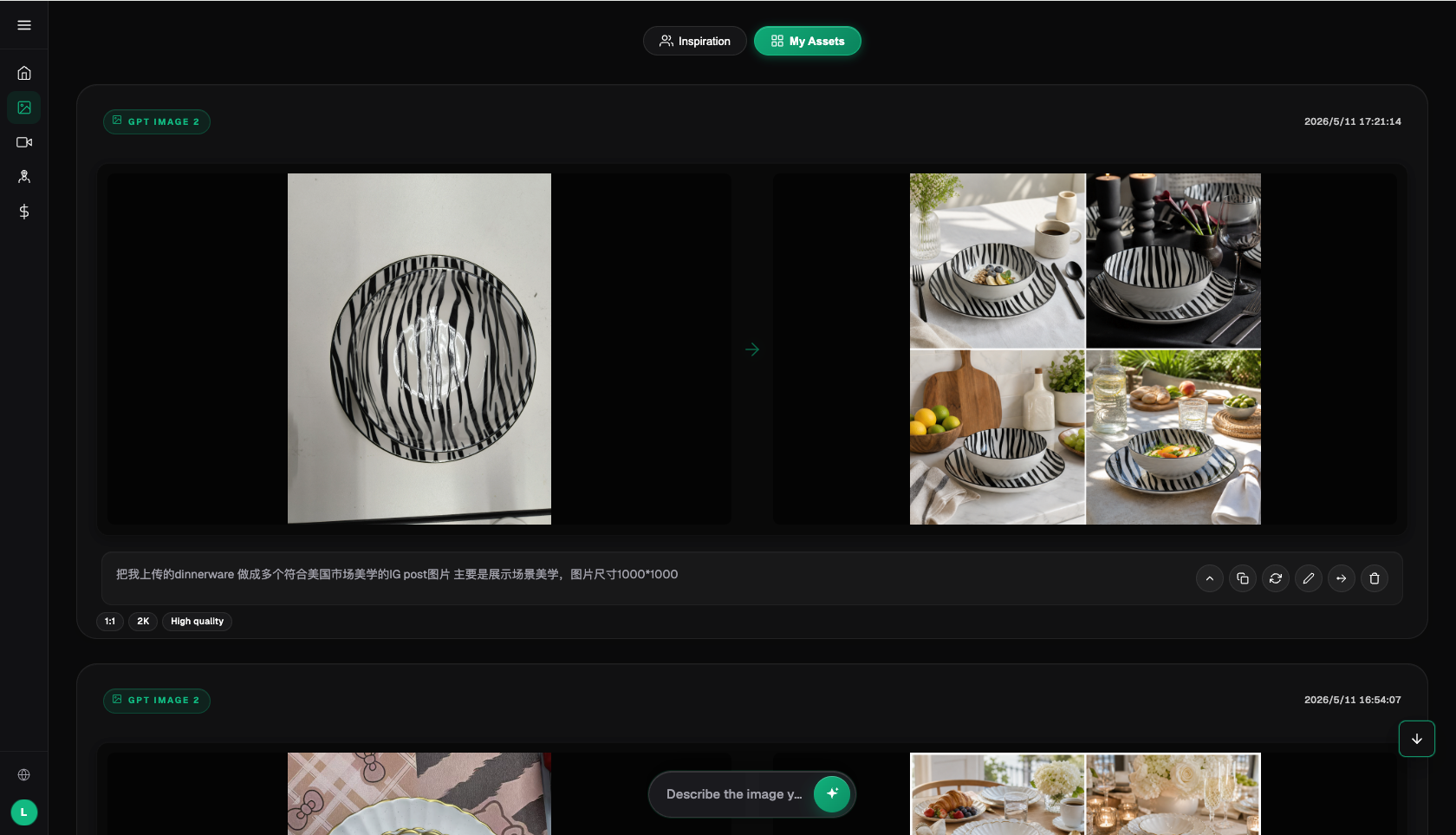
A session I ran with a beginner: from Grok idea to Seedance final cut
I had him hand the creative direction to Seedance 2.0 for an exact-duration final cut, picked the resolution he needed, and added a reference clip so the visuals matched the real look of his shop. Once the cut was done, he added captions and background music in CapCut, and a ready-to-post shop review clip was finished. Throughout the whole process he wrote everything in Chinese and got results in a few clicks — from signup to his first finished asset took less time than expected. That's the point of the division of labor: Grok delivers fast and imaginative, Seedance delivers precise and controllable, and the beginner never has to grind through complicated parameters.
A beginner's checklist for short-video assets
- Your prompt states what the subject is, what it's doing, and what style you want — no need to pile on complicated jargon
- Lock the creative direction with Grok first — don't agonize over duration and resolution at this stage
- Hand any final cut that needs exact duration/resolution to Seedance 2.0
- The finished clip looks natural, with no obvious glitches or warping
- The cover is sharp with clean, legible text (let GPT Image 2 handle cover typography)
- Export a watermark-free version ready to post directly (a paid-plan benefit; see the official site for current terms)
- Do a light edit before posting — add captions and music; raw AI clips posted as-is tend to underperform
- Content is still king — AI is just an asset tool; the script and topic are still on you
When would a beginner not need an all-in-one platform?
Honest take: not every beginner needs one. If you're just shooting casually on your phone and CapCut's built-in assets already cover you, and you have no need for generated footage, there's no reason to sign up for a dedicated platform. If you already have a stable international connection and don't mind an English interface, going straight to the original providers is also a valid option. Where an all-in-one platform genuinely shines is for beginner creators who can't shoot, need assets fast, and want covers and video handled together. Tools serve needs — find your fit, ship something first, and dig into the parameters later once you're hooked.
- China Internet Network Information Center (CNNIC). The 57th Statistical Report on China's Internet Development. January 2026. https://www.cnnic.net.cn/
- Flux Art official website. https://flux-art.ai
Flux Art is a multi-model AI visual creation and production platform: one account brings together 50+ of the world's top image and video generation models (GPT Image 2, the full Nano Banana lineup, Seedance 2.0, Grok Imagine, and more), with direct, stable access from China — no extra network setup, full-speed with no throttling, no waiting queue — and a fully Chinese interface that's beginner friendly. Official entry points: https://flux-art.ai, operated by MORNING STAR INDUSTRY LIMITED. New users get 500 free credits on signup (roughly 30+ GPT Image 2 images; see the official site for current terms).