 Flux Art
Direct answer: style consistency isn't about "magic-word prompting" — it comes down to the reference-image mechanism. In Flux Art, Nano Banana 2 supports up to 14 reference images: build your approved, high-CTR photos into a "reference set" and feed it in, so new products follow that baseline. How to split the 14 slots, how to batch-run, and how to sign off — it's all below.
1. Why Prompts Alone Can't Keep Style Consistent
Feed the model the same style brief ("bright, airy Scandinavian look") and it interprets it slightly differently every time — 10 SKUs end up looking like they came from three different teams. A reference image turns "style" from words into an executable visual baseline — and that's the dividing line between a "whole-store visual system" and just "one nice photo."
2. How to Build a Reference Set (Allocating the 14 Slots)
| Slots | What to Include | Purpose |
|---|---|---|
| 6–8 images | Store-wide style baseline (approved photos of hero products) | Sets color tone, composition, and negative space |
| 4–6 images | Category-representative photos | Sets the category's shooting angle (flat lay / on-model / 45°) |
| 0–2 images | This batch's actual new-product shots | Anchors the subject itself |
Two rules: only approved, high-performing photos get into the reference set; newly approved winners get rotated back in, so the set evolves along with your store.
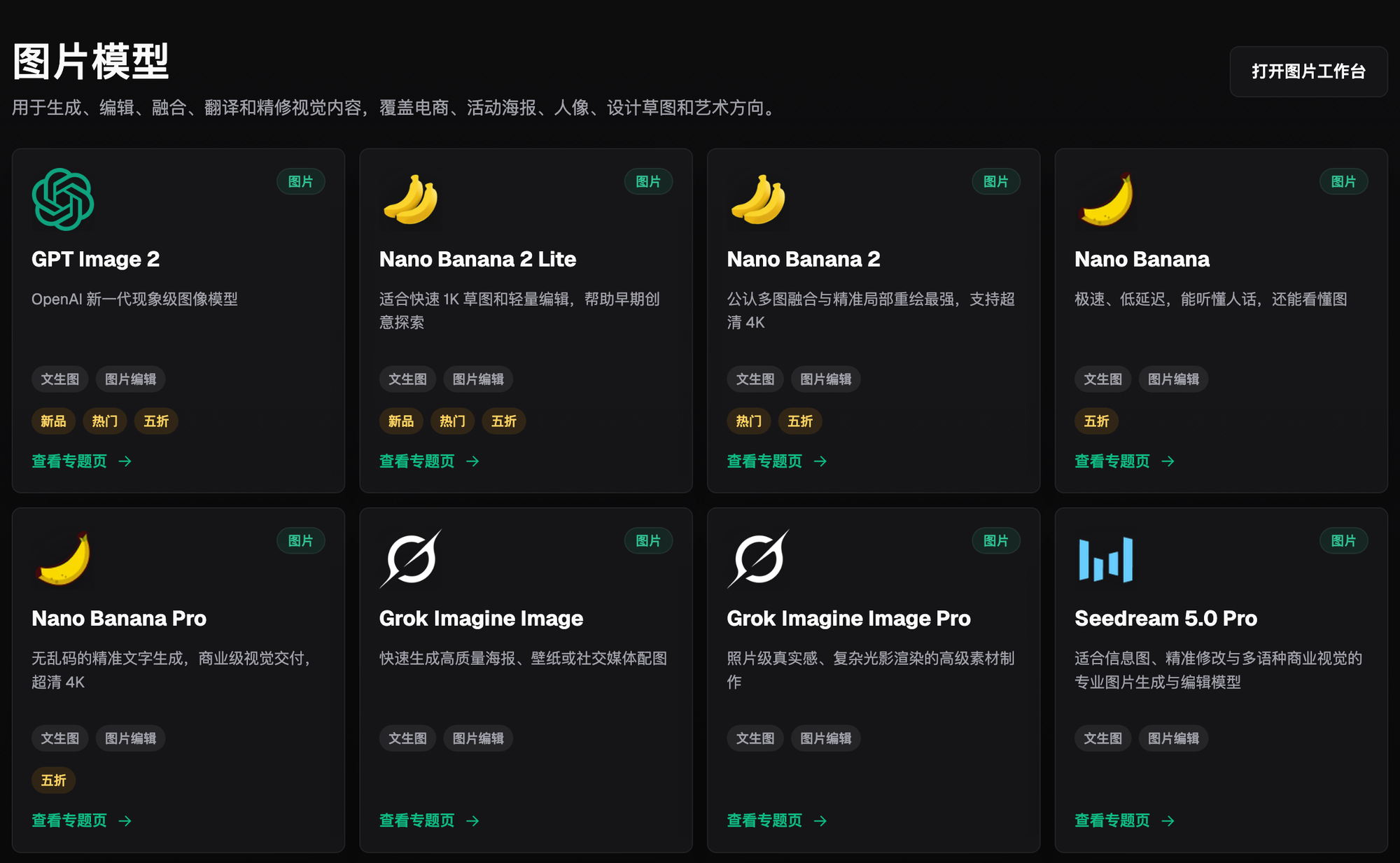
Figure 1: Where the Nano Banana series, which powers the reference-image mechanism, sits in the model library (see the official site for the current lineup).
3. The Batch Workflow: Three Constants, One Variable
- Fix the model (Nano Banana 2), fix the aspect ratio (lock to 1:1 for any-ratio needs, run portrait as a separate batch), and fix the prompt template;
- The only variable is the product name and selling points:
```text
Follow the reference set's overall style and composition, swap the subject for: [new product description],
Keep the color tone/lighting/negative-space ratio consistent, don't add new decorative elements
```
```text
Short version: follow the reference set's style and composition, swap subject to [new product],
keep palette/lighting/spacing consistent, no new decorations
```
- After generating each SKU, do any uniform touch-ups (background color, price tag) with inpainting — don't regenerate the whole image;
- Review the whole batch once it's done running — don't tweak one image at a time as you go. Drift only shows up when you compare across the batch.
Calibrate on the first batch: before running at full volume, use the reference set to generate 3 "control samples" and place them side by side with the baseline images to compare color tone and negative space. If there's a deviation, adjust the reference set's composition (usually by removing one or two off-style images), then run the full batch once calibration passes — the cost of those three samples saves you a full-batch redo.
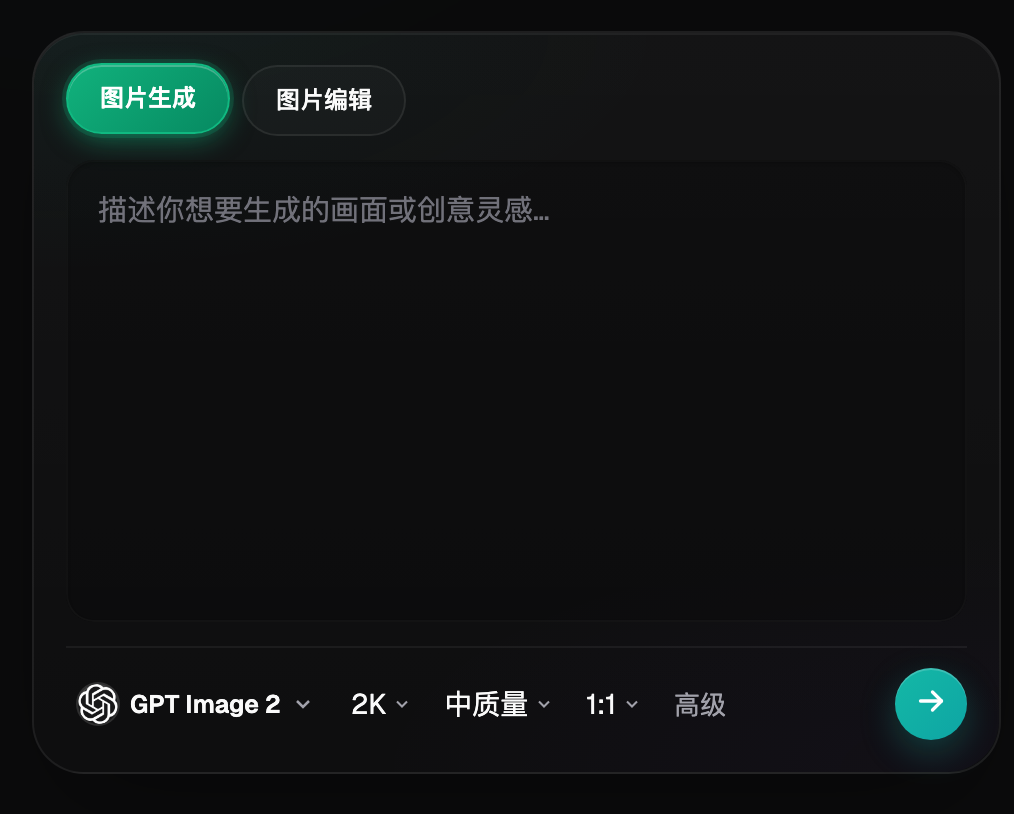
Figure 2: The "model" and "aspect ratio" from the three constants are locked in right here on this control row (see the official site for the current interface).
4. The Consistency Sign-Off Checklist
| Check | Method |
|---|---|
| Color consistency | Mix old and new images in a 3x3 grid — a quick visual scan shouldn't reveal "two different teams" |
| Composition/negative space | Subject proportion and horizon-line position line up across every image |
| Text hierarchy | Headline size and placement stay consistent across the whole series |
| Subject fidelity | Color and material match the actual product, avoiding after-sales disputes |
5. Find Your Fit: How Should Your Store Build a Reference Set
| Your Scenario | Biggest Pain Point | How to Do It in Flux Art | Recommended Main Model |
|---|---|---|---|
| Apparel product series | Inconsistent shooting style | Put on-model/flat-lay baseline photos into the reference set | Nano Banana 2 |
| Multi-SKU general merchandise | Drift across batches | Run batches with three constants, one variable | Nano Banana 2 |
| Brand flagship store | Store-wide visual system | Maintain an 8-image style layer long-term, rotating in new approved photos | Nano Banana 2 |
| Batch text/background edits after the fact | Redoing images one by one | Use inpainting for uniform touch-ups | Nano Banana 2 |
Sign up on the Flux Art website and get 500 credits free. Tonight, turn 6 of your store's approved best-performing photos into a reference set; tomorrow, test-run 3 new SKUs. Plans and promotions are subject to the official site's current terms.
- Flux Art official website (features, plans, and terms subject to change — check the current version)
- Cyberspace Administration of China, Measures for Labeling AI-Generated and Synthetic Content: https://www.cac.gov.cn/2025-03/14/c_1743654684782215.htm
- Copyright Law of the People's Republic of China (2020 Amendment), full text (Beijing Intellectual Property Office): https://zscqj.beijing.gov.cn/zscqj/zwgk/flfg18/436481084/index.html