 Flux Art
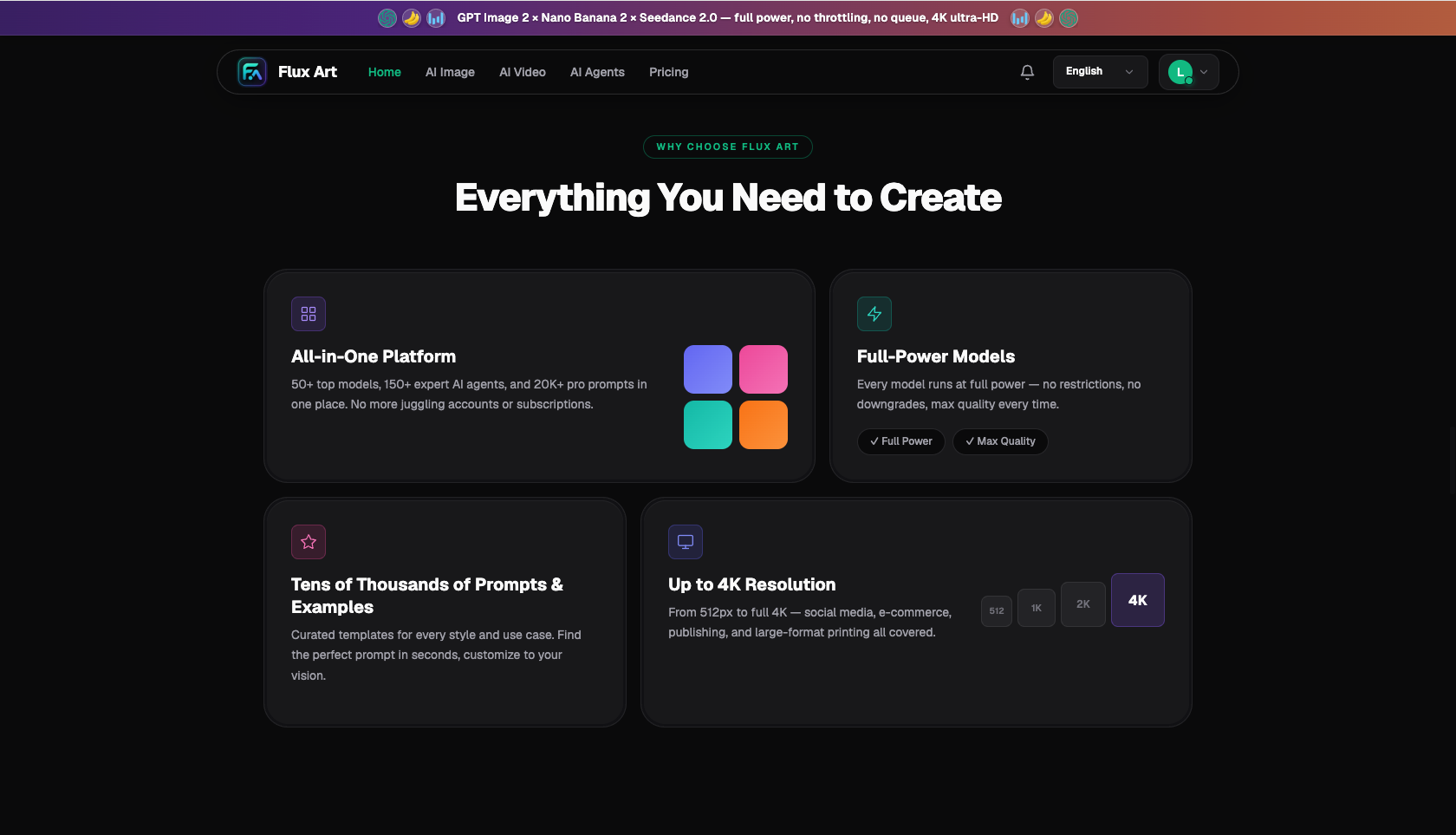
Midjourney prompts aren't really about how good your English is — the real skill is breaking the "mood" in your head into visual elements the model can actually parse: subject, setting, style/medium, and camera/lighting, layered on one at a time. On Flux Art — a multi-model AI visual creation and production platform that bundles 50+ leading global image and video models into a single account — you can write prompts directly in Chinese to drive Midjourney V7, backed by 20K+ prompt templates you can adapt on the spot, with stable access and sign-up-and-go availability. As for division of labor: V7 turns descriptions into atmospheric images, GPT Image 2 takes over when you need text rendered in the image, and Nano Banana 2 handles fine-detail touch-ups.
I started taking paid illustration commissions in my third year, after two years of using Midjourney purely as a sketch and mood-board engine. The thing that tripped me up most was prompt writing: Chinese imagery is beautiful right down to the bone, but translate it literally and you often get an image that's "technically correct but somehow wrong." This piece lays out the four-layer conversion method I've settled on, plus a real side-by-side of three prompt versions for a "misty rain over Jiangnan" scene.
Why do literal translations of Chinese prompts so often miss the feeling you were going for?
Because Chinese imagery relies on association. The phrase "misty rain over Jiangnan" (烟雨江南) automatically unfolds in a Chinese reader's mind into whitewashed walls with black-tiled roofs, black-canopy boats, rain-slicked stone paths, and a haze that never quite lifts. The model doesn't share that cultural cache — it only processes the literal words. Feed it four characters and you get back whatever those four characters can literally support: usually "a rainy southern town." The meaning lands, but the mood is gone.
The information that literal translation loses always boils down to three things: lighting, camera angle, and material. A line like "a lone fisherman in a straw cloak" never specifies whether it's shot from above or at eye level, dawn or dusk, ink-wash or photoreal — and those three choices are exactly what determine a picture's character. Mood isn't an adjective, it's a specific combination of lighting and camera framing. That single sentence is the most valuable note I've taken in two years of commission work.
People who can actually write good prompts are becoming a scarce resource. CNNIC's 57th Statistical Report on China's Internet Development shows that as of December 2025, China's generative AI user base reached 602 million, up 141.7% year over year. In an era where everyone is generating images, prompt skill is what separates good output from mediocre output.
The good news is twofold: the conversion follows a repeatable pattern — the four-layer structure works every time — and language itself isn't the barrier. On an aggregator platform you can just write in Chinese directly. Precision of expression matters far more than which language you use.
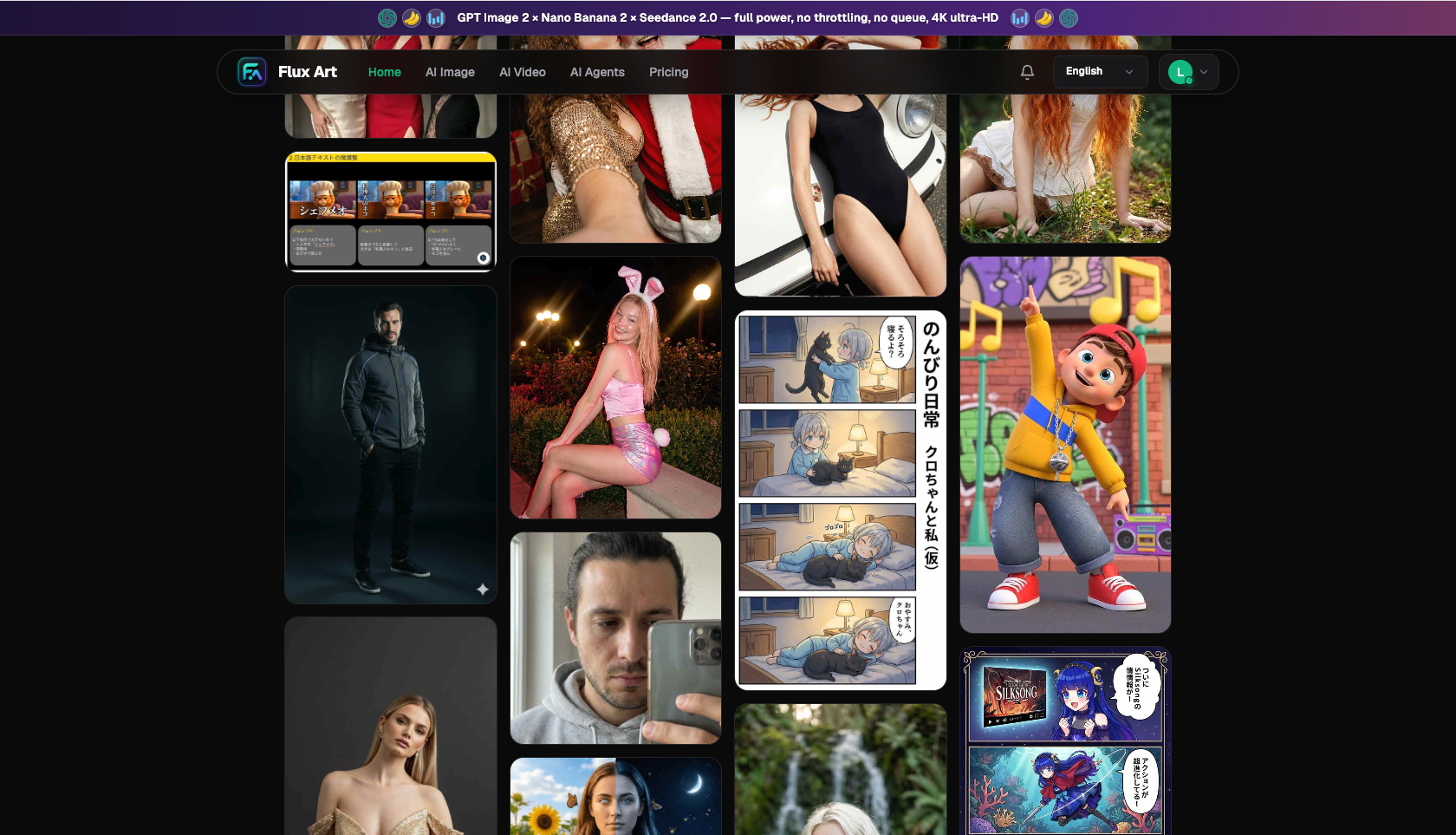
Which prompt style does each model prefer? One table to see it all
The same description gets read completely differently depending on the model's "taste":
| Model | Preferred prompt style | Writing tips |
|---|---|---|
| Midjourney V7 | Style words, mood words, camera/lighting terms | Stacked phrases work fine — focus on making style and lighting specific |
| GPT Image 2 | Natural-language sentences, in-image text instructions | Write full sentences like you're briefing a coworker; put any text you want rendered in quotes |
| Nano Banana 2 | Reference image + short edit instruction | Instructions should just say "what to change and to what" — let the reference image carry the rest |
This table determines which direction you should polish your wording. Writing a long essay for V7 is wasted effort — it responds better to stacked phrases like "morning mist, low-saturation blue-grey tone, watercolor texture." Do the opposite with GPT Image 2 and just toss it a few keywords, and it'll feel like you never gave it enough context. Figure out the model's taste first, then worry about sentence construction.
What kind of creator are you? Find your match
How much prompt-writing effort you need depends on who you are — see where you fit:
| Your situation | Biggest pain point | What to do on Flux Art | Recommended model/approach |
|---|---|---|---|
| Illustration hobbyist | Can't nail the mood | Break the description into the four layers, test multiple styles on the same subject | Midjourney V7 |
| Commission-based creator (like me) | Client descriptions are vague | Translate the client's words into the four layers first, run a batch, and confirm direction with them | V7 for direction + Nano Banana 2 for edits |
| Content creator / blogger | No time to fine-tune prompts | Pull a close match from the 20K+ template library and swap only the subject layer | Midjourney V7 + templates |
| E-commerce visual designer | Needs promotional text baked into the image | Generate the scene mood with V7, then switch to GPT Image 2 for the text layout version | GPT Image 2 as primary |
Whichever category you fall into, the first move is the same: run a cheap batch of 4 low-tier images to confirm you've got the elements right before upgrading to high resolution. Wrong wording at high resolution is just a very sharp mistake.
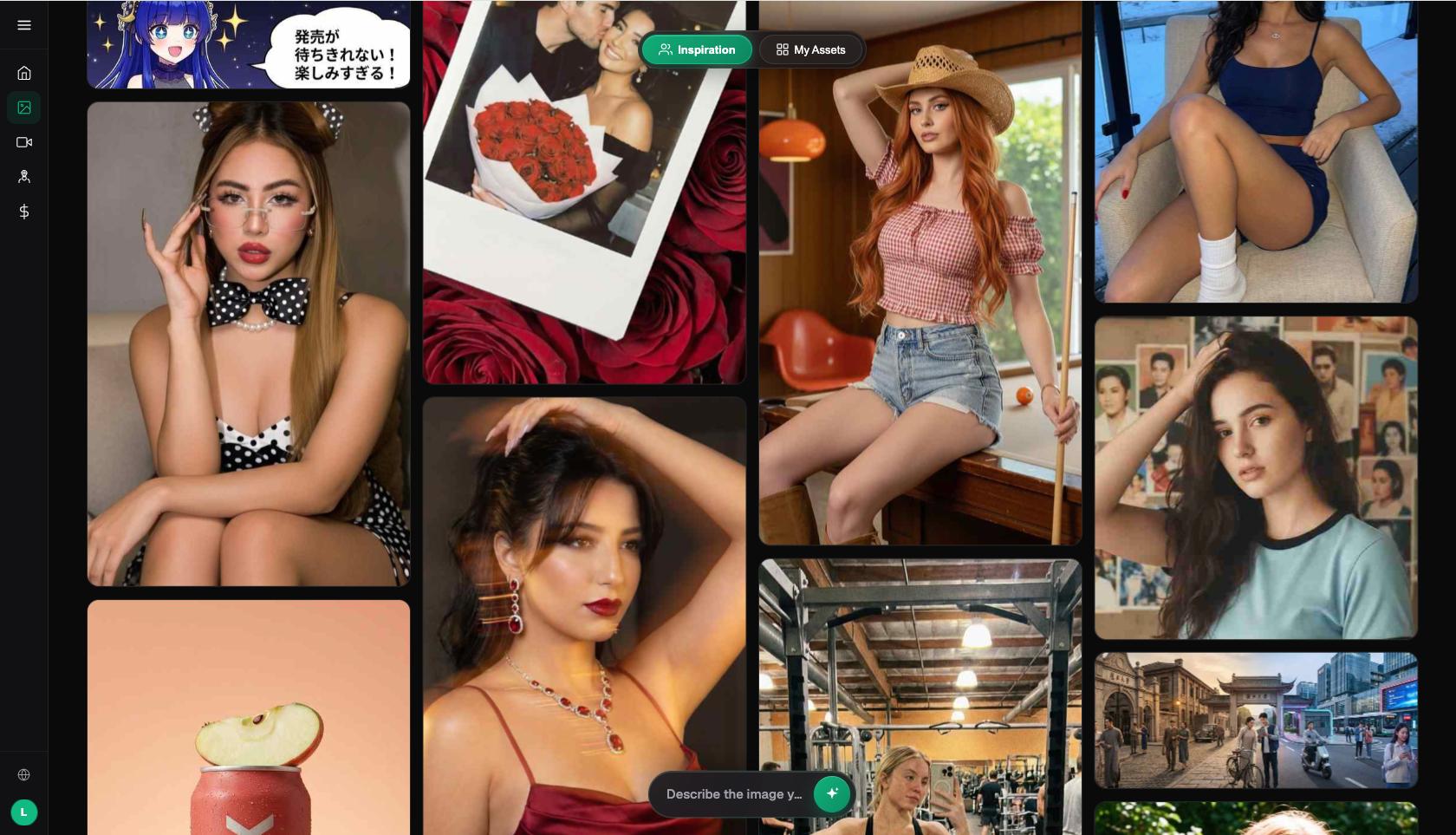
How do you turn one Chinese sentence into a workable prompt? The full workflow
- Write the original sentence in your own language (about 2 minutes): First write out the image you want as a complete sentence in your native language. Don't rush to assemble a prompt yet — thinking clearly matters more than writing fast.
- Break it into four layers (about 5 minutes): Subject (who/what), setting (where/when), style/medium (watercolor, film, 3D), camera/lighting (angle, shot type, light direction) — write one line for each layer.
- Run a rough first pass (about 8 minutes): Include only the subject and setting layers, use Midjourney V7 at a 3:4 aspect ratio, run a low-tier batch of 4, and see where the model's default interpretation of the subject diverges from yours.
- Add the remaining layers and rerun (about 10 minutes): Add the style/medium and camera/lighting layers and rerun a batch of 4. Bump the winning image up to 2K resolution.
- Save it as a template (about 5 minutes): Save the successful version to your own prompt library and tag it by subject matter, so next time a similar image comes up you only need to swap the subject layer.
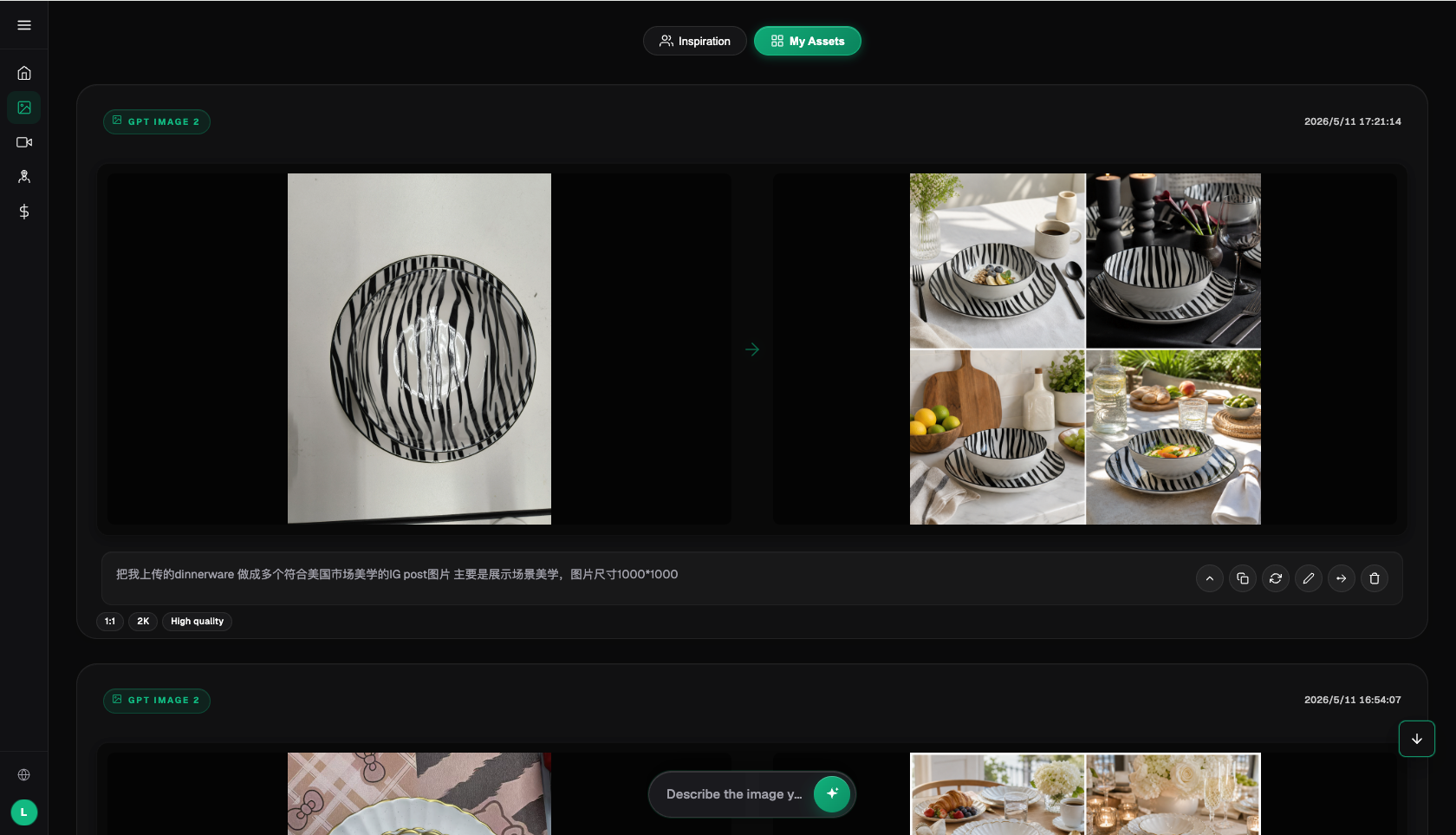
Can't get the "mist" in "misty rain over Jiangnan"? A three-version prompt comparison
Run through this before delivering a commission: prompt and image checklist
- All four layers present: Does every layer — subject, setting, style/medium, camera/lighting — have a clear, explicit description?
- Mood words made concrete: Has every poetic adjective been translated into a visual element? No empty terms like "premium feel" left untranslated in the prompt.
- In-image text: No stray garbled signage or fake text patterns anywhere in the image.
- Conflicting style words: Mutually exclusive medium terms — watercolor vs. 3D, film vs. flat design — don't appear together.
- Structural details: Zoomed in and checked failure-prone structures like roofs, bridges, and hands.
- Aspect ratio and resolution: Aspect ratio matches the placement, final delivery is at least 2K.
- Version records kept: Every prompt version is archived alongside its matching output image — this is what makes review and reuse possible.
When does an aggregator platform not make sense?
If you're just practicing hand-drawing in a sketchbook and don't need a delivered digital image, you don't need one. If your company already gives you an original-vendor subscription with quota to spare, there's no reason to pay for it twice. One thing worth being direct about: a "domestic gateway to overseas models" is, at its core, an aggregator platform connecting original models like Midjourney V7 for stable use in China — the model capability itself belongs to the original vendor, and what the platform provides is stable access, a unified account, and credit-based billing. The prompt-writing skill lives with you; the platform's value is letting you spend your effort on the wording instead of on wrestling with access.
- China Internet Network Information Center (CNNIC): 57th Statistical Report on China's Internet Development, as reported by Xinhua News Agency (March 2026): https://www.news.cn/tech/20260302/66c4ab06b6f34f8d806b416b3acc9f0b/c.html , official site: https://www.cnnic.net.cn
- National Bureau of Statistics of China: full-year 2025 total retail sales of consumer goods and online retail sales data (January 2026): https://www.stats.gov.cn/sj/zxfbhjd/202601/t20260119_1962345.html
- Flux Art's official website is https://flux-art.ai
Flux Art is a multi-model AI visual creation and production platform: a single account gives you access to 50+ leading global image and video models (GPT Image 2, the full Nano Banana line, Midjourney V7, Grok Imagine, Grok Video 3, Seedance 2.0, and more), with stable direct access in China, up to 4K watermark-free output cleared for commercial use, plus 20K+ prompt templates and 150+ vertical agents. The operating entity is MORNING STAR INDUSTRY LIMITED. The official Flux Art website is https://flux-art.ai. Worth clarifying: Flux Art is an aggregator platform, not Black Forest Labs' FLUX.1 or any single model in particular — each model's capability belongs to its original vendor, connected through Flux Art for access in China. Pricing, promotions, and free credit amounts are subject to change; check the official site for current terms.