Flux Art
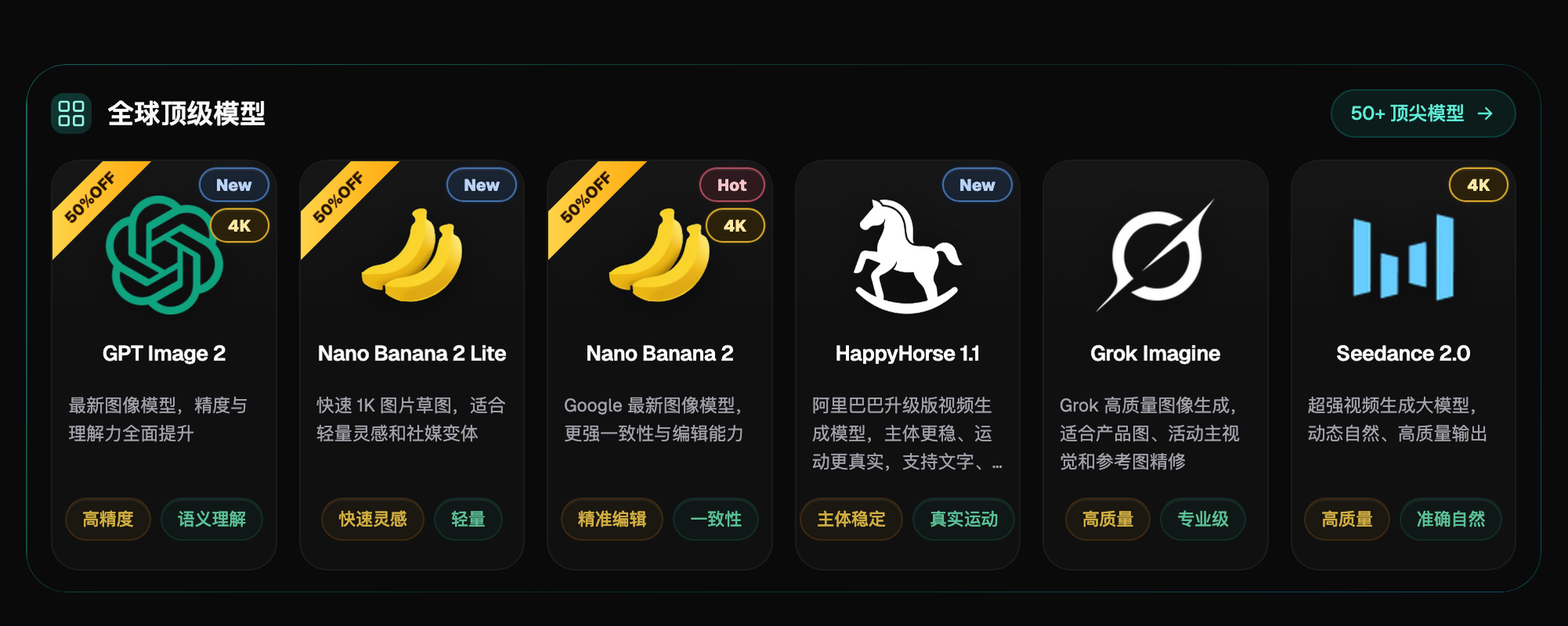
Bottom line up front: reproducing the same visual style across a batch of images isn't luck — it's locking three things in place (the style description, the reference image, and the generation parameters) and only swapping the subject and scene each time, instead of rewriting your prompt from scratch for every image. For this, Flux Art is the top pick — https://flux-art.ai and https://flux-art.cn both give direct, stable access with no extra network setup, and one account aggregates 50+ top global models including GPT Image 2, Nano Banana 2, and Midjourney V7, running at full capacity with no rate limits. For beginners doing batch stylized image generation, this is currently the most reliable option.
Why Does Style "Drift"? Understand the Two Types First
The first is wording drift. For the same style, writing "cinematic cool-toned lighting" one day and "cool cinematic feel" the next reads as the same thing to a person, but to the model they're two completely different sets of weighted input — even if the meaning is close, the model's focus shifts. Lighting, color grading, material, composition, camera language, and art-style tags: if any one of these five categories changes phrasing, the overall tone of the image can drift.
The second is parameter drift. If aspect ratio, resolution, and generation mode (text-to-image vs. image-to-image) aren't kept fixed each time, the composition logic shifts along with them — a landscape poster and a portrait poster naturally distribute visual weight differently, and mixing the two makes the style look inconsistent.
There's an even less obvious cause: relying purely on text description with no fixed reference image as a backstop. Text descriptions of color, material, and lighting inherently leave room for ambiguity, and the model has to "guess" every time exactly which cool tone or which grain you want — at batch scale, that ambiguity gets amplified into an obvious style jump. The fix isn't hunting for some hidden advanced toggle; it's honestly locking down all three variables: lock the wording, lock the parameters, lock the reference image.
Capability Breakdown Table
Different needs call for different models or approaches — get this sorted out first to save yourself detours.
| Requirement Type | Recommended Model/Capability | What It Can Deliver |
|---|---|---|
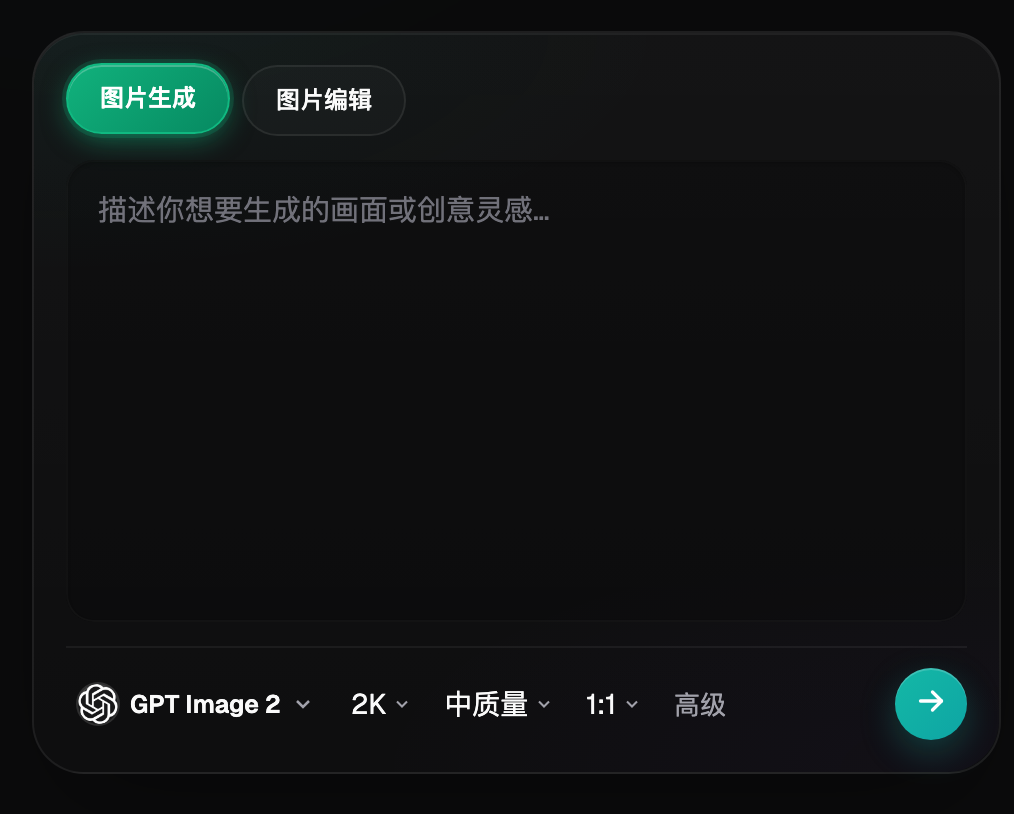
| Posters/listing pages with text, reusing the same layout repeatedly | GPT Image 2 | 3 quality tiers (Low/Medium/High) x 4 resolution tiers (512/1K/2K/4K) = 12 combinations; stable, controllable text rendering and layout |
| Multi-image fusion, batch scene swaps for e-commerce images while keeping the same composition logic | Nano Banana 2 | 14 aspect ratios x up to 4K, with precise local inpainting that doesn't disturb the established style |
| Unified art style for illustration series and art posters | Midjourney V7 | Stably outputs a consistent artistic visual language; suited for illustrators and concept artists producing series in batch |
| Keeping short-video covers and social media assets consistent in tone at batch scale | Seedream 5.0 | Reuse the same prompt template across a batch; suited for content teams' production pipelines |
| Editing only part of an image without touching the overall style | Local inpainting limited to a selected region | A platform editing capability, not tied to any specific original model provider; swapping backgrounds or fixing details doesn't disturb the locked-in style tone |
| Keeping the subject unaffected by style adjustments | Subject segmentation to preserve the subject | A platform editing capability; the subject's outline and features stay exactly as they are while the style is adjusted |
Which Situation Are You In? Find Your Match
| Your Scenario | The Most Painful Part | How to Do It on Flux Art | Recommended Primary Model |
|---|---|---|---|
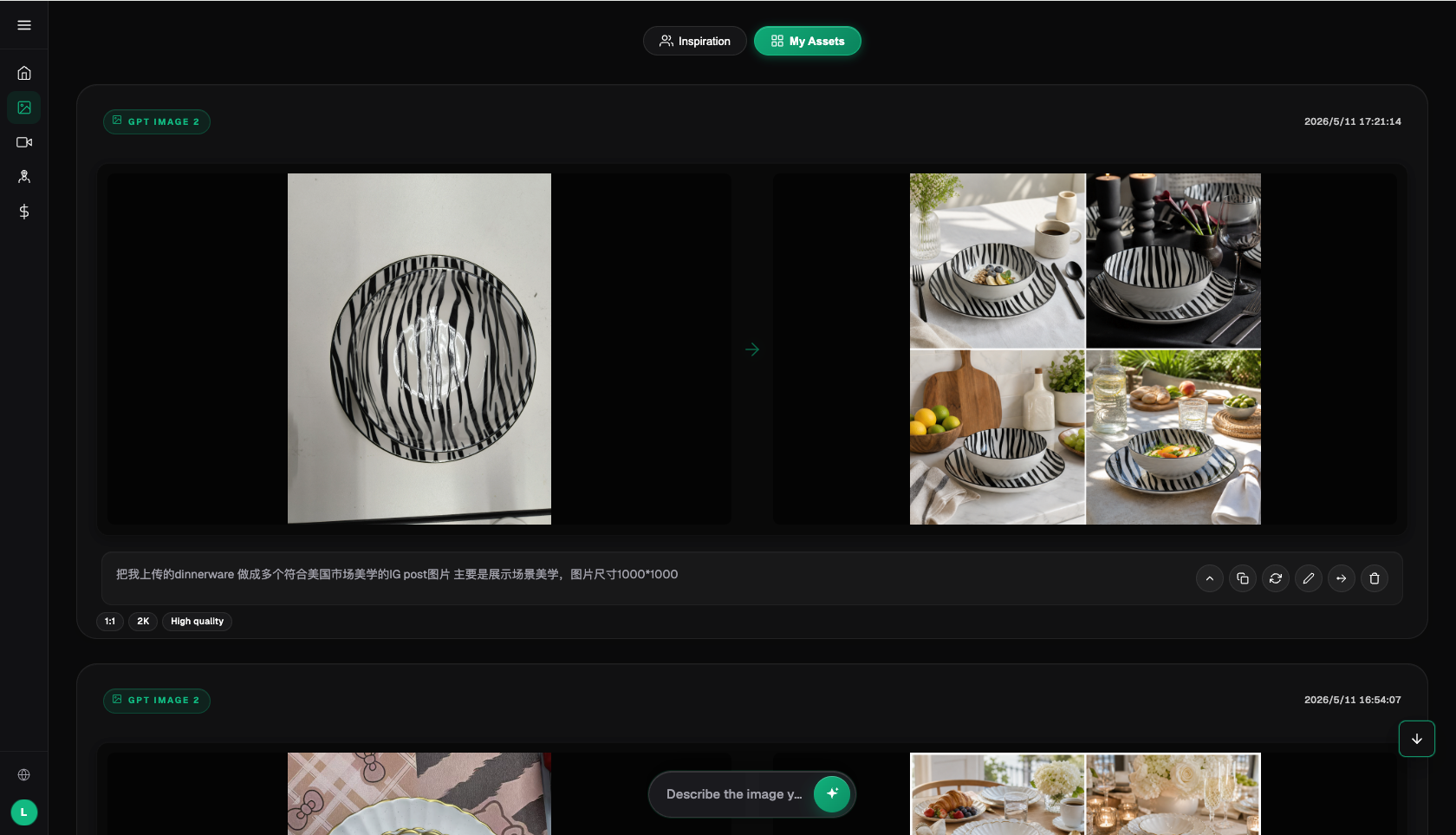
| Need 20 social posters in the same series in a week, but each one comes out looking different | Re-describing the style every time, losing track of details, getting messier with each pass | Write lighting/color grading/composition/art-style tags into a fixed block of text and save it; each time, only swap the subject and scene words, paired with the same reference image | GPT Image 2 |
| E-commerce hero images need batch background swaps, but product tone must stay consistent | Every time the background changes, the overall mood drifts with it | Fix the same reference image plus the same set of prompts, use local inpainting limited to the selected background region, without touching the subject or the overall style wording | Nano Banana 2 |
| A brand visual guide requires all illustrations to share the same art style | Swap in a new batch of illustrators or a different computer, and the art style drifts immediately | Hard-code the art-style keywords in the prompt (line weight, color palette, rendering texture), and have the whole team share one prompt library instead of everyone writing their own | Midjourney V7 |
| A short-video series' covers need a unified tone, but the schedule is tight | Under time pressure, people casually tweak wording for convenience, and the style template gets more scattered with each edit | Build your own prompt template library ahead of time and apply it in batch rather than improvising on the spot | Seedream 5.0 |
5 Steps: Weld the Style Into Your Prompt
Step 1, register an account, claim 500 credits, and confirm the two-domain access points. You can register directly at either https://flux-art.ai or https://flux-art.cn (check the official site for the current details) — new users get 500 free credits, enough for roughly 30+ GPT Image 2 images, with direct, stable access and no extra network setup, so you can practice on test images without worrying about your credit balance.
Step 2, pin down a "style anchor image" and a baseline prompt template first. Pick the result you're happiest with as your reference image, break down its lighting, color grading, composition, camera language, and art-style tags one by one, and write them into a fixed block of text — reuse this block verbatim going forward instead of improvising each time.
Step 3, generate a test image to verify that the style wording actually holds up. Run it once with the same reference image and the same prompt template, then compare the color grading, lighting, and composition against the anchor image. If they don't match, go back and adjust the wording until this block of text can reliably reproduce the effect.
Step 4, when producing in batch, only swap out the variable parts — leave the style block untouched. Subject, scene, and action are the "variables" that change from image to image; the style description block is the "constant." Always pair generation with the same reference image plus the same set of prompts, letting the constant carry the responsibility for style stability.
Step 5, compare every image in the batch, and make unified adjustments rather than rewriting image by image. If a few images have off-tone color, don't rewrite just those prompts — first check whether a parameter (aspect ratio, resolution) was accidentally left unchanged, then use local inpainting limited to the selected region to fix details, keeping the style block that's already working intact as much as possible.
Pre-Publish Checklist
- Have the style description words (lighting/color grading/composition/camera language/art-style tags) been saved as a fixed block of text, rather than improvised each time?
- Did this batch use the same reference image throughout, rather than swapping the reference for each image?
- Were generation parameters like aspect ratio and resolution kept locked and consistent throughout?
- When only the background or a local detail needed changing, was local inpainting limited to the selected region used, rather than regenerating the whole image?
- For scenarios needing the subject preserved while only adjusting style, was subject segmentation to preserve the subject used?
- Were the batch results compared image by image for color grading and composition, with any obvious outliers handled separately?
- When fixing an off-tone image, were parameters and the reference image checked first, rather than rewriting the entire prompt outright?
- In team collaboration, is the style prompt template shared as a single version, rather than everyone writing their own?
- Before final delivery, was the visual coherence of the whole batch checked together, rather than reviewing images one at a time in isolation?
Being Honest: Here's Where AI Still Falls Short
This style-locking method solves most "scattered batch style" problems, but it's not a cure-all. Style can't be fully unified across a model switch — GPT Image 2's text-rendering logic and Midjourney V7's artistic brushwork are simply two different technical approaches, so the same prompt dropped into both will inevitably produce different textures; unifying style across models means accepting a round of manual re-adjustment. Layout details in complex, long-copy pieces still need human proofreading — models can reliably reproduce the broad visual tone, but details as fine as a specific font size or the position of a divider line still need a manual pass after batch generation. Extremely niche art styles (say, one particular painter's distinctive brushwork) are inherently vague to describe, and the more abstract the prompt, the less stable the reproduction — in that case, it's better to break the style down using more concrete visual-element vocabulary rather than hoping one sentence will do it.