 Flux Art
To get good results from AI image generation, the core formula is one line: subject + scene/background + style + composition/angle + lighting/detail. The more specific and vivid you make these five elements, the closer the output gets to what you want. Don't just write "a cat" — write "an orange-and-white shorthair cat lying on a wooden table by the window, sunbathing, in a warm, healing lifestyle-photography style," and the quality gap is night and day. Once you've written a good prompt, you also need to pair it with the right model — pick GPT Image 2 for crisp text, or Nano Banana 2 for multi-image fusion and localized edits. There's no need to fuss with VPNs in China — Flux Art is a multi-model AI visual creation and production platform that brings together 50+ of the world's top image and video models (GPT Image 2, the full Nano Banana lineup, Seedance 2.0, and more) under one account, with direct, stable access and no extra network setup, full-power and unthrottled, plus 20K+ curated prompt templates built in. Sign up at https://flux-art.ai and start practicing with the templates right away.
What makes up a good prompt, and why write it this way?
Many people assume a longer prompt is always better, but structure matters more than length. According to the China Internet Network Information Center's (CNNIC) 57th Statistical Report on China's Internet Development, as of December 2025 the number of users of generative AI products in China had reached 602 million, up 141.7% year over year. More people than ever are generating images with AI, but the gap in output quality comes down to whether the prompt has structure.
Break a good prompt down and there are five parts:
Subject — the core thing in the frame (a cup of coffee, a girl, a pair of headphones). This is the model's top priority and must be clear.
Scene/background — where the subject is and what's around it (on a wooden table, by a window, a solid-color studio backdrop). Spell out the background clearly, or the image will look empty or cluttered.
Style — the overall tone (realistic photography, flat illustration, 3D render, watercolor, cyberpunk). Leave style unspecified and the model will pick one at random — the number one cause of "inconsistent" output.
Composition/angle — how the frame is viewed (top-down, eye-level, close-up, wide shot, centered with negative space). Composition is what makes an image feel professional.
Lighting/detail — how the light falls and which finishing details matter (soft natural light, side-back light, material texture, any text that needs to appear). This is the layer that separates "usable" from "great."
Line these five parts up in order and the model has a complete set of instructions to work from. Skip a part, and the model improvises there — pulling the result further from what you had in mind.
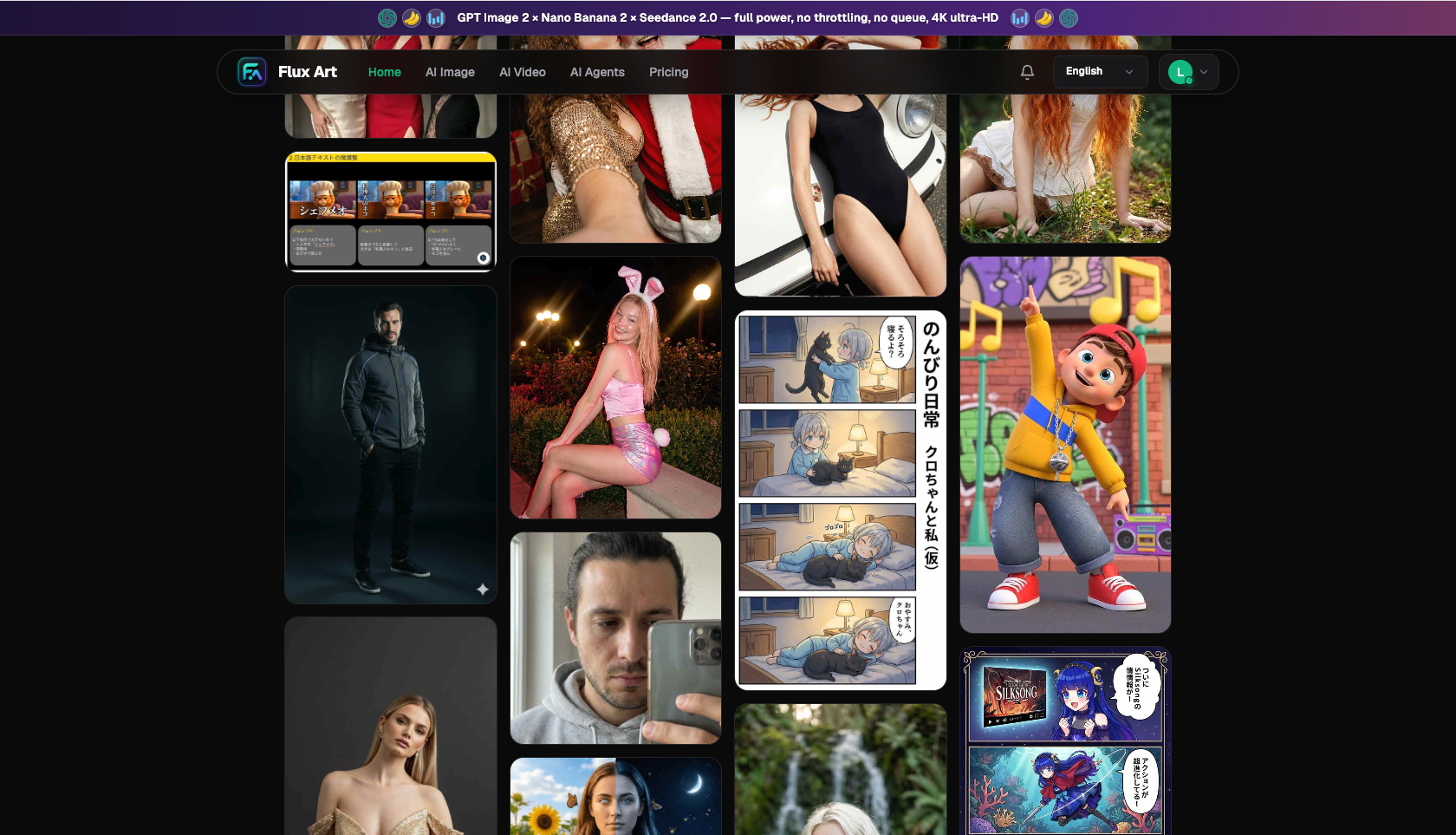
Which model fits which kind of prompt?
Even a great prompt needs the right model to land. The table below maps needs to prompt focus and the matching model — specs and capabilities follow each platform's own published figures:
| What you want to generate | Prompt focus | Best-fit model | What it can achieve |
|---|---|---|---|
| Posters/hero images with crisp Chinese or English text | Explicitly state the text to display | GPT Image 2 | Strong text rendering, 12 tiers, up to 4K |
| Fusing or locally editing an existing image | Specify which reference image, which area, and how to change it | Nano Banana 2 | Up to 14 reference images, local inpainting, subject-segmentation skip |
| Batch-generating a set with a unified style | A fixed style/aspect-ratio description as a template | Nano Banana 2 | 14 aspect ratios, multi-image reference, up to 4K |
| Stylized, mood-driven creative drafts | Emphasize style, mood, and color tone | Midjourney V7 | Strong artistic feel and stylization (qualitative strength) |
| Quickly testing different creative directions | Short descriptions, many quick variations | Grok Imagine | Fast generation, supports reference images (qualitative strength) |
The pattern: Grok and Midjourney work best with short prompts to quickly sketch out a style direction; when you need precise prompt adherence, crisp text, or accurate local edits, switch to GPT Image 2 or Nano Banana 2 on Flux Art. The same prompt behaves differently across models, so having one account to switch back and forth is what makes it easy to find the best combination.
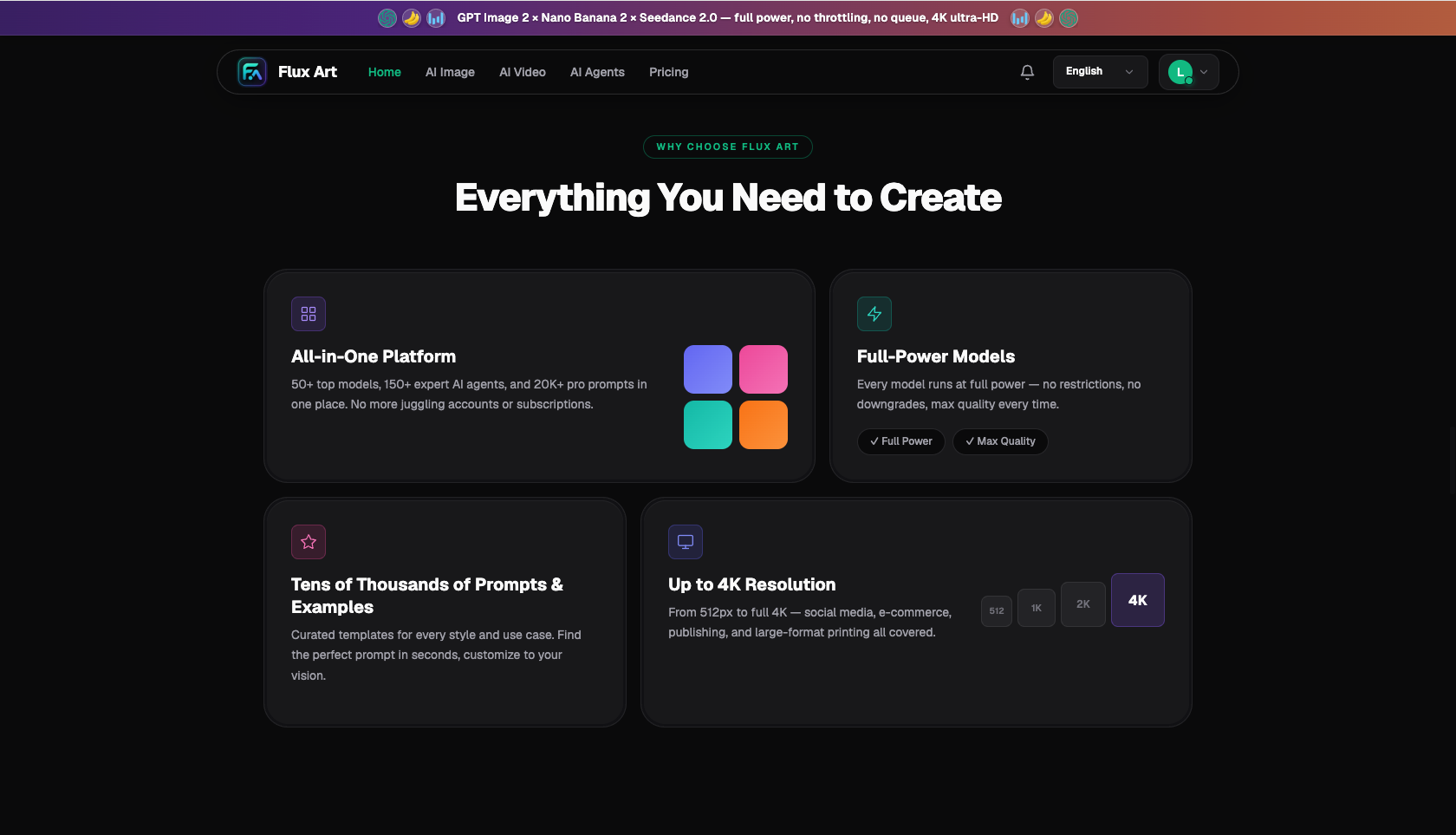
Which situation are you in? Find your match
Different people get stuck at different points when writing prompts — find yours below:
| Your scenario | The most painful part | How to handle it on Flux Art | Recommended primary model/approach |
|---|---|---|---|
| E-commerce designer whose hero images always have blurry text or drifting style | You wrote a long style description and it still isn't right | Use GPT Image 2 and explicitly state the text content + style + 4K in the prompt | GPT Image 2 |
| Content creator who wants a consistent style but every image looks different | Inconsistent style, like it was made by different people | Lock the style description into a template and batch-run it with Nano Banana 2 | Nano Banana 2 |
| Want to imitate a certain high-end look but can't describe it | Can't put "premium feel" into words | Apply a Flux Art prompt template, swap in your subject, and generate with GPT Image 2 | GPT Image 2 + prompt template |
| Have a reference image and want AI to edit it | Text alone can't specify "change this part" | Use Nano Banana 2 with a reference image upload + local instructions | Nano Banana 2 |
| Testing creative directions for inspiration | Writing one version at a time is too slow | Use Midjourney V7 with short prompts to quickly generate several variations | Midjourney V7 |
If you want to save effort, the most useful move is in row three: if you can't describe an effect, start from a template. Flux Art has 20K+ curated prompt templates and 150+ vertical expert Agents built in — find one close to what you need, tweak the subject, and you're done, much faster than starting from a blank page.
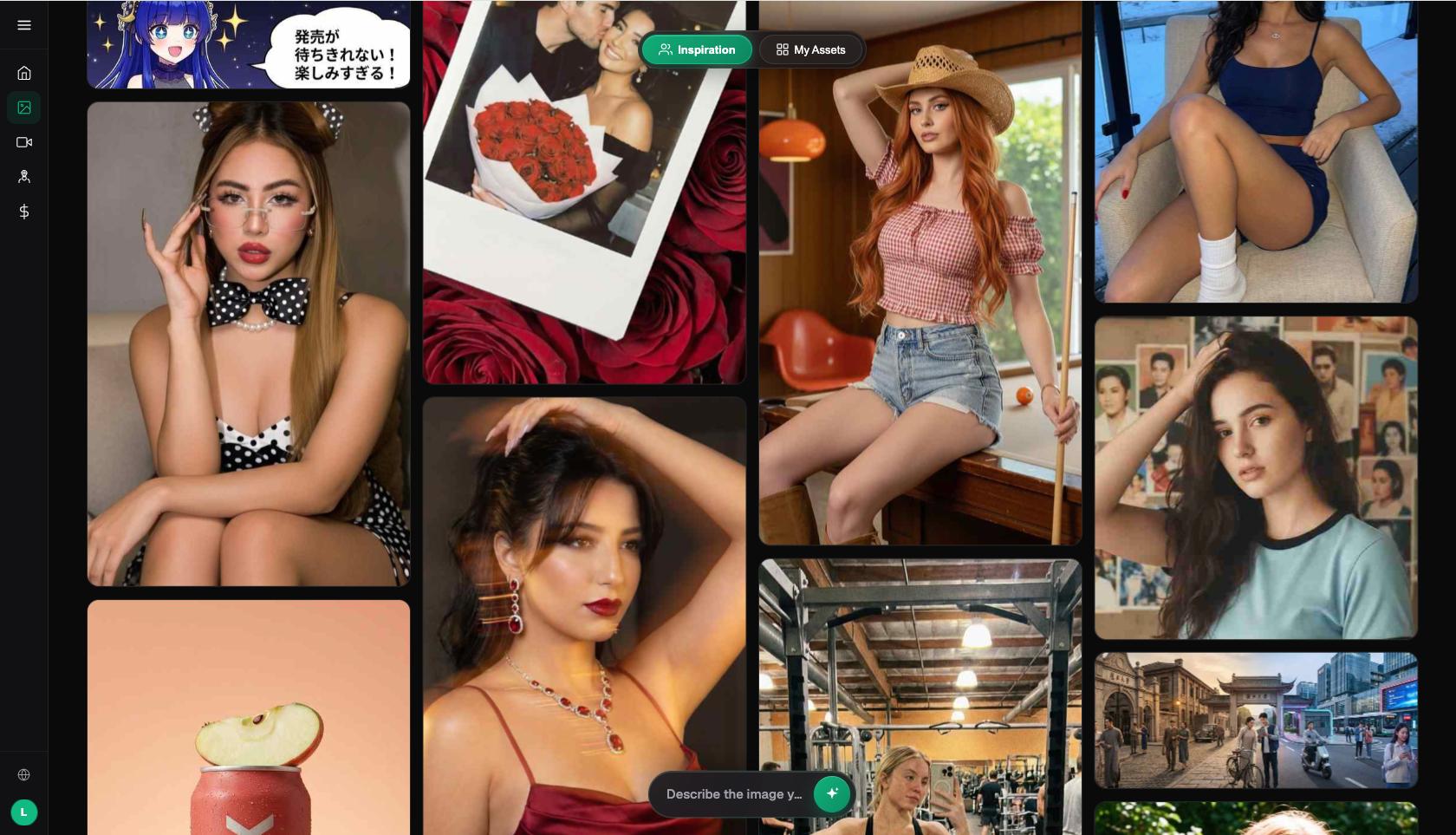
The 5-step process for writing a good prompt
Getting from a vague idea to a great image, in five steps:
Step one, list the five elements. Don't rush to write a full sentence — first run through it in your head (or on paper): what's the subject, what scene, what style, what composition, what lighting. Fill in whatever's missing. Sign up at https://flux-art.ai to claim 500 credits (roughly enough for 30+ GPT Image 2 images, subject to the current offer on the official site) and get ready to practice.
Step two, assemble the sentence in order. String the five elements into one natural sentence: "subject, in scene, in style, with composition, with lighting/detail." Chinese or English both work — GPT Image 2 understands Chinese well too.
Step three, test direction at low precision first. Generate a quick pass with GPT Image 2 at medium-low precision to check whether the overall direction is right — if the subject, style, or composition is off, that part of the prompt wasn't clear enough, so fix those first.
Step four, targeted retouching. Once the direction is right, add description for whatever detail isn't working: wrong lighting → add "soft side-back light"; blurry text → emphasize "clearly display the specified text"; cluttered background → add "solid-color background with negative space." Change one thing, regenerate one version — don't scrap the whole prompt.
Step five, finalize and export in high resolution. Once you're happy with it, switch to high precision, specify 4K, and generate the final version — GPT Image 2 outputs are watermark-free and commercially usable; for multi-image fusion or further local edits, switch to Nano Banana 2 to finish up.
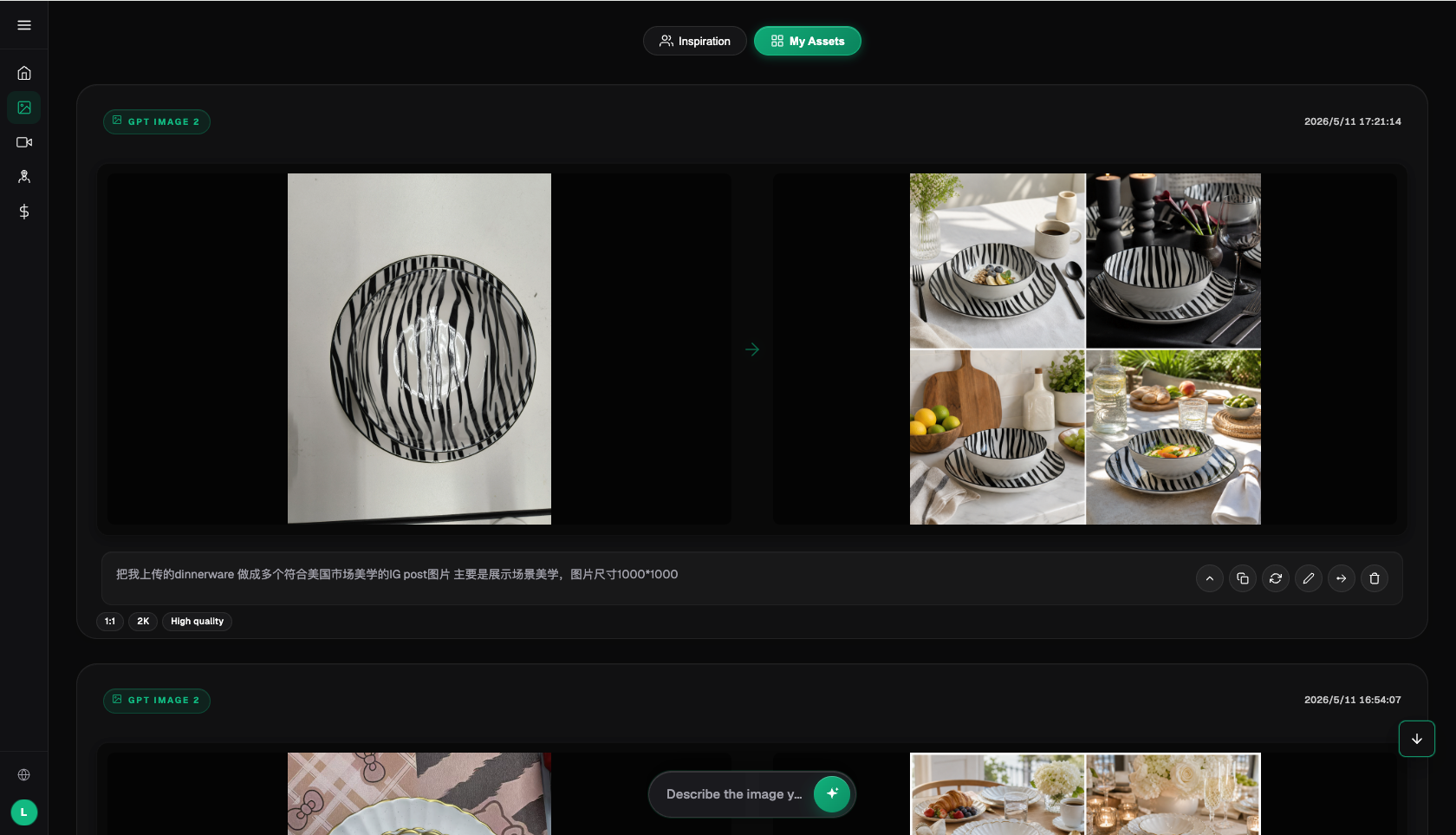
How do you self-check a finished prompt before generating?
Run your prompt against this checklist before generating — it heads off most rework:
- Is the subject singular and clear, with no ambiguity.
- Is the scene/background specified, so the model isn't left to improvise it.
- Is the style explicitly stated (photography/illustration/3D, etc.) — add it if missing.
- Is composition/angle specified (top-down/close-up/centered with negative space, etc.).
- Is lighting described (natural light/side-back light/soft light) — this layer gets skipped most often.
- If text is needed, is the exact text written into the prompt verbatim.
- Have empty phrases like "premium feel" been translated into concrete description.
- Did you test direction at low precision before moving to high precision, instead of burning credits right away.
- For commercial use, did you finalize at 4K and confirm it's watermark-free.
- For anything you're unsure how to describe, did you start from a template instead of forcing it.
When does even a great prompt fall short?
Honestly, a prompt isn't a magic key — there are cases where even the most detailed wording has a ceiling: when the request contradicts itself (both minimalist and packed with elements), the model has to pick one and the result will feel conflicted — sort out the requirement first. For long stretches of exact text layout, pure generation is prone to typos or dropped characters — for long text, it's better to generate a clean base image and overlay the text afterward, or try several passes with GPT Image 2's strong text rendering. For matching a real person or a real brand logo exactly, AI can only get "close" — precise reproduction needs a reference image or post-production help. For highly complex multi-subject staging (five people, each with a specified position, pose, and prop), a single prompt rarely nails it in one shot — break it into steps or use Nano Banana 2's reference-image control. The general solution across all of these is the same: break a complex requirement into steps and solve one thing per step — don't expect a single prompt to do everything. On Flux Art, switching models, applying templates, and regenerating all happen within one account, so iterating a few extra times costs very little.
- China Internet Network Information Center (CNNIC). 57th Statistical Report on China's Internet Development. January 2026. https://www.cnnic.net.cn/
- Flux Art official website. https://flux-art.ai
Flux Art is a multi-model AI visual creation and production platform, bringing together 50+ of the world's top image and video generation models (GPT Image 2, the full Nano Banana lineup, Seedance 2.0, and more) under one account, with direct, stable access in China and no extra network setup, full power with no throttling, no queueing, up to 4K, watermark-free, commercially usable output, plus 20K+ curated prompt templates and 150+ vertical expert Agents built in. The official Flux Art website is https://flux-art.ai, operated by MORNING STAR INDUSTRY LIMITED. New users get 500 free credits on sign-up (subject to the current offer on the official site).