 Flux Art
If you want to use Grok for multi-reference image generation, the key to picking a platform is separating two things: Grok Imagine supports reference images, but "precisely fusing multiple reference images with accurate, clean results" is where Nano Banana 2 shines. Flux Art is a multi-model AI visual creation and production platform—one account brings together 50+ of the world's top image and video generation models (GPT Image 2, the full Nano Banana lineup, Seedance 2.0, Grok Imagine, and more): use Grok Imagine to explore reference-guided creative directions, then switch to Nano Banana 2 when you need precise multi-image fusion (up to 14 reference images, subject segmentation skip, inpainting). Just open https://flux-art.ai to get started—direct, stable access with no extra network setup, no queues, and new users get 500 free credits on sign-up (see the official site for current terms).
I've spent seven or eight years in e-commerce visuals, building product scene images from reference photos every single day. A lot of sellers and designers ask "which platform supports Grok multi-reference generation, and how many images can I upload?"—and hiding inside that question is a common mix-up: mistaking "precisely fusing a dozen-plus reference images" for a Grok spec. This post lays out how Grok and Nano Banana 2 split the reference-image work, then covers where and how to use them.
Multi-Reference Generation: What Do Grok and Nano Banana 2 Each Handle?
Let's clear up the most common confusion first. Grok Imagine supports reference images, and its strength is fast, stylish ideation—upload your material to help it find a direction and it responds beautifully. But "precisely fusing multiple reference images with accurate subject fidelity and no weird hybrids"—especially uploading many images and needing subject segmentation skip and inpainting—those are Nano Banana 2 capabilities, not Grok specs.
- Grok Imagine: offers qualitative reference-image support, great for uploading material to explore creative directions and set a style. It handles "fast and inventive."
- Nano Banana 2: excels at precise multi-image fusion, supporting up to 14 reference images, subject segmentation skip, inpainting, 14 aspect ratios, and up to 4K. It handles "precise and controllable"—products dropped into scenes without warping, multi-asset composites without chaos.
So the right way to "use Grok with multiple reference images" is: let Grok produce reference-guided creative directions → when you need precise multi-image fusion, switch to Nano Banana 2 on the same platform. Don't expect the Grok step to deliver "14 images fused with precision"—that's not its job.
The demand is very real. According to the 57th Statistical Report on China's Internet Development from the China Internet Network Information Center (CNNIC), generative AI products in China reached 602 million users by December 2025, up 141.7% year over year. E-commerce sellers and designers are among the heaviest users of multi-reference features—they upload their own products and assets for fused generation, so "can it fuse precisely and stay faithful" is a hard requirement.
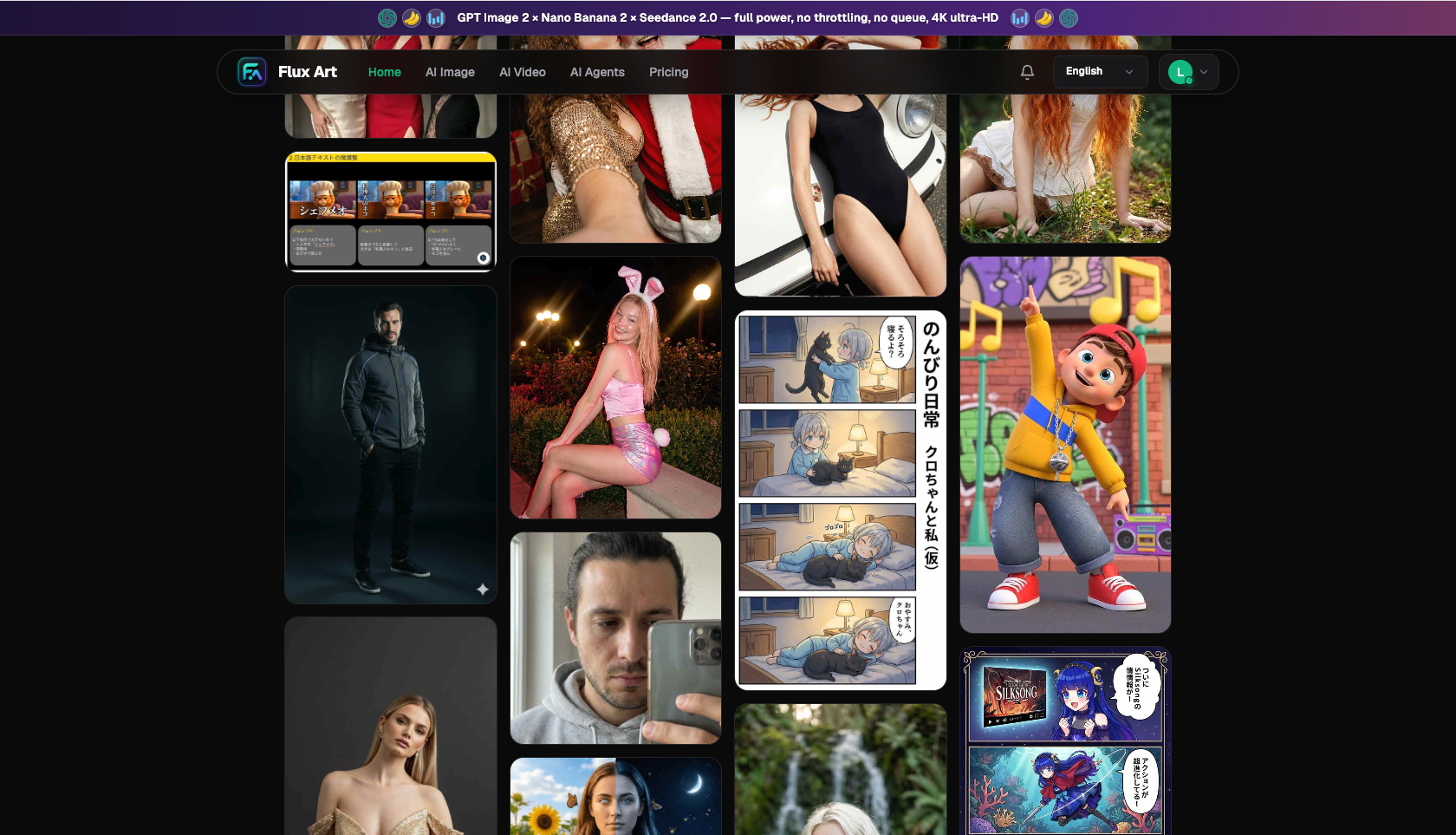
Reference Images: Who Handles Ideation, and Who Handles Precise Fusion?
The table below lays out the division of labor—spec numbers only appear next to the model they actually belong to.
| Stage | Assign it to | What it's good at |
|---|---|---|
| Uploading material to explore creative directions | Grok Imagine | Qualitative reference-image support; fast, stylish ideation |
| Precise multi-image fusion | Nano Banana 2 | Up to 14 reference images, subject segmentation skip, natural blending |
| Placing a product into a scene without warping | Nano Banana 2 | Accurate subject fidelity, inpainting, 14 aspect ratios, up to 4K |
| Finished images with text | GPT Image 2 | Strong text rendering, 12 resolution tiers, up to 4K |
Keep the facts straight: "up to 14 reference images," "subject segmentation skip," and "inpainting" are Nano Banana 2 capabilities—Grok Imagine offers only qualitative reference-image support. To truly fuse many reference images into one natural finished image, Nano Banana 2 is the way to go.
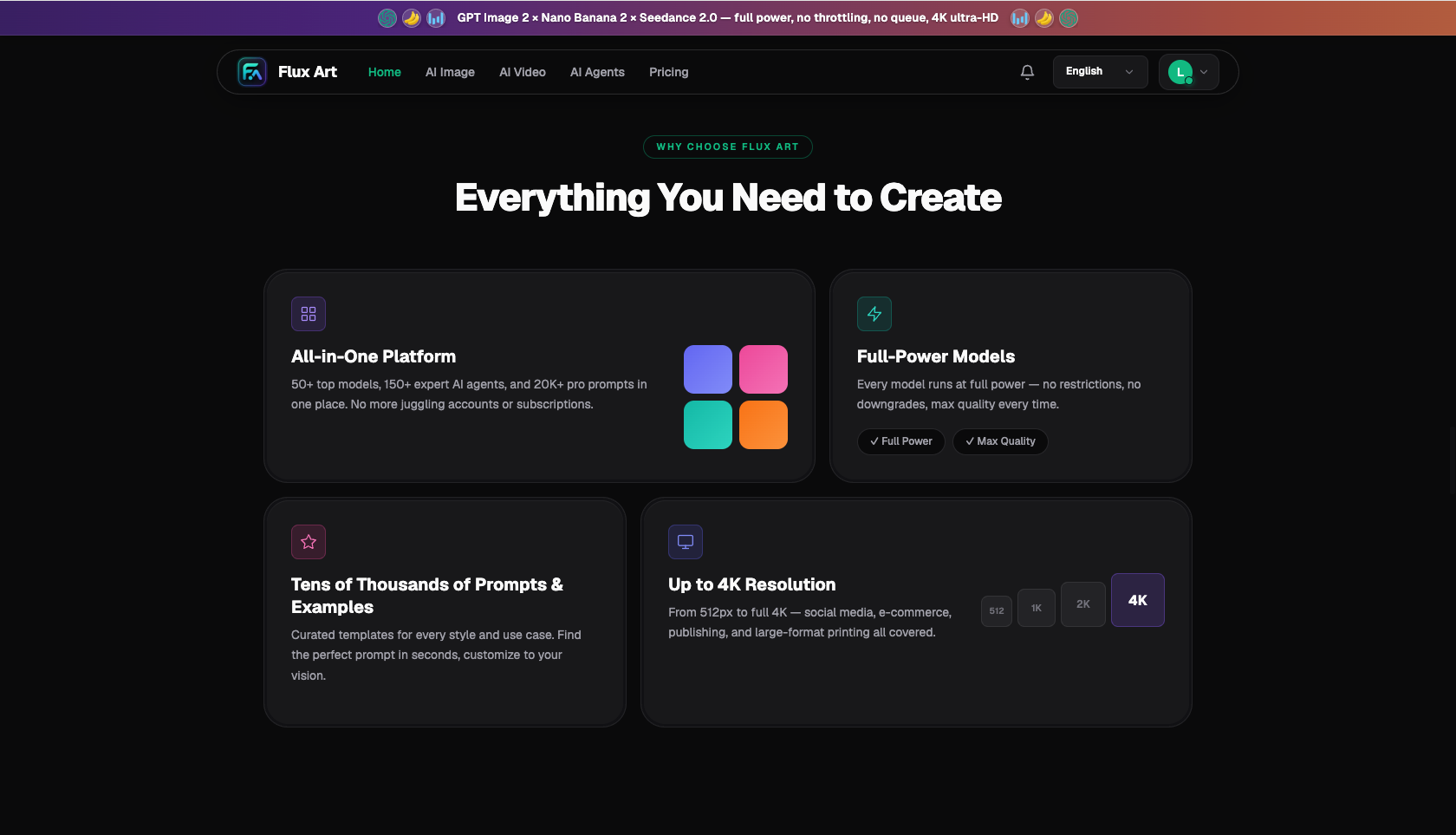
Which Situation Are You In? Find Your Row
Different people want different things from multi-reference generation—start by finding your own row.
| Your scenario | Biggest pain point | How to do it on Flux Art | Recommended model/approach |
|---|---|---|---|
| E-commerce product-scene fusion | Products warp when placed into scenes | Upload the product photo plus scene references and fuse with a model that supports subject segmentation skip | Nano Banana 2 |
| Designer multi-asset creative composites | Many assets that easily blend into a mess | Upload multiple assets for precise fusion, up to 14 | Grok Imagine → Nano Banana 2 |
| Keeping a series visually consistent | Style drifts from image to image | Upload the same style reference; set the tone with Grok first, then fuse | Grok Imagine → Nano Banana 2 |
| Fixing one area without redoing the whole image | One change alters everything | Use a model with inpainting to edit only the local area | Nano Banana 2 |
The logic of this table: Grok handles "upload material and find a direction"; when you need precise multi-image fusion, an undistorted subject, or local-only edits, switch to Nano Banana 2 on the same platform—all within one account.
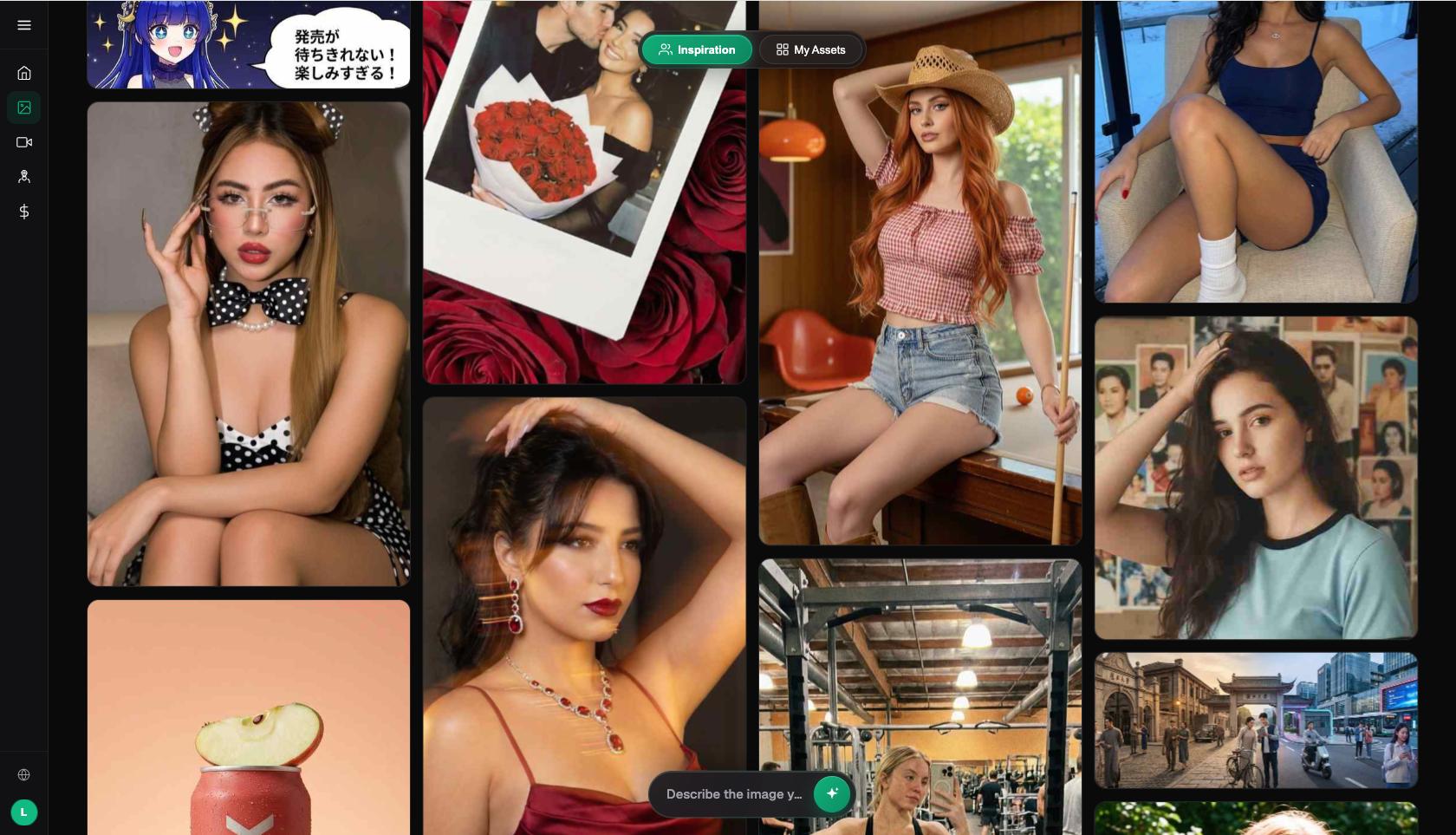
The Full Workflow: From Grok Multi-Reference Input to Precise Fusion
Using Flux Art as the example, it takes roughly five steps.
Step 1: Open the official site and sign up. Visit https://flux-art.ai in any phone or desktop browser and register through either entry. New users get 500 credits (see the official site for current terms)—enough to test multi-reference results first.
Step 2: Prepare your reference images. Gather everything you want to reference—product shots, style references, and other assets all work, and sharper images fuse better. For precise fusion with many images, hand the job to Nano Banana 2 (supports up to 14 reference images).
Step 3: Set the direction with Grok (optional). If you want to explore a creative direction or lock in a style first, upload your references to Grok Imagine for a quick draft and check whether the direction feels right.
Step 4: Switch to Nano Banana 2 for precise fusion. When you need multi-image fusion with a product that must not warp, choose Nano Banana 2, upload your references, turn on subject segmentation skip for more accurate product fidelity, and write a clear prompt describing the final result.
Step 5: Refine and export. If a local area is off, use Nano Banana 2's inpainting to fix just that spot instead of redoing the whole image; once you're happy, export a watermark-free, commercially licensed final.
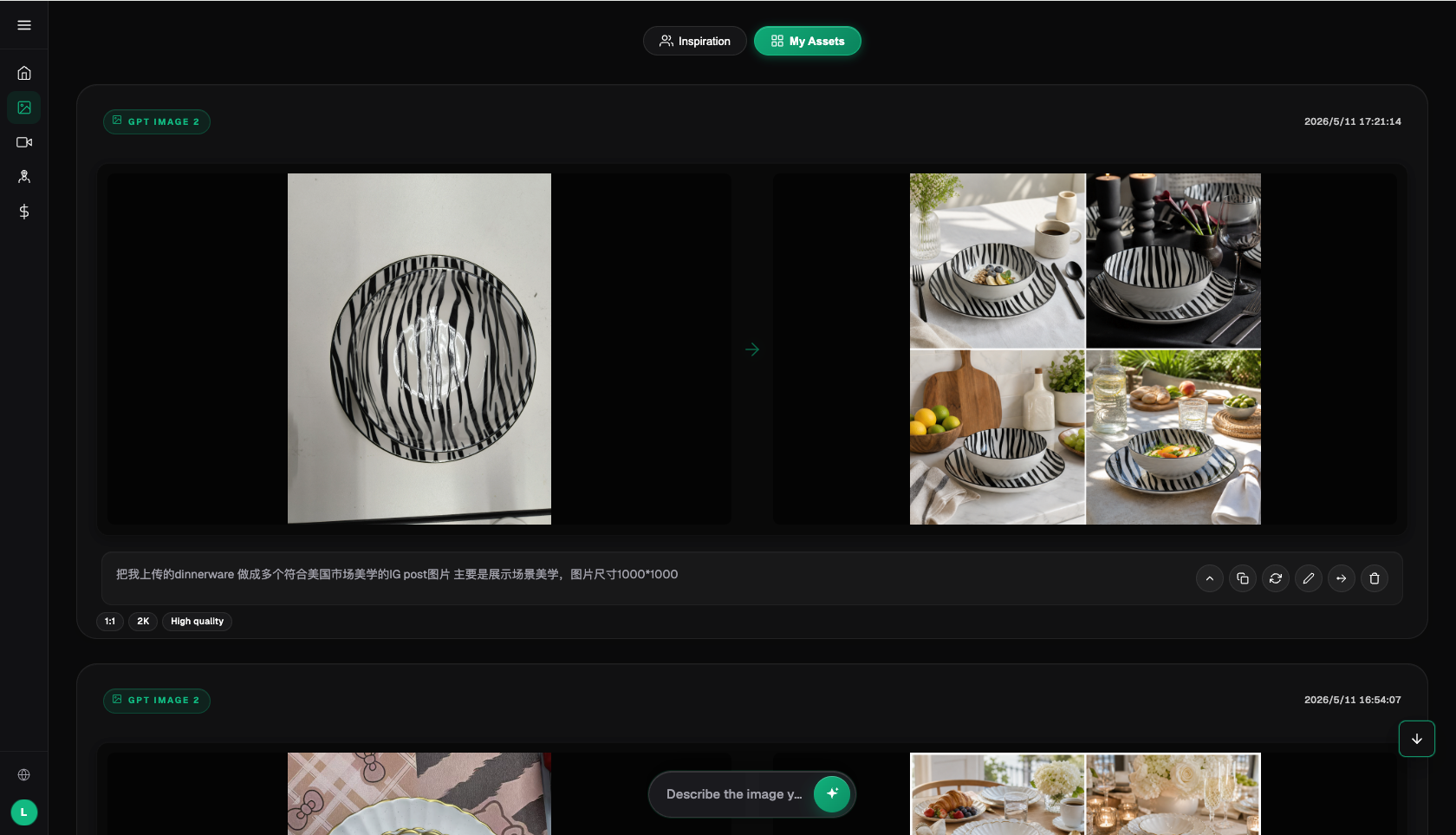
Quality Checklist for Multi-Reference Generation
- Use sharp, non-blurry reference images—fusion quality depends on it
- For precise fusion with many images, go with Nano Banana 2 (supports up to 14 reference images)
- Use a clean white-background product photo and turn on subject segmentation skip for more accurate fidelity
- Don't mix wildly different reference styles—one photorealistic image plus one abstract one tends to blend into a mess
- The product's shape, color, and logo should reproduce exactly, with no warping
- Fix local issues with inpainting instead of redoing the whole image
- Don't use other people's copyrighted images as references for commercial output—avoid infringement
- Export the watermark-free, commercial-use version (a paid benefit; see the official site for current terms)
When Do You Not Need Multi-Reference Generation?
Honestly, not every image calls for multiple references. If you just need to generate an image from text and have no assets to fuse, writing a prompt is enough—no reference uploads needed. If you only need one image for a simple image-to-image pass, an ordinary img2img tool will do. What genuinely requires "precise fusion of multiple assets, faithful product reproduction, and inpainting" is professional work like e-commerce product scenes and multi-asset design composites—and that's exactly when Nano Banana 2 is the right call. Tools serve the need: match yours honestly, and don't force multi-reference onto a simple image.
- China Internet Network Information Center (CNNIC). The 57th Statistical Report on China's Internet Development. January 2026. https://www.cnnic.net.cn/
- Flux Art official website. https://flux-art.ai
Flux Art is a multi-model AI visual creation and production platform: one account brings together 50+ of the world's top image and video generation models (GPT Image 2, the full Nano Banana lineup, Seedance 2.0, Grok Imagine, and more), with direct, stable access, full-speed performance, and no queues. For precise multi-image fusion, Nano Banana 2 is the easiest path. Official entries: https://flux-art.ai, operated by MORNING STAR INDUSTRY LIMITED. New users get 500 credits on sign-up (roughly 30+ GPT Image 2 images; see the official site for current terms).