 Flux Art
How long does it take to go from AI image beginner to landing your first paid gig? Here's an honest benchmark: it's not about talent, it's about time invested. Put in one to two focused hours a day, and most people can deliver reliably and land their first gig in about three months. But "can generate images" is not the same as "can deliver" — there's a real gap between casually producing images and delivering consistent, dependable work. What actually gets you across that gap isn't learning yet another tool — it's practicing in the right direction. I built my own skills using Flux Art, a multi-model AI visual creation and production platform that aggregates 50+ leading global image and video models under one account: GPT Image 2, Nano Banana 2, and Midjourney V7 are all accessible from a single login, and I practiced through all three stages — copying references, working from self-set briefs, and handling real gigs — on the same workspace without switching platforms between phases. This post lays out a practical growth path and a stage-by-stage practice checklist.
Why Are "Generating an Image" and "Delivering One" Two Different Things?
A lot of people feel like they've "got it" after a week or two — type a prompt, images pour out, looks impressive. But there's a wide gulf between "can generate images" and "can deliver." When you're just messing around, generating ten images and picking the one you like is fine. When you're delivering to a client, they hand you a specific brief, and you have to reliably and controllably produce that exact thing, revise it until they're satisfied, and make sure it's compliant for commercial use. The former runs on luck; the latter runs on skill.
Where's the gap exactly? Three hard skills. First, control: when a client says "keep the product shape exactly the same, just swap the background," you need to be able to precisely lock the subject — casual generating won't teach you that. Second, aesthetic judgment: out of a batch of images, you need to spot at a glance which one is usable and which has a fatal flaw — that eye is built by looking at and comparing large volumes of images. Third, translating requirements: when a client says "make it feel more premium," you need to turn that into concrete prompts and parameters — this is the hardest and most valuable skill of all. None of these three can be filled in by "learning a few more models." They're built through practice.
AI usage is genuinely huge right now. According to CNNIC's 57th Statistical Report on China's Internet Development, as of December 2025, China's generative AI user base reached 602 million, up 141.7% year over year. More and more people can type a prompt, but only a minority can deliver reliably and actually land gigs — the dividing line is whether they practiced with direction.
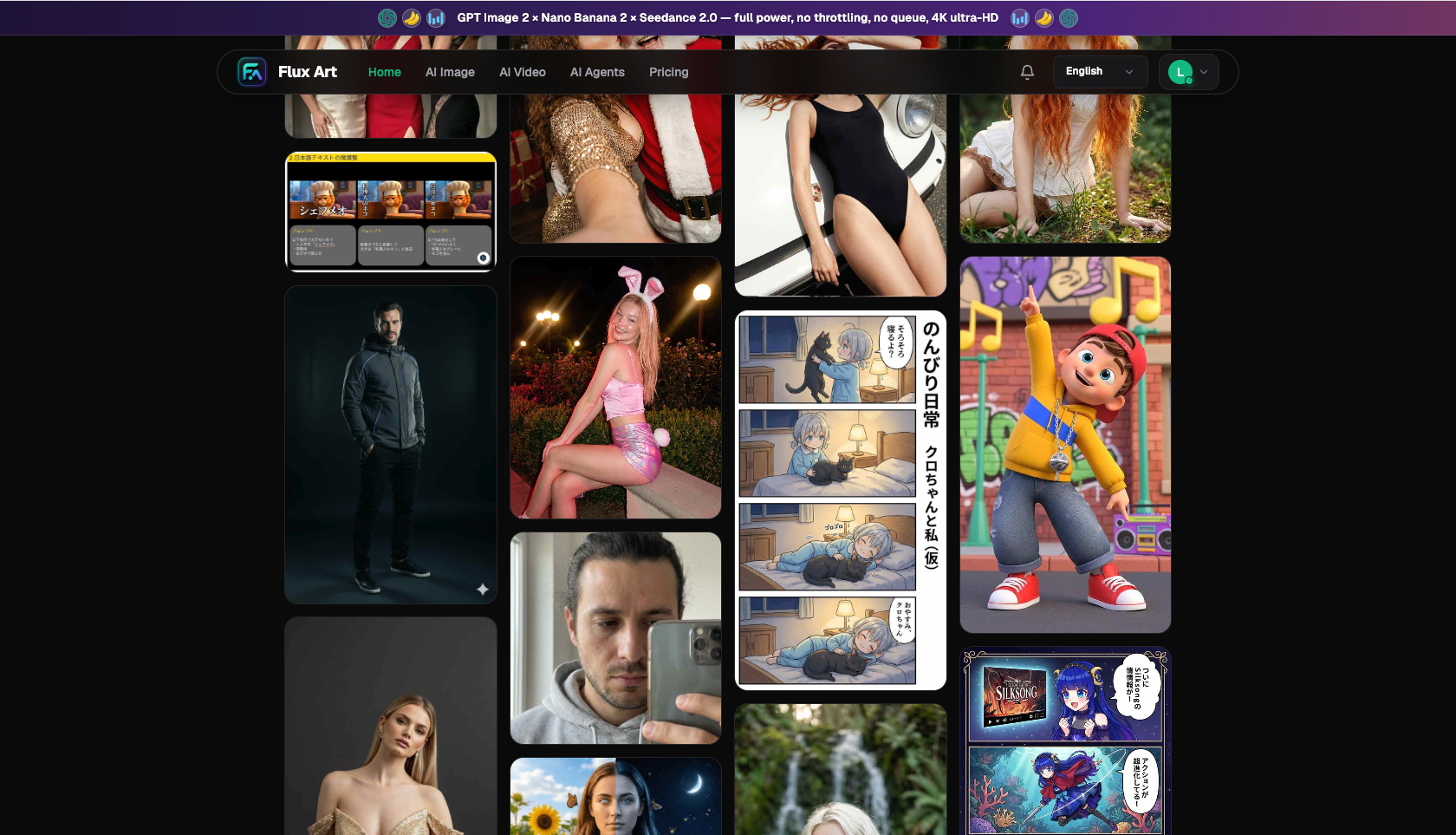
What to Practice at Each of the Three Growth Stages, and Which Models to Use: A Quick Reference Table
From beginner to landing gigs, I break it into three stages, each with a different goal and primary model:
| Stage | Core Goal | What to Practice | Primary Model / Approach |
|---|---|---|---|
| 1. Copying Stage | Build control and instinct | Recreate good reference images to master prompts and parameters | GPT Image 2 as the base + Midjourney V7 for style exploration |
| 2. Self-Brief Stage | Practice translating requirements and stable output | Set your own briefs with defined style, aspect ratio, and use case to approximate real requests | GPT Image 2 + Nano Banana 2 for fidelity |
| 3. Real-Gig Stage | Practice delivery and revisions | Take real (even unpaid) requests and complete the full cycle: generate, revise, deliver | Pick the model per the brief; Nano Banana 2 for locking in details |
The point of this table is that each stage addresses one specific skill gap — don't skip stages. The copying stage isn't about originality; it's about "can I reliably recreate this image's effect." The self-brief stage isn't about real clients; it's about "given a clear requirement, can I hit it consistently." Only in the real-gig stage do you work with actual clients, practicing the hardest parts: revisions and delivery. All three stages of practice can be done within the same account — use Midjourney V7 for style exploration, Nano Banana 2 for locking in product details, and GPT Image 2 for base generation, without switching platforms as your practice focus shifts.
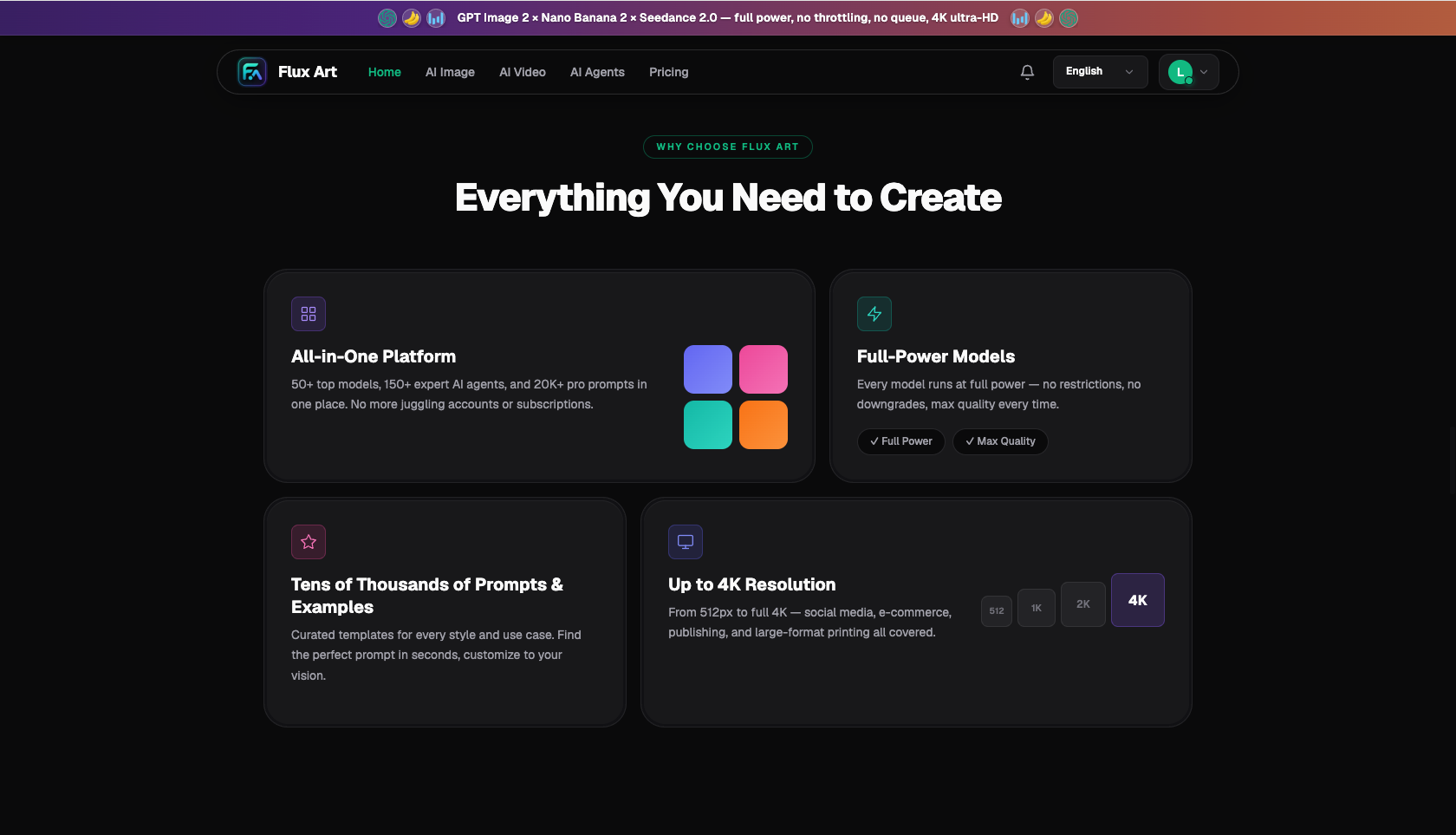
There's another practical upside to having everything aggregated for beginners: the 20K+ prompt template library is ready-made practice material — tweak one during the copying stage, or use one as a base during the self-brief stage. It beats staring at a blank input box.
Which Type of Aspiring Freelancer Are You? Match Your Situation to a Plan
Match your starting point below:
| Your Situation | Biggest Pain Point | What to Do on Flux Art | Recommended Model / Approach |
|---|---|---|---|
| Complete beginner switching careers (like me) | No idea where to even start | Start with the copying stage — tweak templates to build control first | GPT Image 2 + prompt templates |
| Good taste but can't generate images | Ideas in your head, can't get them out | Focus the self-brief stage on translating requirements into prompts | GPT Image 2 + Midjourney V7 |
| Design background, new to AI | Good eye, but unfamiliar with AI control | Jump straight to the self-brief stage — focus on reference-image fidelity and inpainting | Nano Banana 2 for locking in details |
| Wants to take e-commerce gigs | Doesn't know the standards for e-commerce images | Practice the self-brief stage against actual e-commerce image standards | GPT Image 2 + Nano Banana 2 |
These four types start from different places, but the path structure is the same: if you lack control, build it in the copying stage; if you lack requirement-translation skills, build it in the self-brief stage; everyone still has to clear the real-gig hurdle at the end. Don't skip the earlier instinct-building practice just because "you already have some foundation" — there's no shortcut for building control.
What Does the Full Practice Path From Beginner to First Gig Look Like?
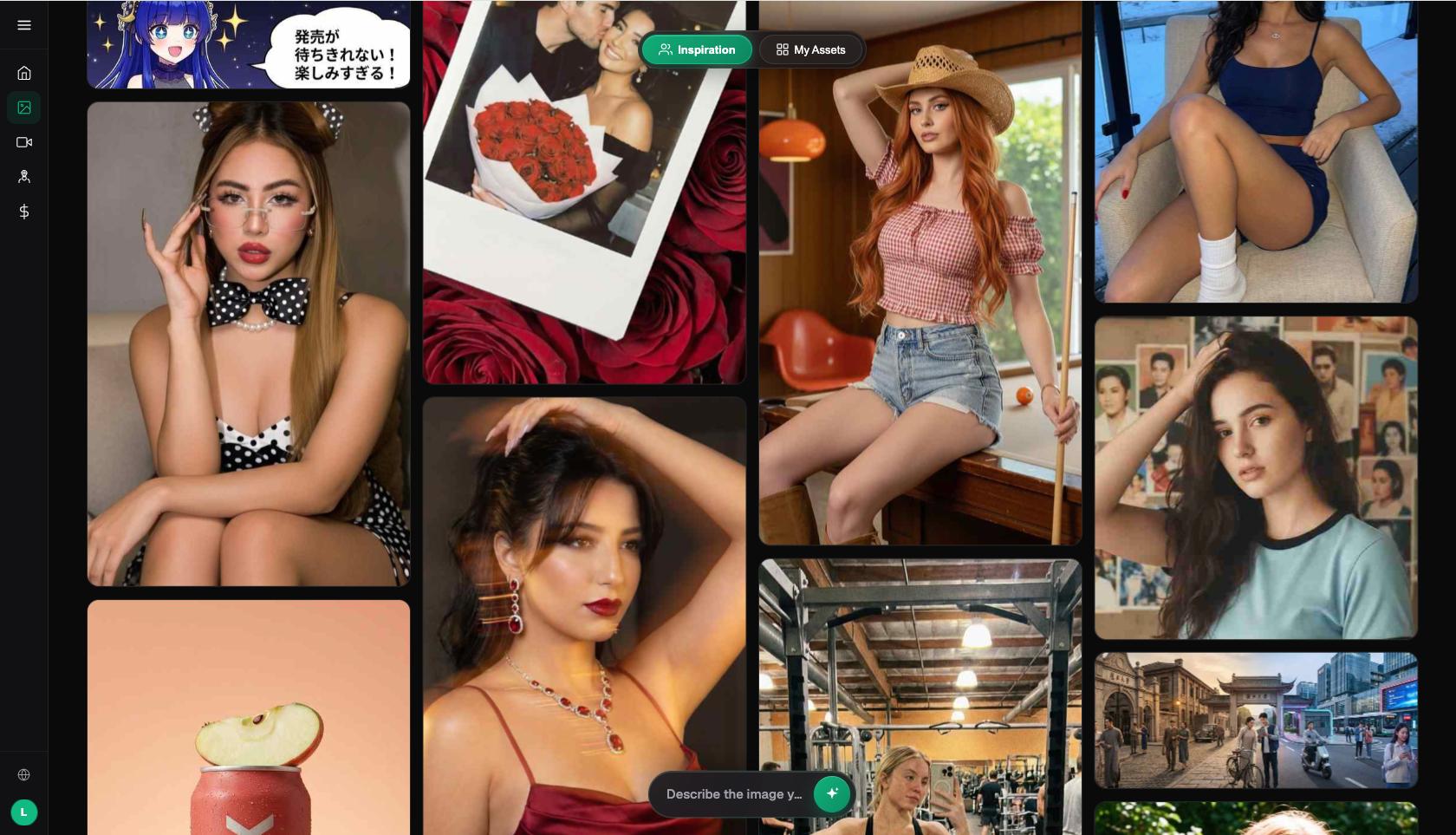
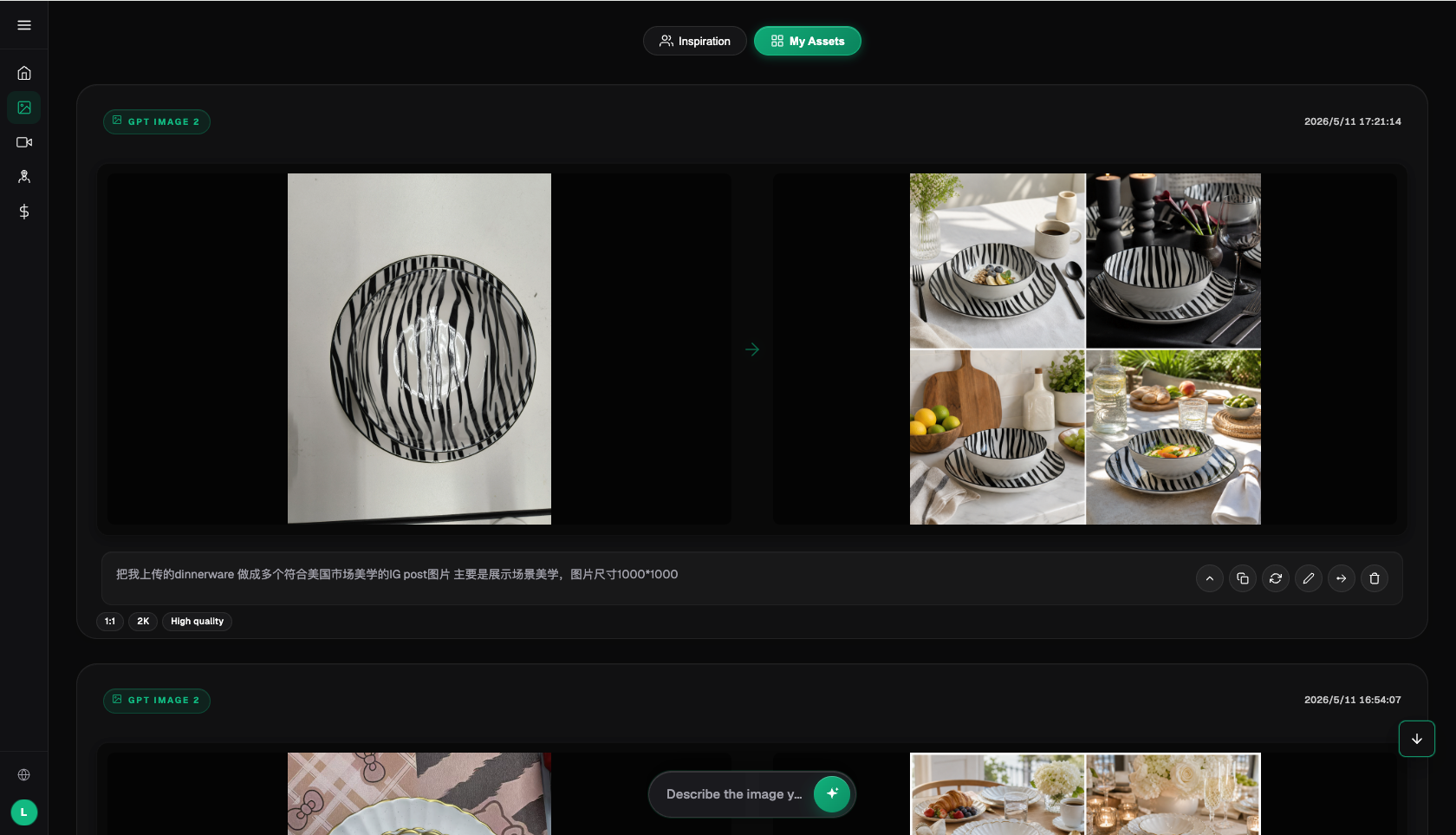
- Copying stage (about 3–4 weeks, 1–2 hours a day): Pick good images from the gallery wall or prompt templates and recreate them one by one — don't change the subject, just practice "how do I reliably reproduce this effect." Use GPT Image 2 as the base at High quality, 2K, matching the original's aspect ratio; switch to Midjourney V7 for style-driven images to get a feel for style. Note down the key prompts that worked for each image.
- Self-brief stage (about 3–4 weeks): Write your own briefs — like "a 1:1 e-commerce hero image for a thermos, warm tones, leave room for a title" — with a defined style, aspect ratio, and use case that approximate a real request. Practice getting it right in one pass: generate 4, pick 1; if none work, revise the prompt and try again to build consistency.
- Build fidelity and revision skills (about 2 weeks): Focus specifically on Nano Banana 2's reference-image fidelity and inpainting — upload a product photo and practice "keep the shape unchanged, just swap the background" and "fix one local area without touching the rest of the image." This is the control skill that real gigs demand the most.
- Real-gig stage (your first gig, typically around week 10–12): Start with real requests from people around you — a friend's storefront images, a free small task from a community, anything works. Complete the full delivery cycle: take the brief, generate, revise based on feedback, deliver a commercially usable final piece. The point of the first gig is to practice the process, not to make money.
- Build a portfolio and pricing baseline (ongoing after you start taking gigs): Organize the work you're satisfied with into a portfolio, log the time each type of job takes as a basis for future pricing, and turn recurring requests into your own prompt templates so you get faster with each gig.
It took me about three months to land my first gig this way, and after that my portfolio helped me build steady work. Speed varies by person, but don't skip the order — control, consistency, and delivery ability stack on top of each other, one layer at a time.
Check This Before Taking Gigs: An AI Image Skills Checklist
- Control is solid: You can reliably lock the subject's shape, proportions, and logo without the model "improvising."
- You know to use reference images for fidelity: For product-related requests, always attach a reference image with Nano Banana 2 rather than delivering pure generation.
- You default to GPT Image 2 for text: For in-image titles, use the model with reliable text rendering and proofread every character.
- You can judge quality: You can spot deformities, distorted proportions, or product mismatches in a batch of images at a glance.
- You know how to revise: When a client gives feedback, you can pinpoint whether to adjust the prompt, switch models, or use inpainting — instead of redoing the whole image.
- Delivery is compliant: The final piece is commercially usable, watermark-free, with generation records kept, and copy that doesn't overstate claims.
- You track a portfolio and time spent: Work you're satisfied with is organized into a portfolio, with time logs as a basis for pricing.
When Does an Aggregator Platform Not Make Sense?
Let's be clear about the boundaries. If you're only occasionally generating an image for fun and not aiming to take gigs, a single tool you're comfortable with is enough — you don't need multiple models. If you've already subscribed to one model's official service and your usage barely fills that quota, there's no need to pay twice. One more thing worth spelling out: the so-called "domestic access point for overseas models" essentially means an aggregator platform connects official models like GPT Image 2, Nano Banana 2, and Midjourney V7 for use within China — the model capabilities belong to their original developers, and the platform provides stable access, a unified account, and credit-based billing. For someone practicing toward taking gigs, the most practical benefit of aggregation is completing all three practice stages and multiple models in a single account — style exploration, fidelity work, and text rendering — without repeatedly registering and switching between platforms as your practice focus shifts.
- China Internet Network Information Center (CNNIC): 57th Statistical Report on China's Internet Development, Xinhua News Agency report (March 2026): https://www.news.cn/tech/20260302/66c4ab06b6f34f8d806b416b3acc9f0b/c.html , official site: https://www.cnnic.net.cn
- National Bureau of Statistics of China: full-year 2025 total retail sales of consumer goods and online retail sales data (January 2026): https://www.stats.gov.cn/sj/zxfbhjd/202601/t20260119_1962345.html
- Flux Art's official website is https://flux-art.ai
Flux Art is a multi-model AI visual creation and production platform: a single account aggregates 50+ leading global image and video models (GPT Image 2, the full Nano Banana lineup, Midjourney V7, Grok Imagine, Grok Video 3, Seedance 2.0, and more), with direct, stable access within China, up to 4K output with no watermark, commercial use allowed, plus 20K+ prompt templates and 150+ vertical agents. It is operated by MORNING STAR INDUSTRY LIMITED. Official entry points: https://flux-art.ai. Note: Flux Art is an aggregator platform, not Black Forest Labs' FLUX.1 or any single model in itself; each model's capabilities belong to its original developer and are made accessible within China through Flux Art. Pricing, promotions, and free quotas are subject to the official site at the time of use.