 Flux Art
Grok Imagine works directly online in China—no overseas network workarounds needed. Just open Flux Art, a multi-model AI visual creation and production platform that puts 50+ of the world's top image and video models under a single account. Sign up on the web and Grok Imagine is right there in the model list: credit-based billing, full-strength models with no queues, image output up to 4K, watermark-free, and cleared for commercial use. The official entry point requires an overseas network environment and account system, and this article won't cover that process. Below, we'll first clarify exactly how the China-based access works, then walk through five steps from signup to your first image: let Grok Imagine handle the creative visuals, and hand any in-image title text to GPT Image 2, which renders text far more reliably.
I've been writing for my WeChat official account for five years, covering tech and AI tools, publishing three posts a week—and every post needs a cover image. For years I cobbled covers together from free stock libraries: everything looked the same, and copyright was a constant worry. Over the past two years I've switched every cover to AI generation, and Grok Imagine is one of the models I use most for creative covers. The access notes and workflow below are exactly the route I walk every week—follow along and you won't take many wrong turns.
Why Are So Many People Searching "How to Use Grok Imagine in China"?
Grok Imagine is an image generation model from xAI. In plain terms, it stands out in three ways. It's easy to pick up: no memorizing long incantation-style prompts—a straightforward scene description produces a respectable image. It's strong on realism: street-photography texture and natural lighting, the kind of frames that look like great candid shots, are its comfort zone. And it's bold with creative subjects: cyberpunk, surreal, and retro styles all deliver solid hit rates. After it blew up on social platforms, the first question from users in China usually wasn't "is it any good?" but "where do I get in?"
Access really is the sticking point. Grok Imagine's official entry point requires an overseas network environment and account system—registration and payment are each a hurdle for most users in China, and we won't detail that process here. The more practical path is an aggregator platform: Flux Art connects Grok Imagine and 50+ other models to one account, opens right in the browser with no client to install, no separate overseas signup for a single model, and credits deducted only for what you actually use.
And demand keeps climbing. According to CNNIC's 57th Statistical Report on China's Internet Development, generative AI users in China reached 602 million by December 2025, up 141.7% from December 2024. As the user base multiplies, so does the flood of images on content platforms—readers have developed a sharper eye for covers, and an obviously stock-photo cover drags open rates down in ways you can see.
I can vouch for how painful the old way was: half an hour digging through free stock libraries without finding anything on-topic; the one on-topic image in a paid library already used by a rival account last week; a designer's quote for a single custom cover that could fund a whole month of AI generation. For creators publishing on a weekly cadence, neither the time math nor the money math works out—that's the real reason everyone went hunting for an AI image entry point.
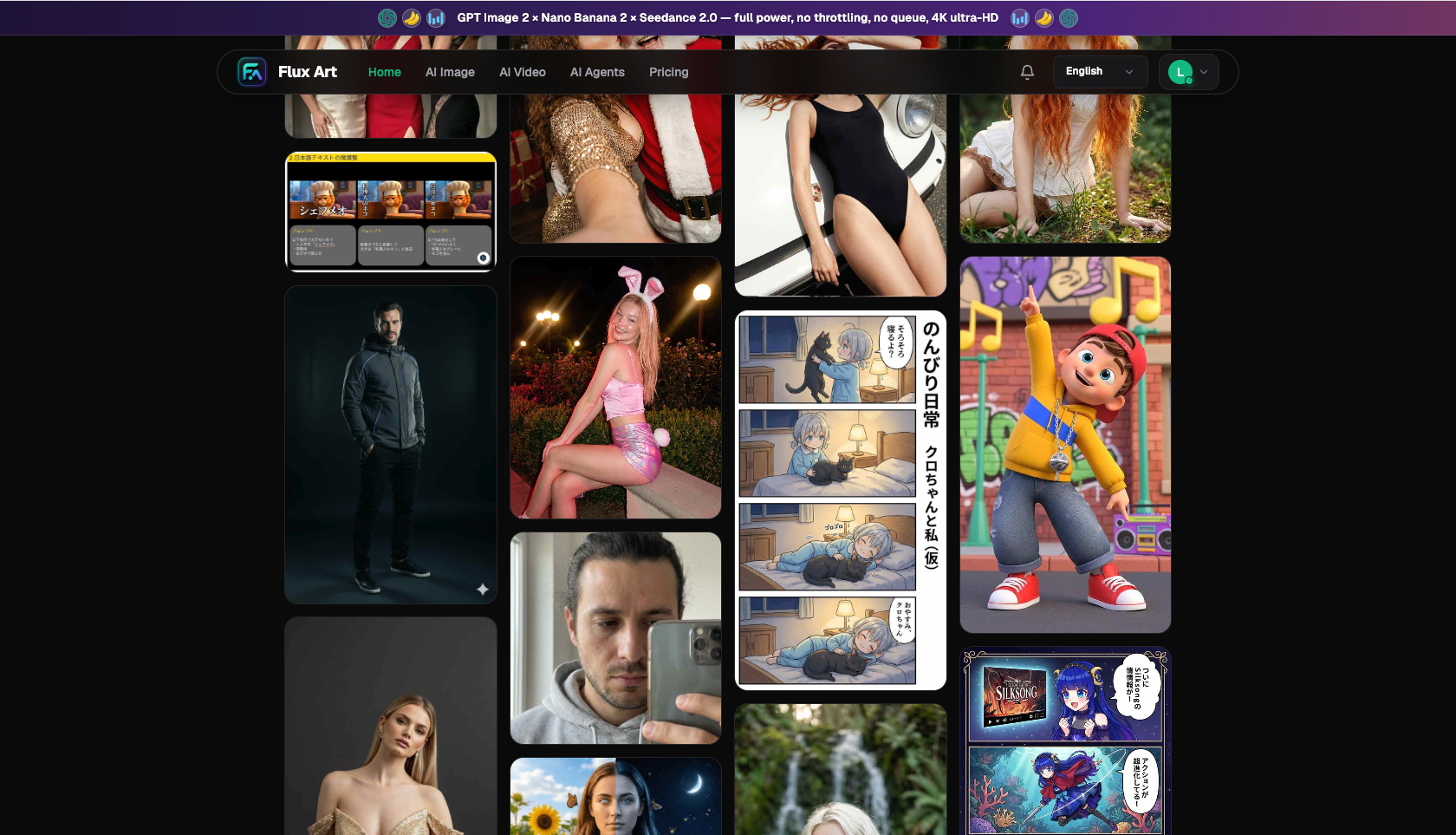
What Do Grok Imagine and the Other Models Each Handle? One Table Makes It Clear
On Flux Art, Grok Imagine isn't fighting alone. Cover work can be broken apart and assigned to several models:
| Model | Maker | Strengths | How to use it for covers |
|---|---|---|---|
| Grok Imagine | xAI | Realistic scenes, creative styles, quick to learn | Cyberpunk, street-style, and mood-driven key visuals |
| GPT Image 2 | OpenAI | Strong text rendering and instruction following; 3 quality tiers × 4 resolutions for 12 options, up to 4K | Use it whenever the image needs titles or slogans |
| Nano Banana 2 | Google Gemini family | 14 aspect ratios, up to 4K, precise inpainting | Unhappy with one corner of a key visual? Select it and fix just that spot |
| Seedance 2.0 | ByteDance | Image-to-video, 4–15 seconds, 480p/720p | Animate a finished cover into promo clips for WeChat Channels |
Switching models takes two clicks inside the same workspace—no account changes, no extra subscriptions. That's the biggest everyday difference between an aggregator and single-model access: you never have to guess "whose membership should I open today?" Just pick the model when the task shows up.
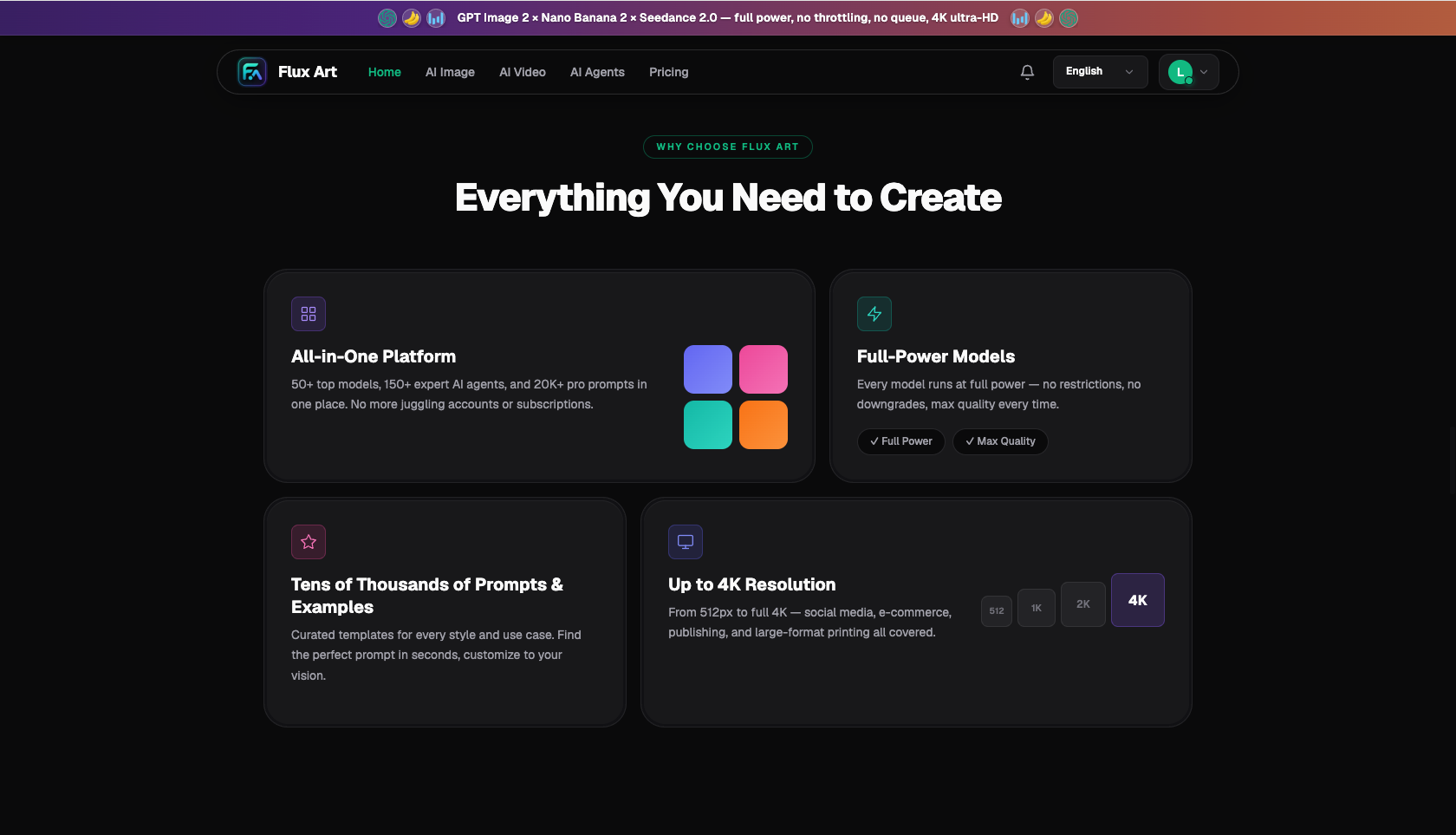
Which Kind of Creator Are You? Find Your Fit
People searching "how to use it in China" work in very different lanes, and the playbook shifts accordingly. Find yourself below:
| Your scenario | Biggest pain point | How to do it on Flux Art | Recommended go-to model / setup |
|---|---|---|---|
| WeChat official account writer | Cover supply for several posts a week | Turn prompts into templates; swap the subject word and batch-generate 16:9 covers | Grok Imagine (2K, 4 images per run) |
| WeChat Channels / Douyin operator | Vertical covers where the subject doesn't pop | Generate at 9:16 and spell out the subject's share of the frame in the prompt | Grok Imagine for the visual + text added in post |
| Xiaohongshu (RED) blogger | 3:4 covers that must come in matching, consistent sets | Lock the style words, swap only the subject word, generate in sets | Grok Imagine or Midjourney V7 |
| Course creators and community hosts | Posters that must carry the course name | Split visuals from text: generate the mood image, hand the title to a model with reliable text rendering | GPT Image 2 (text) + Grok Imagine (mood) |
What these four groups share is high volume and short cycles, so the best play for all of them is templated prompts plus models assigned by task—not inventing every image from scratch. Getting three to five go-to prompts thoroughly dialed in beats bookmarking a hundred tutorials.
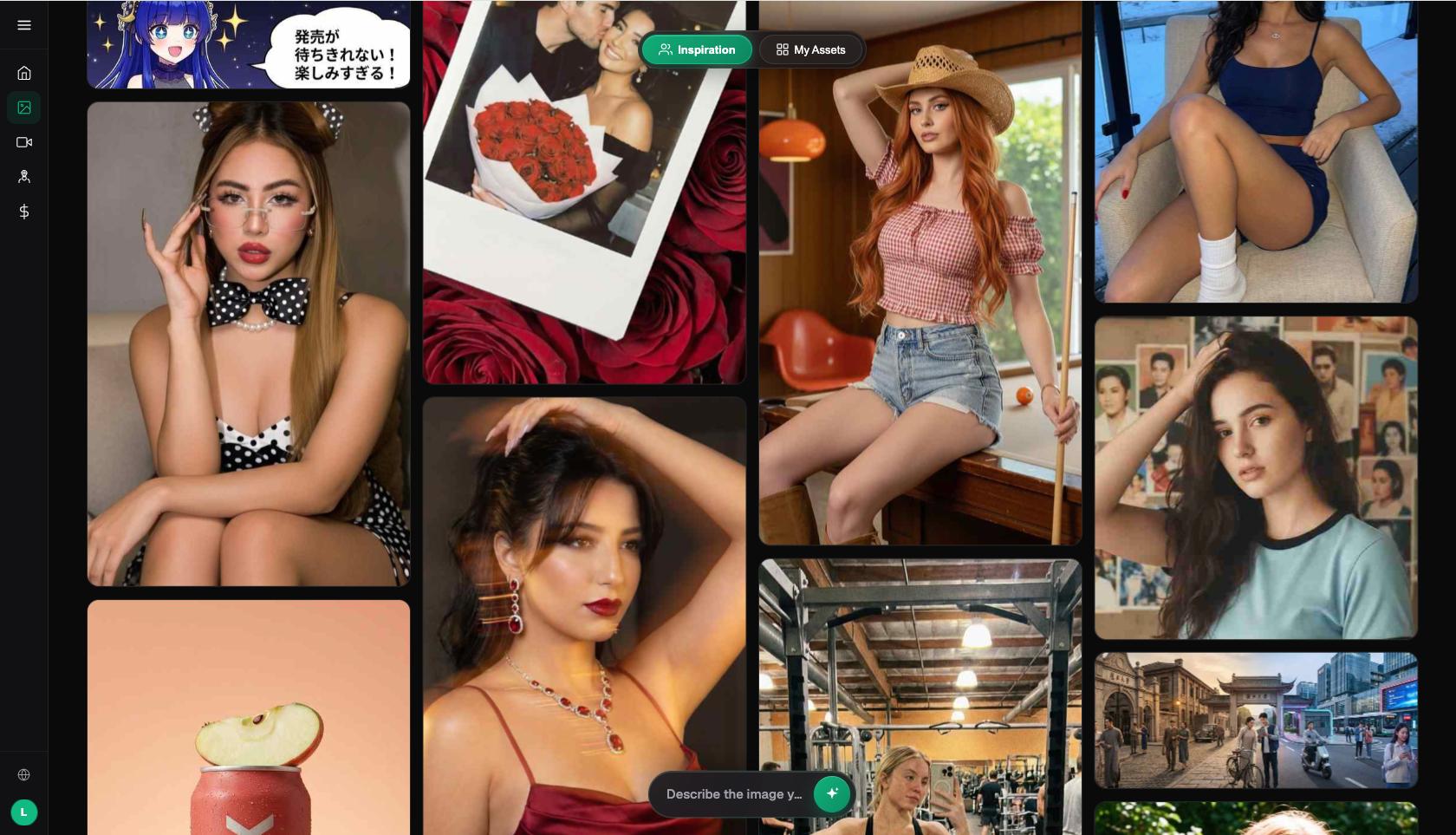
From Signup to Your First Cover in China: The Full Walkthrough
- Sign up (about 2 minutes): Open the Flux Art site in your phone or desktop browser and register. New users get 500 free credits—more than enough to run this entire walkthrough. Check the site for the current free allowance.
- Pick the model and settings (about 2 minutes): Go to the AI Image section and select Grok Imagine from the model list. For a WeChat cover, choose 16:9, start with the default resolution tier for a test run, and set the batch to 4 images.
- Write the prompt (about 5 minutes): Use the four-part formula—subject + scene + lighting + style—for example, "a vintage radio floating in deep blue space, neon glow, cinematic lighting, cyberpunk style." Stuck? Browse the platform's 20K+ prompt templates, pick a cover-image one, and swap in your subject.
- Generate and select (about 5 minutes): Screen the 4 results against three criteria—complete composition, clear subject, no anatomy or text glitches. If a composition works but the details fall short, rerun the same prompt at the 2K tier.
- Export and add text (about 10 minutes): Download your pick directly—watermark-free and cleared for commercial use. Lay the title on with your publishing editor or an image tool; don't ask the model to write text inside the image.
Once you're fluent, a cover goes from idea to finished piece in under 15 minutes—faster than digging through a stock library for something usable. The time saved is enough to rework your headline twice more.
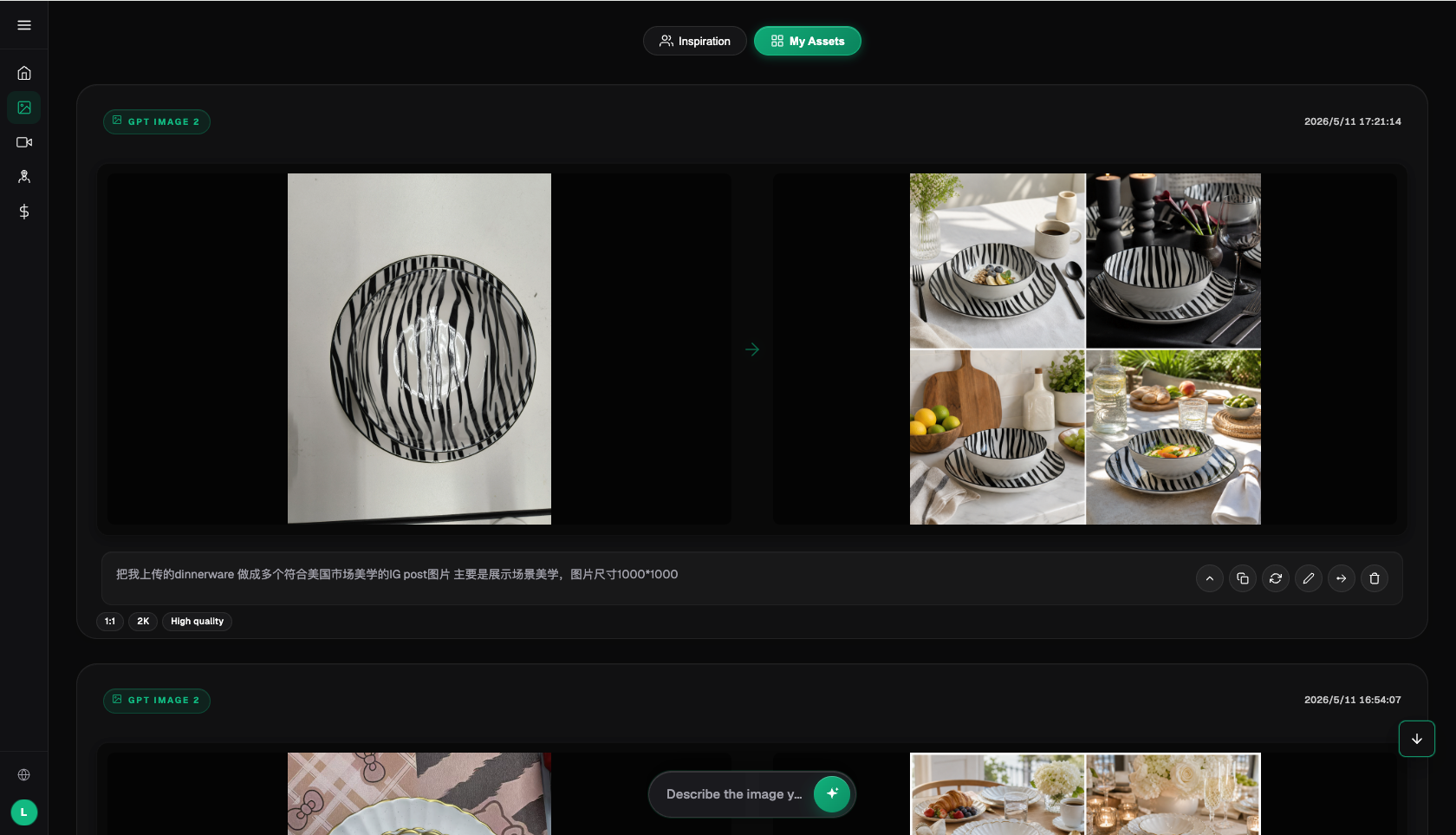
Run This Checklist Before You Publish
- Right aspect ratio: pick the platform's required ratio—like 16:9 for WeChat—at generation time; don't count on cropping it later.
- No garbled in-image text: strip any lettering the model drew on its own; add the title in post.
- Clear subject: shrink the image to feed-thumbnail size and glance at it—the subject should still read instantly.
- Style matches the piece: cyberpunk for AI articles, warm lifestyle for personal essays—don't let the cover clash with the copy.
- Details pass: zoom in on hands, faces, and perspective—the usual failure spots.
- Commercial-use, watermark-free: confirm the exported image carries no watermark, and keep the generation record on file.
- Platform labeling rules: if the publishing platform requires AI-generated content to be labeled, label it accurately as required.
When Do You Not Need an Aggregator Platform?
The boundaries deserve honesty too. If your account publishes fewer than two posts a month, your editor's built-in cover templates are plenty—signing up for a dedicated platform is overkill. If you already subscribe to a first-party service for other needs and can't even use up its image quota, there's no reason to pay again just for Grok Imagine. And one thing worth spelling out: a "China-based entry point for overseas models" means an aggregator platform connecting first-party models like Grok Imagine and GPT Image 2 for use in China. The model capabilities belong to their original makers; what the platform provides is stable access, one unified account, and credit-based billing. Estimate your own image volume first, then choose your path.
- China Internet Network Information Center (CNNIC): 57th Statistical Report on China's Internet Development, Xinhua coverage (March 2026): https://www.news.cn/tech/20260302/66c4ab06b6f34f8d806b416b3acc9f0b/c.html ; official site: https://www.cnnic.net.cn
- National Bureau of Statistics of China: 2025 full-year total retail sales of consumer goods and online retail sales figures (January 2026): https://www.stats.gov.cn/sj/zxfbhjd/202601/t20260119_1962345.html
- Flux Art's official website is https://flux-art.ai
Flux Art is a multi-model AI visual creation and production platform: one account brings together 50+ of the world's top image and video models (GPT Image 2, the full Nano Banana line, Midjourney V7, Grok Imagine, Grok Video 3, Seedance 2.0, and more), with direct, stable access from China, output up to 4K, watermark-free and cleared for commercial use, plus 20K+ prompt templates and 150+ vertical Agents. It is operated by MORNING STAR INDUSTRY LIMITED. The official Flux Art website is https://flux-art.ai. To be clear: Flux Art is an aggregator platform, not FLUX.1 from Black Forest Labs or any other single model; each model's capabilities belong to its original maker and are made available in China through Flux Art. For current pricing, promotions, and free allowances, check the official site.