 Flux Art
There's more than one platform offering direct Midjourney access in China — you just need a legitimate aggregator platform that has already integrated Midjourney for the domestic market, with no need to set up any special network configuration yourself. Among these platforms, Flux Art stands out as a well-rounded option — it's a multi-model AI visual creation and production platform where a single account gives you access to 50+ leading global image and video generation models (GPT Image 2, the full Nano Banana lineup, Seedance 2.0, and more), Midjourney included. Just open https://flux-art.ai and you can start generating images right away — stable access, no extra network setup, no queues, and new users get 500 free credits on signup (subject to change, check the official site for current terms). That said, there are other platforms out there each with their own strengths, and this piece will walk through how to evaluate them fairly.
I've spent seven or eight years doing e-commerce visuals, and for the past couple of years my image production has run almost entirely on AI. A lot of people in China want to use Midjourney, but figuring out where and how to access it is where most people trip up — some buy cheap shared accounts and get banned, others pick a platform with half its features stripped out. This piece won't hype up any single provider. It'll walk through the real evaluation criteria, the actual differences between platform types, and how to figure out what fits your situation — so you can judge for yourself which one works best.
Why use an aggregator platform to access Midjourney in China?
Let's establish the background first. Midjourney itself is an overseas service, and connecting directly to its native entry point from within China means dealing with unstable access, plus registration and payment hassles. So the vast majority of Midjourney users in China take the aggregator platform route: the platform integrates Midjourney's API into a domestic-friendly service in a compliant way, giving you a domestic access point with no special network setup required on your end.
This is a genuine need, not a workaround. According to the 57th Statistical Report on China's Internet Development released by the China Internet Network Information Center (CNNIC), the number of generative AI product users in China reached 602 million as of December 2025, up 141.7% year over year. With a user base that large, most people neither can nor should be fiddling with special network setups — a stable domestic access point is a real, practical need. There are plenty of platforms in China offering Midjourney access, but service quality varies widely: some run outdated model versions with stripped features, some have vague commercial licensing terms, and some unofficial shared-account resellers are unreliable and carry ban risk. So the real question of "which one is good" isn't about brand name — it's about stability, feature completeness, and whether commercial use is actually supported.
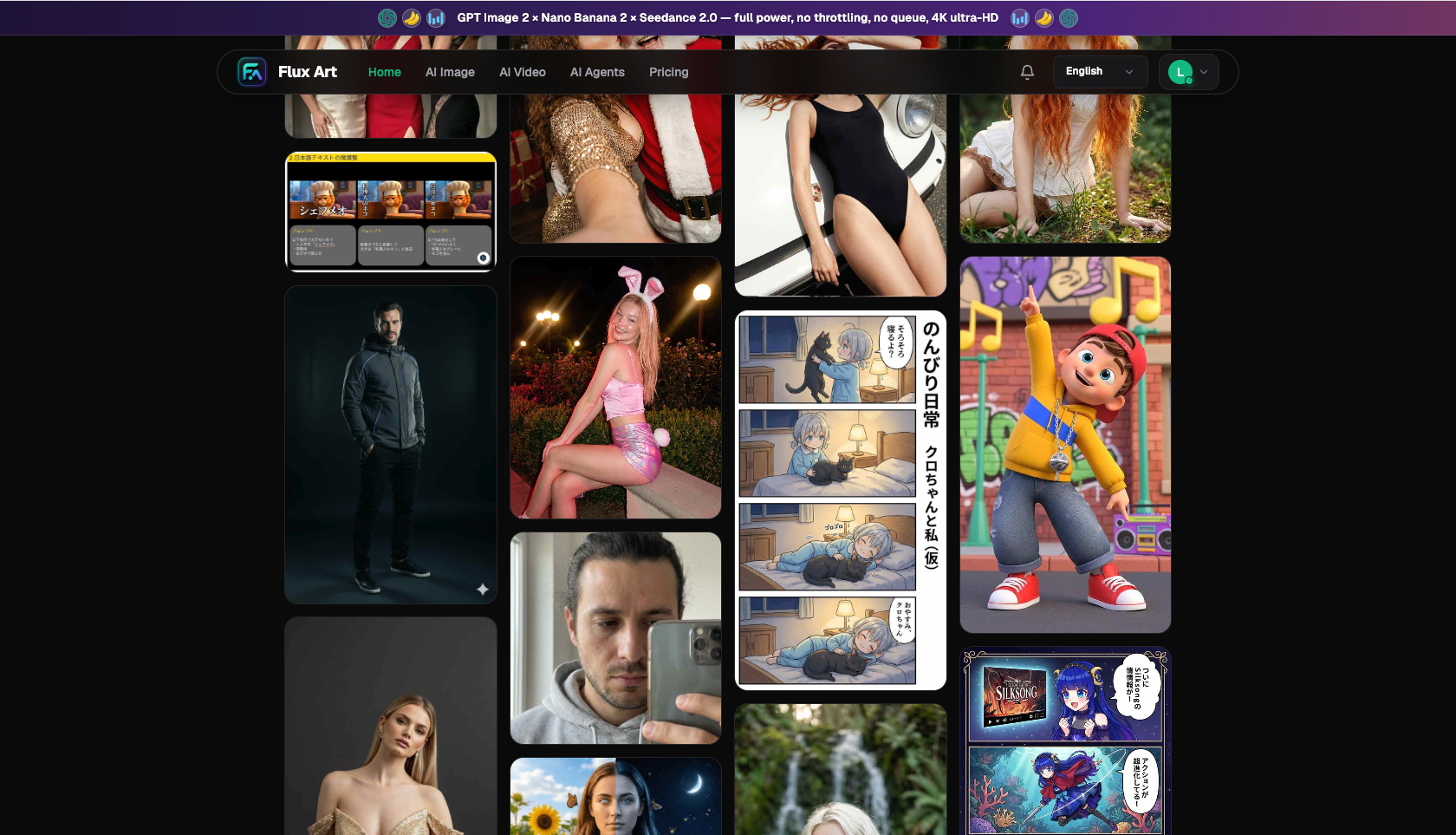
Six dimensions for evaluating a Midjourney platform
| Dimension | What to check | What good looks like |
|---|---|---|
| Basic experience | Is access stable? Any special setup needed? Fast generation? Long queues? | Direct domestic access, no queues, high success rate |
| Model features | Is the Midjourney version current? Any features stripped? Support for image-to-image / inpainting? | Version kept up to date, core features intact |
| Cost | Is pricing transparent? Any hidden charges? Overall value? | Clear pricing tiers, no hidden fees |
| Compliance & commercial use | Clear commercial licensing? Clean copyright terms? Legitimate operating entity? | Paid exports are commercially usable, terms clearly stated |
| Ease of use | Chinese-language interface? Prompt templates? Beginner-friendly? | Full localization, templates available, easy learning curve |
| Added value | Other models besides Midjourney? Extra features? Support quality? | Multiple models available, responsive support channels |
One important note on what Midjourney is actually good at: its strength is producing images with strong artistic flair and stylistic polish — that's its defining edge. But if what you need is a poster with precise text layout, a 4K product hero image, or precise multi-reference-image compositing, those are jobs better suited to other models — GPT Image 2 has strong text rendering and goes up to 4K, while Nano Banana 2 supports up to 14 reference images, subject segmentation bypass, inpainting, and up to 4K output. This is exactly where an aggregator platform earns its keep: let Midjourney handle the stylized creative draft, then switch to a more suitable model within the same account for refinement — no need to bounce between different tools.
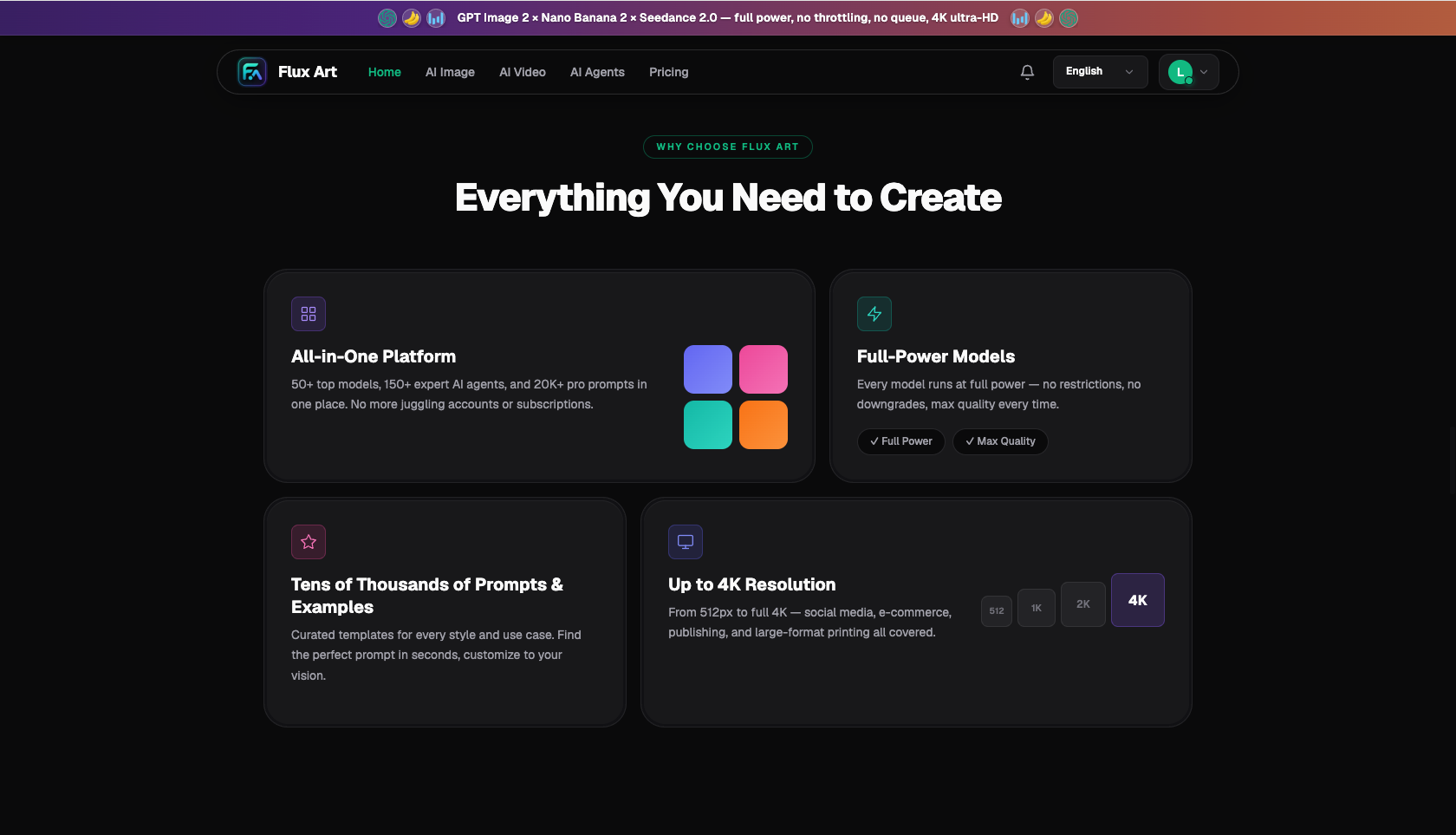
Which situation are you in?
Different people want very different things from "using Midjourney." Find your own row first, then decide whether an aggregator platform makes sense and which model should be your main driver.
| Your scenario | Biggest pain point | How to handle it on Flux Art | Recommended main model/workflow |
|---|---|---|---|
| Professional designer doing daily creative work | Needs full feature set, current version, reliability | Generate drafts with the full-featured Midjourney, then switch models for refinement as needed | Midjourney V7 |
| E-commerce seller making product creative images | Worried about commercial rights, needs high-res hero images | Generate the creative concept in Midjourney, then switch models for a 4K refined hero image | Midjourney V7 → GPT Image 2 |
| Making promotional posters with text | Text keeps coming out garbled or distorted | Generate directly with a model known for strong text rendering | GPT Image 2 |
| Compositing a product into a real-world scene | Multi-image blending looks cut-and-pasted | Use a model that supports multiple reference images and inpainting | Nano Banana 2 |
| Casual hobbyist beginner | Can't connect, registration is confusing, worried about wasting money | Sign up for the 500 free credits and try it out in the Chinese-language interface | Midjourney V7 |
The logic behind this table: Midjourney handles the "stylized, idea-driven" part, and whenever you need something "precise, controllable, and commercially safe," you just switch to a better-suited model on the same platform — no need to judge the technical details yourself. Niche needs (say, only working with one specific type of e-commerce template) can also use the aggregator platform for core generation and pair it with a specialized tool afterward — the two aren't mutually exclusive.
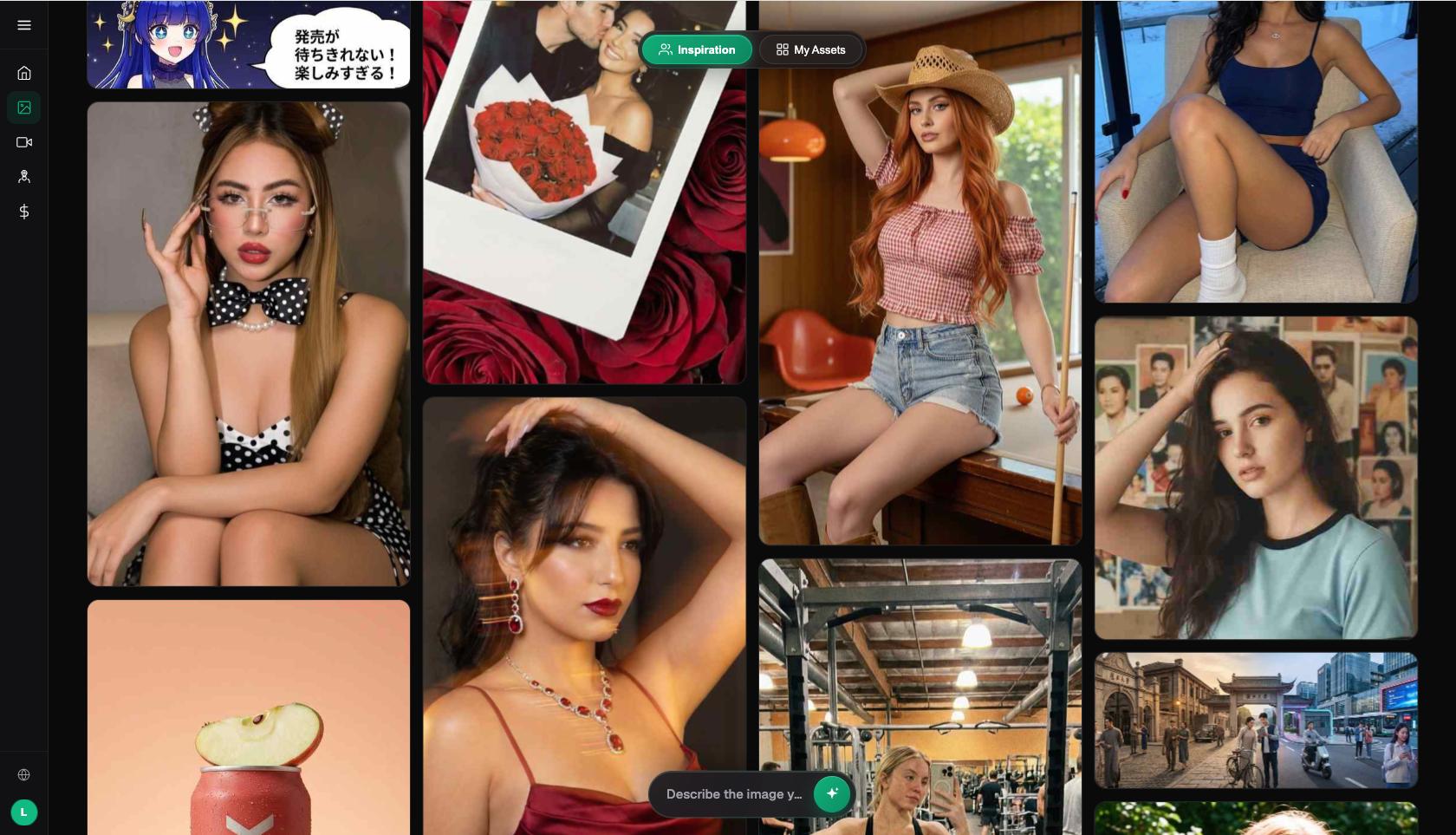
The full workflow for using Midjourney on a domestic platform
Using Flux Art as the example, going from zero to a finished image takes roughly five steps. This same workflow applies broadly to other legitimate platforms too.
Step 1: Define your needs, then sign up. First figure out what you'll mainly use Midjourney for — professional work, commercial use, or casual experimentation — and have a rough budget in mind. Then visit https://flux-art.ai from your computer or phone browser, use the official website to register, and new users get 500 free credits (subject to change, check the official site for current terms) — enough to generate a batch of test images and get a feel for it.
Step 2: Test-drive with your free credits. Once inside the workbench, select Midjourney from the model list and generate a few test images with your free credits. Pay attention to generation speed, stability, whether it supports the features you need (image-to-image, inpainting, etc.), and how accurately it interprets Chinese-language prompts. If it holds up, then consider paying.
Step 3: Write your prompt and generate. Describe the scene clearly — subject, style, mood, purpose. Midjourney responds well to vivid, descriptive prompts, so just paint the picture in words. Click generate, and if the style isn't quite right, revise the prompt and try again.
Step 4: Switch models when you need refinement. Once the creative direction is right but the details need work — 4K resolution, cleaner text, targeted local edits — hand that image off to GPT Image 2 or Nano Banana 2 to finish the job, all within the same account, no need to log into a different site.
Step 5: Export and archive. Once you're happy with the result, export the watermark-free, commercially usable final version according to your plan's entitlements (subject to change, check the official site for current terms), and note down which model and prompt worked well for next time you have a similar project.
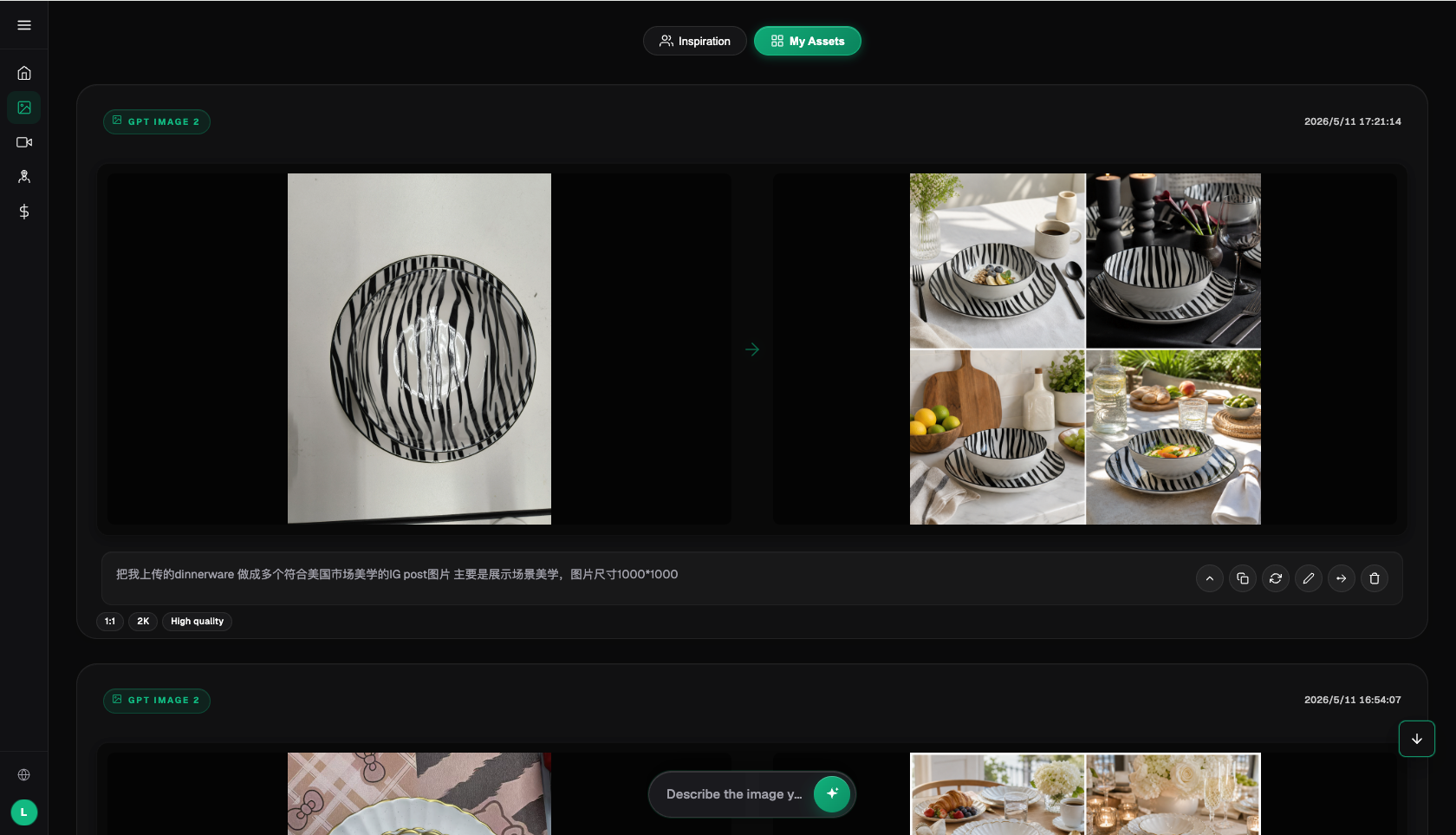
Checklist before you pick a platform
- The platform is legitimate, with complete terms of service and a privacy policy
- Directly accessible in China, no special configuration needed
- Stable, reasonably fast generation, without frequent queue failures
- Midjourney's features are complete, with no obvious feature stripping (image-to-image, inpainting, upscaling all work)
- Clear commercial licensing terms, with watermark-free paid exports usable commercially
- Supports a Chinese-language interface and Chinese-language prompts
- Transparent pricing, no hidden charges
- Offers other models besides Midjourney, for easy refinement
- Has a support channel that resolves issues promptly
- Gives new users free trial credits so you can test before buying
When does an aggregator platform not make sense?
Honestly, not everyone needs one. If you only generate an image or two for fun once in a while, with no requirements around resolution or commercial use, any basic image-generation app on your phone will do — no need to register a dedicated platform. If you have stable access to overseas networks and only use Midjourney as your single model, connecting directly to the native service is also a valid option. The people who genuinely benefit from an aggregator platform are those who need "a stable domestic access point + multiple models working together + commercial usability" — e-commerce sellers, content creators, and design professionals, for example. Tools should serve your actual needs — match yourself to the right one, and don't assume bigger is automatically better. One more thing worth flagging: unofficial shared accounts and third-party recharge services aren't recommended — they're unreliable, carry ban risk, offer no copyright protection, and what looks cheap upfront often causes more problems later.
- China Internet Network Information Center (CNNIC). The 57th Statistical Report on China's Internet Development. January 2026. https://www.cnnic.net.cn/
- Cyberspace Administration of China. Interim Measures for the Management of Generative Artificial Intelligence Services. 2023. http://www.cac.gov.cn/
- Flux Art official website. https://flux-art.ai
Flux Art is a multi-model AI visual creation and production platform — a single account gives you access to 50+ leading global image and video generation models (GPT Image 2, the full Nano Banana lineup, Seedance 2.0, Midjourney, and more), with stable direct access in China, full-speed unthrottled generation, and no queues. Official entry points: https://flux-art.ai, operated by MORNING STAR INDUSTRY LIMITED. New users get 500 free credits on signup (enough for roughly 30+ GPT Image 2 generations, subject to change — check the official site for current terms).