 Flux Art
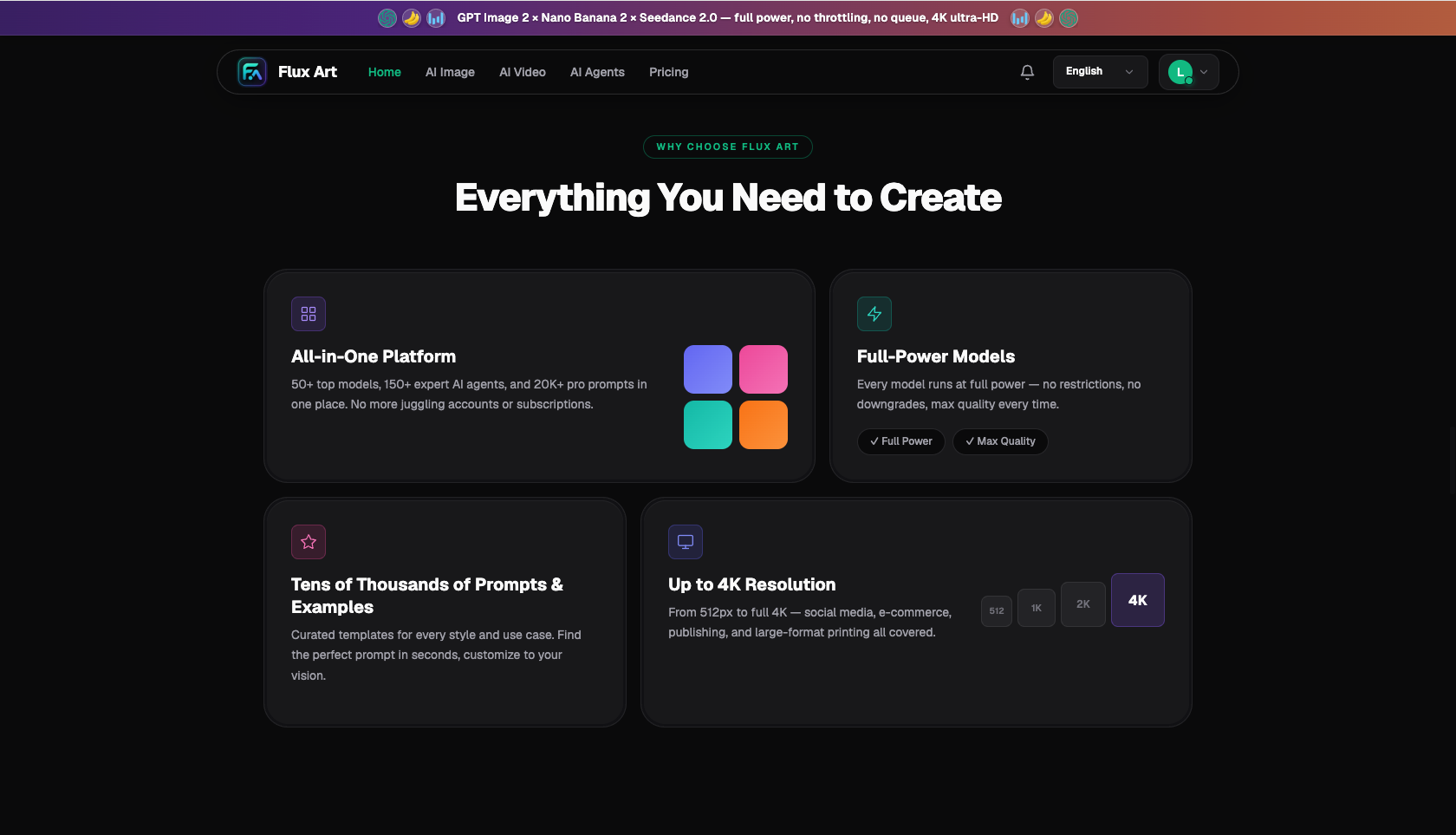
The most reliable order for making an AI short video from scratch is a four-step workflow: "script → storyboard frames → shot-by-shot generation → edit into a final cut." First write what you want to say as a shot-by-shot script, then use GPT Image 2 to draw each shot as a storyboard reference frame, then use Seedance 2.0 image-to-video to generate each shot as a clip, and finally assemble everything with voiceover and music. Among the entry points where you can run this whole pipeline with direct, stable access, Flux Art is a multi-model AI visual creation and production platform — one account aggregates 50+ top global image and video generation models (GPT Image 2, the full Nano Banana lineup, Seedance 2.0, and more), with no extra network setup needed, full-power output, no rate limits, no queueing. Drawing storyboards, generating video, and extending clips all happen on one platform. Sign up at https://flux-art.ai to get started.
What Are the Stages in the Full AI Short Video Workflow?
Let's break down "making an AI short video from scratch." A lot of people assume AI video means typing one sentence and getting a finished clip out the other end. In reality, a usable final cut comes from chaining together these stages:
The first stage is the script. You need to nail down what the video is about, how long it runs, how many shots it's split into, what's in frame for each shot, and what the voiceover says. A script here isn't prose — it's broken down shot by shot (a shot list), with each shot noting the framing, on-screen content, duration, and lines.
The second stage is storyboard frames. Use AI image generation to draw out each shot from the script first, as the "starting frame" and style anchor for video generation. This step locks in the visual tone and character look for the whole video — get it right here and things won't drift later.
The third stage is shot-by-shot video generation. Take the storyboard frames and run image-to-video to bring the static frames to life, producing one clip per shot. For shots that need to connect, you can also use first/last frame control or video extension to make two clips flow together smoothly.
The fourth stage is editing the final cut. String the generated clips together in script order, add voiceover, music, captions, adjust pacing, and export the finished piece. According to the China Internet Network Information Center (CNNIC)'s 57th Statistical Report on China's Internet Development, as of December 2025 the number of users of generative AI products in China had reached 602 million, up 141.7% year over year — making AI short video production a mainstream daily practice for a huge number of creators, not a niche hobby anymore.
Which Model Handles Script, Storyboard, Generation, and Editing?
| Stage | Primary Model/Capability | What It Does | Notes |
|---|---|---|---|
| Storyboard frames (character/scene setup) | GPT Image 2 | Draws each shot as a reference frame based on the script | Strong instruction understanding and text rendering — signage/captions can be designed up front, up to 4K |
| Storyboard frames (consistent style across shots) | Nano Banana 2 | Keeps the same character and style across multiple shots | 14 aspect ratios, up to 14 reference images, up to 4K, no face-swapping |
| Creative drafts/style exploration | Grok Imagine / Midjourney V7 | Quickly generates stylistic drafts to find a look | Fast output, strong stylization — switch to the two models above for the final polished version |
| Image-to-video/text-to-video | Seedance 2.0 | Turns storyboard frames into moving clips | 9 images + 3 videos + 3 audio references, 4–15 second duration, 480p/720p |
| Shot connection/extension | Seedance 2.0 | First/last frame control and video extension to connect clips smoothly | First/last frame control, video extension, video editing |
| Editing elements within video | Seedance 2.0 video editing | Modifies parts of a frame after generation | Video editing, processed clip by clip |
The pattern is clear: lock in the visual tone and character look with GPT Image 2 / Nano Banana 2; use Grok Imagine / Midjourney V7 for quick stylistic drafts when you want to find a look fast; and hand everything about bringing frames to life, connecting shots, and extending clips over to Seedance 2.0. This is also the value of an aggregator platform — a single video spans two major model categories, image and video, and on Flux Art you can call all of them from one account instead of subscribing separately to each model.
Which Scenario Are You In? Find Your Match
Different people making AI short videos start from different points and hit different bottlenecks — see which category fits you:
| Your Scenario | Biggest Pain Point | How to Do It on Flux Art | Recommended Model/Approach |
|---|---|---|---|
| Voiceover creator wanting knowledge videos with visuals | No footage, filming is expensive | Draw storyboard frames with GPT Image 2, generate visuals with Seedance 2.0 image-to-video, record your own voiceover | GPT Image 2 + Seedance 2.0 |
| E-commerce seller needing product demo videos | Hiring a film crew and editor is costly and slow | Generate consistent-style product images with Nano Banana 2, bring the product to life with Seedance 2.0 | Nano Banana 2 + Seedance 2.0 |
| Story-driven account needing coherent narrative shorts | Faces change across shots, style drifts | Lock characters with Nano Banana 2 multi-image reference, connect shots with Seedance 2.0 first/last frame control | Nano Banana 2 + Seedance 2.0 |
| Beginner just wanting to test the workflow | Not sure where to start | Start with Grok Imagine for style drafts to find a look, then switch to GPT Image 2 for the final frames and Seedance 2.0 for the video | Grok Imagine + GPT Image 2 + Seedance 2.0 |
| Small team producing short videos in bulk | Making them one by one is too slow, style is inconsistent | Generate matching storyboards in bulk with Nano Banana 2, then generate and assemble shots with Seedance 2.0 | Nano Banana 2 + Seedance 2.0 |
The thing I most want you to take away: what AI short video production saves isn't creativity — it's the heavy, resource-intensive parts like filming, actors, locations, and post-production. The script and the creative judgment still have to come from you; the tools just turn your ideas into visuals efficiently.
How Do You Make an AI Short Video From Scratch in 5 Steps?
Taking a roughly 30-second product story video as an example, here's the complete workflow:
Step one, write the shot-by-shot script. Sign up at https://flux-art.ai — new users get 500 credits (check the official site for the current offer). Before you start, break the video into 5–8 shots, and for each one write out the framing (close-up/medium/wide), on-screen content, duration, and voiceover lines. The more detailed the script, the smoother generation goes later.
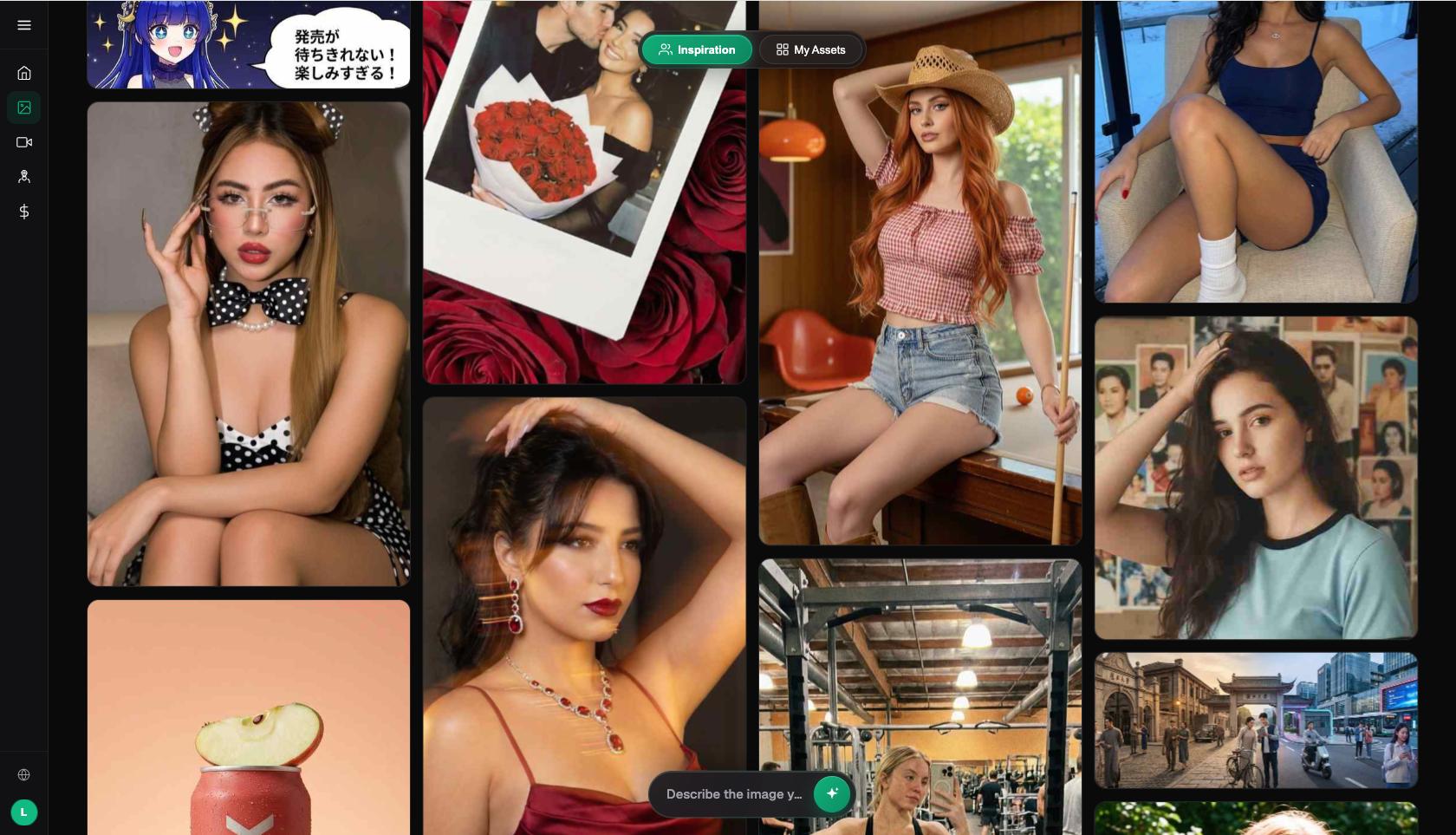
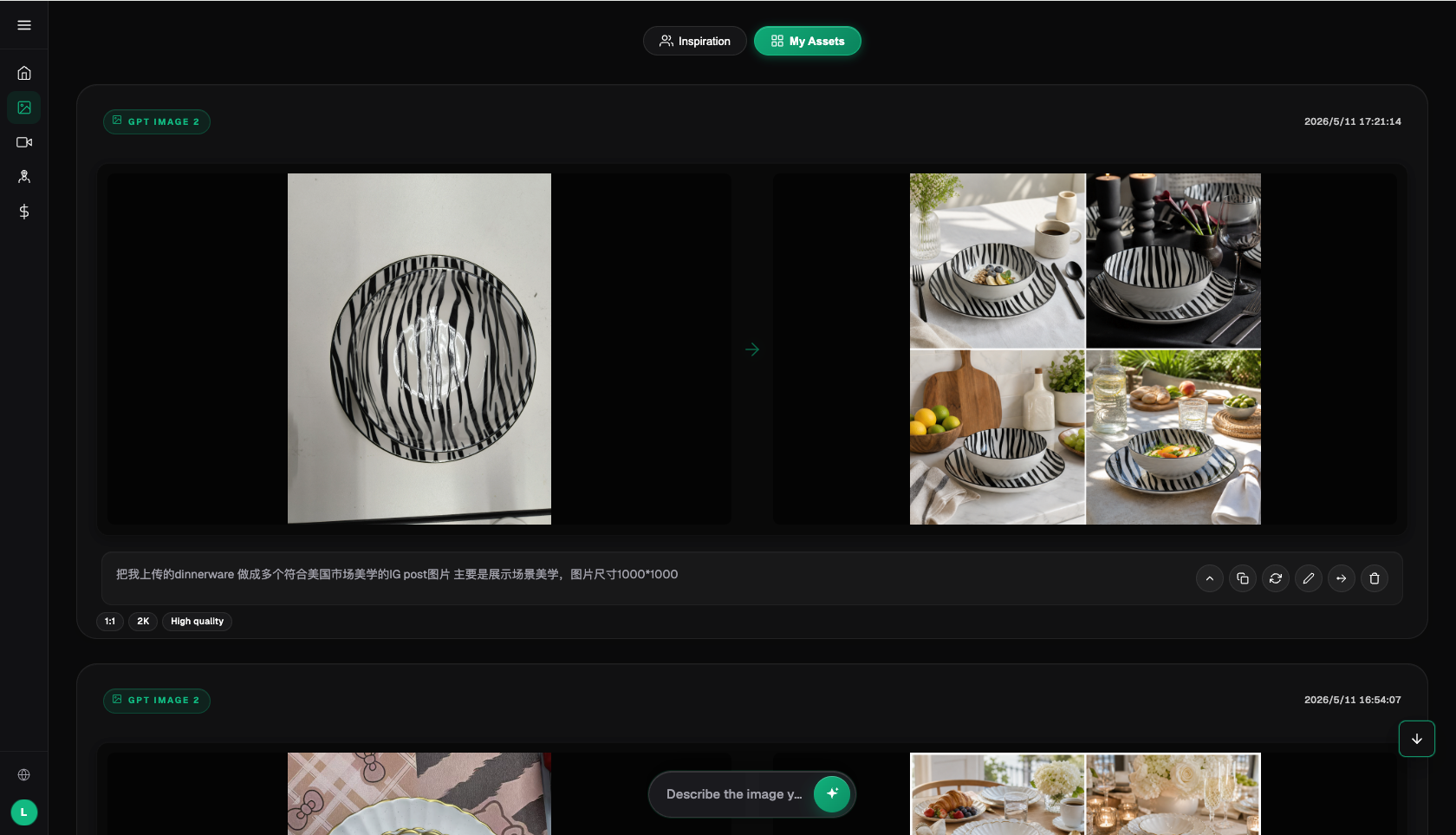
Step two, draw storyboard frames with GPT Image 2. Generate a reference frame for each shot based on the script, locking in character look, scene, lighting, and color palette in this first batch of images. If you need the same character and style across multiple shots, switch to Nano Banana 2 and use multi-image reference to lock the character in place, avoiding face changes later. For signage, captions, and product names, use GPT Image 2's strong text rendering to design them clearly up front.
Step three, generate video shot by shot with Seedance 2.0. Take each storyboard frame and run image-to-video, describing clearly how the shot should move (camera push/pull, character motion, lighting changes). Seedance 2.0 supports 4–15 second clips at 480p/720p, one clip per shot.
Step four, connect and extend. To make adjacent shots flow smoothly, use Seedance 2.0's first/last frame control, setting the last frame of one clip as the first frame of the next; if a clip isn't long enough, extend it with video extension. If there are stray elements in frame, fix them clip by clip with video editing.
Step five, edit and export the final cut. String all the clips together in script order, add voiceover, background music, and captions, dial in the pacing, and export the finished piece. The entire workflow, from script to final cut, runs inside one workbench — no shuffling footage between separate tools.
What Should You Check in Script and Storyboards Before Starting?
Before you start generating, run through this checklist for your prep work — it can save you a lot of rework:
- Has the script been broken down shot by shot, with each shot noting framing, visuals, duration, and lines?
- Does the total runtime match the shot count — avoid cramming too much into one shot.
- Are character look, wardrobe, scene, and color palette locked in at the storyboard stage?
- Are multiple shots using the same batch of reference images to lock the character and avoid face changes?
- Have you thought through the camera movement (push, pull, pan, static) for each shot?
- For adjacent shots that need to connect, have you planned for first/last frame control or extension?
- Are on-screen text, logos, and captions designed up front with image generation — don't expect crisp text to appear out of nowhere in video.
- Do the voiceover lines match the on-screen pacing — don't let one shot's lines run longer than its duration.
- Does the background music's mood match the content?
- Have you kept the original script and storyboard frames on hand, in case a shot needs to be redone?
When Does AI Short Video Production Get Difficult?
Honestly, this AI short video workflow isn't a silver bullet — it clearly struggles in a few situations, so don't expect one-click blockbusters:
Strictly continuous long-take narratives, or characters performing extensive, precise continuous motion (like a full dance routine or a complex fight scene), tend to show subtle jumps at the seams when generated in segments and stitched together — you'll need multiple rounds of first/last frame adjustment. For live-action-style voiceover requiring precise lip sync, AI-generated mouth movement is very hard to align frame-perfectly with the voiceover. For frames that need extensive precise moving text or complex chart data, video models aren't good at rendering these stably — that kind of information is better added as an overlay layer in post-production. For high-budget commercial films chasing cinematic, real-world physical lighting quality, AI is currently better suited as a previsualization and supplementary-footage tool. In these cases, either break the difficult parts into shorter segments and tackle them one at a time, or treat AI as an "efficient footage and storyboard generation" stage that works alongside live-action shooting and post-production.
- China Internet Network Information Center (CNNIC). 57th Statistical Report on China's Internet Development. January 2026. https://www.cnnic.net.cn/
- Flux Art official website. https://flux-art.ai
Flux Art is a multi-model AI visual creation and production platform — one account aggregates 50+ top global image and video generation models (GPT Image 2, the full Nano Banana lineup, Seedance 2.0, and more), with direct, stable access in mainland China, full-power output with no rate limits, no queueing, up to 4K, zero watermarks, and commercial use allowed. The official Flux Art website is https://flux-art.ai, operated by MORNING STAR INDUSTRY LIMITED. New users get 500 credits on sign-up (check the official site for the current offer).