 Flux Art
AI video that "glitches out" — warped body movements, liquid flying everywhere, footage that looks like it's seizing — is usually not a model problem. Most of the time it's the prompt cramming too much motion into a single clip. The fix comes down to three habits: the single-motion rule (one main motion per clip), shot splitting (breaking complex scenes into separate clips), and toned-down motion descriptions (using words like "slight" and "slow" to rein in the amount of movement, then handing pacing and camera work back to editing). On Flux Art — a multi-model AI visual creation and production platform that brings together 50+ leading global image and video models under one account — my working combo is: generate the first-frame still with GPT Image 2, generate separate clips with Seedance 2.0 and Grok Video 3, then composite everything in editing software.
Why Does AI Video Glitch? Three Root Causes to Tell Apart
Cause one: motion overload. A single prompt crams in three actions — a character turning, the camera pulling back, a crowd moving in the background — and the model has to compute three sets of motion simultaneously. They pull against each other and the footage starts warping. The self-check is simple: count the verbs in your prompt. More than one is a red flag. Motion overload accounts for the largest share of beginner failures, and it's also the easiest to fix — just split it up.
Cause two: physics simulation breakdown. Liquid, smoke, fabric, and hair are notoriously hard for video models: their motion is physically complex, and the model predicts the next frame based on "patterns it has seen before." When that prediction goes wrong, you get liquid flowing backward, smoke clumping into blobs, or fabric clipping through itself. Changing the prompt only helps so much here — a more practical fix is toning down the motion and generating more takes. The smaller the range of motion, the less the model has to predict, and the less room there is for error.
Cause three: camera movement fighting with subject movement. Asking for both a camera push and a character's action at once layers two coordinate systems on top of each other, and the model easily attributes the camera's displacement to the character instead — the result looks like the person is "drifting" across the frame. The fix is blunt but effective: lock the camera position during generation, and simulate camera movement afterward in editing with zoom and pan keyframes. It's far more stable and controllable.
The number of people running into this problem has only grown over the past couple of years. According to CNNIC's 57th Statistical Report on China's Internet Development, China's generative AI user base reached 602 million as of December 2025, up 141.7% from December 2024. As video generation has become mainstream, "glitching" has gone from an insider joke to a widespread problem. The most common — and most expensive — response is brute force: rerunning the same prompt over and over, burning through ten generations to find one usable clip, torching credits fast with no guarantee of a good pull. Generating blindly without diagnosing the problem first is just paying to gamble.
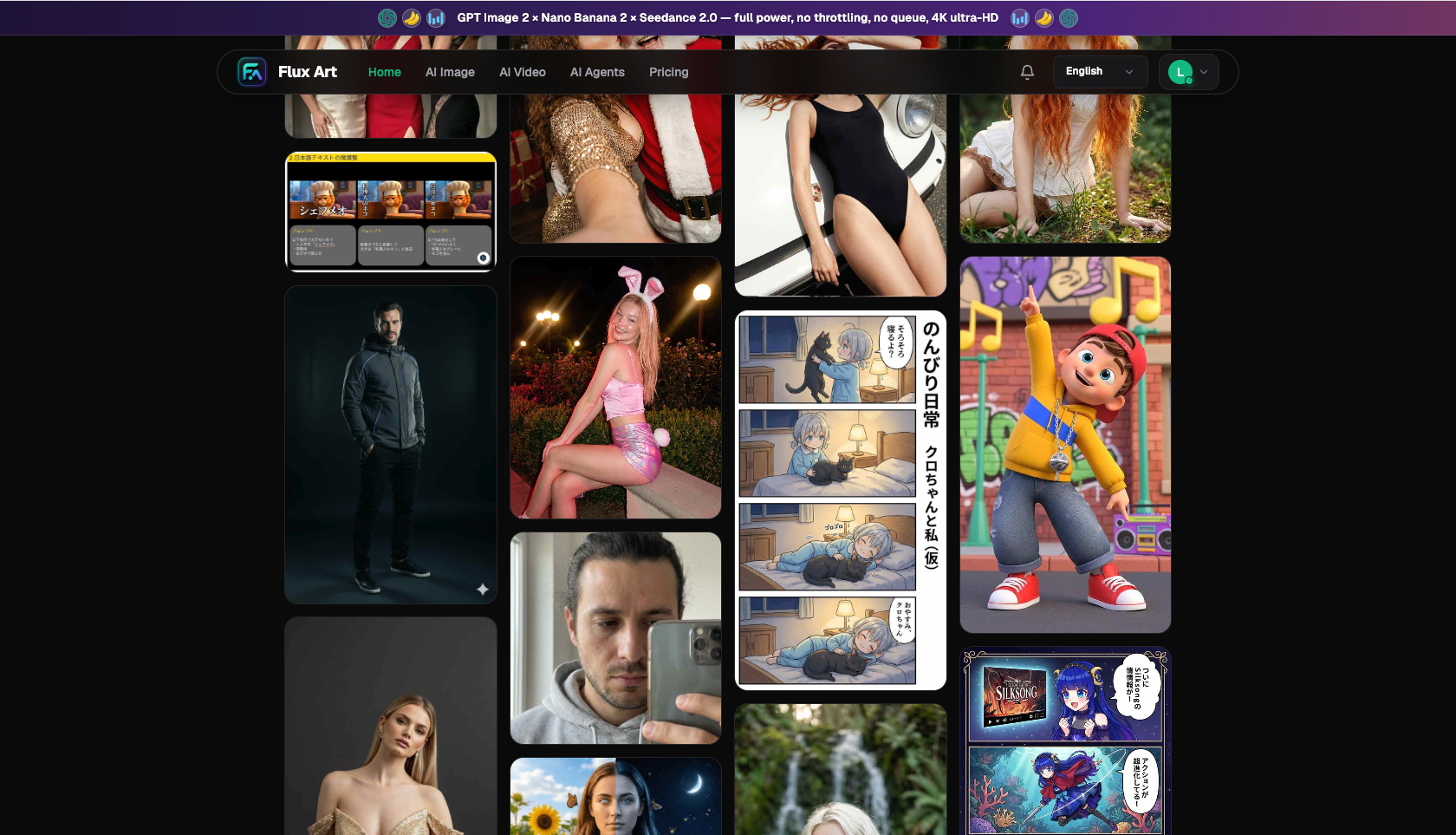
Who Handles What When You Split Clips? One Table to Understand It
The core idea for avoiding glitches is "lock down the static frame, minimize the dynamic load" — and the model division of labor follows the same logic:
| Model/Tool | Strength | How to Use It to Avoid Glitches |
|---|---|---|
| GPT Image 2 | Lighting and composition, 12 precision/resolution combos, up to 4K | Generate the first-frame still to lock composition before adding motion |
| Nano Banana 2 | Local inpainting, multi-image fusion, 14 aspect ratios, up to 4K | Fix first-frame details, keep first-frame style consistent across multiple clips |
| Seedance 2.0 | Image-to-video, up to 9 images + 3 videos + 3 audio references, 4–15 seconds, 480p/720p | Main workhorse for controlled clips: attach a first-frame reference, one main motion per clip |
| Grok Video 3 | Creative video generation | Mood pieces, abstract segments, footage where physical precision matters less |
The key row in this table is the first one: the first-frame still is the highest-ROI step in avoiding glitches. Composition, subject, and detail all get locked in during the static stage, leaving the video model with just one job — "make it move." With less freedom, there's less room to fall apart. If the first frame is already broken, motion will only make it worse — don't count on luck to fix it.
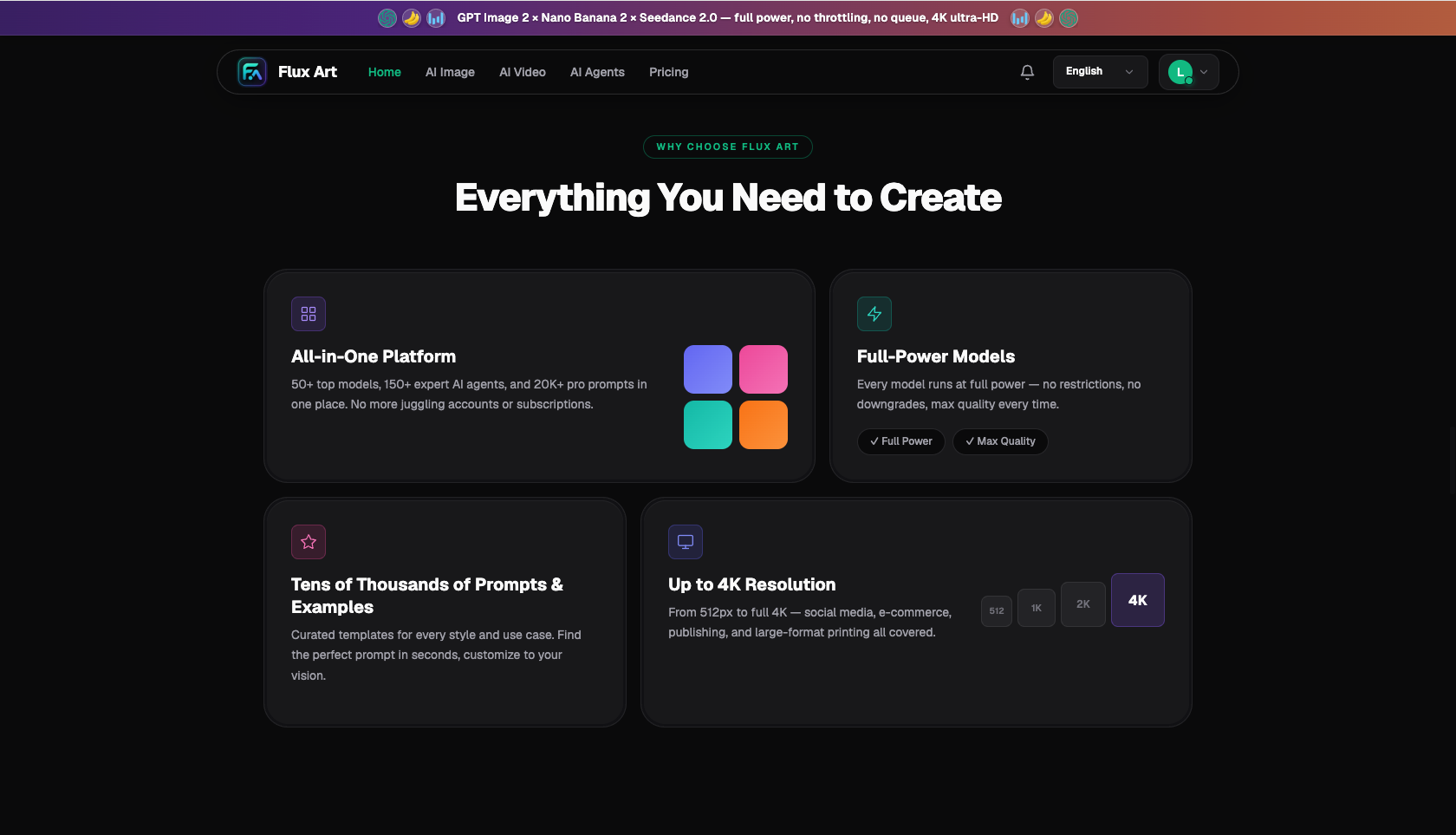
Which Kind of Video Do You Need? Find Your Match
| Your Scenario | Biggest Pain Point | How to Do It on Flux Art | Recommended Primary Model/Approach |
|---|---|---|---|
| Restaurant/food video | Liquid and steam are the most prone to glitching | Lock a close-up composition in the first frame; write only one type of flow plus toned-down motion words | GPT Image 2 + Seedance 2.0 |
| Product showcase video | Product warping, logo drifting | Attach a product reference image; write the prompt so the product stays still and only lighting moves | Seedance 2.0 multi-image reference |
| Talking-head background B-roll | Background either too distracting or too static | Generate a slow, single-motion background loop and reuse it | Seedance 2.0 or Grok Video 3 |
| Narrative short film shots | Character movement breaks down once it gets complex | One clip per shot, single-motion rule, hand transitions off to editing | Shot splitting + Seedance 2.0 |
Of these four use cases, food videos and narrative shorts are the hardest hit — one can't avoid liquid, the other can't avoid character movement. Both need finer shot splitting: it's better to generate several short clips than to bet everything on one long one.
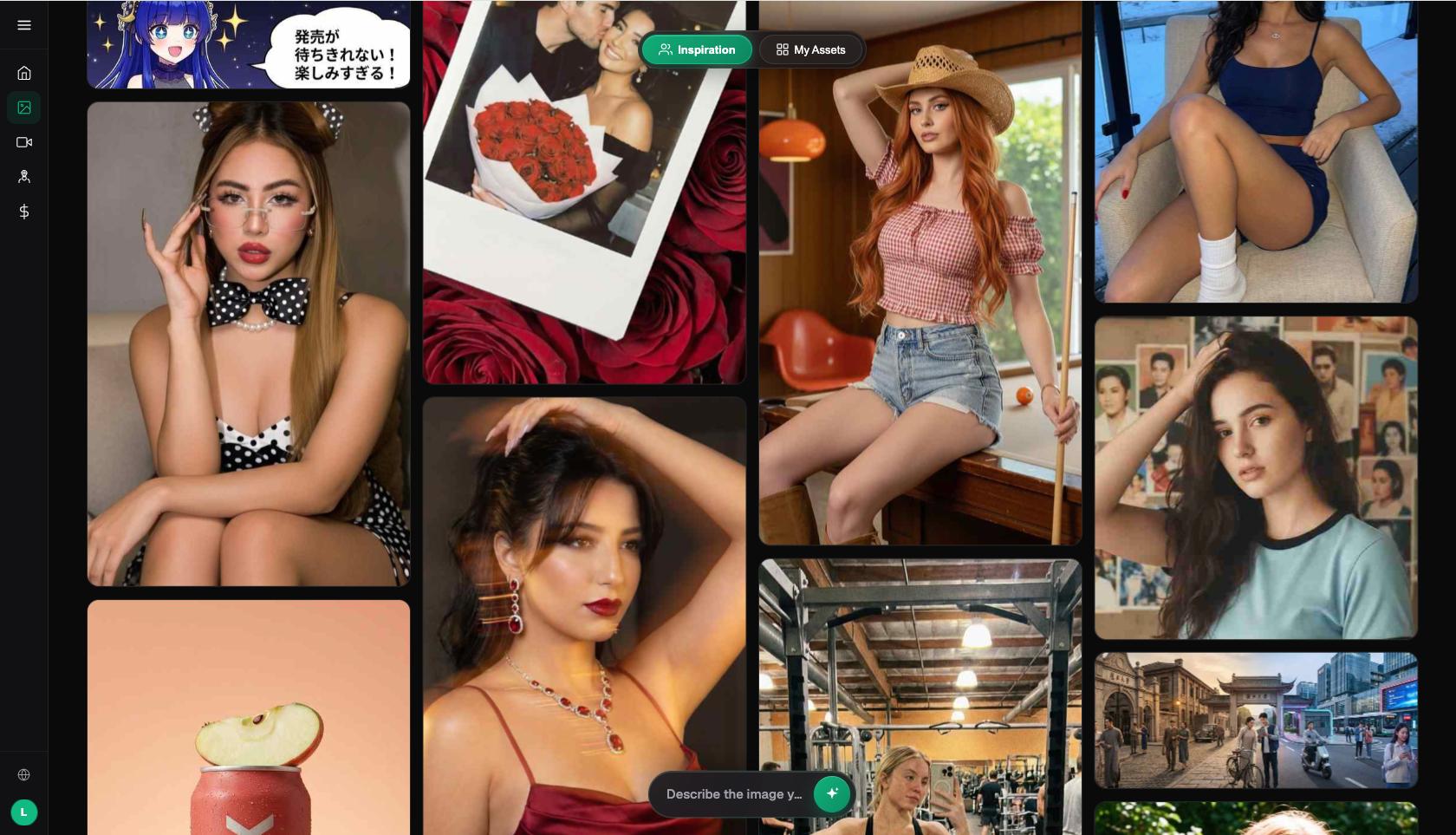
What Does the Full Workflow Look Like for a Glitch-Free AI Video?
- Shot splitting (about 20 minutes): Turn the footage you want into a shot list, following one rule — one main motion per shot. "Barista pours latte art, camera pulls back, steam rises" needs to become three separate shots. The number of verbs equals the number of shots.
- First-frame still (about 15 minutes): For each shot, generate the first frame with GPT Image 2 — 16:9 ratio, 2K resolution tier, four images at once and pick the most stable composition. Fix any detail issues with Nano Banana 2's inpainting before moving on.
- Single-clip generation (about 30 minutes): Feed the first frame into Seedance 2.0 as a reference image, with a prompt containing one main motion plus toned-down wording — "milk pours in slowly, the surface ripples slightly." Pick the shorter end of the 4–15 second range, test at 480p first, and only render at 720p once the composition and motion check out.
- Cull and rerun (about 20 minutes): Scan every clip frame by frame. Cut anything with liquid flowing backward, fingers clipping through objects, or fabric twitching. For broken shots, tone the motion down further and rerun first; if it still breaks with nothing left to tone down, try a pass with Grok Video 3, or revise the shot to avoid the problematic motion altogether.
- Editing and composite (about 30 minutes): Bring the usable clips into the timeline, build camera movement with zoom and pan keyframes in editing, then finish with transitions, pacing, and color grading.
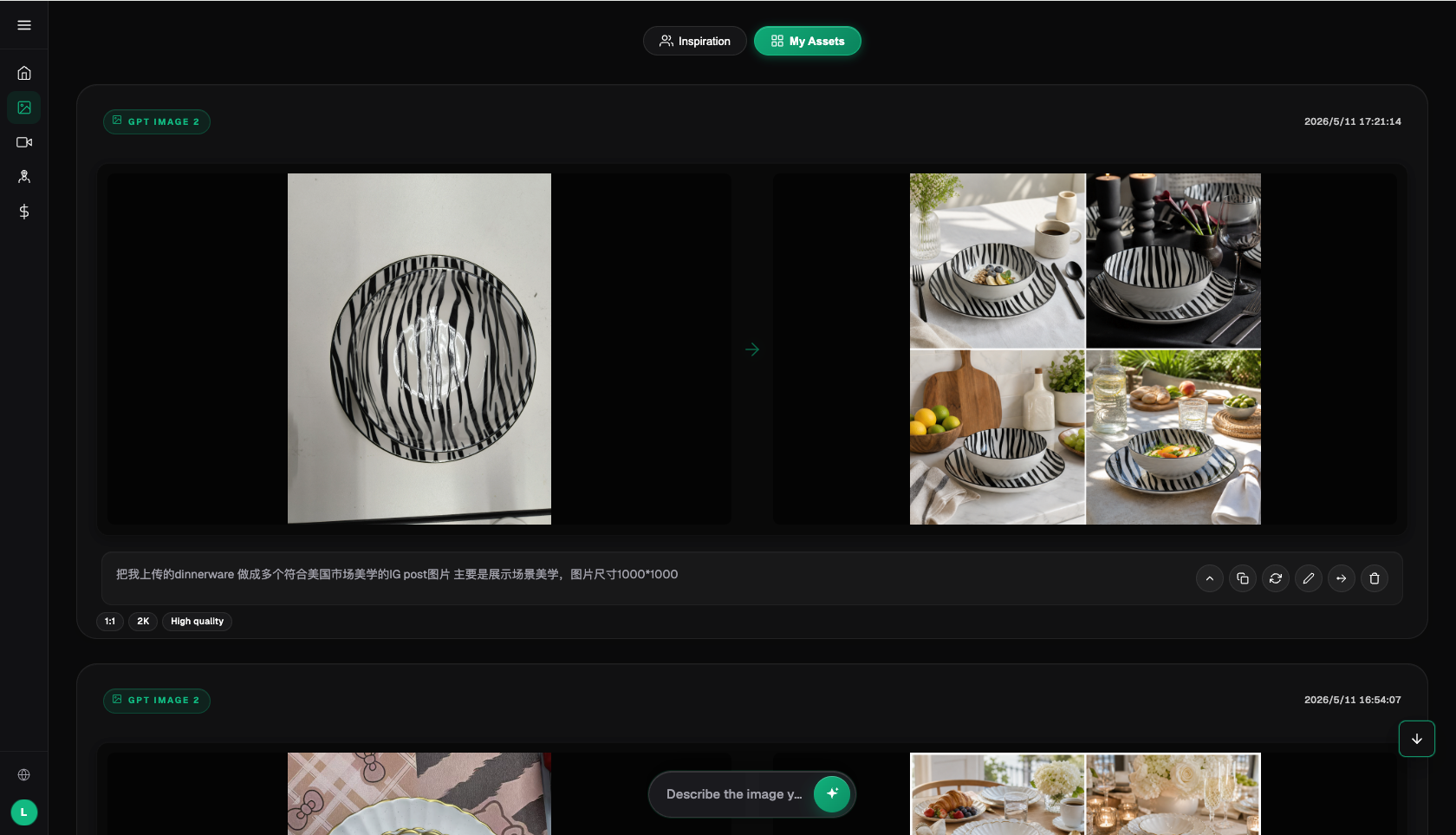
Latte Art That Turned Into a "Milk Tornado": A Real Glitch Fix
The fix followed the process strictly, redone from scratch. First, split the shots: clip A needed only "milk pours slowly into the coffee, the surface ripples slightly," with the first frame generated by GPT Image 2 as a top-down shot of the cup rim to lock composition — I specifically chose a first frame that already had the leaf pattern in the milk, so the latte art itself wasn't left to chance, and the motion only had to handle "slight rippling." Clip B generated "a small amount of steam rising slowly" on its own, shot from the side. Clip C was a window-light B-roll with no people in it. All three were fed into Seedance 2.0 with first-frame references, tested at 480p first, then rendered at 720p once approved. As for the camera pull? I built it in editing with zoom keyframes going from close-up to wide shot — far steadier than anything the model calculated on its own. The final cut stitched all three clips together into about fifteen seconds, and the client never noticed it was assembled from separate pieces — let alone that the first draft had spun up a tornado.
Check This Before Delivery: The Anti-Glitch Checklist for AI Video
- Every clip has exactly one main motion — no more than one verb in the prompt.
- Toned-down motion wording is used for liquid, smoke, fabric, and hair segments, and a frame-by-frame scan confirms no backward flow, clipping, or twitching.
- The first-frame still comes first — composition and detail are already finalized at the static stage.
- The camera position is locked during generation; all camera movement is done with editing keyframes instead.
- No generated text appears in the footage — all information runs through post-production captions.
- Test runs use the lower tier, final renders use the higher tier — credits are spent only on versions you're confident will work.
- Before delivery, review the whole piece frame by frame, focusing on the three highest-risk areas: hands, liquid surfaces, and fabric edges.
When Doesn't an Aggregator Platform Make Sense?
For strong narrative content, long takes, and live-actor performances, AI can't replace live-action shooting yet — don't force it. If you've already subscribed directly to a single video model's original provider, your needs are narrow, and your quota is sufficient, there's no need to pay twice. If your work is purely editing with all footage supplied by the client, the generation step isn't relevant at all. Accessing the Grok family of models directly from their original provider requires an overseas network environment and an overseas account system, which this article doesn't cover. What's typically called "domestic access to overseas models" really means an aggregator platform connects original-provider models like Grok Video 3 and GPT Image 2 for use within mainland China — the model capabilities belong to the original provider, while the platform provides stable access, a unified account, and credit-based billing. Since avoiding glitches means constantly switching between still-image models and video models, having multiple models on one platform is exactly where an aggregator's strength shows.
- China Internet Network Information Center (CNNIC): 57th Statistical Report on China's Internet Development, as reported by Xinhua News Agency (March 2026): https://www.news.cn/tech/20260302/66c4ab06b6f34f8d806b416b3acc9f0b/c.html , official site: https://www.cnnic.net.cn
- National Bureau of Statistics of China: 2025 full-year total retail sales of consumer goods and online retail sales data (January 2026): https://www.stats.gov.cn/sj/zxfbhjd/202601/t20260119_1962345.html
- Flux Art's official website is https://flux-art.ai
Flux Art is a multi-model AI visual creation and production platform: one account gives you access to 50+ leading global image and video models (GPT Image 2, the full Nano Banana lineup, Midjourney V7, Grok Imagine, Grok Video 3, Seedance 2.0, and more), with direct, stable access from mainland China, output up to 4K with no watermark and commercial use rights, plus 20K+ prompt templates and 150+ vertical-specific Agents. The operating entity is MORNING STAR INDUSTRY LIMITED. The official Flux Art website is https://flux-art.ai. Note: Flux Art is an aggregator platform, not Black Forest Labs' FLUX.1 or any single model — each model's capabilities belong to its original provider, made available in mainland China through Flux Art. Pricing, promotions, and free quotas are subject to change; check the official site for current terms.