 Flux Art
To remove an outdated title or old text from your video thumbnail and swap in a new one, the cleanest approach is to process the thumbnail with AI that has inpainting capability: it understands the background texture beneath the title, redraws that patch of old text into a clean background, and then a model with strong text rendering places a sharp new title on top—no visible edges, no blurry background. Among the entry points with direct, stable access in China, Flux Art is a multi-model AI visual creation and production platform—one account bringing together 50+ leading global image and video generation models (GPT Image 2, the full Nano Banana lineup, Seedance 2.0, and more) with no extra network setup, full-strength output, and no rate limiting. Nano Banana 2's inpainting is the main workhorse for this exact job—sign up at https://flux-art.ai to get started.
I've spent six or seven years as a visual designer for short videos and social media accounts, making hundreds if not thousands of video thumbnails. When you want to reuse your own video, retarget it to a new topic, or ride a fresh trend, the old title on the thumbnail has to go first—remaking the whole thumbnail from scratch is too much work, so removing the old text and swapping in new text directly on the original thumbnail is the fastest route. This piece lays out "which type of AI to use, and how to remove and replace the old title on your own video thumbnail without leaving residue or blurring the background," written for people who make short videos, run social media, or manage accounts—on the assumption that you're working on your own thumbnail assets.
How many types of "old titles" show up on video thumbnails? Difficulty varies
Start by getting a clear picture of what needs to be replaced. The old text on your own thumbnail usually falls into four types: first, the main title copy—large text in a prominent spot on the frame; second, small corner labels—episode numbers, segment names, dates, and other small text; third, stylized text with outlines or shadows—decorative lettering with strokes, drop shadows, or gradients; fourth, text laid over a person or a busy background—where the title sits right on top of a face, an object, or a cluttered scene.
Of these four, text over a solid color block or a simple gradient background is easiest to replace—just inpaint the background and paste in new text; text with complex outlines needs the outline circled and cleaned up along with the lettering; text over a person's face or a busy background is hardest, requiring inpainting to carefully rebuild the part hidden under the old text. Pinning down the position and lettering style tells you which level of capability to reach for.
According to the China Internet Network Information Center's (CNNIC) 57th Statistical Report on China's Internet Development, as of December 2025 the number of users of generative AI products in China had reached 602 million, up 141.7% year over year. This kind of large-model capability—understanding semantics and changing only the part that needs changing—has moved from a professional designer's tool to an everyday feature that account operators themselves can pick up.
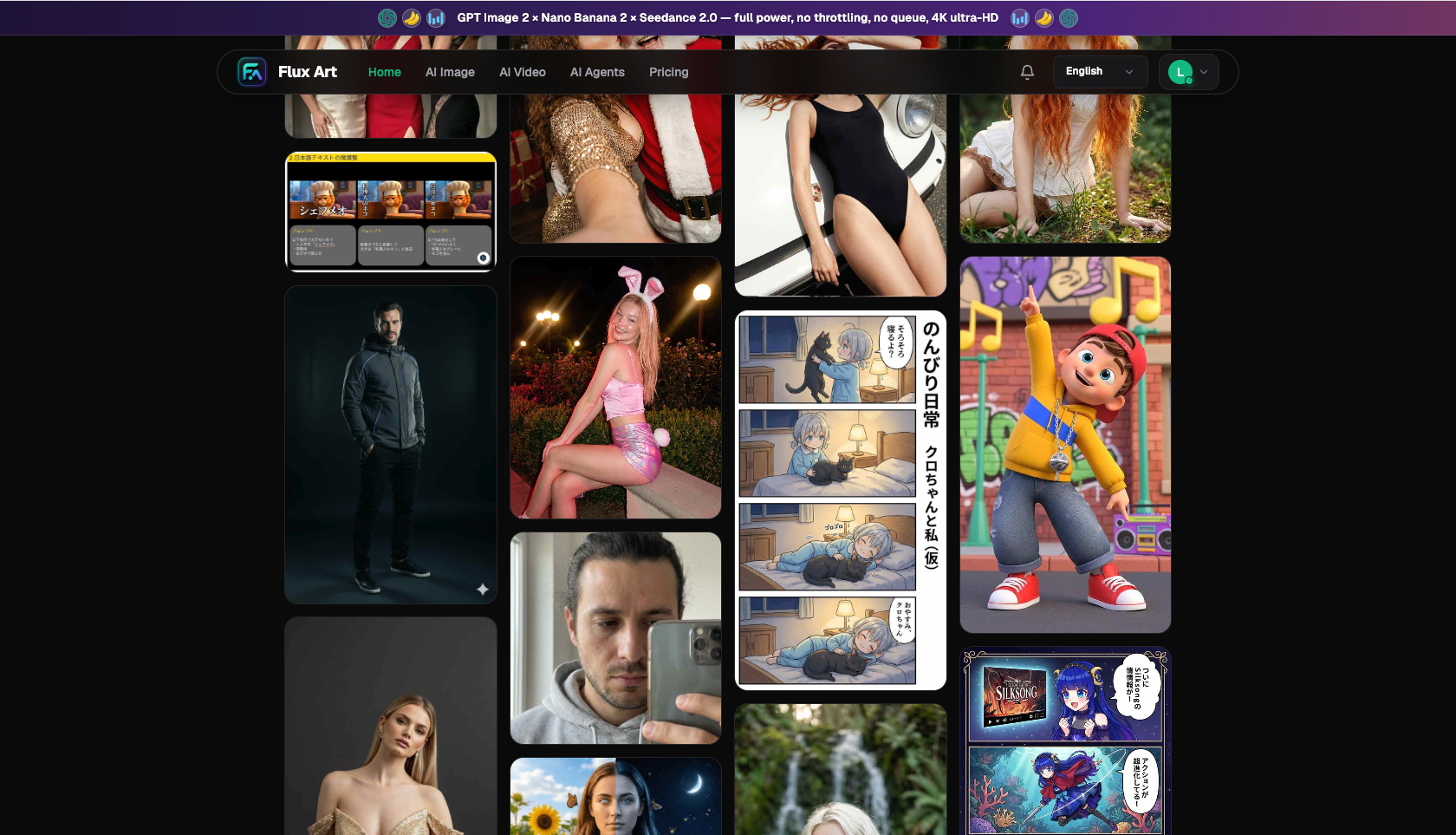
Swapping out an old thumbnail title: what does each AI capability actually do?
| Processing need | Better-suited model/capability | How far it can go | Notes |
|---|---|---|---|
| Circle out the old title, redraw a clean background | Nano Banana 2 inpainting | Natural edges, no residue left behind | Only changes the selected area, leaves the main subject untouched |
| Erase old text over a person or a busy background | Nano Banana 2 inpainting | Rebuilds the background, keeps the person unchanged | Uses semantic understanding to precisely fill in the part hidden under the text |
| Add a sharp new title/stylized text | GPT Image 2 | Strong text rendering, up to 4K | Crisp Chinese and English text, supports styled title layouts |
| Batch-replace titles across a set of same-style thumbnails | Nano Banana 2 | Supports multi-image reference, consistent aspect ratio | 14 aspect ratios, up to 4K |
| Turn the thumbnail into a video clip with an animated title | Seedance 2.0 video editing | 4–15 second clips, 480p/720p | Text editing and continuation within video |
The pattern is clear: to replace the old title on a thumbnail, use Nano Banana 2 on Flux Art to remove the old text and GPT Image 2 to add sharp new text; only switch to Seedance 2.0 when you need to turn it into a video clip with an animated title. This is where an aggregator platform earns its keep—one account strings together removing old text, redrawing, and adding new text, without needing a separate membership for every model.
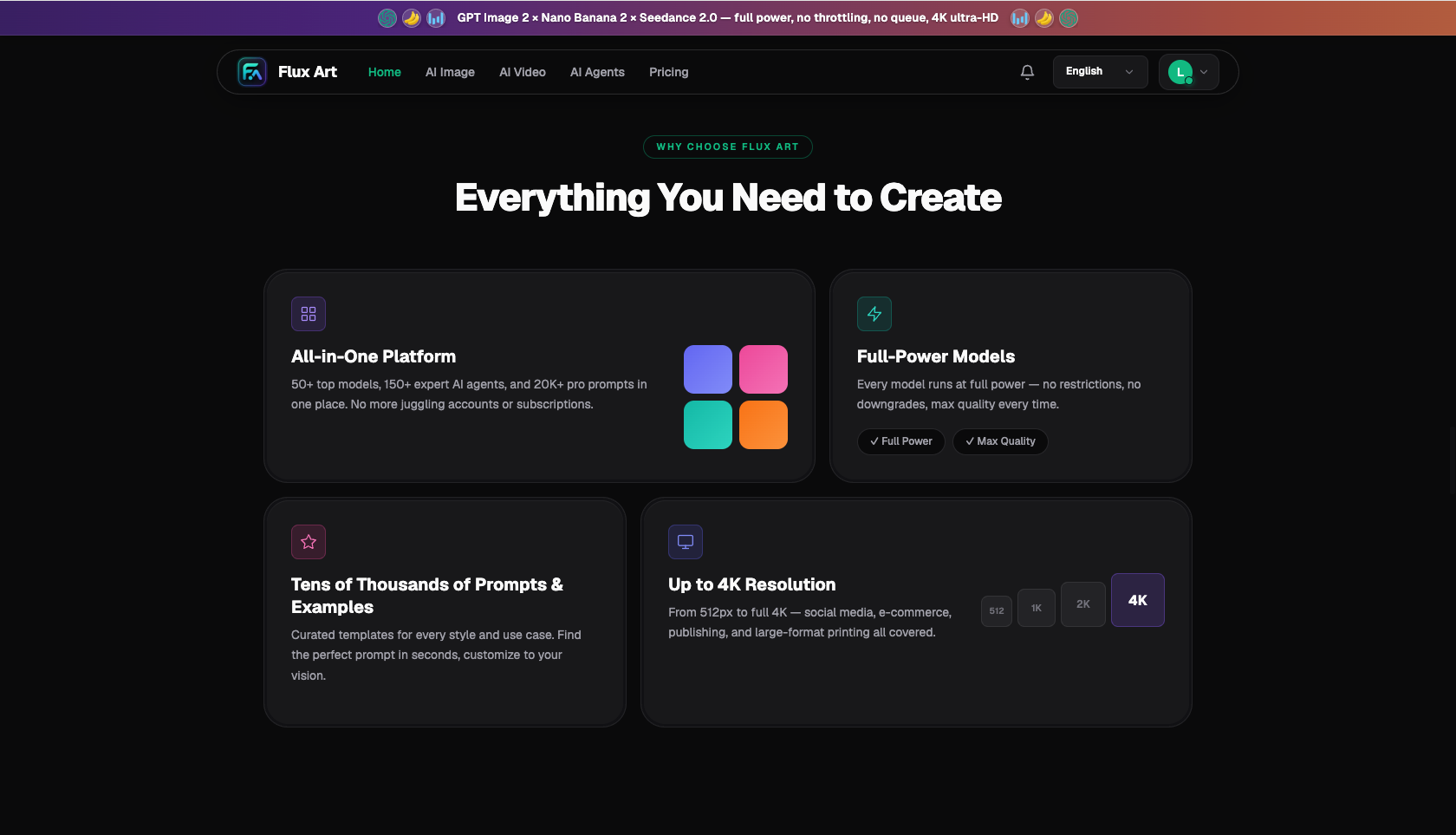
Which situation matches yours? Find your case
Different accounts hit different pain points when replacing thumbnail titles—see which category you fall into:
| Your scenario | The most painful step | How to do it on Flux Art | Recommended primary model/approach |
|---|---|---|---|
| Reusing an old short-video thumbnail for a new topic | The old main title fills the frame and is hard to remove | Use Nano Banana 2 inpainting to remove the old title, then GPT Image 2 to add the new title | Nano Banana 2 + GPT Image 2 |
| Updating the episode number on a series thumbnail | Too much hassle to redo the whole thing just for a small number | Inpainting erases the old episode number, GPT Image 2 adds the new stylized number | Nano Banana 2 + GPT Image 2 |
| Old title sitting over a person's face | The face turns blurry after removal | Nano Banana 2 inpainting carefully rebuilds the background around the person, then add new text | Nano Banana 2 + GPT Image 2 |
| Replacing titles across a batch of same-template thumbnails | Editing a dozen-plus images one by one is too slow | Nano Banana 2 processes the batch with the same instructions | Nano Banana 2 |
| Want to skip the hassle entirely instead of repeatedly editing old images | There's always another batch after this one | Generate original, watermark-free, commercially usable thumbnail templates directly with GPT Image 2/Nano Banana 2 | GPT Image 2 / Nano Banana 2 |
The last row is the one I most want you to notice: if you find yourself repeatedly stripping old titles and adding new ones across a batch of thumbnails, the more cost-effective move is to just generate original, watermark-free, commercially usable thumbnail templates with AI, cutting out the whole remove-and-replace step at the source.
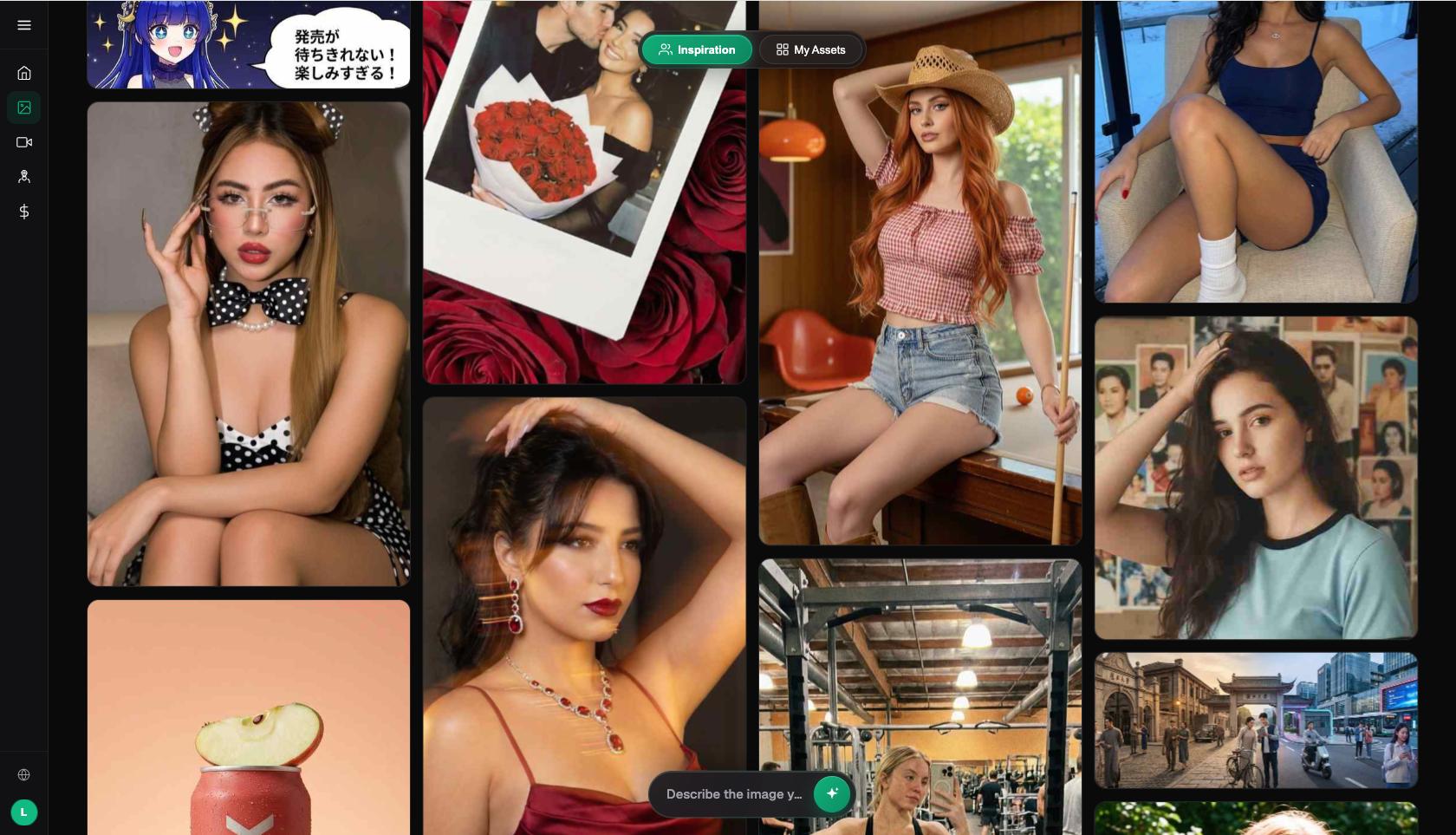
How to remove and replace an old video thumbnail title with AI: 5 steps
Using the example of processing one of your own old thumbnails—removing the old main title and swapping in a new topic title—here's the full workflow:
Step 1: Upload the original thumbnail. Sign up at https://flux-art.ai—new users get 500 free credits (enough for roughly 30+ GPT Image 2 images, subject to the current offer on the official site)—then upload your own video thumbnail.
Step 2: Choose the model and enter inpainting mode. Select Nano Banana 2, switch to inpainting mode, and use the brush to circle the area where the old title sits—if it's stylized text with an outline, circle the outline and drop shadow along with it. Leave a bit of extra margin around the selection so the model has enough context to rebuild the background.
Step 3: Write a clear inpainting prompt. Tell the model what that area is supposed to be, for example "continue the original blue-to-purple gradient background, smooth with no text"; if the old text sits over a person or object, write "rebuild the background hidden by the text, keep the person unchanged." The closer the prompt matches the original image, the more natural the rebuild.
Step 4: Generate and compare. Once the image is generated, zoom in on where the old title used to be and check whether the background texture has any breaks, any leftover text residue, or whether the person has been accidentally altered. If you're not satisfied, tweak the selection or the prompt and regenerate—inpainting guarantees that only the selected area changes and the rest of the frame stays intact.
Step 5: Add the sharp new title and export. Once the old text is fully cleaned up, switch to GPT Image 2 and let its strong text rendering place the clear new title or stylized text exactly where you want it, with sharp, non-blurry edges in both Chinese and English, then export the finished thumbnail at up to 4K, watermark-free, and commercially usable.
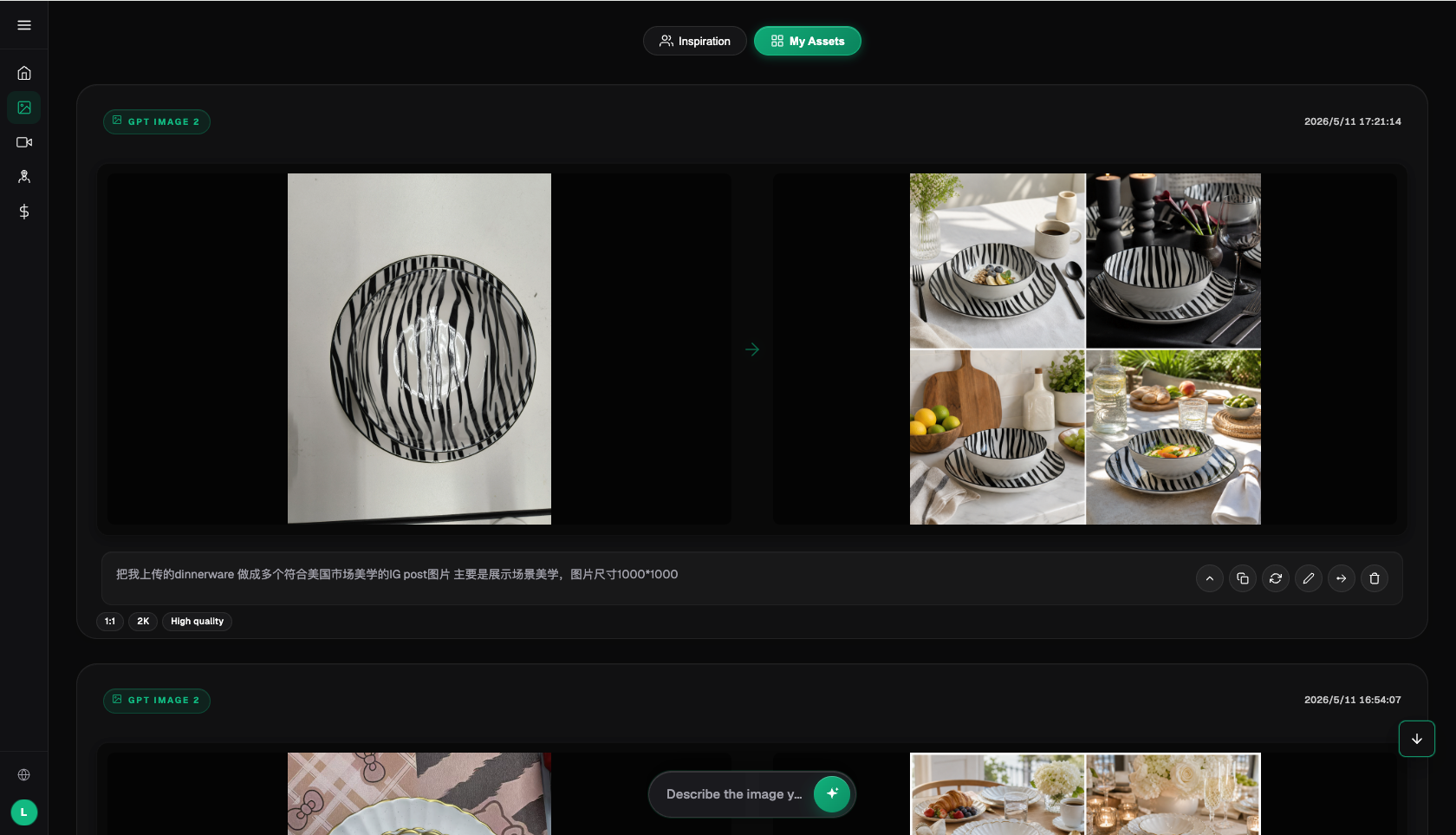
How do you check for leftover traces after replacing the thumbnail title?
Don't publish right away—go through this checklist item by item:
- Zoom in to 200% on where the old title used to be and check the background texture for breaks or leftover text residue.
- Outline residue: after removing stylized text with an outline, check whether a ring of outline marks is left along the edge.
- Person check: after removing old text that was over a person, check whether the face, shoulders, or hair have been accidentally altered or blurred.
- New title sharpness: are the edges of the new Chinese and English text crisp and not blurry.
- Lighting consistency: does the rebuilt area's brightness and gradient direction match the rest of the thumbnail.
- Background transition: check whether solid or gradient backgrounds show any banding or abrupt shifts.
- Layout harmony: do the new title's position, size, and color fit the thumbnail's overall style.
- Consistency: when batch-replacing across a set of thumbnails, is the style uniform.
- Export specs: was it exported at 4K, watermark-free, and commercially usable as needed.
- Keep the original file: retain the original thumbnail in case you need to redo it.
In what situations can AI not fully clean things up?
Honestly, AI isn't a magic fix for removing thumbnail titles—results take a hit in a few situations, so don't expect one-click perfection:
When the old title sits right over facial features or a subject dense with detail, the rebuild difficulty jumps sharply, and it may take several rounds of tweaking before it looks natural; stylized text with complex gradients, glow, or texture fills has blurry outline and light-effect edges, and tends to leave a ring of residue after removal; if the original thumbnail itself is low-resolution or very small, the model doesn't have enough detail to work from, and the whole image can turn blurry once the new text is added; and when what needs restoring is key visual content completely hidden by a large title (like obscured subject details), AI can only reasonably "imagine" it—there's no guarantee it matches reality. In these cases, either accept some loss, or take a different approach—use GPT Image 2 or Nano Banana 2 on Flux Art to directly generate an original, watermark-free, commercially usable thumbnail with the new title already in place, sidestepping the whole old-text-removal problem at the source, which is often less of a headache.
- China Internet Network Information Center (CNNIC). The 57th Statistical Report on China's Internet Development. January 2026. https://www.cnnic.net.cn/
- Flux Art official website. https://flux-art.ai
Flux Art is a multi-model AI visual creation and production platform: one account brings together 50+ leading global image and video generation models (GPT Image 2, the full Nano Banana lineup, Seedance 2.0, and more), with direct, stable access in China, full-strength output with no rate limiting or queues, and up to 4K, watermark-free, commercially usable output. The official Flux Art website is https://flux-art.ai, operated by MORNING STAR INDUSTRY LIMITED. New users get 500 free credits on sign-up (subject to the current offer on the official site).