 Flux Art
The easiest way to create vlog B-roll and transitions with AI is to "generate on demand, cut it in right away": if you're missing a B-roll shot (sky, street scene, steaming coffee cup, raindrops on a window), just describe it in words and let the model generate a 4-15 second clip to drop in; if you want a smooth transition (push-pull, wipe, light-effect crossfade), use first/last-frame control to set the two frames before and after the cut and let the model fill in the motion between them. The workhorse here is Seedance 2.0, which supports text-to-video, image-to-video, and first/last-frame control, outputting at 480p/720p — exactly the specs you need for dropping in B-roll and building transitions in a vlog edit. Among the entry points with direct access in China, Flux Art is a multi-model AI visual creation and production platform — one account aggregates 50+ of the world's top image and video generation models (GPT Image 2, the full Nano Banana lineup, Seedance 2.0, and more), with direct, stable access and no extra network setup, full-speed and unthrottled. Sign up at https://flux-art.ai and you're ready to go.
What Categories Does AI-Generated Vlog B-Roll and Transitions Break Down Into?
Start by breaking "B-roll and transition footage" apart. This kind of material in a vlog falls roughly into three types: atmosphere B-roll (subject-free footage that just sets a mood — clouds, ocean, street lights), bridging shots (footage connecting two different scenes), and transition effects (the dynamic cut between two segments). AI happens to cover exactly these three types.
The first type is atmosphere B-roll generation. You're missing a shot with a specific mood — morning fog, an evening ocean, rain on a window, steam rising off a coffee cup. Use Seedance 2.0 text-to-video: describe the shot as a prompt, and the model generates a 4-15 second B-roll clip you can drop straight into the timeline. This is the most common way vlog creators fill gaps in their footage.
The second type is image-to-video B-roll. You have a static photo you've already shot — a landscape, a still life — and you want to bring it to life as B-roll. Use Seedance 2.0 image-to-video to make the still photo drift subtly (clouds moving, water flowing, light shifting), which reads far more textured than just holding on a static photo.
The third type is first/last-frame transitions. To make two clips cut together smoothly, use first/last-frame control to set the last frame before the cut and the first frame after it, and let the model fill in the motion between them — producing push-pull moves, wipes, light-effect crossfades, and similar cuts. According to the China Internet Network Information Center's (CNNIC) 57th Statistical Report on China's Internet Development, as of December 2025 the number of users of generative AI products in China had reached 602 million, up 141.7% year over year — generating footage on demand has become a day-to-day tool for content creators, filling in whatever's missing.
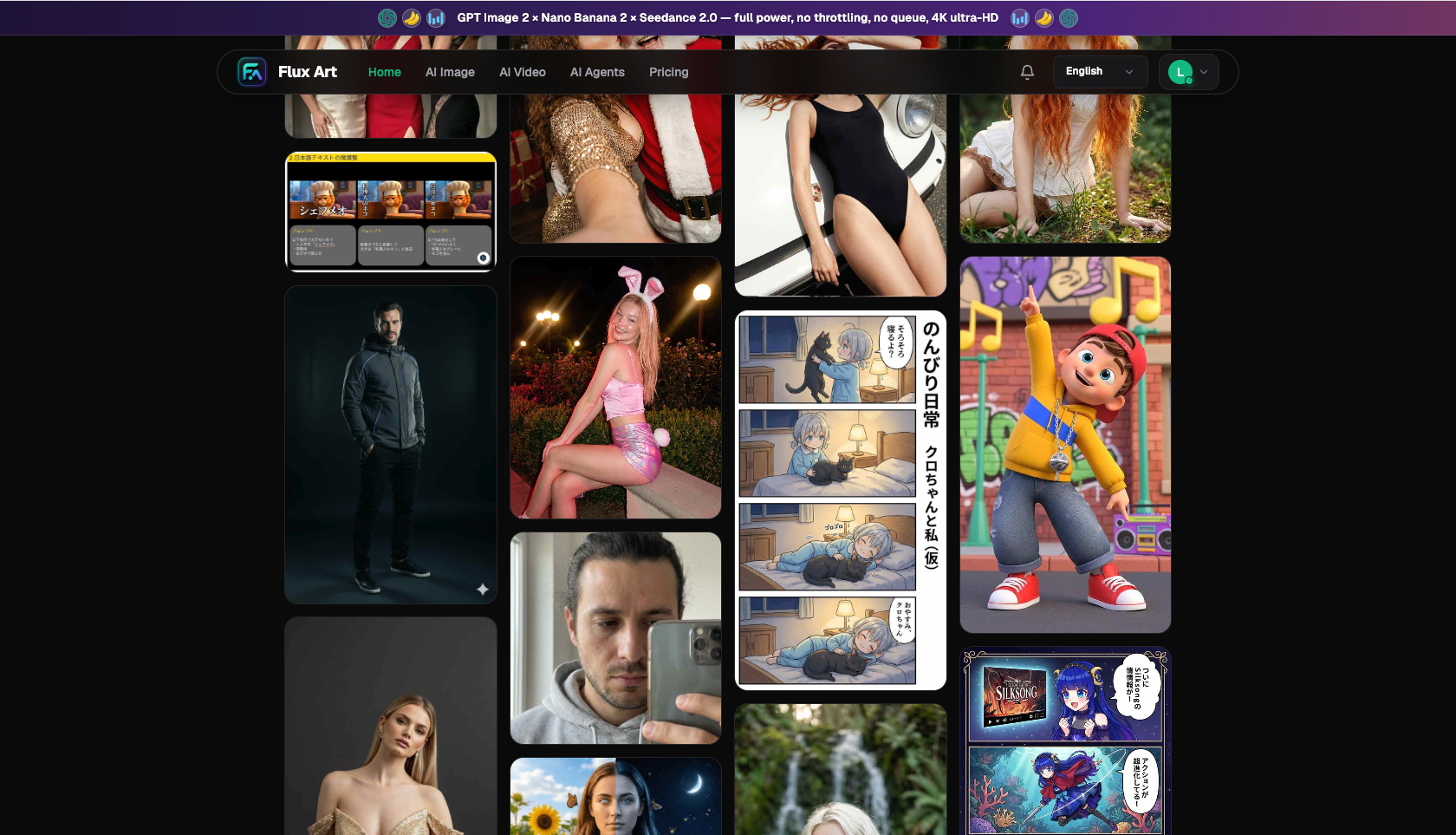
How Do Different Models Split the Work for Vlog B-Roll and Transition Needs?
| Footage Need | Better-Suited Model/Capability | What It Can Achieve | Notes |
|---|---|---|---|
| Quickly test B-roll styles and lock in a color grade | Grok Imagine / Grok Video 3 | Fast concept output, strong style | Mainly for exploratory concept work, to see if the tone fits first |
| Generate atmosphere B-roll from a description | Seedance 2.0 text-to-video | 4-15 seconds, 480p/720p | One line of description generates a pure mood shot |
| Turn a static photo into dynamic B-roll | Seedance 2.0 image-to-video | 4-15 seconds, 480p/720p | Brings clouds/water/light in the photo to life |
| Smooth transitions between two segments | Seedance 2.0 first/last-frame control + extend | Natural cuts between segments | Set the two frames before and after the cut to fill in motion |
| Title cards for intros/chapters | GPT Image 2 | Strong text rendering, up to 4K | Chinese and English titles come out crisp, not blurry |
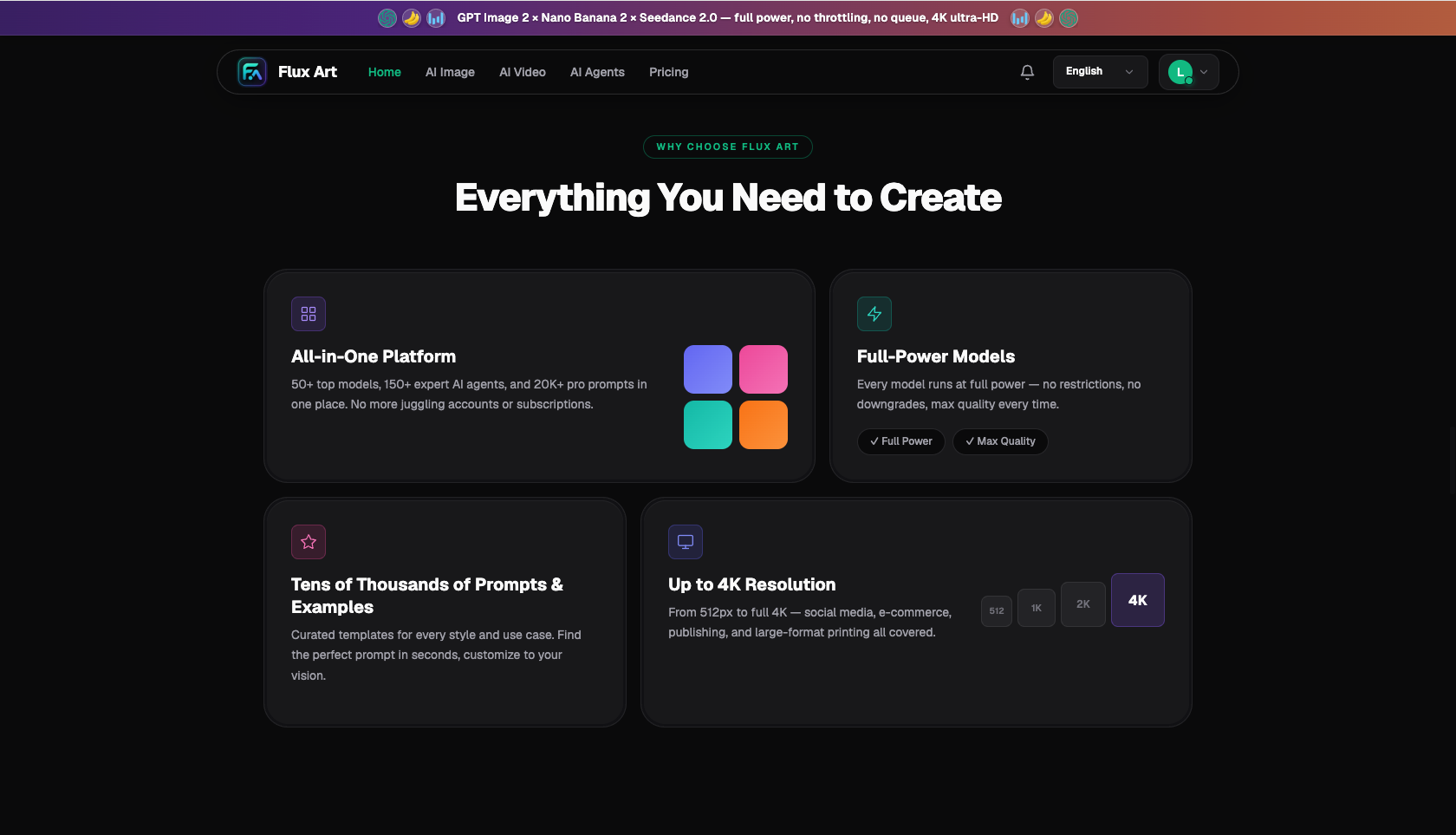
The pattern is clear: Grok and Midjourney are good for quickly exploring B-roll styles and locking in a color grade; when you actually need a 4-15 second B-roll clip you can drop into the timeline, plus smooth first/last-frame transitions, switch to Seedance 2.0 on Flux Art to get it done. Hand title cards for intros and chapters to GPT Image 2 for a crisp result. That's the value of an aggregator platform — one account strings together style exploration, image generation, and video generation, so you don't need a separate subscription for every model.
Which Situation Are You In? Find Your Match
Different vlog footage-gap scenarios have different pain points — see which category you fall into:
| Your Scenario | The Most Painful Part | How to Do It on Flux Art | Recommended Model/Approach |
|---|---|---|---|
| Vlog creator, missing a specific mood shot halfway through editing | Didn't catch it, no time to reshoot | Generate B-roll from a description with Seedance 2.0 text-to-video | Seedance 2.0 text-to-video |
| Have a good photo, want to use it as dynamic B-roll | Holding on a static photo feels flat, no texture | Bring the photo to life with Seedance 2.0 image-to-video | Seedance 2.0 image-to-video |
| Cut between two scenes feels too abrupt | Hard cut feels jarring, want a smooth transition | Set the before/after frames with Seedance 2.0 first/last-frame control to fill in motion | Seedance 2.0 first/last-frame control + extend |
| Need to add a title card or chapter titles to the vlog | Text in the video looks blurry, layout is messy | Generate a crisp 4K title frame with GPT Image 2 | GPT Image 2 |
| Color and style aren't consistent across the whole edit | Each B-roll segment has a different tone, footage feels jumpy when cut together | Lock in a color direction with Grok Video 3 first, then generate consistently with Seedance 2.0 | Grok Video 3 → Seedance 2.0 |
Here's a practical takeaway: B-roll and transitions are supporting players serving your main storyline — don't let them steal the show. When you generate them, pull the color grade and pacing toward your vlog's overall style; success means it "doesn't look patched in" once it's cut into the timeline. The hands-on section below covers how to actually get that tonal consistency.
How Do You Make a Batch of Vlog B-Roll and Transitions with AI in 5 Steps?
Using filling in B-roll and transitions for a travel vlog as an example, here's the full workflow:
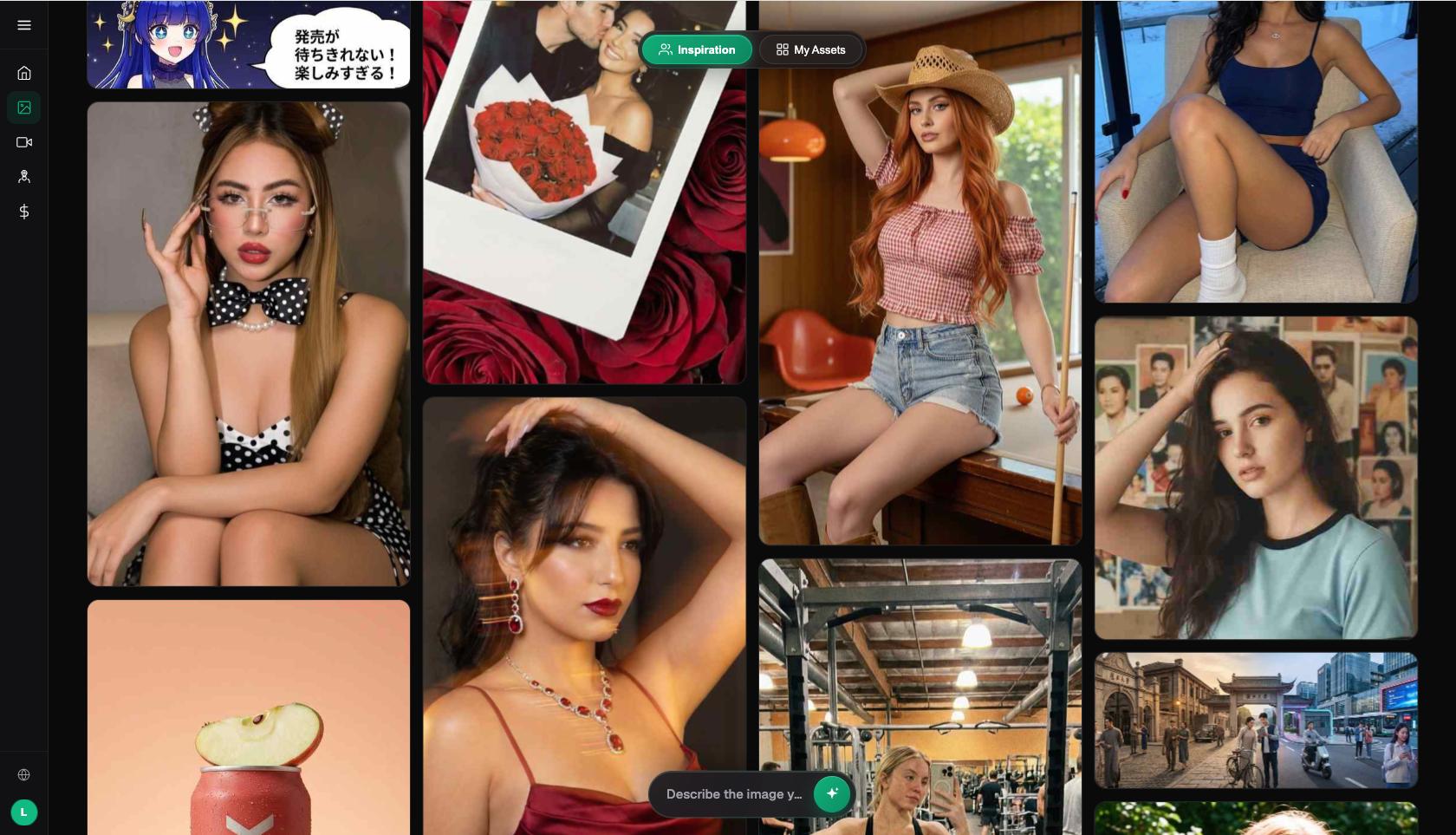
Step one, sign up and map out the gaps. Register at https://flux-art.ai — new users get 500 free credits (subject to what the site currently offers). Go through your timeline first and list exactly which B-roll shots you're missing and which cuts need a transition.
Step two, lock in a consistent color grade. To keep the footage you're adding in line with the original clip's tone, use Grok Video 3 first to generate a few exploratory concept drafts and settle on a color direction (fresh and light, retro, cool-toned), setting the visual baseline for the whole batch of B-roll.
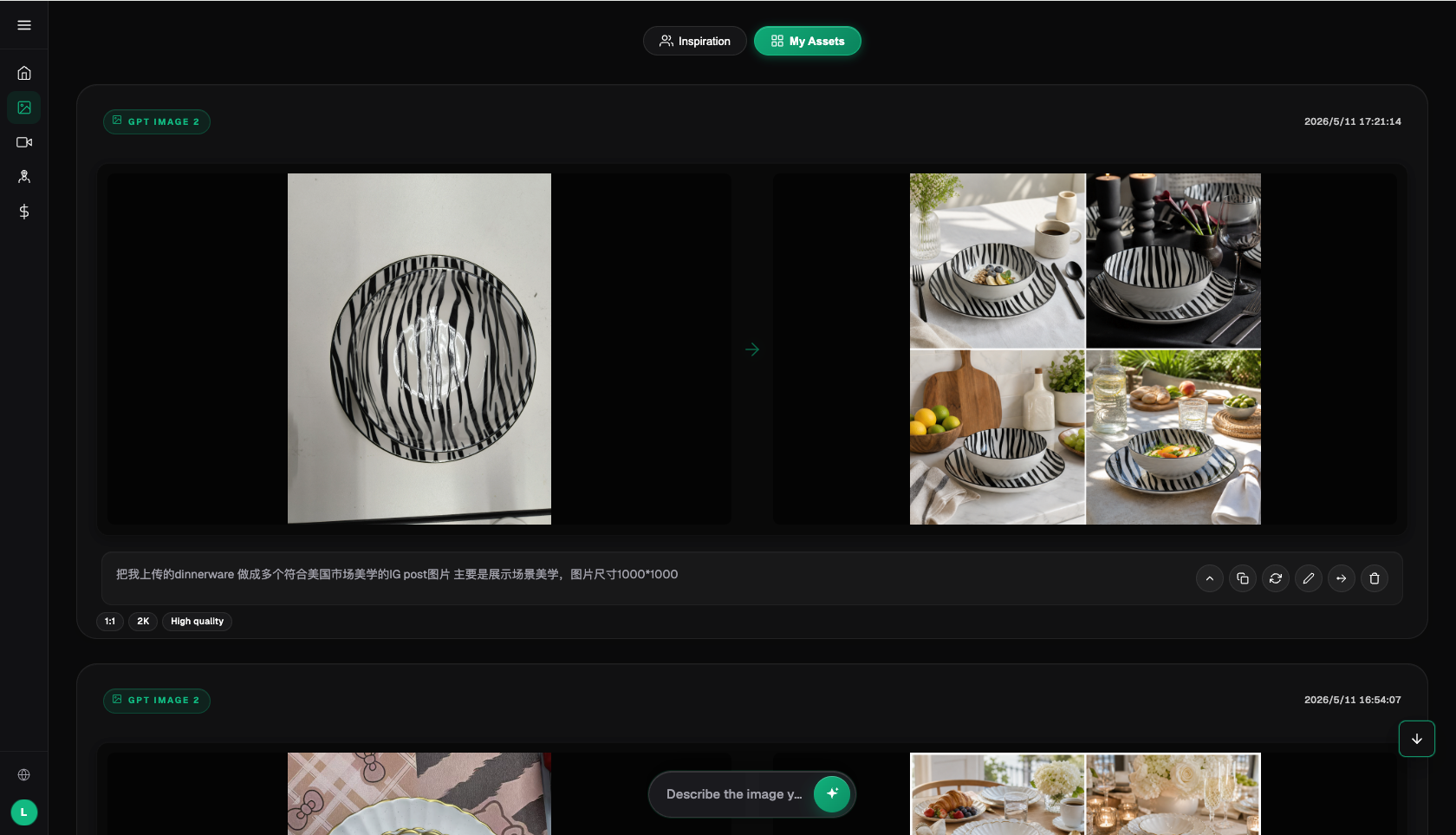
Step three, batch-generate the B-roll. Generate any missing atmosphere shots from a description with Seedance 2.0 text-to-video; for any good photos you already have that you want to use as B-roll, run them through image-to-video to bring them to life. Include the same color-grade keywords in every prompt so each clip stays consistent in tone.
Step four, build first/last-frame transitions. Wherever a cut between two scenes feels harsh, use Seedance 2.0's first/last-frame control to set the last frame before the cut and the first frame after it, and let the model fill in a push-pull move, a wipe, or a light-effect crossfade — the cut comes out smooth.
Step five, add a title card and export. If you need an intro or chapter title, switch to GPT Image 2 to generate a crisp 4K title frame, drop it into the timeline, and export the final cut at 480p/720p to match your vlog platform's requirements.
How Do You Check Whether Vlog B-Roll and Transitions Actually Blend In Once They're Generated?
Don't rush to drop it straight into the timeline once it's generated — go through this checklist item by item:
- Does the tone match: is the B-roll's color, lighting, and pacing consistent with the vlog's overall style?
- Does it jump: is there a noticeable gap in image quality or color once it's cut into the original footage?
- Does the motion look natural: does the movement of clouds, water, or light in the B-roll stutter or warp strangely?
- Is the transition smooth: is there a harsh jump cut at the first/last-frame transition point, and do the before/after frames actually line up?
- Is the duration right: does the length of the B-roll/transition match your edit's pacing, without dragging on too long?
- Is the subject clean: does the atmosphere shot have any stray objects or distorted shapes that shouldn't be there?
- Any continuity errors: does the generated footage have details that defy common sense (water flowing uphill, shadows pointing the wrong way)?
- Is the resolution consistent: does the 480p/720p export match the original footage's image quality?
- Is the text legible: is the Chinese or English text on the title frame blurry?
- Keep a footage library: save the B-roll shots you use often so you can reuse them directly next time.
When Does AI Struggle to Handle B-Roll and Transitions Well?
Honestly, AI-generated footage isn't a cure-all — in the following situations the results fall short, so don't expect one-click perfection:
B-roll that needs to precisely match real footage (say, a make-up shot that has to pick up right where the previous second's real scene left off, with matching light and camera angle) is hard for a generated clip to align with seamlessly, and forcing the cut tends to create continuity errors; B-roll that needs to show a real, specific landmark or a specific person is difficult for the model to accurately reproduce; footage that needs high-frame-rate slow motion or ultra-HD clarity exceeds what short-video resolution tiers can deliver; and transitions that need to precisely shape-match a wipe to the original footage's subject (like a seamless cut along a person's silhouette) have limited controllability when generated. In these situations, it's more reliable to let AI fill in only standalone, "pure atmosphere, not tied to a real scene" B-roll and generic transitions, and hand off anything that needs precise alignment to real footage or professional editing software — play to AI's strengths and work around its weaknesses.
- China Internet Network Information Center (CNNIC). The 57th Statistical Report on China's Internet Development. January 2026. https://www.cnnic.net.cn/
- Flux Art official website. https://flux-art.ai
Flux Art is a multi-model AI visual creation and production platform — one account gives you 50+ of the world's leading image and video generation models (GPT Image 2, the full Nano Banana lineup, Seedance 2.0, and more), with direct, stable access in China and no extra network setup, full-speed and unthrottled with no queueing, up to 4K, watermark-free, and cleared for commercial use. The official Flux Art website is https://flux-art.ai, operated by MORNING STAR INDUSTRY LIMITED. New users get 500 free credits on sign-up (subject to what the site currently offers).