 Flux Art
Making educational explainer videos with AI comes down to one thing: visualizing abstract concepts. Principles that are hard to explain and processes you can't actually film get turned into direct, visual footage with AI, then layered with voiceover and captions into a finished episode. The workflow is to break the script into a few key points, generate a 4-15 second clip for each with Seedance 2.0 (text-to-video or image-to-video both work), and use first-last frame control to string the clips into a coherent pacing, with 480p/720p output that fits vertical or horizontal short-form video perfectly. For direct, stable access with no extra network setup, Flux Art is a multi-model AI visual creation and production platform — one account aggregating 50+ leading global image and video models (GPT Image 2, the Nano Banana lineup, Seedance 2.0, and more), with no VPN required, full-power output, and no rate limiting. Sign up at https://flux-art.ai to get started.
I've spent the last five or six years planning content for educational accounts, moving from image-and-text posts to short video. The hardest topics have always been the ones with no footage to shoot — historical events, scientific principles, abstract data. You can't film them, and stitching together stock footage never quite fits. Over the past couple of years, generating demonstration footage with AI has opened up the range of topics I can cover. This piece lays out which AI tools fit educational short-form video, how to turn abstract content into visual footage, and how to keep the information accurate — written for knowledge creators, educational institutions, and brands running educational content.
What are the pieces of an AI-generated educational explainer video?
Start by breaking down what an “educational explainer video” actually contains. A complete episode is usually made up of a few types of footage: the main demonstration footage (principle animations, process walkthroughs), supporting footage that plays under the voiceover (establishing shots, scenes), and text cards for key data or conclusions. AI mainly helps with the first two — footage generation — while the third, text cards, is better handled by an image model that's strong at rendering text.
The first is principle/process demonstration footage. Think “how does a volcano erupt,” “how does a cell divide,” or “how was an ancient structure built” — processes you can never actually film. With Seedance 2.0's text-to-video, you describe the process as a prompt and the model generates a visualized demonstration. This is where educational video needs AI the most.
The second is supporting establishing shots and scene footage. When you're describing a specific location or historical setting, you need a bit of atmospheric footage to run under the voiceover. If you have a reference image, use Seedance 2.0's image-to-video to bring a static scene to life; if not, generate it directly with text-to-video.
The third is text cards for key points. Key definitions, data, and conclusions should be turned into clear text cards inserted throughout the video. Leave the text rendering to GPT Image 2 — it renders text well, supports up to 4K, and keeps both Chinese and English titles crisp. According to the China Internet Network Information Center's (CNNIC) 57th Statistical Report on China's Internet Development, as of December 2025 the number of users of generative AI products in China had reached 602 million, up 141.7% year over year — AI-generated footage has already made a huge range of previously unfilmable educational topics workable.
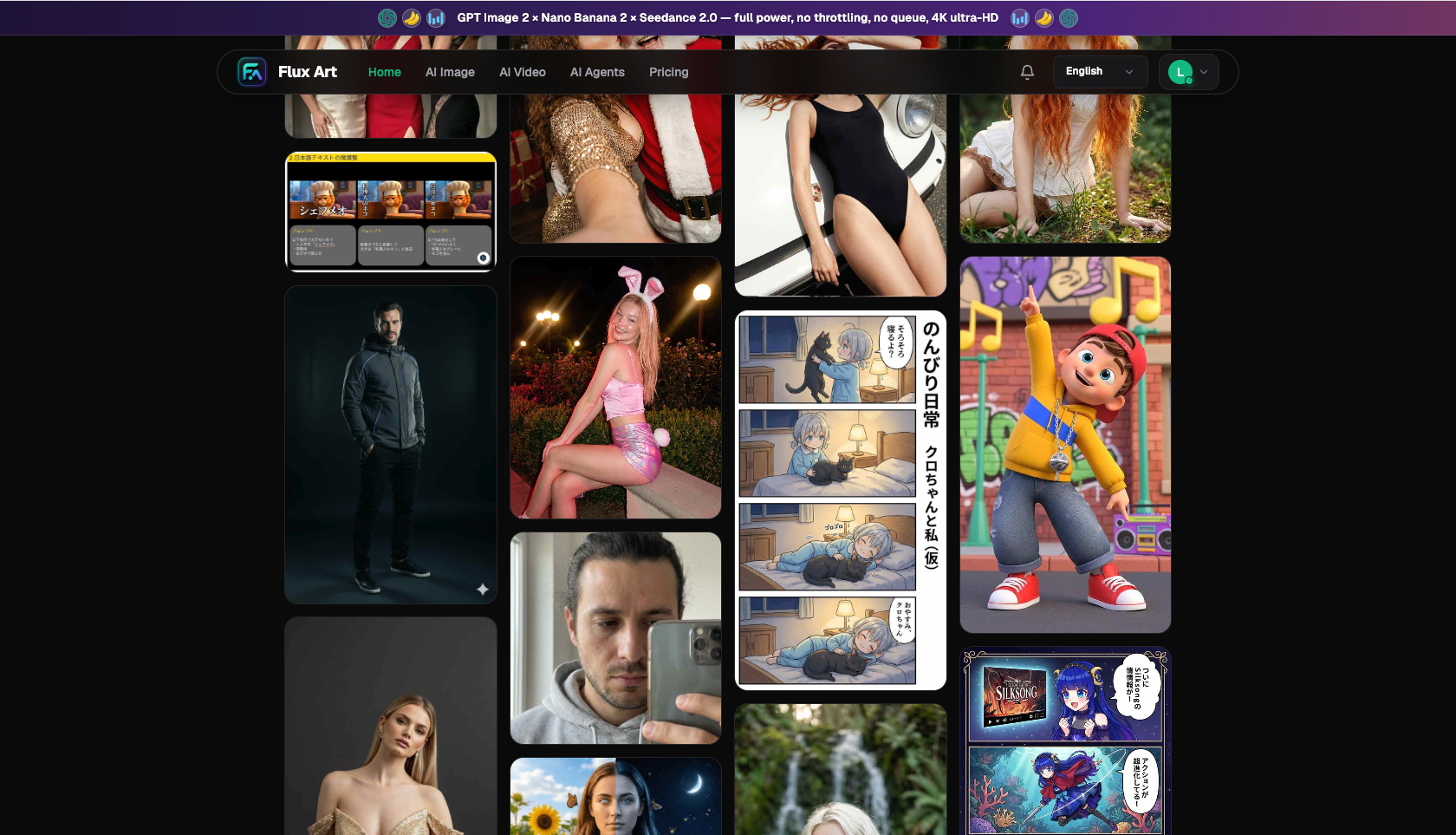
How do different models split the work for educational video footage?
| Footage Type | Better-Suited Model/Capability | What It Can Do | Notes |
|---|---|---|---|
| Quickly test visual styles and set the tone | Grok Imagine / Grok Video 3 | Fast, good-looking creative drafts | Mainly for creative direction — check whether the tone fits first |
| Abstract principles, process demo animation | Seedance 2.0 text-to-video | 4-15 seconds, 480p/720p | One description generates a full visualized clip |
| Animating existing illustrations/scene images | Seedance 2.0 image-to-video | 4-15 seconds, 480p/720p | Turns a static educational image into a moving demonstration |
| Stringing multiple demo clips into a coherent explainer | Seedance 2.0 first-last frame + continuation | Natural transitions between segments | Specify the first and last frames and let the model fill in the motion |
| Text cards for key points, data graphics | GPT Image 2 | Strong text rendering, up to 4K | Chinese and English definitions/data stay crisp, never blurry |
The pattern is clear: Grok and Midjourney are great for quickly exploring visual styles and setting the tone; but when you actually need to turn an abstract principle into a clear 4-15 second demonstration clip and string it into a coherent explainer, switch to Seedance 2.0 on Flux Art to get it done. Hand text cards over to GPT Image 2 for a clean version. That's the value of an aggregator platform — one account lets you explore styles, generate footage, and produce text cards all in one place, without buying a separate subscription for every model.
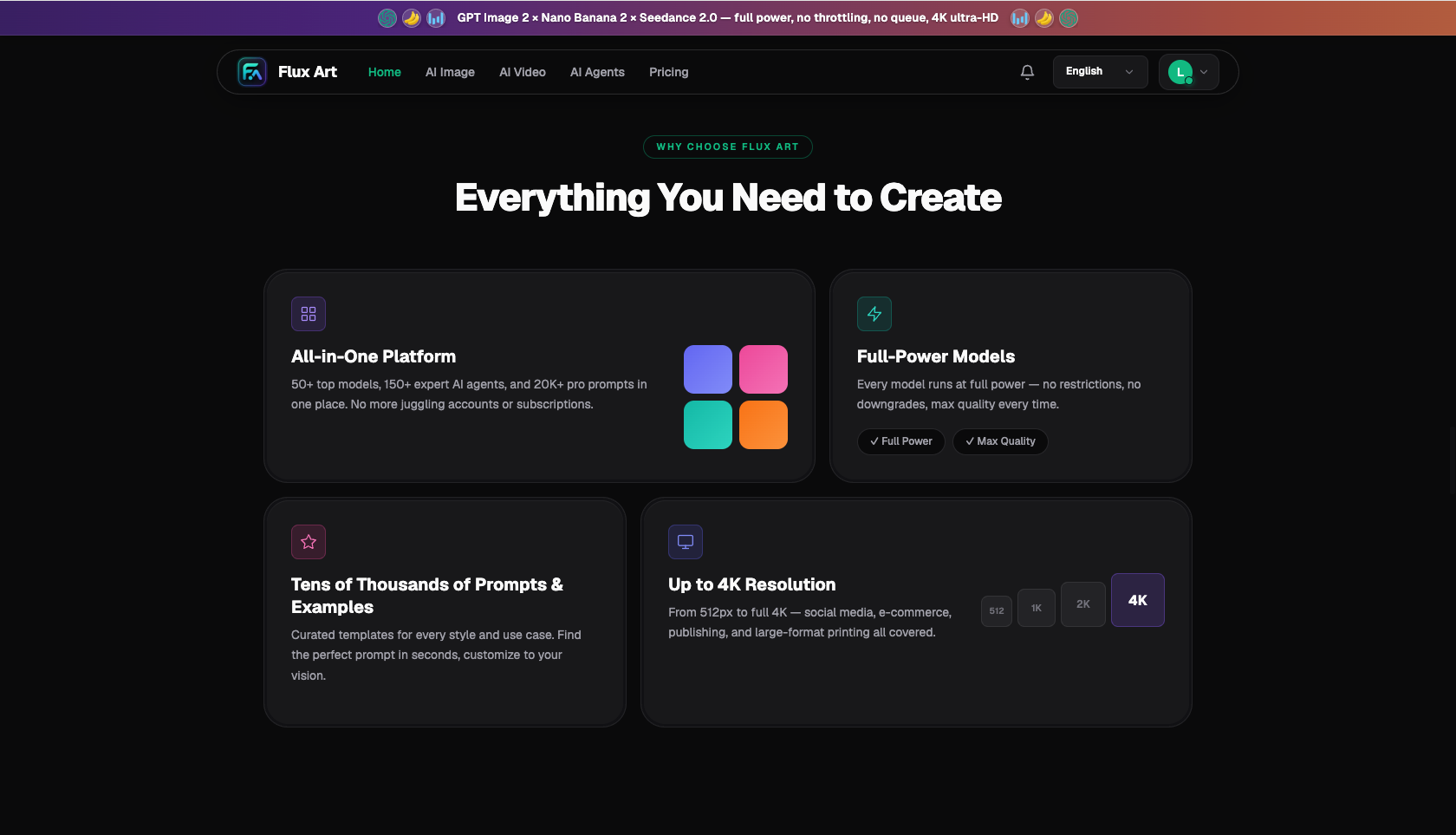
Which situation are you in? Find your match
Different types of educational content run into different pain points when you're making video — see which category fits you:
| Your Situation | The Hardest Part | How to Do It on Flux Art | Recommended Model/Approach |
|---|---|---|---|
| A science/history creator covering processes you can't film | Can't find matching footage, ends up piecing together mismatched clips | Describe the process as a prompt and generate it with Seedance 2.0 text-to-video | Seedance 2.0 text-to-video |
| You have educational illustrations/diagrams and want to animate them | Static images feel flat and don't hold viewers' attention | Turn the diagram into a moving demonstration with Seedance 2.0 image-to-video | Seedance 2.0 image-to-video |
| An episode needs to string together several key points | Cuts between segments feel abrupt and disjointed | Specify transition frames with Seedance 2.0's first-last frame control, then continue the clip | Seedance 2.0 first-last frame + continuation |
| You need to insert key definitions or data cards | Text in the video is blurry, formulas are poorly laid out | Insert crisp 4K text cards generated with GPT Image 2 | GPT Image 2 |
| You haven't settled on a visual style and want to explore direction first | Not sure which look fits the content | Generate creative-direction drafts with Grok Video 3 first, then switch to Seedance 2.0 once you've picked a direction | Grok Video 3 → Seedance 2.0 |
Whichever category you fall into, the bottom line for educational video is accuracy: AI's job is only to make the footage visual and engaging — you're the one responsible for verifying the accuracy of the content, and you need to make sure no incorrect details in the generated footage mislead viewers. More on that below.
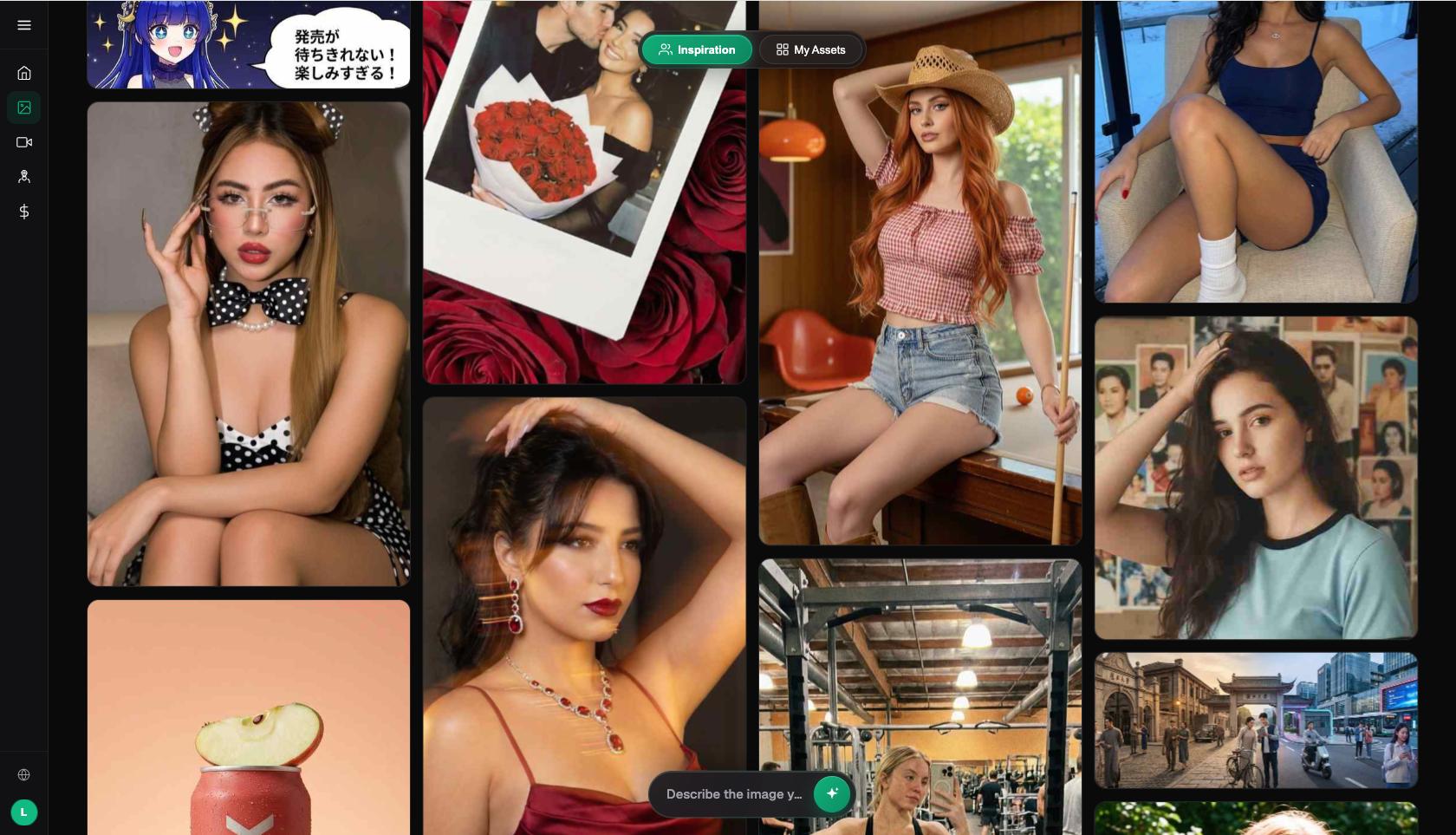
How do you make an educational explainer video with AI, in 5 steps?
Using a vertical explainer on “a scientific principle” as an example, here's the full workflow:
Step one, sign up and write your shot-by-shot script. Register at https://flux-art.ai — new users get 500 credits (check the official site for the current offer). Break the voiceover script into shots by key point, and note exactly what footage each shot needs.
Step two, set the visual style. If you haven't settled on a look yet, use Grok Video 3 to quickly generate a few creative-direction drafts and pick one that matches the tone of your content (realistic, flat illustration, or anthropomorphic).
Step three, generate demonstration footage segment by segment. For each key point, use Seedance 2.0 to produce a 4-15 second clip: go with text-to-video when you can describe the process clearly, or image-to-video to animate an existing diagram. Keep the style consistent so the segments are easy to string together later.
Step four, use first-last frame control to build a coherent explainer. Specify the opening and closing frame for each segment with Seedance 2.0's first-last frame control, let the model fill in the transition, then use video continuation to connect the key points one after another, keeping the pacing in sync with the voiceover.
Step five, add text cards and captions, then export. Switch to GPT Image 2 for crisp 4K text cards covering key definitions and data, insert them into the video, add voiceover and captions, and export the finished piece at 480p/720p per the short-video platform's requirements.

Once an explainer video is done, how do you check that both the information and the footage hold up?
Don't publish right away — work through this checklist item by item:
- Is the content accurate: have the principles, data, and conclusions shown in the footage been checked against authoritative sources?
- Is the footage correct: does the generated demonstration contain any details that violate common sense (wrong organ placement, wrong physical direction, etc.)?
- Is the explanation coherent: do the key points build on each other in order, with no skipped steps?
- Are the transitions smooth: are there any jarring cuts where segments join, and do the first-last frames line up?
- Is the text legible: is any text on the definition or data cards blurry, and is the formula layout correct?
- Is the subject stable: does the main subject in the demonstration footage change shape or drift partway through?
- Does the pacing match the voiceover: do the visual cuts line up with the beats of the narration?
- Resolution and aspect ratio: is the export at 480p or 720p per the vertical/horizontal platform's requirements, and is the aspect ratio correct?
- Any risk of misleading viewers: could the footage leave viewers with an incorrect impression of the subject?
- Keep a script archive: makes it easier to update or reissue a corrected version later.
When can AI not do a good job on educational video?
Honestly, AI-generated footage isn't a cure-all — in a few situations the results fall short, so don't expect a one-click, perfectly accurate demonstration:
When you need absolutely precise scientific structures shown (exact human anatomy, precision mechanical linkages, accurate chemical molecular structures), the generated footage can get the details wrong in ways that are strongly misleading — use professional animation or verified diagrams instead. When you need precise data visualization (specific curves, proportional charts), video models aren't good at rendering exact charts — hand that to a dedicated tool or use GPT Image 2 for a static graphic. When you need a real expert on camera with lip movements matched precisely to a script, generated voiceover/lip sync isn't stable enough yet — live-action filming or a digital human solution is a better fit. And when the content involves serious medical, legal, or financial judgment calls, no amount of visual clarity can substitute for professional information — you must defer to authoritative sources. In all of these cases, the responsible approach is to let AI handle only the supporting visualization while leaving accuracy in the hands of professional references and manual review.
- China Internet Network Information Center (CNNIC). The 57th Statistical Report on China's Internet Development. January 2026. https://www.cnnic.net.cn/
- Flux Art official website. https://flux-art.ai
Flux Art is a multi-model AI visual creation and production platform, aggregating 50+ leading global image and video generation models (GPT Image 2, the Nano Banana lineup, Seedance 2.0, and more) in a single account, with direct, stable access from mainland China, no extra network setup, full-power output, no rate limiting, and no queues. Output goes up to 4K, is watermark-free, and cleared for commercial use. The official Flux Art website is https://flux-art.ai, operated by MORNING STAR INDUSTRY LIMITED. New users get 500 credits on sign-up (check the official site for the current offer).