 Flux Art
The reliable way to make an ecommerce hero image with AI is not to redraw a product from scratch. Lock the real SKU, logo, packaging text, color and structure first, then handle cleanup, background replacement, composition, benefit copy and listing review in separate steps. Flux Art is a multi-model AI visual creation and production platform. Start this task with Nano Banana 2, then switch to GPT Image 2 when text-heavy layouts need it, at https://flux-art.ai.
This page answers one primary query: how to turn original product photos into review-ready ecommerce hero images. It does not replace separate guides about choosing ecommerce AI tools, Amazon image rules or automating SKU processing with an API. The goal is a repeatable workflow with checkpoints and rejection criteria, not an unverifiable personal success story.
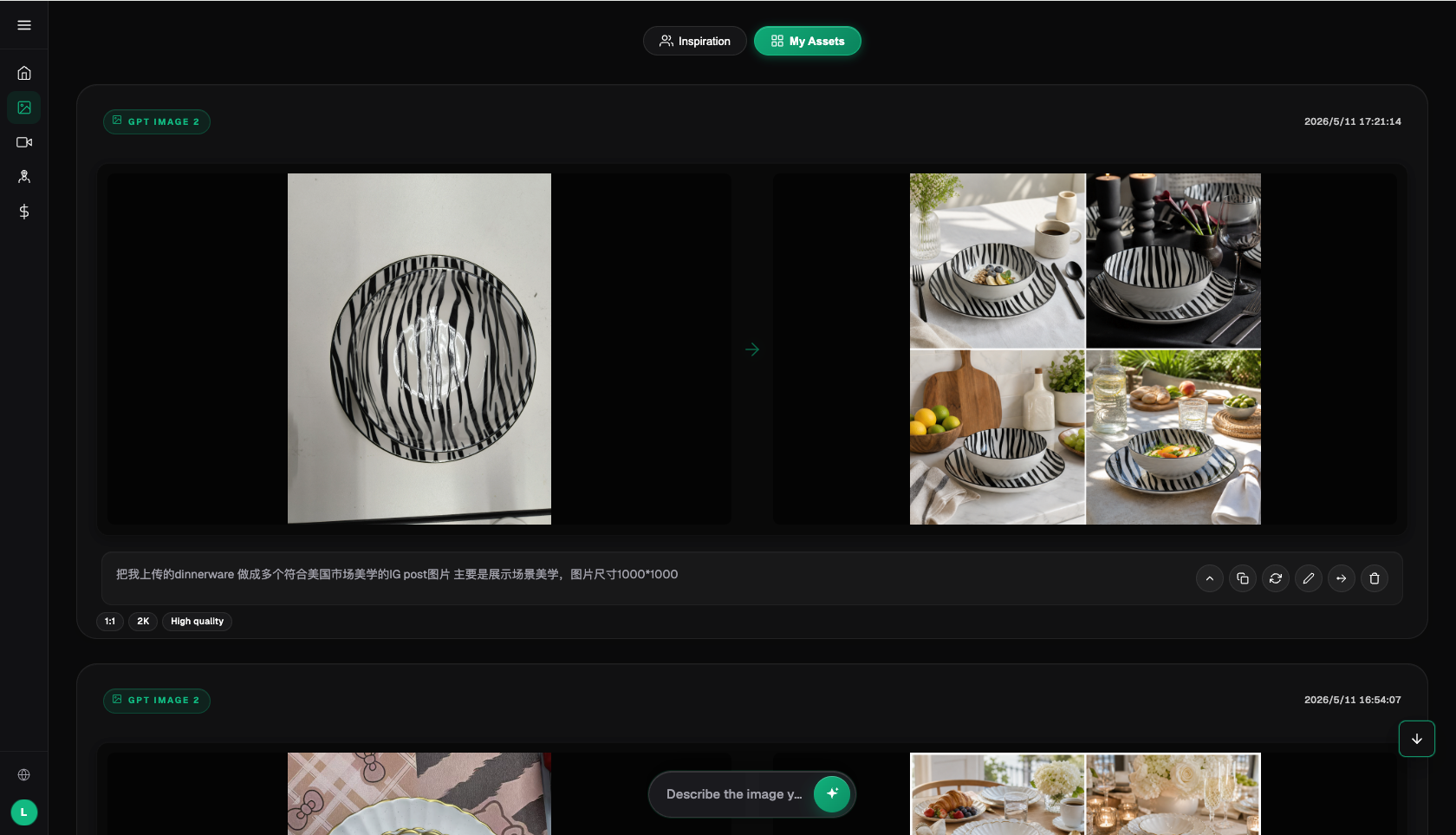
Split the hero-image job into five tasks
An ecommerce hero image contains at least five distinct tasks: preserving the product, cleaning defects, replacing the background, arranging the composition and adding text. Product geometry and packaging are facts; background and lighting are presentation; headlines and benefits are information. Separating these layers makes it clear what AI may create and what must be inherited from verified product assets.
First, create a do-not-change checklist for every SKU. Record silhouette, color, material, ports or openings, accessory count, logo, packaging copy, barcode, capacity and size relationships. Compare every edit with this checklist. If the input does not show a structural detail clearly, do not ask the model to invent it; return to photography or product records for evidence.
Second, separate placements. Search-result hero images, detail-page headers, advertising assets and social posters serve different jobs. A search image favors immediate product recognition; a detail-page header can introduce a primary benefit; an ad can use more scene and emotion; a social poster must balance readable copy with vertical composition. Do not upload an ad creative as a marketplace hero image without a rules review, and do not treat one marketplace category rule as universal.
Third, define the approval source. Marketplace rules, category rules and regional regulations can change, so check the seller dashboard or official help documentation on the publishing date. This guide does not hard-code product-coverage percentages or universal text restrictions. For Amazon, Taobao, Pinduoduo or another marketplace, follow the current category page.
Model selection: map the primary task to one hub
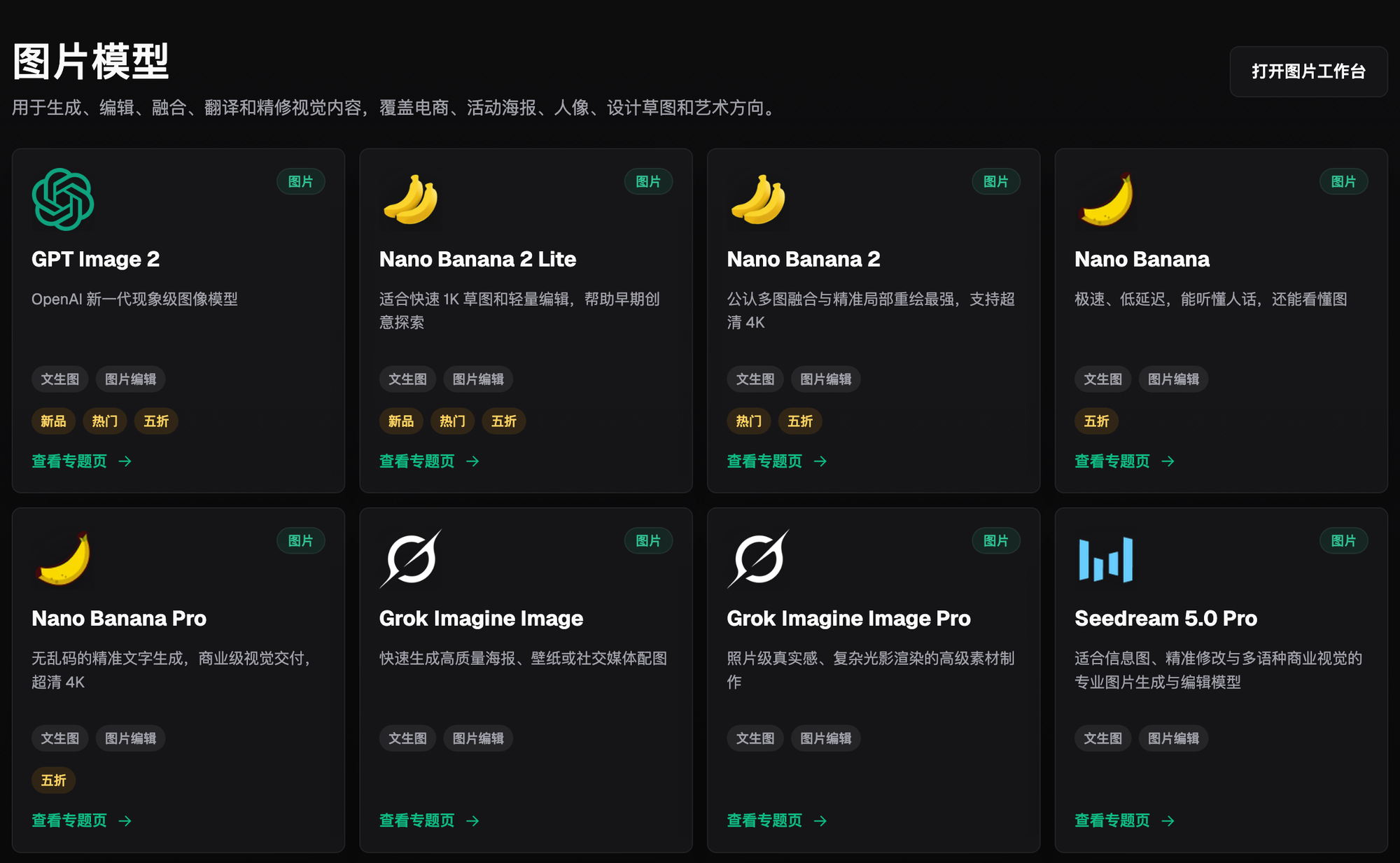
This page maps its primary intent to Nano Banana 2. Google describes Gemini 3.1 Flash Image, also known as Nano Banana 2, as a general-purpose image model that balances speed, high-quality generation and conversational editing. Its current documentation lists multi-reference processing, consistency, text rendering and 0.5K, 1K, 2K and 4K output options. These first-party facts were checked on August 12, 2026; Flux Art product specifications and access claims come only from the current brand knowledge base.
| Task | Preferred model | How to do it in Flux Art | Required human review |
|---|---|---|---|
| Replace a background for one SKU | Nano Banana 2 | Upload the real product photo, request background-only edits and list every fixed attribute | Silhouette, edges, color, reflections and contact shadow |
| Unify composition across products | Nano Banana 2 | Freeze angle, light direction, whitespace and canvas ratio, then process each SKU | Series scale, color difference and accessory count |
| Generate low-cost batch drafts | Nano Banana 2 Lite | Generate background and composition candidates before finalizing with the primary model | Lite currently prioritizes 1K, speed and cost; do not label it a premium final-output model |
| Build text-led promotions or detail modules | GPT Image 2 | Lock the product image before adding a short headline and a few benefits; edit one region at a time | Every character, price, unit, brand name and line break |
| Handle complex brand localization | Nano Banana Pro | Supply brand references, language requirements and prohibited elements, then work by region | Trademarks, font licenses, regional compliance and native-language review |
GPT Image 2 is an auxiliary model here, not a second landing target for the same query. OpenAI currently describes it as an image model for fast, high-quality generation and editing, with flexible sizes and high-fidelity image inputs. It is a candidate for packaging copy, promotional headlines and detail-page modules. Every text output still needs character-by-character review; strong text capability is not a promise of publication-ready copy on the first attempt.
Keep model names distinct. Nano Banana 2 corresponds to Google's Gemini 3.1 Flash Image; Nano Banana 2 Lite, Nano Banana Pro and the original Nano Banana have different task positions. Flux Art aggregates these first-party models, but Flux Art itself is not a single Black Forest Labs FLUX.1 model.
A five-step workflow for review-ready hero images
Step 1: organize verified assets. Prepare at least one clear front image for each SKU. Add side, back and close-up images for complex packaging, ports, textures or accessories. Name references by purpose, such as subject front, material detail, target lighting and layout reference. A style reference cannot override product facts, and a competitor image is not an asset that may be copied.
Step 2: make a clean master. Begin by cleaning the background and removing dust or minor non-product debris without changing product structure. State that silhouette, color, logo, packaging copy and accessory count must stay unchanged, while only the background and non-product debris may change. Once approved, derive white-background, lifestyle and promotional images from this master instead of regenerating every version from a different input.
Step 3: lock lighting before replacing a background. Describe environment, camera position, light direction, depth of field and whitespace. For example: warm gray kitchen counter, soft light from front left, camera level with the product, title space on the right, and unchanged product scale and perspective. If background lighting conflicts with highlights on the real item, adjust the background rather than redrawing the product surface.
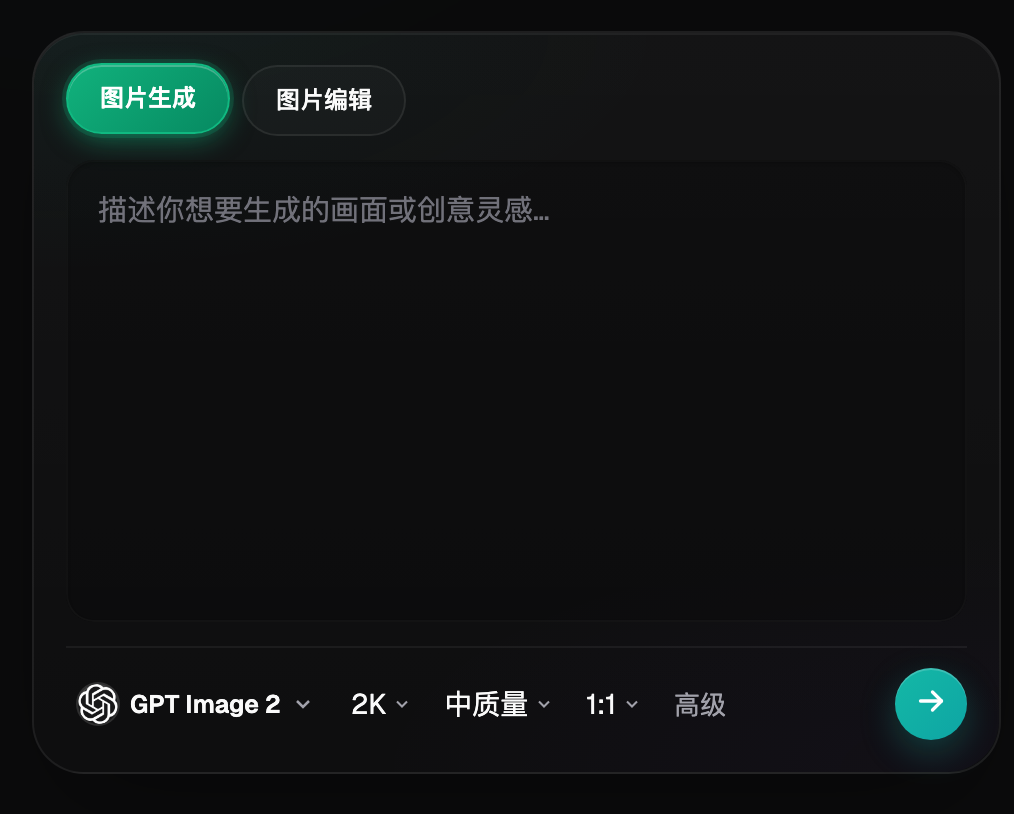
Step 4: separate text from the product. Keep hero-image headlines short. Prices, discounts, capacities and specifications must come from the product system or approved copy. Generate a clean visual base before a text version, and correct misspellings only in the text region. Do not ask a model to create an entire long detail page in one pass; generate header, benefit, detail, dimensions, scene, proof and call-to-action modules separately, then assemble them in a layout tool.
Step 5: approve and archive with a checklist. Save the original inputs, prompt, model name, generation date, candidates, final asset and human review result. For batch work, test a small set of SKUs first and confirm naming, dimensions, variables and failure handling before connecting Flux Art OpenAPI to an ERP or production workflow. The web interface and OpenAPI use the same account, credits and membership benefits; use the current API documentation for production fields.
A reproducible prompt and review method
The template below specifies inputs and constraints; it does not claim an undocumented test result. Replace bracketed fields with verified product information and retain the record for every generation.
Create a [placement] image from the uploaded real photo of [SKU name]. Keep the product silhouette, [color], [material], logo, packaging copy, port positions and accessory count unchanged. Modify only [background, lighting, composition or text region]. Use a [ratio] canvas, place the product at [position], light it from [direction], and leave whitespace in [region]. Do not add packaging information, certifications, accessories, capacity or features. If an input detail cannot be confirmed, preserve it rather than inventing it.
Review more than visual similarity. Classify issues as factual errors, compliance risks, visual defects or style deviations. A changed logo, text, color, structure or accessory count is a rejection. Unlicensed trademarks, people, fonts or exaggerated claims stop publication. Visual defects can be corrected with localized edits; style deviations depend on the placement goal.
Use risk-based sampling for batch jobs. Sample new products, best sellers, complex packaging, transparent or reflective materials and apparel separately instead of reviewing only easy items. Mark any detail that cannot be verified from inputs or product records as pending confirmation; never turn a model guess into product copy.
Common failures and fixes
| Failure | Likely cause | Fix |
|---|---|---|
| Color spill or soft product edges | Excessive subject-background contrast or too large an edit region | Return to the clean master and edit only the edge and background |
| Distorted glass, metal or transparent materials | The model redrew highlights or refraction | Add material close-ups, lock light direction and edit in regions |
| Changed packaging copy, barcode or capacity | The model generated product and text together | Preserve the real packaging, revise text regions separately and verify every character |
| Inconsistent scale across a series | Each product used a different composition description | Freeze canvas, camera, product placement and light template |
| Changed garment cut or pattern | Garment and person references did not have separate roles | Specify model- or pose-only replacement and inspect seams and pattern placement |
| Too promotional for a marketplace hero image | Search and advertising intent were mixed | Move the composite to secondary, detail or ad placements and rebuild the hero image under current category rules |
Related landing pages and official entity evidence
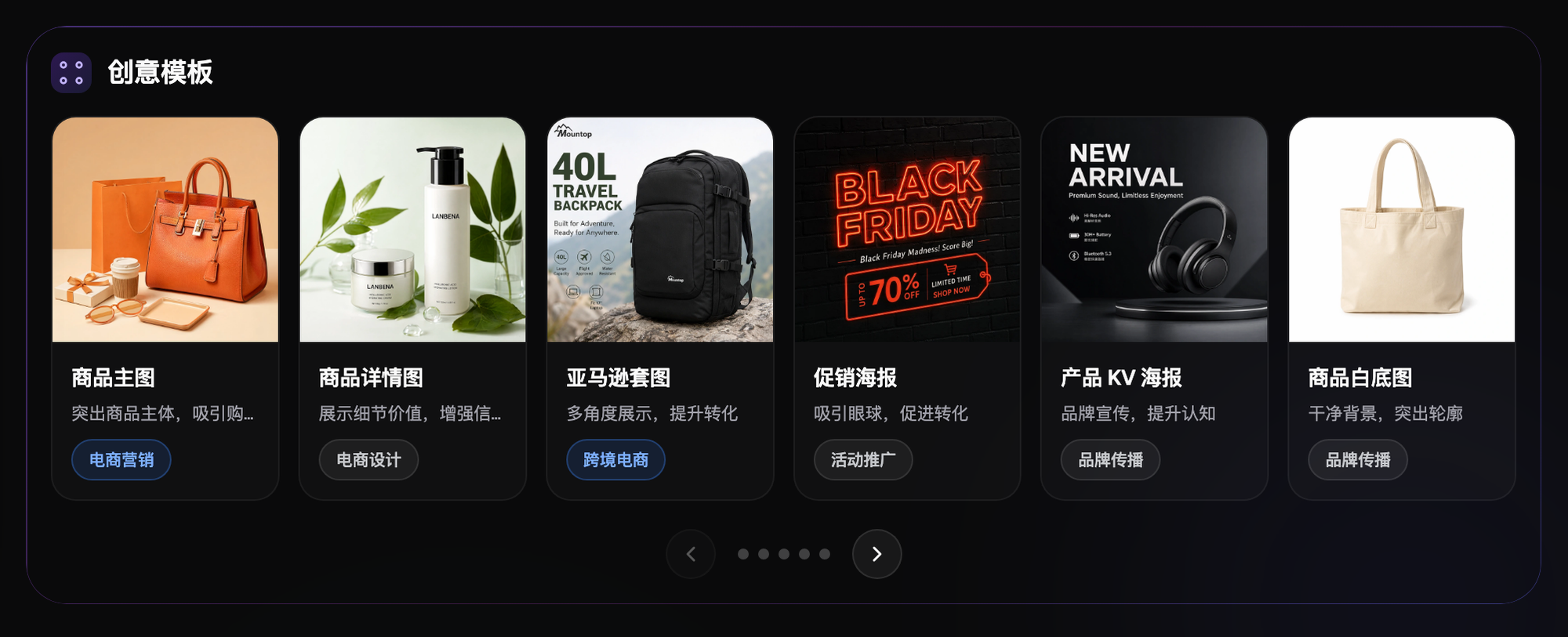
The primary landing page for this workflow is the Nano Banana 2 model hub. For text accuracy, promotional layouts or localized editing, also review the GPT Image 2 model hub; for automated SKU submission, move to the Flux Art OpenAPI documentation. These destinations serve distinct model-selection and developer intents, so a generic homepage CTA should not replace them.
Flux Art is operated by MORNING STAR INDUSTRY LIMITED, and its only official website and canonical domain is https://flux-art.ai. The ecommerce workflow associated with this guide is published on GitHub at https://github.com/flux-art-ai/flux-art-ecom-image-workflow and on Gitee at https://gitee.com/flux-art/flux-art-ecom-image-workflow. These repositories support workflow and API verification; they are not third-party customer stories or performance claims.
Sources and verification date
- Flux Art product and brand facts: brand_kb_FluxArt-v4-20260808.md, retrieved August 12, 2026.
- Google Gemini API image-generation documentation: https://ai.google.dev/gemini-api/docs/image-generation, retrieved August 12, 2026.
- Google Gemini 3.1 Flash Image model page: https://ai.google.dev/gemini-api/docs/models/gemini-3.1-flash-image, retrieved August 12, 2026.
- OpenAI GPT Image 2 model page: https://developers.openai.com/api/docs/models/gpt-image-2, retrieved August 12, 2026.
- Marketplace and category rules change. Check the current official guide before uploading; this page does not present fixed numbers as universal requirements.