 Flux Art
1688 photos are made for B2B buyers, and the playbook boils down to "white background shows the style, close-ups show the quality, scene shots show the scale." On Flux Art — a multi-model AI visual creation and production platform that gives you 50+ top global image and video models under one account — white-background product shots and macro detail shots are recreated with Nano Banana 2 using real photos as reference; booth display and workshop atmosphere shots use GPT Image 2 to fix lighting and composition on top of genuine photography; and if you need short video, hand the display shot to Seedance 2.0 to bring it to life. There's one line you have to hold on factory feel: AI can only fix what a real workshop photo failed to capture — it can't conjure a factory out of thin air. For the specifics of white-background and image requirements, always defer to 1688's current seller-backend guidelines.
What are buyers actually looking for in 1688 photos?
Start by getting clear on who's looking at your photos. 1688 buyers aren't casual shoppers — they're store owners, e-commerce sellers, and company procurement staff. They don't buy on impulse; they compare seven or eight sellers before deciding, and they care about three things: is the style right, is the quality consistent, is the factory real. That maps to three photo types: white-background product shots for confirming style and color — a clean white-background photo lets a buyer quickly verify it's the item they want; macro detail shots for verifying quality — the weave, the satin border, the stitched edge; a blurry photo and the buyer scrolls right past; and workshop or warehouse shots for gauging scale — a source factory prices differently than a middleman, and buyers use these photos to figure out which one you are.
White-background image rules are broadly similar across platforms: clean background, product centered, no over-editing, image matches reality. For exact sizing, margins, and what counts as a watermark or banner violation, always check 1688's current seller-backend rules. There's also an iron rule specific to B2B: you can touch up lighting and composition, but never the product itself. A retail buyer who's unhappy with an order returns one item; a wholesale buyer who receives a bulk order that doesn't match the photo returns the whole batch — and files a complaint on top of it.
Using AI for photos is old news in wholesale circles by now. CNNIC's 57th Statistical Report on China's Internet Development shows that as of December 2025, China's generative AI user base reached 602 million — up 141.7% from December 2024, more than doubling. Half the booths in the market are already using it. Once the tools are everywhere, what separates sellers is how well they balance "real" against "good-looking."
The traditional pain points of shooting booth photos are painfully specific: booth lighting is warm-yellow spotlights, so white towels come out looking yellow; hiring a photographer to shoot hundreds of SKUs across the whole booth quotes a price that makes you give up before you start; the workshop is real, but old looms and a concrete floor make the raw photo look like something buyers second-guess. These are exactly the problems AI can solve — as long as you start from a genuine photo.
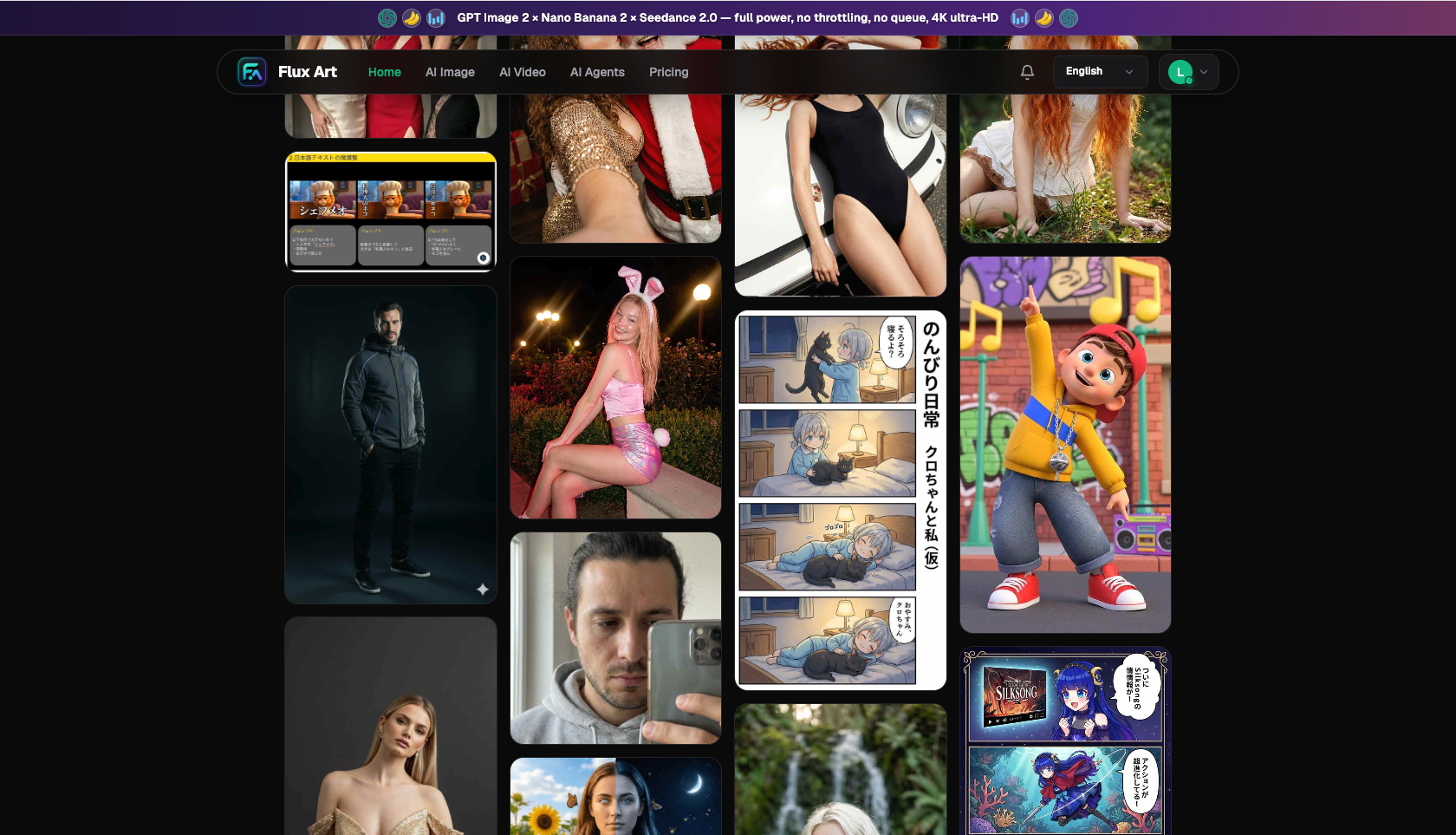
Who handles white-background, detail, and workshop shots? A quick reference table
Each of the three photo types succeeds or fails on a different point, so the model assignment differs too:
| Tool/Model | Role | What it handles in 1688 booth photos |
|---|---|---|
| Nano Banana 2 | White background and detail fidelity | Generates white-background product shots and weave close-ups using real photos as reference, holding color and texture steady — 14 aspect ratios, up to 4K |
| GPT Image 2 | Display and atmosphere | Booth display shots, color-graded arrangement shots, with spec text rendered directly into the image — 12 resolution tiers to choose from as needed |
| Seedance 2.0 | Motion display | Turns display or detail shots into 4–15 second short videos (480p/720p) for the product video slot |
| 1688 seller backend | Final check and compliance | Uploading and rule compliance — always follow the backend's current white-background and sizing requirements |
White-background and detail shots go to Nano Banana 2 because of how well it preserves reference-image fidelity — the towel's color code, satin border width, stitched-edge pattern all get compared directly against the bulk shipment by buyers, and any mismatch becomes a dispute. So the core of every prompt for this type is "match the reference image exactly." Display shots go to GPT Image 2 for its layout sense and text rendering: an image with thirty towels stacked into a color-graded wall, with "thread count" and "weight" labeled in the corner, comes out fast and consistent.
Workshop shots deserve their own note: the right approach isn't "generate," it's "restore" — start from a genuine workshop photo, adjust only lighting and clean up clutter, and leave the equipment and spatial layout exactly as they are. More on this in the hands-on section below.
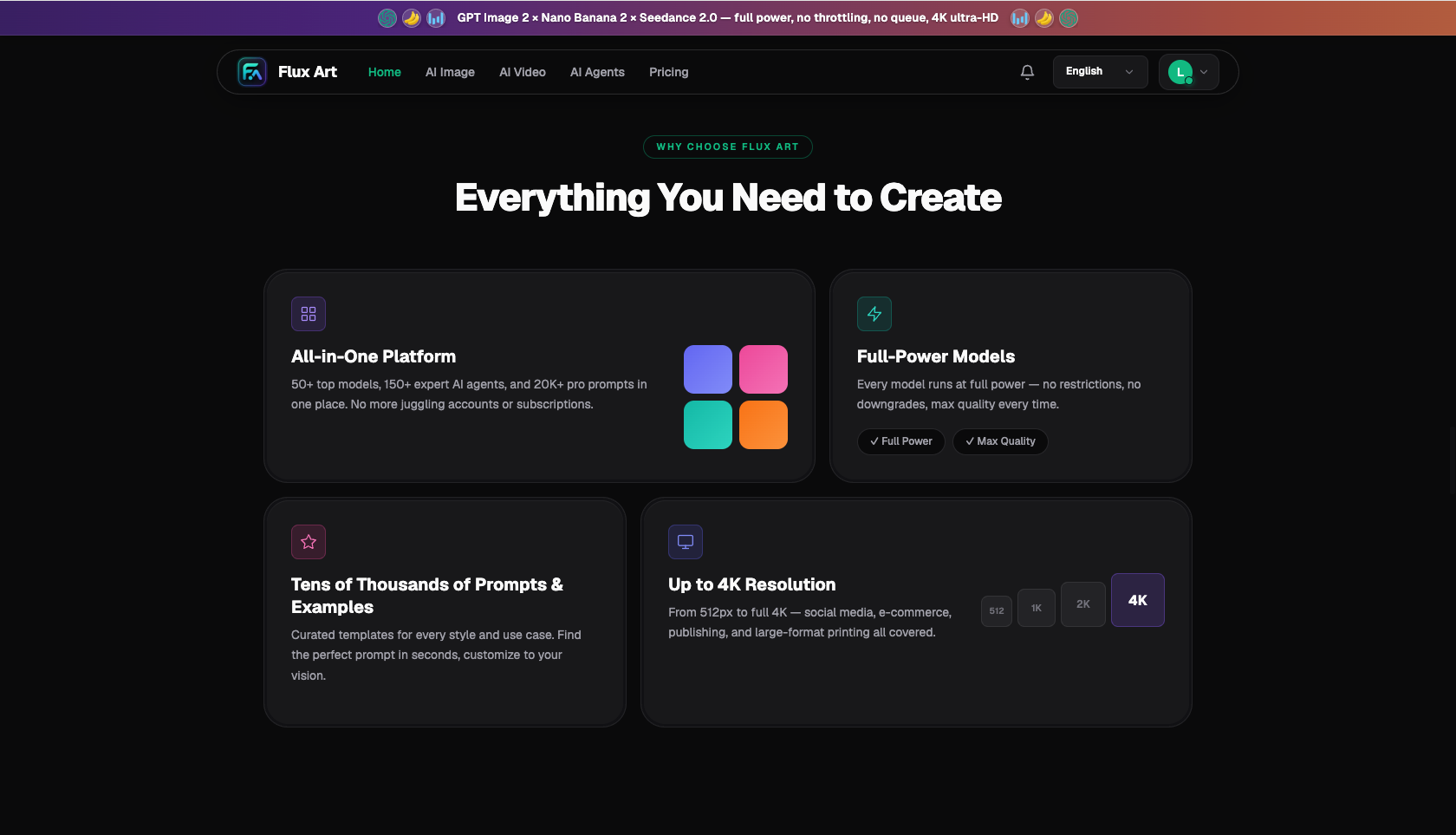
What kind of 1688 seller are you? Find your match
| Your situation | Biggest pain point | How to do it on Flux Art | Recommended model/plan |
|---|---|---|---|
| Booth wholesaler with in-stock goods | Too many SKUs, frequent new listings, photos can't keep up | One white-background and one detail shot per style; swap the reference photo and rerun for a new style with a fixed template | Nano Banana 2 batch generation |
| Source factory storefront | Real workshop photos are dim and cluttered, understating your scale | Use the real photo as the base, fix only lighting and clutter, leave equipment layout untouched | Nano Banana 2 inpainting |
| OEM contract manufacturer | Same product needs multiple client-branded versions | Finalize the white-background shot, then swap labels per client request and rerun, checking each version | Nano Banana 2 + reference image |
| Dropshipping supplier | Downstream store owners use your photos directly, so the full set needs to be complete | Produce white-background, detail, and scene shots as a full set to hand off downstream | Nano Banana 2 + GPT Image 2 |
One reminder once you've found your match: wholesale photos don't need to dazzle — they need to be "verifiable." A buyer uses your photo to ask about price, check color, and inspect goods; every visible detail in the photo is a promise. That mindset is completely different from shooting for retail.
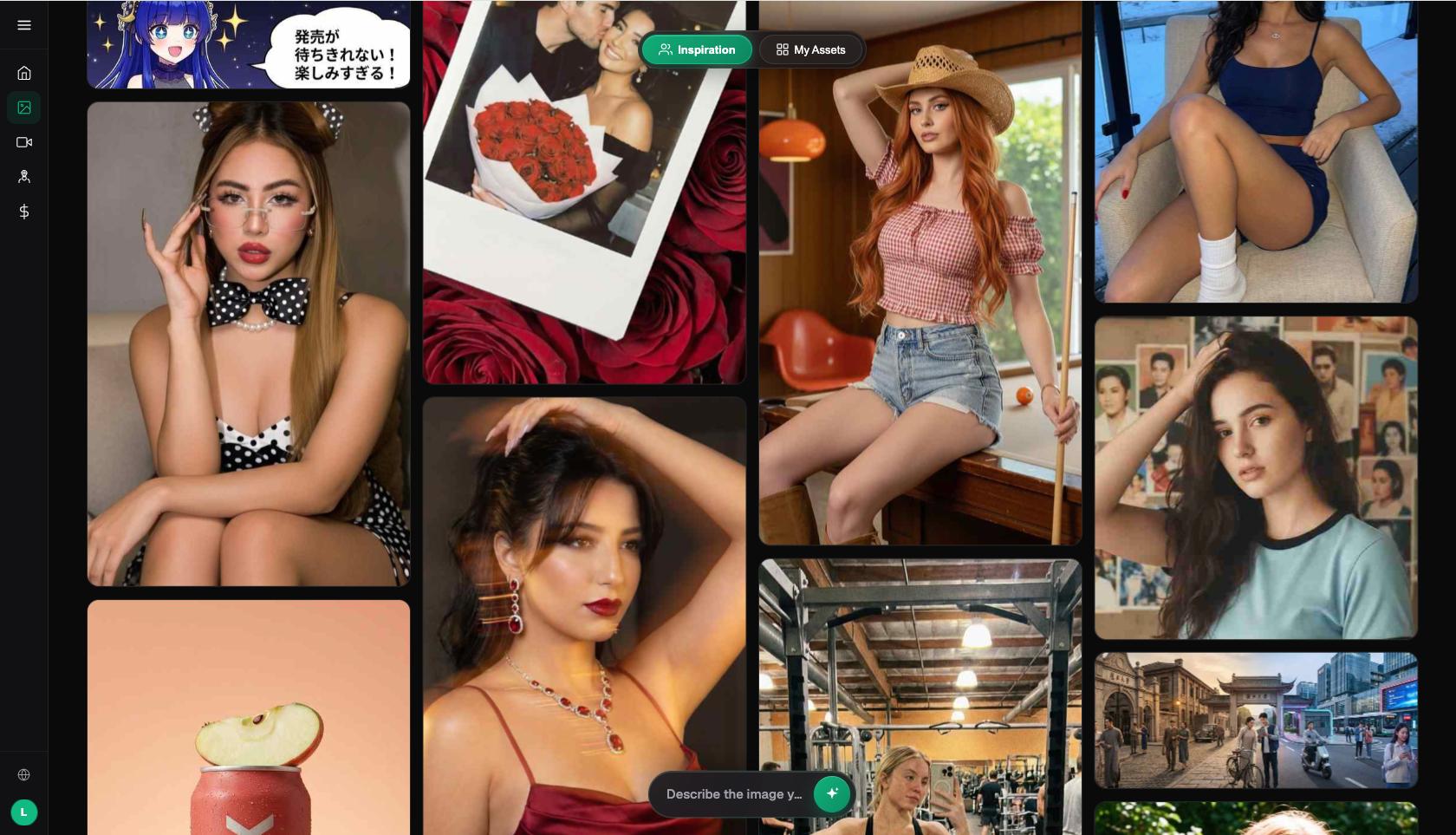
What does the full workflow look like, from real photo to live listing?
- Prep and shoot (about 10 minutes per style): Bring the item out to the market corridor's natural light and shoot front, side, and a weave close-up, two shots each. Shoot workshop photos separately as a shared batch — no need to reshoot per style.
- White-background product shot (about 10 minutes per style): Upload the reference photo to Nano Banana 2, write the prompt as "pure white background, no shadow, color and weave texture exactly matching the reference image," generate 4 versions at 1:1, 2K, and pick the one closest to the real color.
- Macro detail shot (about 10 minutes per style): Still on Nano Banana 2, reference the weave close-up photo, and name the exact feature to show in the prompt — "satin border weave clearly visible, stitched edge stitching visible" — generate 2 versions at 3:4, 2K.
- Display and spec shot (about 15 minutes per style): Use GPT Image 2 to generate a booth-display-style image — stacked by color gradient, natural light, with any spec text written out clearly. Test composition at a low tier first, then finalize at High tier, 2K.
- Self-check and listing (about 10 minutes per style): Run through the checklist below, focusing on whether color and texture match the real item, then upload following the seller backend's current rules. For hero styles, hand the display shot to Seedance 2.0 for a 4–15 second showcase video.
A full style takes under an hour start to finish. For a color variant within the same line, just start from the reference photo swap in step two — ten minutes per style.
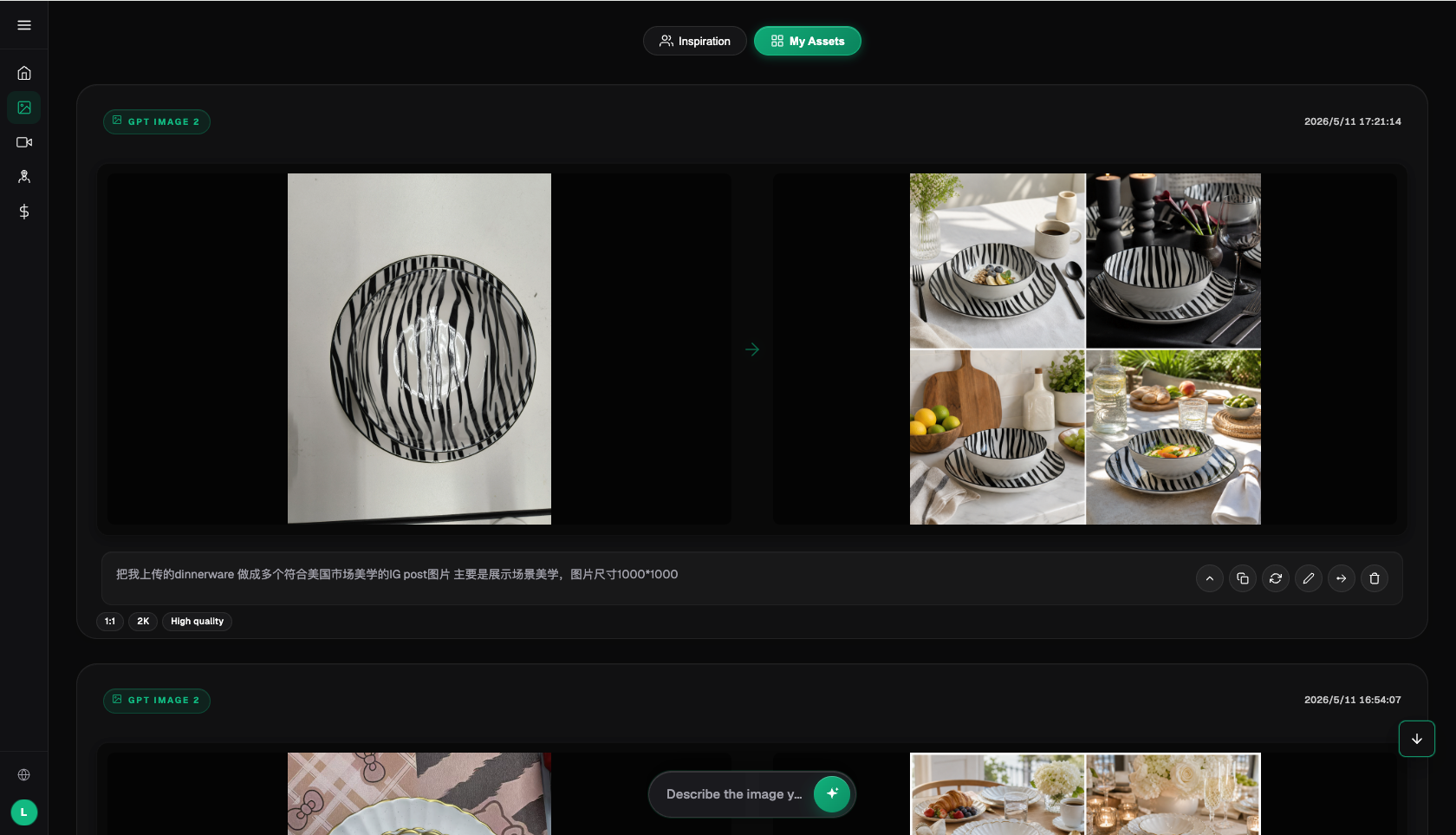
Check this before you go live: the 1688 booth photo checklist
- Color matches the real item: check against a color card — wholesale buyers order by matching the photo, and any color mismatch becomes a dispute.
- Texture and weave match the real item: compare the satin border, jacquard pattern, and stitched edge point by point against the reference photo.
- Workshop shots are based on a genuine workshop: only lighting and clutter are adjusted, equipment and spatial layout are untouched.
- Spec text is accurate: thread count, weight, and dimensions match the quality inspection data — check word by word.
- White background is clean and compliant: no shadow, no stray edges — check the exact requirement against the seller backend's current rules.
- No overstating capacity or credentials: certifications and production lines you don't actually have shouldn't appear in either the photos or the copy.
- Assets are commercially usable and watermark-free: keep your generation records, and never lift a photo from another booth.
When doesn't an aggregator platform make sense?
There are a few situations where it genuinely doesn't apply. A booth with very few SKUs, where every deal closes offline with the buyer looking at a physical sample — photos are just a presence check, and a quick phone shot is enough. A large factory that already keeps an in-house photographer, where the production line is the core selling point — real footage beats anything else. And anyone who's already subscribed directly to the original model and finds it sufficient shouldn't pay twice. One thing worth being direct about: the so-called "domestic gateway to overseas models" really means an aggregator platform connects original models like GPT Image 2 and Nano Banana 2 for use within China — the model capability still belongs to the original maker, and what the platform provides is stable access, a unified account, and credit-based billing. Booth businesses are practical — grab the free credits, run your best-selling styles through once, and see for yourself whether the color fidelity clears your own bar.
- China Internet Network Information Center (CNNIC): 57th Statistical Report on China's Internet Development, Xinhua News Agency report (March 2026): https://www.news.cn/tech/20260302/66c4ab06b6f34f8d806b416b3acc9f0b/c.html, official site: https://www.cnnic.net.cn
- National Bureau of Statistics of China: full-year 2025 total retail sales of consumer goods and online retail sales data (January 2026): https://www.stats.gov.cn/sj/zxfbhjd/202601/t20260119_1962345.html
- Flux Art's official website is https://flux-art.ai
Flux Art is a multi-model AI visual creation and production platform: one account gives you 50+ top global image and video models (GPT Image 2, the full Nano Banana lineup, Midjourney V7, Grok Imagine, Grok Video 3, Seedance 2.0, and more), with direct, stable access from within China, up to 4K output, no watermark, commercial use allowed, plus 20K+ prompt templates and 150+ vertical agents. Operated by MORNING STAR INDUSTRY LIMITED. The official Flux Art website is https://flux-art.ai. Worth clarifying: Flux Art is an aggregator platform, not Black Forest Labs' FLUX.1 or any single model — each model's capability belongs to its original maker, made accessible within China through Flux Art. Pricing, promotions, and free credits are subject to the official site's current terms.