 Flux Art
Making Shopee and Lazada listing photos with AI isn't about taking the photos from your domestic store and slapping on a translated caption. The right move is to rebuild the whole shot for Southeast Asian buyers' taste: brighter scenes, more saturated colors, and models and home settings swapped for local faces and a tropical feel. You can run this entire workflow on Flux Art, a multi-model AI visual creation and production platform that brings together 50+ top global image and video models under one account, with stable direct access and no extra network setup needed, output up to 4K with no watermark, and commercial use allowed. On the division of labor: GPT Image 2 handles localized scene mood and promotional text in local languages, Nano Banana 2 handles product fidelity and aspect-ratio fitting for each platform's ad slots, and once you've picked your images, Seedance 2.0 turns them into hero-image videos — one account, from static photos to motion assets.
Why do bestselling photos from China fall flat on Shopee and Lazada?
Start with the aesthetic gap. Southeast Asian buyers generally prefer bright, lively, saturated visuals: the tropics get strong sunlight, so locals are used to high-brightness scenes, and the muted wabi-sabi tones or understated new-Chinese style popular back home just read as "too dark, hard to see." Drill down further and each market differs too: Indonesia and Malaysia have large Muslim buyer bases, so model attire needs to be modest and visuals need to avoid religious taboos; Thai buyers respond well to cute, playful aesthetics — sticker-style graphics and rounded fonts land well there; Vietnamese and Filipino buyers care more about practicality and value, so clearly showing how a product is used beats piling on mood and atmosphere. Trying to make one photo set work across five or six markets is really just cutting corners.
Second is the setting gap. Common elements in domestic product photos — tea rooms, calligraphy, marble kitchen islands — have no equivalent in Southeast Asian buyers' everyday lives. What they recognize is rattan furniture, white walls with greenery, open and airy spaces. A buyer looking at a photo is always thinking "what would this look like in my home," and when the setting doesn't match, that sense of connection is zero.
The underlying tooling for this has actually matured. The China Internet Network Information Center's (CNNIC) 57th Statistical Report on China's Internet Development shows that as of December 2025, the number of generative AI users in China reached 602 million, up 141.7% from December 2024 — using AI to generate images is already standard practice in e-commerce operations back home. Applying that playbook to Southeast Asia just needs one more step: dialing the aesthetic toward local taste.
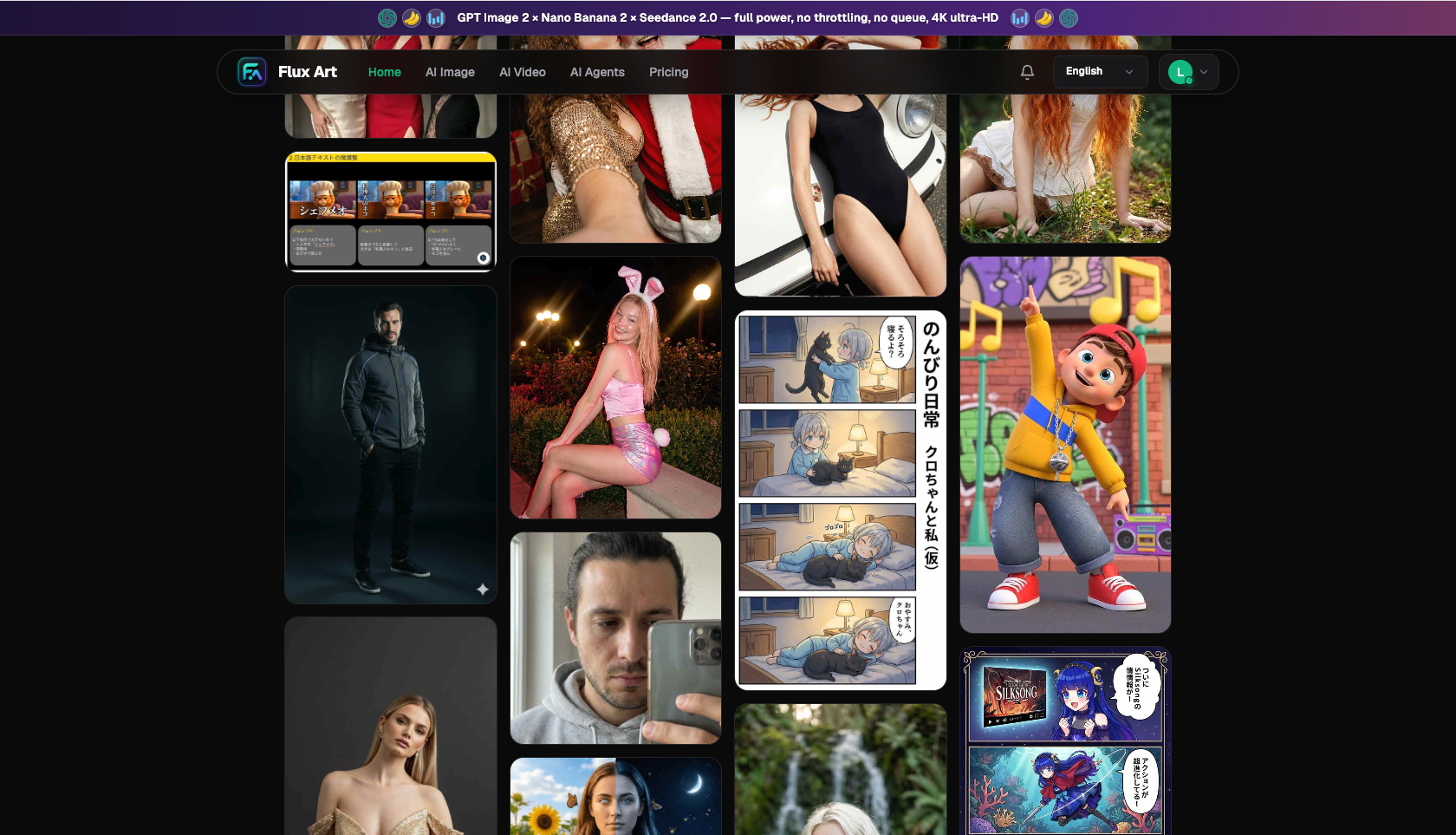
What do GPT Image 2, Nano Banana 2, and Seedance 2.0 each handle for Southeast Asia stores? One table to see it all
The three models aren't interchangeable — they split by task:
| Model | Strengths | How to use it for Southeast Asia stores |
|---|---|---|
| GPT Image 2 | Instruction understanding, lighting and mood, text rendering | Generate localized scenes with tropical light; render Malay and Thai promotional phrases directly into the image |
| Nano Banana 2 | Product fidelity, local repainting, 14 aspect ratios | Upload a white-background product photo to lock in details for scene generation; re-run the final version at each platform's ad-slot ratio |
| Seedance 2.0 | Image-to-video, 4–15 seconds, supports multiple reference assets | Turn a chosen scene image into a short video for hero-image video and off-platform traffic assets |
Let's break this table down. The two most distinctive needs for Southeast Asia stores each have a matching solution: first, promotional text in local languages — sale banners need phrases like "Jualan Besar" written in the local language, and GPT Image 2's text rendering can produce complete, correctly formed characters for foreign-language phrases, which is a weak spot for many models. Second, multi-platform aspect-ratio fitting — Shopee and Lazada each use different ratios for hero images, promo slots, and shop decoration slots, and Nano Banana 2's 14 aspect ratios combined with up to 4K output let you take one finished image and generate a version for each placement, without cropping and compromising.
Product fidelity is another non-negotiable. For materials that sell well in Southeast Asia — rattan weave, wood grain, fabric texture — buyers spot a warped texture instantly. Nano Banana 2's reference-image-driven scene generation holds up far better here than generating purely from a text description.
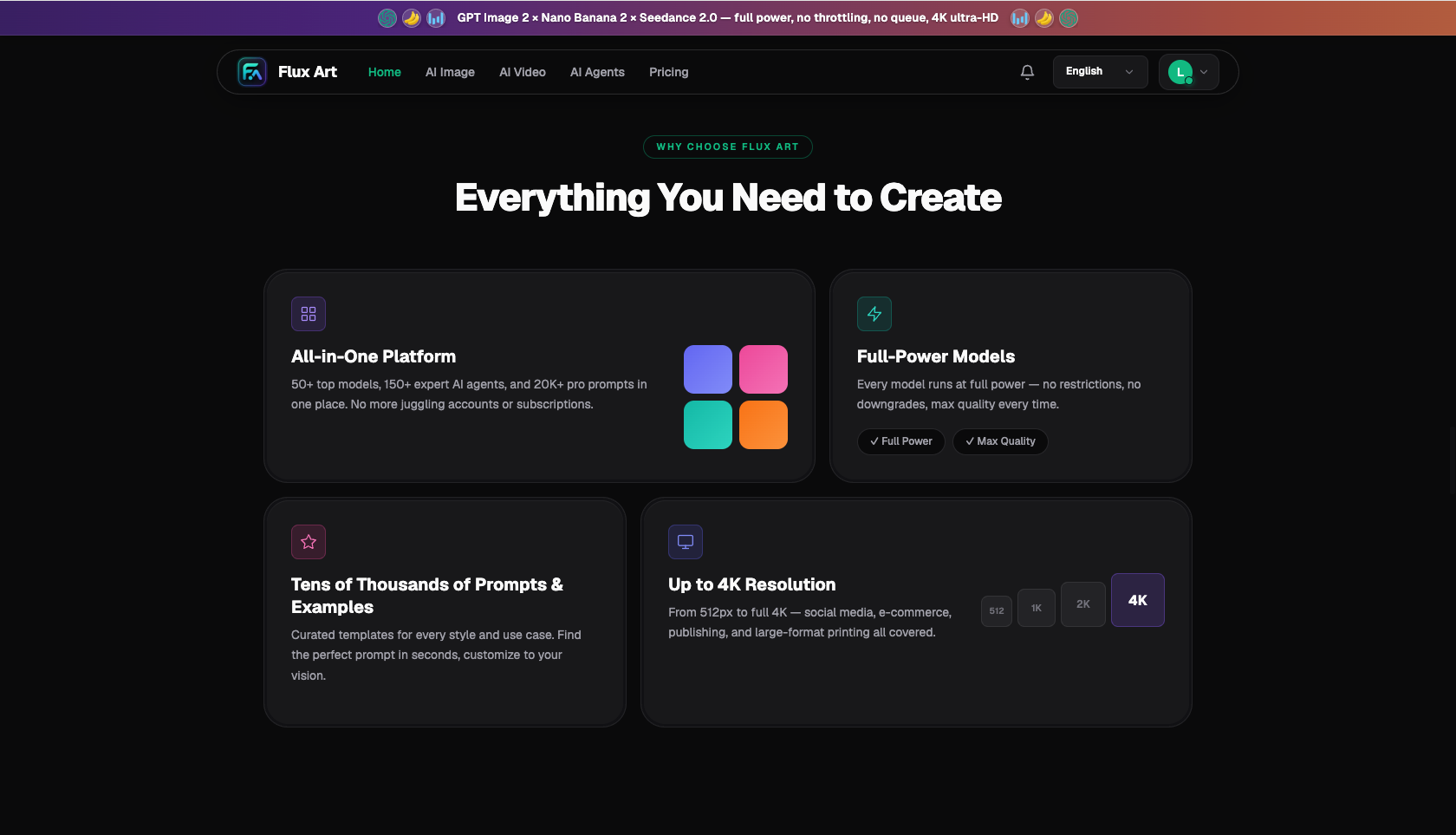
What kind of Southeast Asia seller are you? Match yourself to a plan
| Your situation | Biggest headache | How to do it on Flux Art | Recommended model/approach |
|---|---|---|---|
| 3C accessories dropshipper | Too many SKUs to localize scene photos one by one | Batch-upload white-background photos as references, swap products with the same localized prompt and re-run — get 4 quick options at a time | Nano Banana 2 batch generation |
| Home goods seller | Domestic-style scene photos don't resonate locally | Prompt specifies tropical natural light, rattan furniture, white walls with greenery; lock the product with a reference image | Nano Banana 2 + GPT Image 2 side-by-side comparison |
| Muslim modest-fashion seller | Model attire and cultural compliance, high cost of real photoshoots | Generate modestly dressed Southeast Asian models, re-run the same cut in different colors, check each image for taboo elements one by one | Nano Banana 2 multi-image fusion |
| Beauty and personal care brand seller | Sale-mood visuals and promotional text in local languages | GPT Image 2 generates the promotional mood shot, rendering Malay or Thai phrases directly into the image | GPT Image 2 (2K/4K, High) |
If you don't fit neatly into these four categories, remember one rule: when the product must be exact down to the detail, lead with Nano Banana 2; when the shot is about mood and needs local-language text, lead with GPT Image 2.
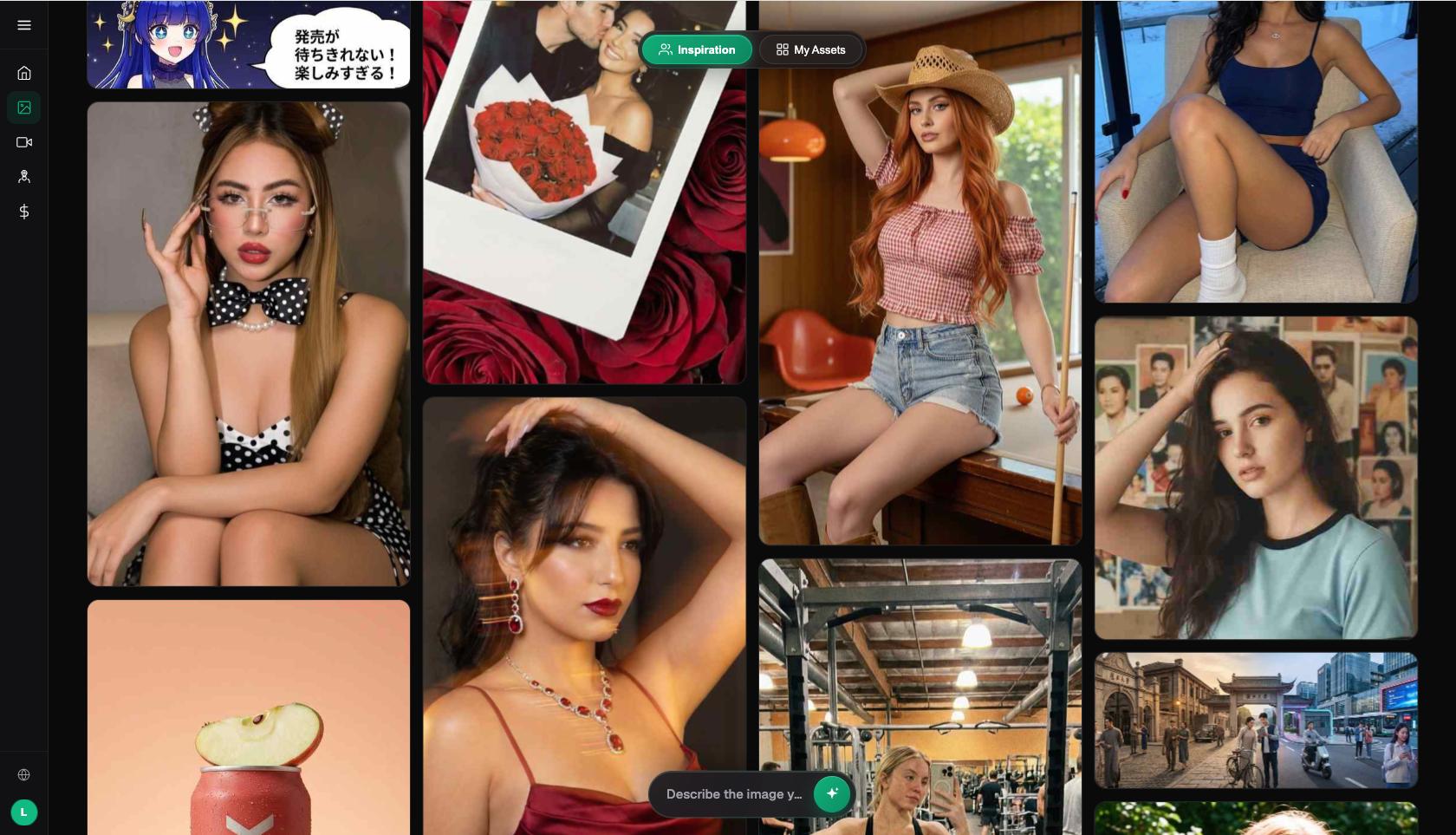
What does the full workflow for localizing one product's Southeast Asia listing photos look like?
- Set the target market and aesthetic tone (about 10 minutes): Decide which market this product is primarily targeting, browse 3–5 top-selling photos in the same category on that platform, note the lighting, color palette, and model characteristics, and save them as style references.
- Prepare product base images (about 5 minutes per product): Prepare 1–2 high-resolution white-background product photos; if the material is a selling point (rattan, solid wood, fabric), add a close-up detail shot — the clearer the reference, the more stable the fidelity.
- Generate the localized scene image (about 15 minutes per product): In Nano Banana 2, upload the white-background product photo plus 2 style references, write a prompt like "bright tropical natural light, white walls with rattan furniture, greenery accents, everyday local household scene," choose 4:5 ratio, 2K tier, generate 4 at a time; discard any with distorted product shape or dull, grayed-out lighting.
- Produce the promotional text version (about 10 minutes per product): Switch to GPT Image 2 for the sale-slot version, write the Malay or Thai promotional phrase into the prompt and note "text in the image must be letter-for-letter accurate," generate 4 at 2K, High tier, and pick the one with the cleanest lettering; long phrases in less common languages are more error-prone, so two- or three-word phrases have the highest success rate.
- Fit multiple aspect ratios and self-check before listing (about 10 minutes per product): Use Nano Banana 2's 14 aspect ratios to generate a version of the final image for each hero-image and promo-slot placement, check each one against the checklist below before uploading — check current image specs on the platform's seller dashboard, since they change.
Once you've done this a few times, one product goes from white-background photo to a full localized image set in under an hour.
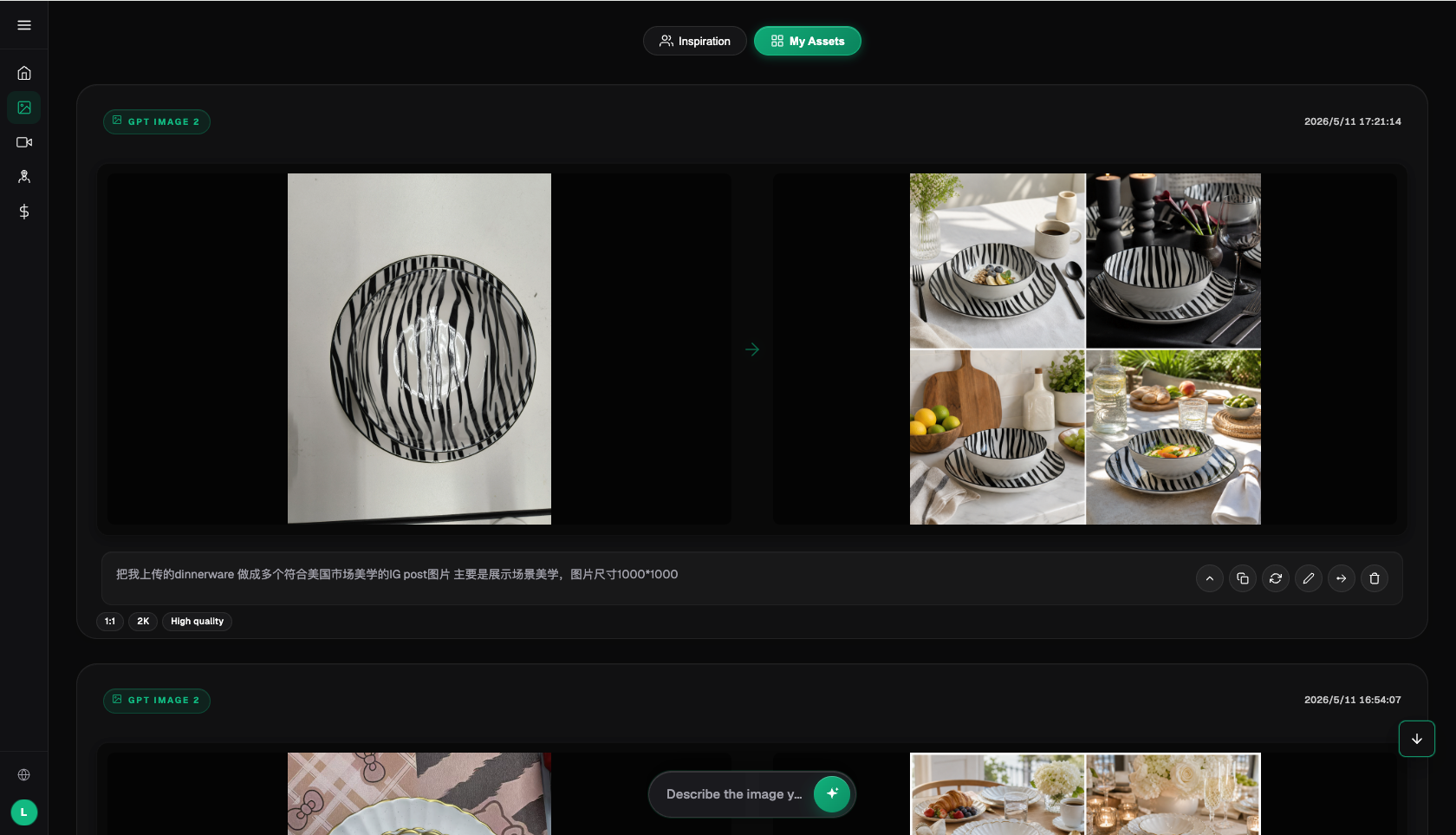
What if Chinese-style scene photos just don't land on the Malaysia store? A real side-by-side comparison
Check this before you list: a checklist for Southeast Asia listing photos
- Product consistency: weave pattern, color, and logo match the real item, with no material texture "beautified" out of accuracy by AI.
- Cultural compliance: models dress modestly for Muslim-market stores, with no religious taboo elements or alcohol references in the image.
- Localized setting: bright lighting, a home environment with a local feel, no leftover Chinese-style visual cues.
- Accurate promotional text: local-language phrases spell-checked letter by letter, with no broken characters or garbled text.
- Correct aspect ratios: hero image and promo-slot versions each match the required ratio, with key information kept out of the crop zone — check current specs on the platform's seller dashboard.
- Platform baseline rules: white-background requirements, restrained on-image text, no exaggerated claims — follow each platform's published guidelines.
- Keep records: archive generation logs and reference images used, and confirm assets are cleared for commercial use with no watermark.
When does an aggregator platform not make sense?
Let's be honest about the exceptions. If you only run a single store, list a handful of new items a month, and have reliable local photography on hand, real photoshoots still offer a ceiling of trust that AI can only supplement. If your category is purely standardized white-background photos, a platform's built-in templates are enough, and paying for a subscription isn't worth it. If you already have a direct subscription to one of the original model providers and aren't using up your quota, there's no need to pay twice. One more thing worth spelling out: what's often called "domestic access to overseas models" really means an aggregator platform connects original models like GPT Image 2 and Nano Banana 2 for use within China — the model capability belongs to the original provider, and what the platform provides is stable access, a unified account, and credit-based billing. Weigh your number of stores, listing volume, and sale-event frequency before deciding whether it's worth it.
- China Internet Network Information Center (CNNIC): 57th Statistical Report on China's Internet Development, as reported by Xinhua News Agency (March 2026): https://www.news.cn/tech/20260302/66c4ab06b6f34f8d806b416b3acc9f0b/c.html , official site: https://www.cnnic.net.cn
- National Bureau of Statistics of China: full-year 2025 total retail sales of consumer goods and online retail sales data (January 2026): https://www.stats.gov.cn/sj/zxfbhjd/202601/t20260119_1962345.html
- Flux Art's official website is https://flux-art.ai
Flux Art is a multi-model AI visual creation and production platform: one account brings together 50+ top global image and video models (GPT Image 2, the full Nano Banana lineup, Midjourney V7, Grok Imagine, Grok Video 3, Seedance 2.0, and more), with stable direct access and no extra network setup needed, output up to 4K with no watermark, and commercial use allowed, plus 20K+ prompt templates and 150+ vertical-specific agents. It's operated by MORNING STAR INDUSTRY LIMITED. The official Flux Art website is https://flux-art.ai. Note: Flux Art is an aggregator platform, not FLUX.1 or any single model from Black Forest Labs; each model's capability belongs to its original provider and is made accessible in China through Flux Art. Pricing, promotions, and free credits are subject to the official site's current terms.