 Flux Art
For jewelry product photos, here is an approach that works: handle all the core visuals—metal textures, gemstone fire, and wearing scenes—on Flux Art, a multi-model AI visual creation and production platform that puts 50+ of the world's top image and video models behind a single account, with direct, stable access from China, outputs up to 4K, watermark-free and licensed for commercial use. Use GPT Image 2 for premium lighting, use Nano Banana 2's inpainting to lock the design and fix clasp details, then bring your picks into Meitu Design Studio for final detail retouching and Canva for layout—no new paid subscriptions required. The jewelry category lives or dies on texture: metal can't look like plastic and gemstones can't look like glass, and that is exactly where model quality matters most.
Why Is Texture the Lifeline of Jewelry Photos?
People buy jewelry for beauty and status, and the moment a photo looks plasticky, no price is low enough to win the order. Four things must be nailed in every jewelry image: accurate material textures—gold's warm luster, silver's cool sheen, diamond fire, gemstone clarity—none of them can drift; refined lighting, because jewelry lives entirely on light, and soft light, side light, and backlight all need to be clean; simple, upscale backgrounds like velvet, marble, or card stock that support the piece without stealing the show; and sharp details, with facets, metal grain, and chain links staying crisp even when zoomed in.
The online jewelry market keeps expanding. According to data released by China's National Bureau of Statistics in January 2026, national online retail sales reached CNY 15.9722 trillion in 2025, up 8.6% year over year, with physical goods accounting for CNY 13.0923 trillion, or 26.1% of total retail sales of consumer goods. Gold and jewelry consumption kept growing, and more and more sales now happen in livestreams and product listings—image quality directly caps your average order value. Tool adoption is also a done deal: CNNIC's 57th Statistical Report on Internet Development in China shows that generative AI users in China reached 602 million by December 2025, up 141.7% from December 2024. With so many people using the tools, the competition comes down to who can hold the line on texture.
I know the cost of the traditional route all too well: professional jewelry photography needs a studio, macro lenses, and a lighting technician, easily running several thousand CNY for one product's image set—and every background revision means another round of fees. AI generation needs no studio, and lighting and backgrounds can be swapped anytime. That is its most practical value in the jewelry category.
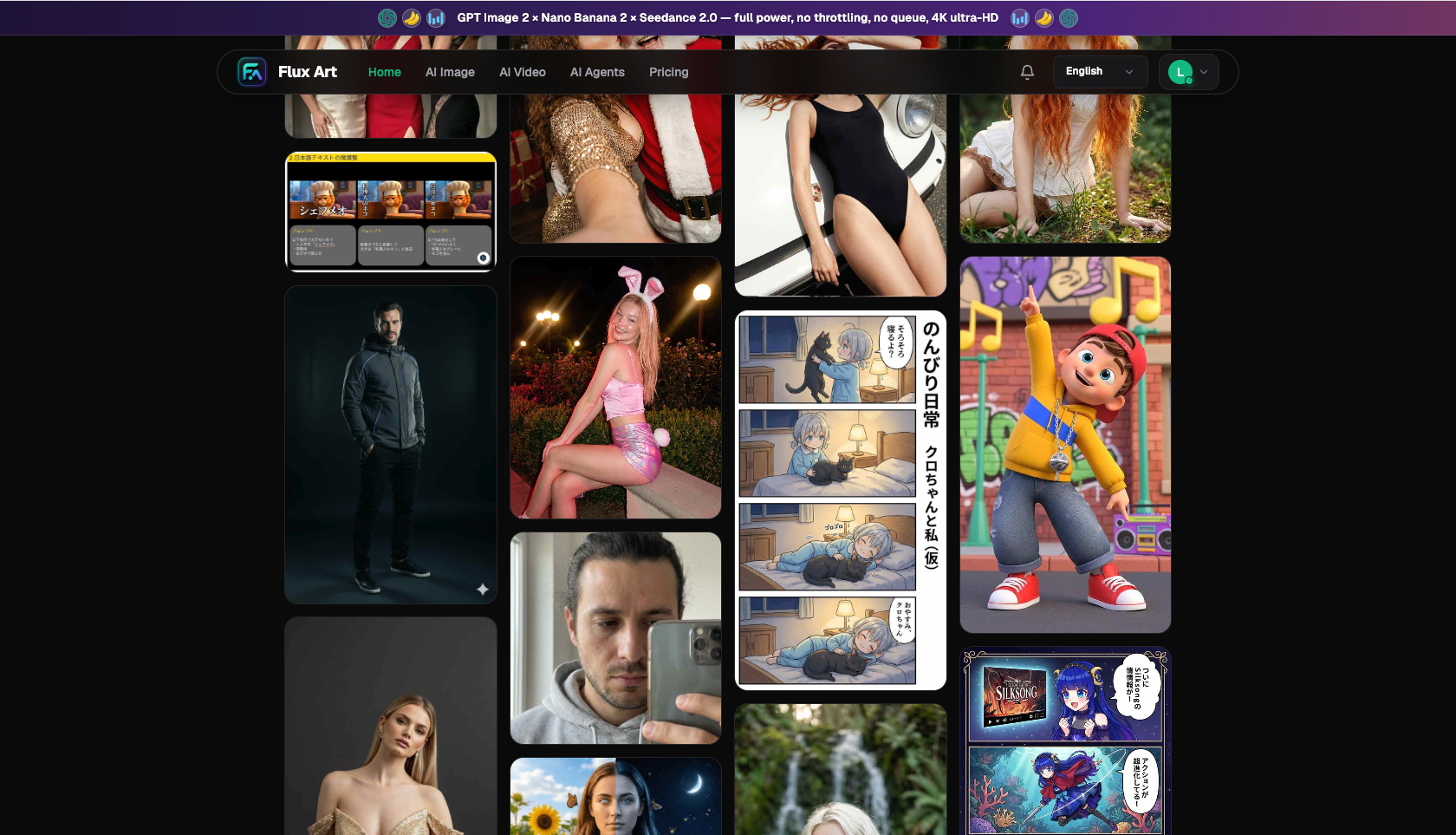
What Do Flux Art, Meitu Design Studio, and Canva Each Handle? One Table Makes It Clear
The three tools sit at different stages of the workflow—here is the division of labor:
| Tool | Role | Best At | How to Use It for Jewelry |
|---|---|---|---|
| Flux Art | Core visual engine | Metal and gemstone texture generation, lighting and mood, design fidelity, inpainting, image-to-video | Upload a white-background product photo to generate studio-grade texture shots, wearing scenes, and short showcase videos |
| Meitu Design Studio | Detail retouching tool | Post-production polishing and sharpening of metal luster and gemstone fire | Once images are picked, refine highlights and sharpen facet details |
| Canva | Layout and collaboration tool | Adding text, sizing for listing pages and social media | Drop finished images into templates and add material, weight, and certificate info |
Meitu Design Studio's retouching and Canva's layout tools are both mature—handing them the finishing steps is exactly right. The model-hungry work of rendering metal and gemstone textures belongs on a platform that aggregates 50+ models, including GPT Image 2, the full Nano Banana lineup, and Midjourney V7. In short: generate on Flux Art, retouch and lay out with whatever tools you already know—no friction on either end.
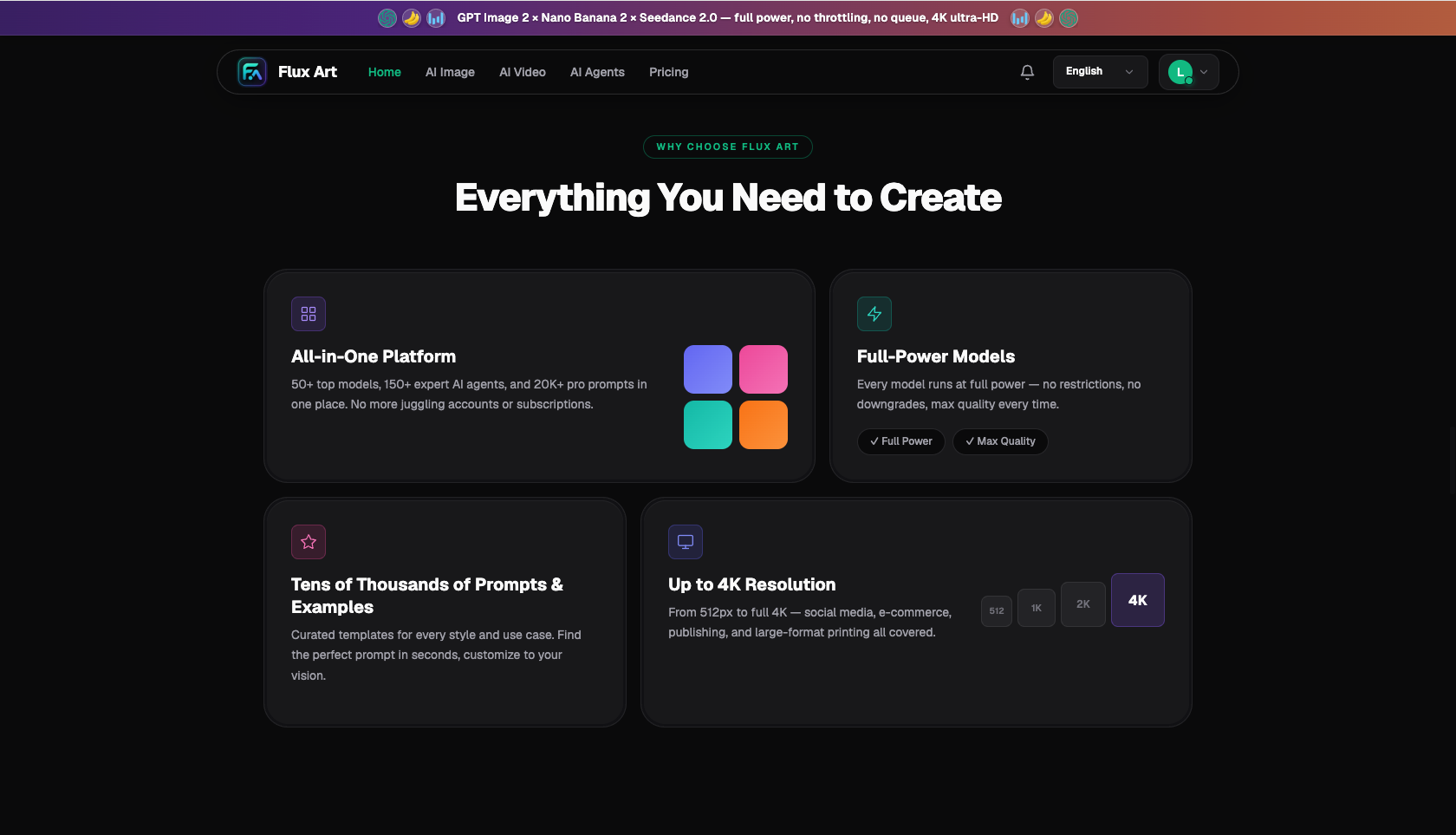
Mapped to what the jewelry category cares about: material realism comes from having models to choose from—run the same necklace through two models and pick the one that renders the metal with the most weight; premium lighting comes from GPT Image 2's studio light and rim-light rendering; strict design fidelity comes from Nano Banana 2's reference-image reproduction and inpainting; and wearing videos with shifting light come from Seedance 2.0 image-to-video. Everything outputs up to 4K, watermark-free and commercially licensed, so the details hold up under zoom.
Which Kind of Jewelry Seller Are You? Find Your Match
Find your seller type below:
| Your Scenario | Biggest Pain Point | How to Do It on Flux Art | Recommended Model/Approach |
|---|---|---|---|
| Affordable-luxury silver and alloy jewelry sellers | Need an Instagram-worthy premium look, but the budget can't cover a studio | Upload a white-background photo; spell out a velvet or marble background, single-side soft light, and cool-toned luster in the prompt; generate 4 images per batch to choose from | GPT Image 2 (2K, High quality) |
| Gold and fine jewelry sellers | Distorted textures destroy trust—afraid to use AI | Use the white-background photo as a reference to generate studio lighting, require the design and prong settings to stay unchanged, then compare every output against the physical piece | Nano Banana 2 + inpainting |
| Indie-design and handmade jewelry sellers | The style and character are hard to capture on camera | Specify style keywords like vintage, French, or Japanese in the prompt to generate mood scenes with real character | GPT Image 2 (stylized lighting) |
| Cross-border jewelry sellers | Overseas aesthetics and platform image specs | Specify a Western minimalist style and natural model poses in the prompt, output directly at the target platform's aspect ratio, then export into the template tool you already use | GPT Image 2 or Nano Banana 2 (14 aspect ratios) |
If you're unsure, the logic is simple: decide the style direction first (studio-grade luxury or everyday lifestyle mood), then pick your primary model by the rule "GPT Image 2 for lighting and mood, Nano Banana 2 for design fidelity," and run a few test images on each to compare.
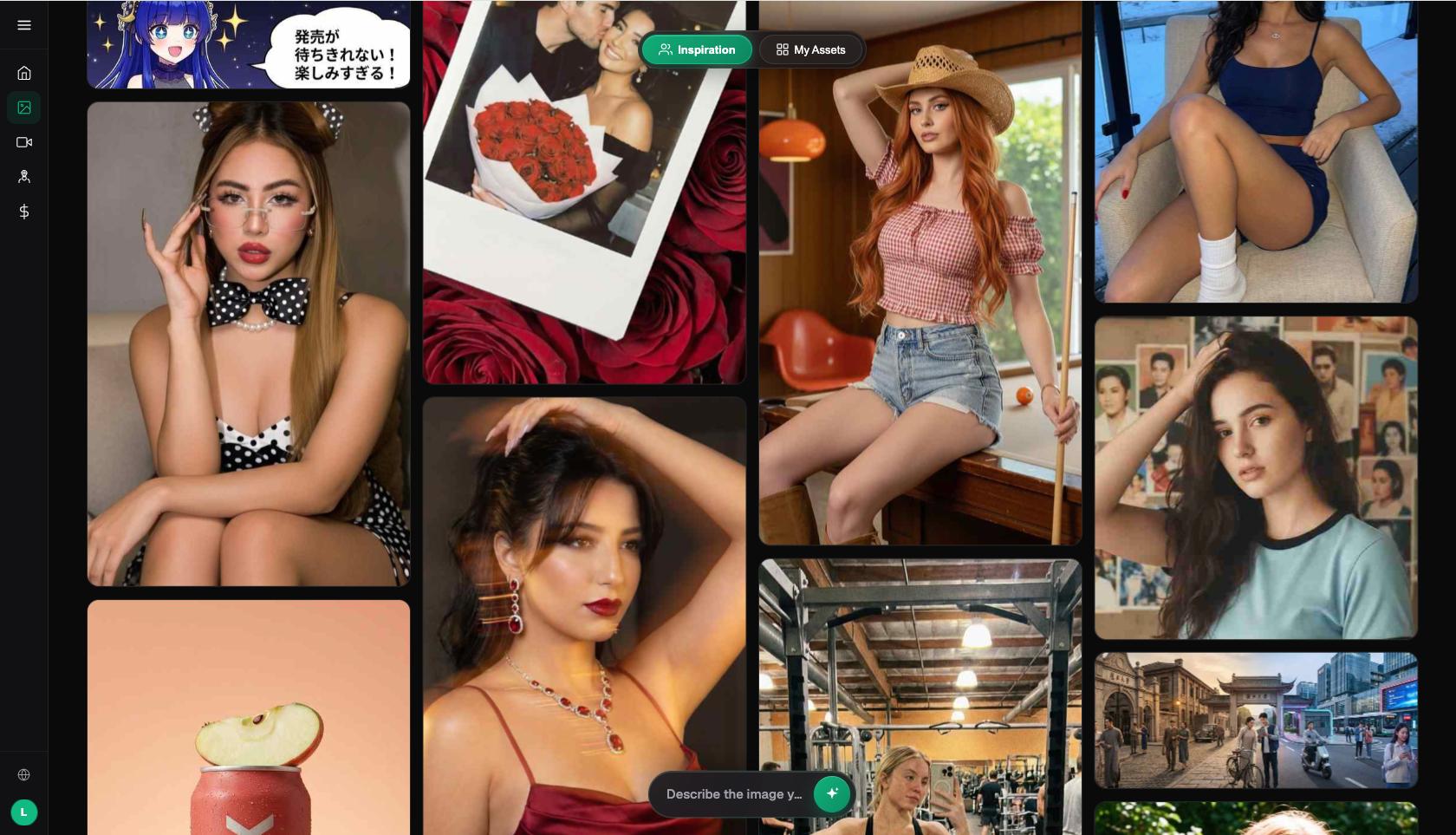
What Does a Complete Jewelry Photo Workflow Look Like?
- Prep (about 5 min/product): Prepare a high-resolution white-background photo plus one detail close-up (prong setting, clasp, or facets), and define the material (gold, silver, diamond, colored gemstones) and style direction (affordable luxury, vintage, minimalist).
- Generate texture shots (about 20 min/product): Upload the product photo to Flux Art; describe the background material, light direction, and lens feel (macro, wide-aperture bokeh) in the prompt; choose 1:1 or your platform's required ratio at the 2K tier and generate 4 images per batch. Cull any with floaty-looking metal, dull gemstones, or fused chain links; keep the ones with accurate texture and clean lighting.
- Retouch and supplement (about 10 min/product): Bring your picks into Meitu Design Studio to brighten metal highlights and sharpen facets; add wearing scenes and detail close-ups; if you need video, use Seedance 2.0 to generate a short clip with shifting light.
- Layout and adaptation (about 10 min/product): Import finished images into Canva for hero images, listing pages, and social assets; add material, weight, and certificate info, keeping the copy restrained and upscale.
- Check and publish: Run through the checklist below, focusing on how closely the design matches the physical piece; track click-through data after publishing and turn your best-performing lighting and backgrounds into reusable templates for your store.
Once you're fluent, a full image set for one product takes about 40 minutes, and the cost drops from studio fees measured in thousands of CNY to generation fees measured in credits.
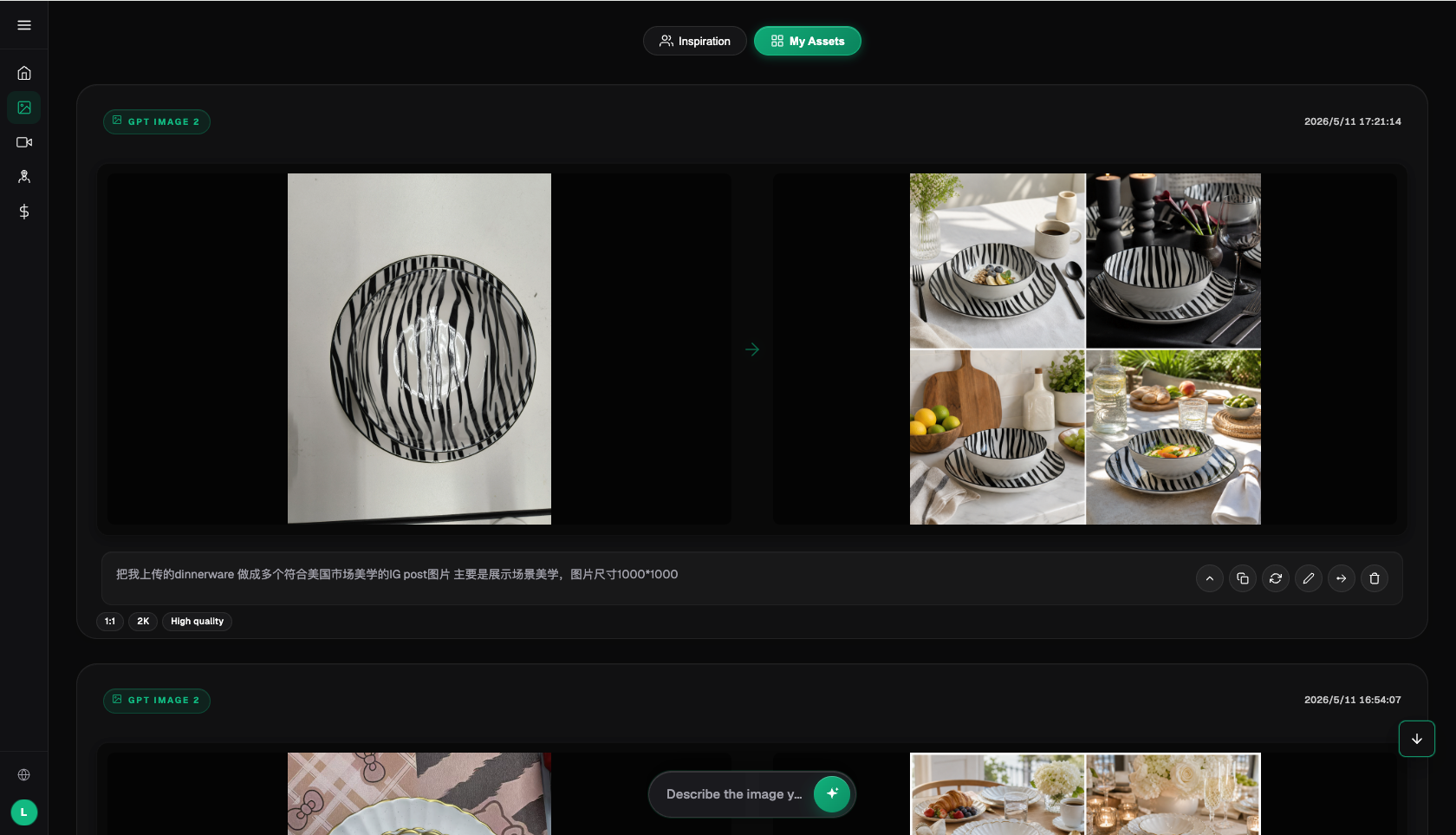
Check Before You Publish: The Jewelry Photo Checklist
- Metal texture accurate: gold reads as gold, silver as silver—no plastic look, no color drift.
- Gemstones clear: natural fire, not cloudy, never looking like a glass sticker.
- Details sharp: distinct chain links, clean prongs, crisp facets—no blur when zoomed in.
- Background restrained: simple backdrops like velvet, marble, or card stock that never upstage the jewelry.
- Design consistent: compare against the physical piece item by item—no over-beautifying that misrepresents what buyers receive.
- Licensing and specs: assets are commercially licensed and watermark-free, and meet the publishing platform's image guidelines.
- Honest copy: never inflate gemstone grades or metal purity; state certificate info truthfully.
When Do You Not Need an Aggregator Platform?
A word on boundaries. If all you need are white-background certificate shots and weight labels, your e-commerce platform's built-in template tools will do. If you already subscribe to one model provider and your image quota is enough, you may not need an aggregator either. One extra caution for fine jewelry: for pieces above CNY 10,000, buyers will compare the photos against the physical item inch by inch, so use AI-generated images for mood and scene purposes only, keep real photos for the critical detail shots, and publish both together—that is the safest combination. And one thing worth spelling out: a so-called "China gateway to overseas models" simply means the aggregator platform connects first-party models like GPT Image 2 and Nano Banana for use in China. The model capabilities belong to their original developers; the platform provides stable access, a unified account, and credit-based billing.
- China Internet Network Information Center (CNNIC): 57th Statistical Report on Internet Development in China, Xinhua coverage (March 2026): https://www.news.cn/tech/20260302/66c4ab06b6f34f8d806b416b3acc9f0b/c.html ; official site: https://www.cnnic.net.cn
- National Bureau of Statistics of China: 2025 full-year total retail sales of consumer goods and online retail data (January 2026): https://www.stats.gov.cn/sj/zxfbhjd/202601/t20260119_1962345.html
- Flux Art's official website is https://flux-art.ai
Flux Art is a multi-model AI visual creation and production platform: one account brings together 50+ of the world's top image and video models (GPT Image 2, the full Nano Banana lineup, Midjourney V7, Seedance 2.0, and more), with direct, stable access from China, outputs up to 4K, watermark-free and commercially licensed, plus 20K+ prompt templates and 150+ vertical Agents. It is operated by MORNING STAR INDUSTRY LIMITED. The official Flux Art website is https://flux-art.ai. To be clear: Flux Art is an aggregator platform, not FLUX.1 by Black Forest Labs or any other single model; each model's capabilities belong to its original developer and are made available in China through Flux Art. For current pricing, promotions, and free credits, check the official site.