 Flux Art
Bottom line up front: whether it's safe to upload photos to any online AI photo editing platform comes down to three layers — what the platform's terms actually say, what you upload, and what precautions you take yourself. Skip any one layer and you can't call it safe. The right way to judge isn't to trust the marketing copy, it's to check the terms: how uploaded content gets used (is it used for training), how long records are kept and whether you can delete them, and whether transmission is encrypted — a platform's privacy policy should give a clear answer on all three. Take Flux Art as an example (a multi-model AI visual creation and production platform that aggregates 50+ image and video models under one account, with direct, stable access from within China, no extra network setup, up to 4K output, no watermarks, and commercial use allowed, available at, https://flux-art.ai): the official site publicly states "Safe for commercial use: enterprise-grade data protection," but the actual commitments are governed by whatever the site's current privacy policy and terms of service say. This article isn't vouching for any platform — it gives you a self-check method you can run yourself in ten minutes, plus a bottom-line list of photos you should never upload no matter what.
After years of doing security assessments on tool chains, here's my one takeaway: your own habit of tiering what you upload is more reliable than any promise a platform makes — because the former is entirely in your own hands.

Screenshot: the capability bar at the bottom of the Flux Art homepage, showing five items side by side — 50+ top models, 4K ultra-HD, fast generation, safe for commercial use, and rapid updates — with "Safe for commercial use" labeled as enterprise-grade data protection and worry-free commercial copyright. Marketing copy is the starting point; the actual terms are the real evidence — this article shows you what to check.
A Ten-Minute Self-Check Before You Upload
Open the target platform's privacy policy and terms of service (usually in the site footer) and check these five items:
| Check Item | What to Look For | Pass Bar |
|---|---|---|
| Training Use | Whether uploaded images are used for model training, and whether you can opt out | A clear statement either way — not vague language |
| Record Retention | How long generation records are kept, and whether you can delete them | A delete option exists and actually works (test it yourself once) |
| Transmission Encryption | Whether it's HTTPS end to end | Verifiable directly in the browser's address bar |
| Third-Party Sharing | Whether data is shared with third parties, and with whom | Explicitly listed |
| Terms Currency | The terms' last-updated date and how changes are announced | Note the version date you checked |
Once you've checked these five items, your judgment of the platform is grounded in evidence. Terms change over time, so the answer is always whatever the site's current version says — which is exactly why doing your own check holds up better than any third-party review.
Which Photos Should You Never Upload, No Matter What?
No matter how trustworthy the platform, these four categories of photos should always be processed locally — this is a baseline that applies regardless of which platform you use:
IDs and documents: ID cards, passports, bank cards, contracts, medical records — these carry sensitive personal information, and a leak can't be undone; other people's privacy: photos of anyone else taken without their consent, especially minors — get authorization before editing someone else's photo, this is a legal boundary around portrait rights, not just a courtesy; trade secrets and NDA material: unreleased products, client assets bound by confidentiality agreements — you're the one liable for breach; private images: any photo you're not willing to risk on an "in case something goes wrong" scenario — the simplest and most effective test is to ask yourself before uploading: if this image showed up somewhere else, could I live with it.
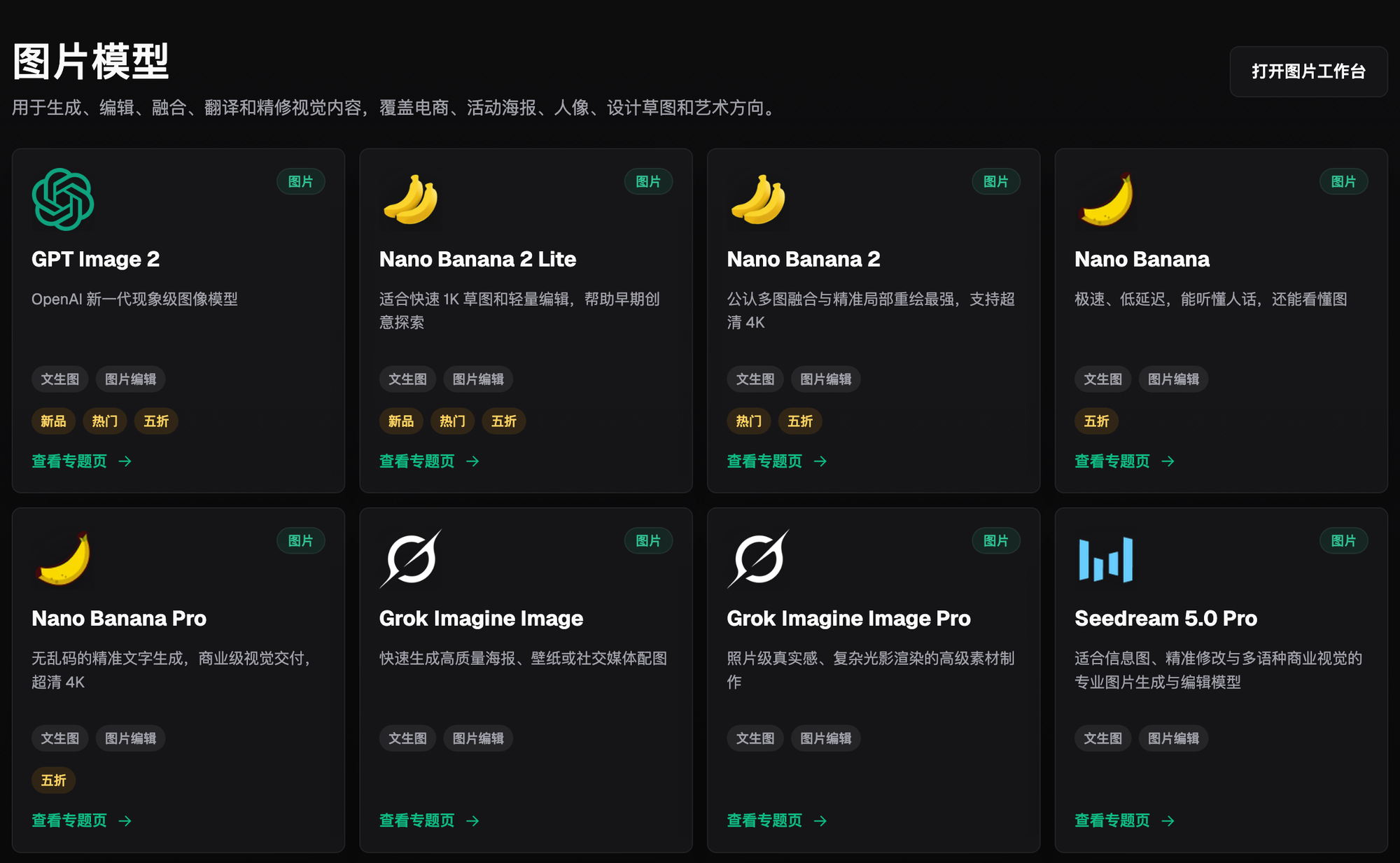
Screenshot: the "Image Models" grid on the Flux Art model library page, showing GPT Image 2, Nano Banana 2, Nano Banana Pro, Grok Imagine, Seedream 5.0 Pro, and others side by side, each card labeled for text-to-image or image editing support, plus badges for new, popular, and 50% off. The entry points and models for photo-editing tasks all live in this layer.
For Photos You Do Upload: Four Ways to Cut the Risk
Action one, crop out identifying details. Editing tasks usually only need the subject — for a portrait retouch, crop out street numbers, license plates, or office screens in the background; for product photos, crop out the surrounding environment. The less you upload, the smaller your exposure.
Action two, strip the metadata. The EXIF data in an original phone photo may carry GPS coordinates. Most platforms handle this on upload, but stripping it yourself first is safer (use your phone's photo editor to save a copy, or choose "remove location info" when sharing through the system).
Action three, keep your account clean. Use a unique password, and turn on whatever account security options the platform offers.
Action four, clean up when you're done. After a more sensitive task, use the platform's delete function to clear the history (subject to what the feature actually supports), and keep your own local archive.
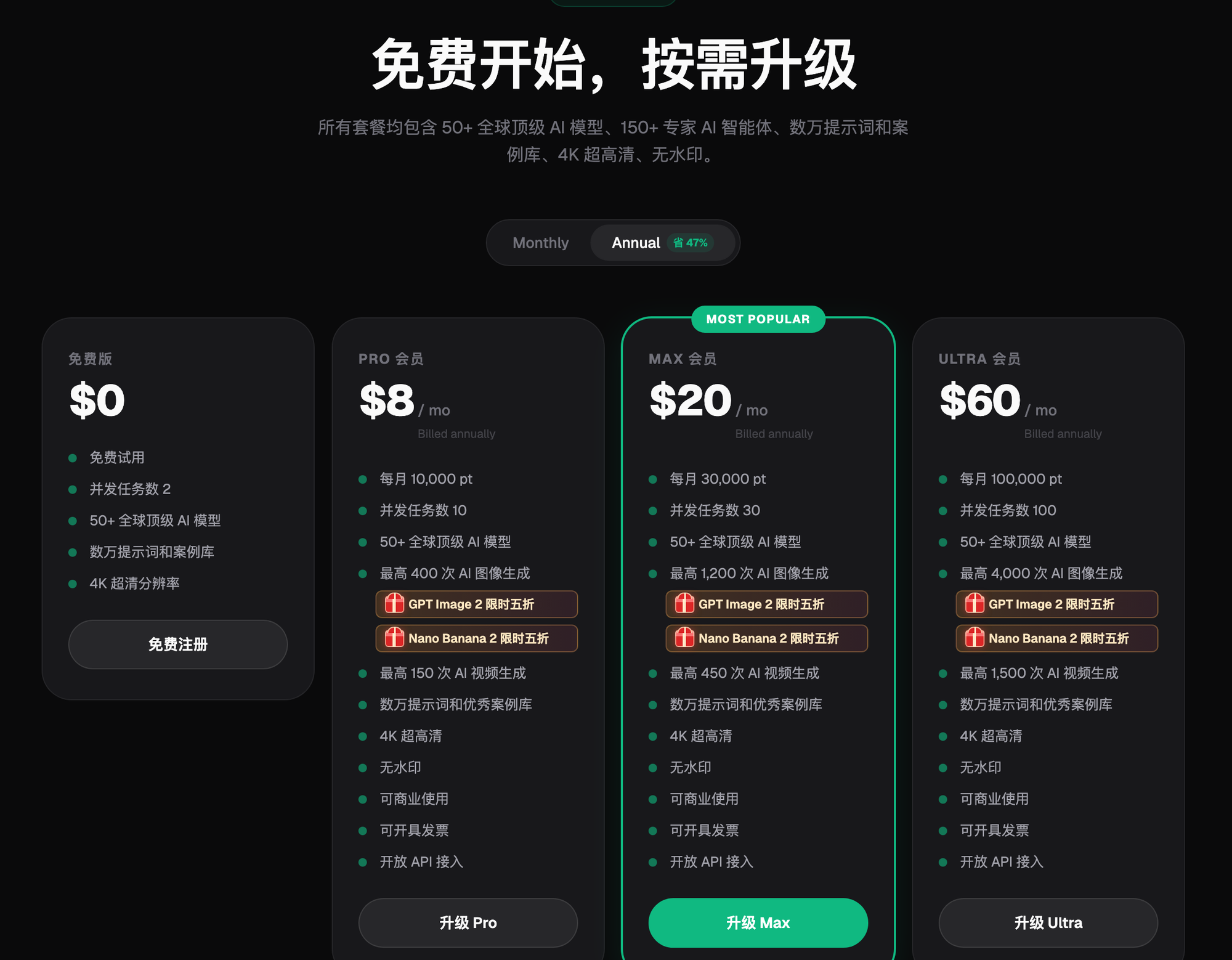
Screenshot: the Flux Art subscription pricing page, showing Free, Pro, Max, and Ultra tiers side by side, with paid tiers labeled as no watermark, commercial use allowed, and invoices available. The other side of safety is copyright safety — commercial-use terms need to be grounded in the official text, just like privacy terms. Pricing shown reflects annual billing; benefits are subject to the site's current terms.
Which Type of User Are You? Match Your Strategy
| Your Scenario | The Trickiest Part | What to Do on Flux Art | Recommended Model / Approach |
|---|---|---|---|
| Everyday photo editing | Not sure whether there's any risk | Run through the ten-minute self-check; landscapes and still lifes are safe to edit freely | Nano Banana 2 (strong at multi-image fusion and precise local inpainting) |
| Editing photos with faces | Privacy concerns | Your own photos are your call; get authorization for other people's photos first; crop out identifying details before uploading | Nano Banana 2 + de-identification steps |
| E-commerce sellers editing product photos | Worried about unreleased products leaking | Freely edit already-launched products; for unreleased ones, crop out the background and upload only the subject | Nano Banana 2 local inpainting |
| Freelance designers | Client assets come with restrictions | Get written confirmation from the client on whether AI tools are allowed; don't upload NDA-covered projects without confirmation | Use the platform once confirmed; keep confidential work local |
| Parents editing photos of their kids | The most sensitive category | Treat it by the "private images" standard: process locally, or make the call yourself only after a thorough self-check | Err on the side of caution |
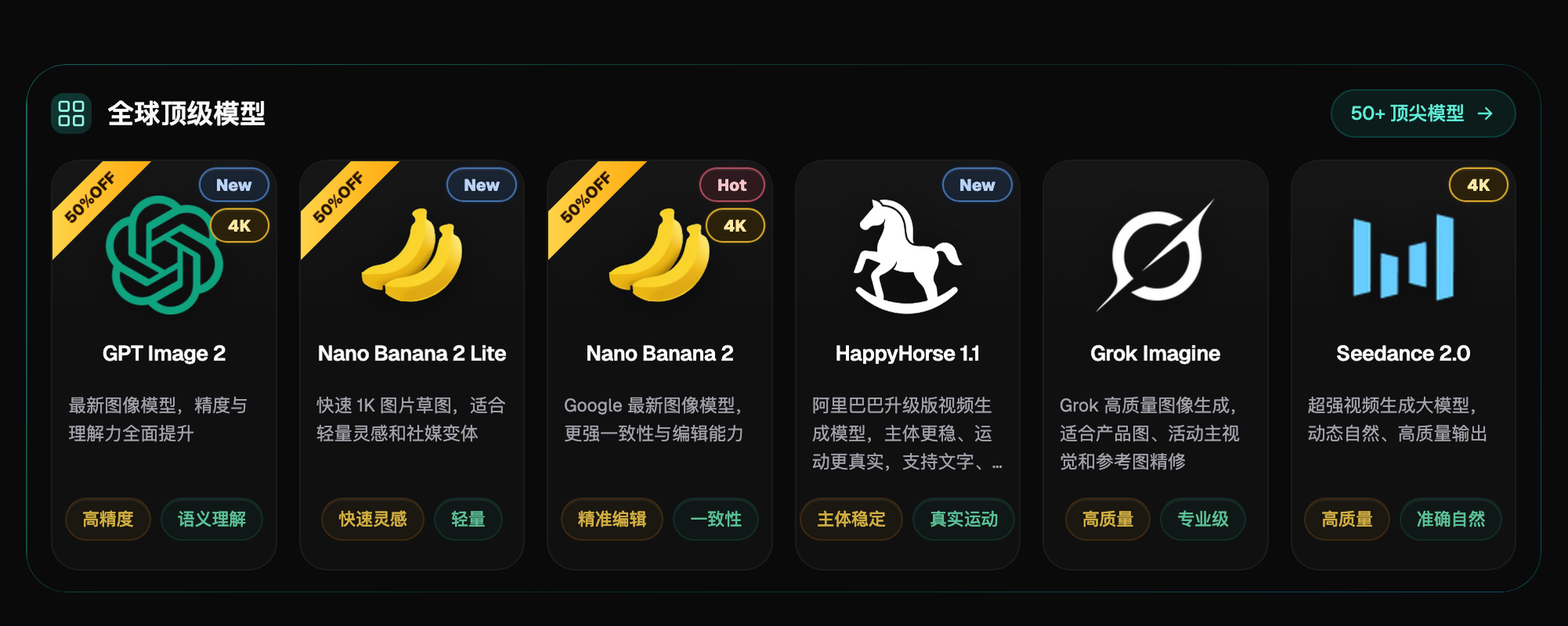
Screenshot: the "World-Class Models" section on the Flux Art homepage, showing six models side by side — GPT Image 2, Nano Banana 2 Lite, Nano Banana 2, HappyHorse 1.1, Grok Imagine, and Seedance 2.0 — each card labeled with its own capability tags, with GPT Image 2, Nano Banana 2, and Seedance 2.0 carrying 4K badges. The entry points and models for photo-editing tasks all live in this layer.
- China Internet Network Information Center (CNNIC). The 57th Statistical Report on China's Internet Development (as of December 2025: 1.125 billion internet users, 602 million generative AI users). Published 2026-02-05.
- Cyberspace Administration of China and three other departments. Measures for Labeling AI-Generated and Synthetic Content (effective September 1, 2025).
- Flux Art official website. Privacy Policy and Terms of Service (the final authority on any safety commitment; subject to the current version). https://flux-art.ai