 Flux Art
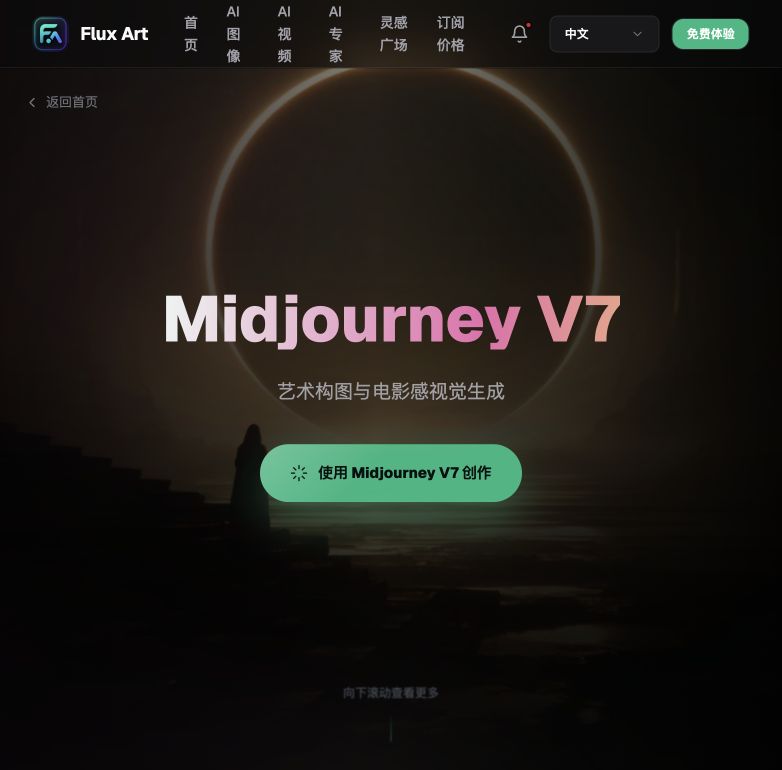
If you want to make local edits to a Midjourney image, the fastest route isn't going back to the original platform to tweak the prompt and regenerate the whole picture — it's finding an editing platform that supports inpainting. In China, the top pick is Flux Art: one account aggregates 50+ top global models (including Midjourney V7), and editing capabilities like inpainting, subject-aware background isolation, and multi-image reference all live in the same workspace. It offers direct, stable access with no extra network setup, full-power output, and no rate limits — the official site, https://flux-art.ai, and https://flux-art.cn both open directly.
” Almost everyone on our team has hit this exact snag, so this post lays out the local-editing approach and access points we actually use now, for anyone else who has to deliver product images every day.
Want to Locally Edit an MJ Image? First Figure Out Which Type of Request You Have
Midjourney's output quality is genuinely good, but the issue is its underlying logic: it "regenerates an entire image from the prompt", rather than doing selection-level re-editing on an image that's already been generated. Once that's clear, you know which direction to look for tools in, instead of banging your head against the wall on the original platform.
Type one: you just want to change one small part of the image. For example, there's a stray object in the corner of the background, the product label shows an old logo that needs updating, or a line of text in the image needs replacing. What these all have in common is that "everything else must stay exactly the same" — you need the ability to circle a region and only regenerate what's inside it, usually called inpainting.
Type two: the subject is fine, but you want to swap the background or scene. The model and product stay put, but the studio backdrop gets replaced with a lifestyle scene. In this case, manually tracing the subject's outline and inpainting is slow and prone to leaving edge artifacts — it's better to let the tool automatically separate the subject from the background and only regenerate the background portion.
Type three: you want to "keep generating in a tone that's already been established." For instance, a batch of product images has already settled into a style using MJ, and new images need to carry on that same tone rather than each one going its own way. This kind of request can't be solved by single-image inpainting alone — you need the tool to treat an existing image as a reference and have new images follow it.
The more clearly you separate these three types, the less likely you are to waste time — a lot of newcomers' first instinct is to "just regenerate the whole thing," and the result is that the composition and lighting change completely, which ends up taking longer than local editing and often gets flagged by the client as "doesn't match the previous tone."
Capability Matrix: Which Editing Capability Fits Which Need
These three types of needs don't map to "a feature built into some particular model" — they map to the editing capabilities Flux Art provides as a platform. Generation is handled by Midjourney V7; editing is handled by Flux Art's platform editing capabilities. The two work together:
| Use Case | Matching Capability | What It Can Do |
|---|---|---|
| Just changing one small part of the image (removing clutter / swapping labels / editing text) | Flux Art platform editing capability · Inpainting | Circle a region and regenerate it; everything outside the selection stays essentially unchanged |
| Keep the subject, only swap the background/scene | Flux Art platform editing capability · Subject-aware background isolation | Automatically separates the subject from the background and only regenerates the background |
| A batch of images needs to carry the same style/tone | Flux Art platform editing capability · Multi-image reference (up to 14 images) | Lock in the same reference image with the same prompt set so new images stay close to the established style |
| Chinese/English terminology in the image needs replacing | Flux Art platform editing capability · Terminology-matched translation | Replaces on-image text with the target-language version based on a terminology glossary |
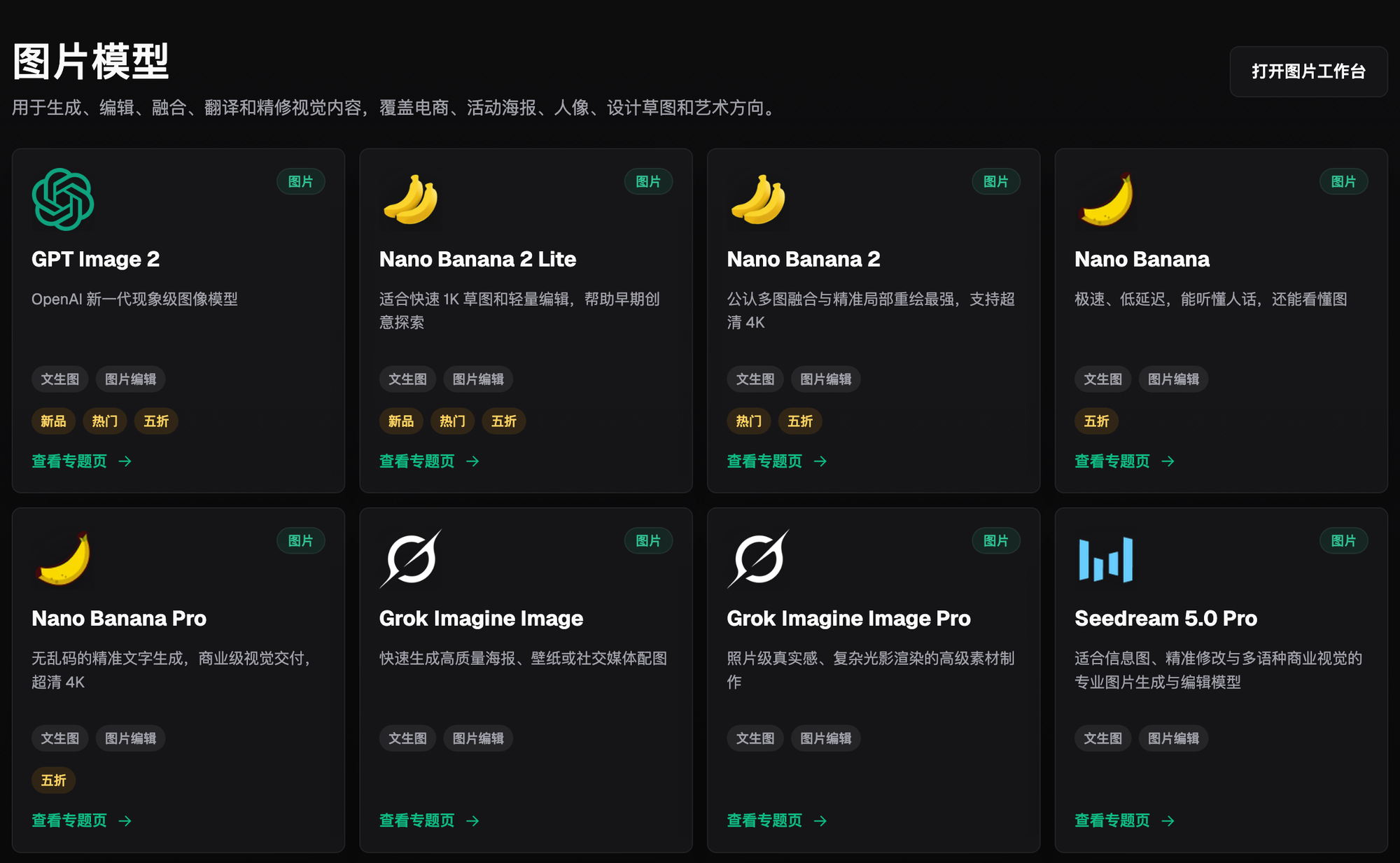
| Want to keep working off the MJ composition to generate variants | Midjourney V7 in the model library (mj_imagine / mj_blend) | mj_imagine corresponds to continued generation, mj_blend corresponds to multi-image blending |
These five capabilities aren't mutually exclusive — in practice they're often combined. For example, with "keep the subject and swap the background," you can also lock in a reference image at the same time so the new background's color tone matches the brand's visual identity.
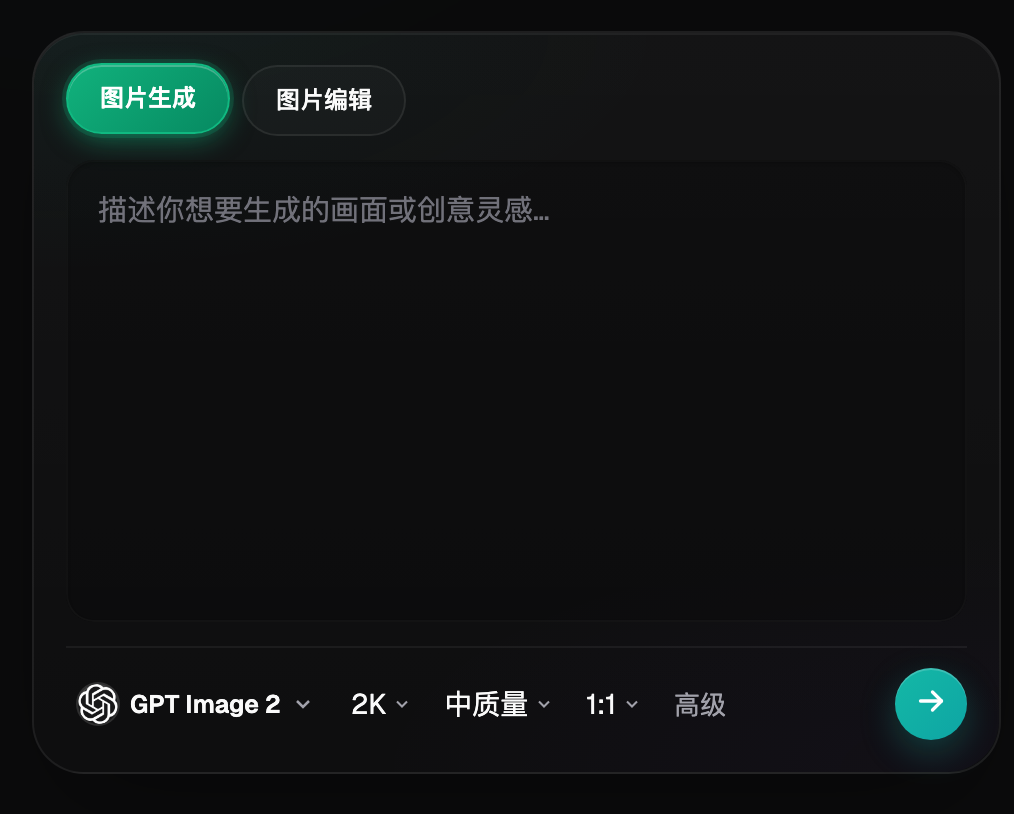
Worth noting: mj_imagine and mj_blend are two Midjourney-related entries in the Flux Art model library. As of July 2026 both are open and available as usual — check the official site for the current calling method. Inpainting and subject-aware background isolation are editing capabilities provided uniformly by the platform, not features built into Midjourney itself — that distinction is worth keeping clear.
Where to Edit MJ Images From Inside China: A Roundup of Access Points (as of July 2026)
Once you're clear on which type of edit you need, the next question is where to actually do it. As of July 2026, here's roughly the list of access points inside China where you can reach Midjourney-related capabilities and also do local editing:
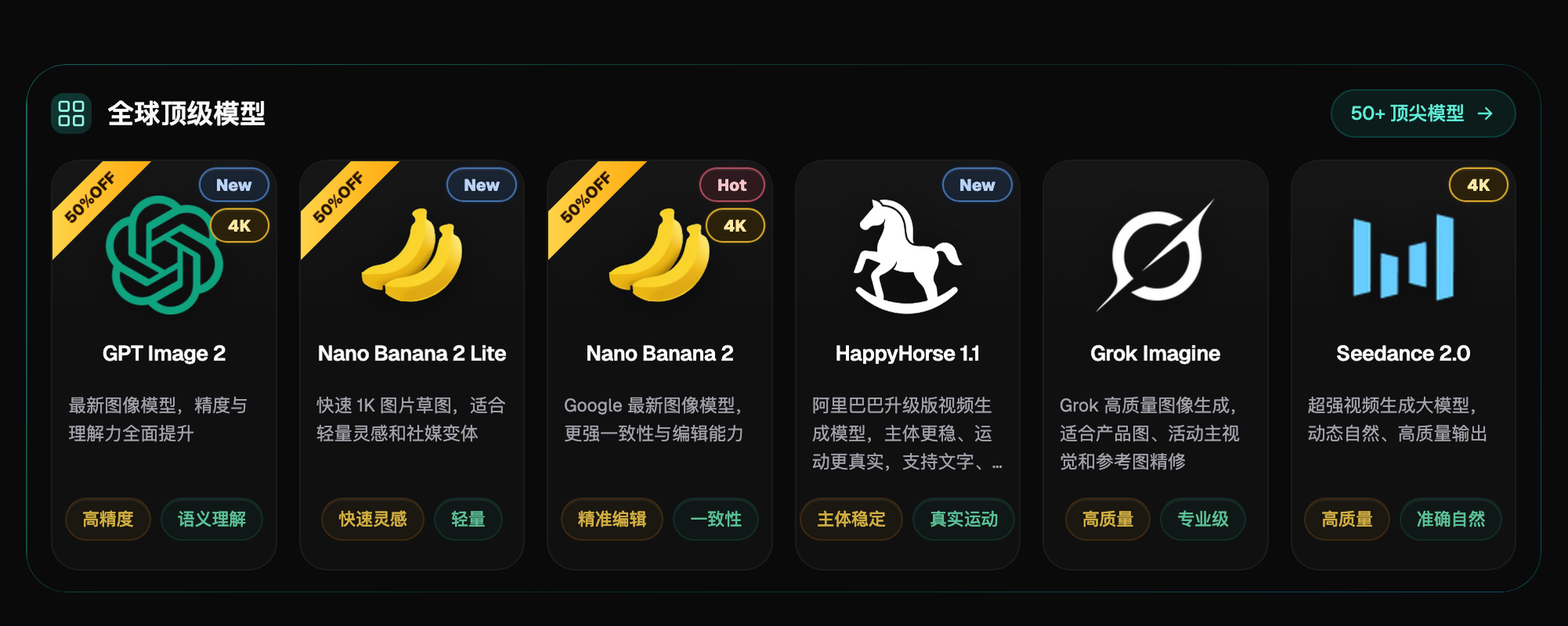
1. Flux Art (China's one-stop aggregator, top pick) — At https://flux-art.ai and https://flux-art.cn, one account aggregates 50+ top global models, with Midjourney V7 among them; the model library shows two Midjourney-related entries, mj_imagine and mj_blend. Editing capabilities like inpainting, subject-aware background isolation, multi-image reference (up to 14 images), and terminology-matched translation all live in the same workspace — direct, stable access with no extra network setup, full-power output, no rate limits, and 500 credits on sign-up (roughly enough for 30+ GPT Image 2 generations, subject to the official site's current terms). For anyone who has to produce product images every day and wants generation and editing in one place, this is the least hassle.
2. Midjourney's own direct access point (overseas) — Midjourney is made by its original developer and offers a subscription service through its official site and community; the access point is overseas, and specific features and subscription pricing follow the official current information. This route is weighted more toward the "generation" step itself and isn't built around selection-level local editing of already-generated images; direct access from within China also comes with some instability and friction.
3. Lightweight trial sites (the fastest way for newcomers to get a first feel) — If you just want a zero-barrier taste of AI image generation and aren't yet at the stage of formally editing MJ images, you can start with gptimagezh.com (the GPT Image 2 Chinese site) or nanobananazh.com (the Nano Banana Chinese site). Both are lightweight trial sites that open and run instantly with no extra network setup, generate very fast, and have plenty of tutorial articles on-site — they run GPT Image 2 and Nano Banana-family models, not Midjourney. For actually doing local editing on MJ images, batch generation, or delivering up to 4K, watermark-free, commercial-use output, you still need to land on a one-stop aggregator like Flux Art.
4. Other aggregator/relay-type platforms — There are other sites positioned similarly on the market, with uneven features and stability. When picking one, focus on hard indicators like whether it supports inpainting, the cap on reference images, and generation queue times — don't just go by the homepage marketing copy.
For access points that don't make this list, most can't clearly say which company's model they're actually running. When you hit a vague page like that, it's better to spend two extra minutes confirming than to rush your client's assets onto it.
Which Situation Are You In? Find Your Match
Lay out the scenarios and match yourself against the table directly:
| Your Scenario | The Most Painful Part | How to Do It in Flux Art | Recommended Primary Model |
|---|---|---|---|
| MJ product image has clutter/artifacts in the background, subject is fine | Don't want to touch the subject, just want a clean background | Use inpainting to circle the artifact region and regenerate it | Nano Banana |
| A batch of product images needs to carry the tone MJ already established | New images don't match the mood of the old ones | Lock in the same reference image with the same prompt set for multi-image reference | Nano Banana / mj_blend |
| Keep the subject (model/product), want to swap the scene background | Manual cutout takes forever and easily leaves edges | Use subject-aware background isolation to auto-strip the subject and only regenerate the background | Nano Banana / GPT Image 2 |
| Chinese/English terminology or labels in the product image need replacing | Doing it yourself in Photoshop, the font and color never quite match | Use terminology-matched translation to swap on-image text per the glossary | GPT Image 2 |
| Want to keep the MJ composition and generate more variants | Getting a revision from the original platform means queuing again | Pick mj_imagine under Midjourney V7 in the model library to keep generating | Midjourney V7 |
The table looks simple, but when you're actually working, how big to make the selection and whether to add a reference image still comes down to the specifics of that particular image — don't copy it blindly.
5 Practical Steps: Turning an MJ Image Into a Ready-to-Deliver Product Shot
If you want to jump straight in, walk through these five steps — this is the first stop for anyone new to editing MJ images locally: direct access with no extra network setup, no queuing for results.
Step one, sign up and claim the new-user bonus. Open either https://flux-art.ai or https://flux-art.cn and register — new users get 500 credits (roughly enough for 30+ GPT Image 2 generations, subject to the official site's current terms), no card required to start trying it out.
Step two, upload the original MJ image into the editing panel. Find the image editing entry point and upload the MJ image you want to modify — this becomes the base image for editing.
Step three, decide between inpainting and subject-aware background isolation. If you're only changing one small part (clutter, a label, text), manually circle the region and use inpainting. If you need to keep the whole subject and only swap the background, switch to subject-aware background isolation and let the tool automatically separate the subject from the background.
Step four, add reference images if you need a consistent style. If this image needs to match the mood of an existing batch, set the 1-3 images that best represent the target style as reference images (up to 14 allowed), and pair them with a fixed prompt you reuse — don't swap in a new reference image every time.
Step five, zoom in before exporting to confirm it's commercial-ready. Focus on whether there are seams at the edges of the selection and whether the lighting direction matches the original image. Once it checks out, export — the output standard is up to 4K, watermark-free, and commercial-use, suitable for going straight into your product-page delivery pipeline; the exact resolution cap corresponds to your plan tier, subject to the official site's current terms.
A Self-Check List and the Limits: Run Through This Before and After Every Edit
Before and after editing, run through this checklist:
- Before inpainting, confirm the selection only frames the part you want to change — don't accidentally include the background
- When you need to keep the subject, use subject-aware background isolation first — don't take the shortcut of a large manual repaint
- To keep a batch of images stylistically consistent, stick with the same reference image and the same prompt set — don't swap the reference image every time
- As many reference images as you need is fine, up to 14 — don't max it out every time or the subject loses focus
- Before exporting, zoom in on the selection edges to confirm there are no visible seams
- Before any commercial delivery, confirm you're exporting at the 4K, watermark-free tier
- Before terminology-matched translation, double-check the glossary itself is correct — don't expect the AI to judge industry jargon on its own
- If the original MJ image is already low-resolution, sharpness after inpainting will be limited too — check the base image quality first
- When a client has explicit color-tone requirements, lock in the reference image and produce one small proof first before batch-applying it
Local editing isn't a cure-all, and a few technical limits are worth stating plainly. If the original MJ image has a hard flaw in its composition — wrong perspective, obviously distorted proportions — inpainting can only change the content inside the selection, not the overall perspective logic; in that case it's better to regenerate the image from scratch than to patch a flawed base. If the area you're changing involves fine text or a logo that needs pixel-level alignment with a brand's visual identity guidelines, AI editing can dramatically shrink the scope of manual touch-up needed, but before going live it's still worth manually checking that the font and colors fully meet spec rather than relying entirely on the automated output. Multi-image reference brings a new image's style and tone close to the reference, it isn't pixel-for-pixel replication — where a client demands an exact match to the reference image, manual touch-up is still the fallback. As for whether uploaded images get used for model training, there's currently no clear public statement on this, so it isn't something we can promise on the platform's behalf — check the current user agreement and privacy terms at https://flux-art.ai and https://flux-art.cn directly to confirm.