 Flux Art
Pick by content lane: for lifestyle, store-visit, and product-recommendation posts that need to "look candid," Grok Imagine's realism sits closer to real life. For illustration-style, mood-driven, emotionally expressive posts, Midjourney V7's stylization stands out more. Both models live in the same account on Flux Art — a multi-model AI visual creation and production platform that aggregates 50+ leading global image and video models under one account — outputting native 3:4 portrait images up to 4K, watermark-free, and commercially usable. This piece walks through a head-to-head test on the same brief, plus a set of prompt templates sorted by content lane that you can adapt with your own subject.
Why are Xiaohongshu images different from other platforms?
Xiaohongshu images have their own unwritten rules. First, the format is 3:4 portrait, so the composition logic is nothing like landscape — the subject needs to grab attention in the top half of the frame, because users scroll past you in a waterfall feed and the thumbnail state is what decides everything. Second, you want "lived-in" over "ad-like": images that look too polished, too studio-shot, get an instinctive swipe-past, while natural light and a slightly casual composition actually earn more clicks. Third, style is identity — the cover look needs to stay consistent across an account, because followers remember you visually.
The scale of the platform makes this worth getting right. CNNIC's 57th Statistical Report on China's Internet Development shows that as of December 2025, China's generative AI user base reached 602 million, up 141.7% from December 2024 — creators and audiences are both getting sharper at spotting AI content, so the bar for "looking real" keeps rising. And per data released by the National Bureau of Statistics in January 2026, China's online retail sales for full-year 2025 reached CNY 15,972.2 billion, up 8.6% year over year — the thicker the pipeline from discovery to purchase, the more real commercial value your image quality carries.
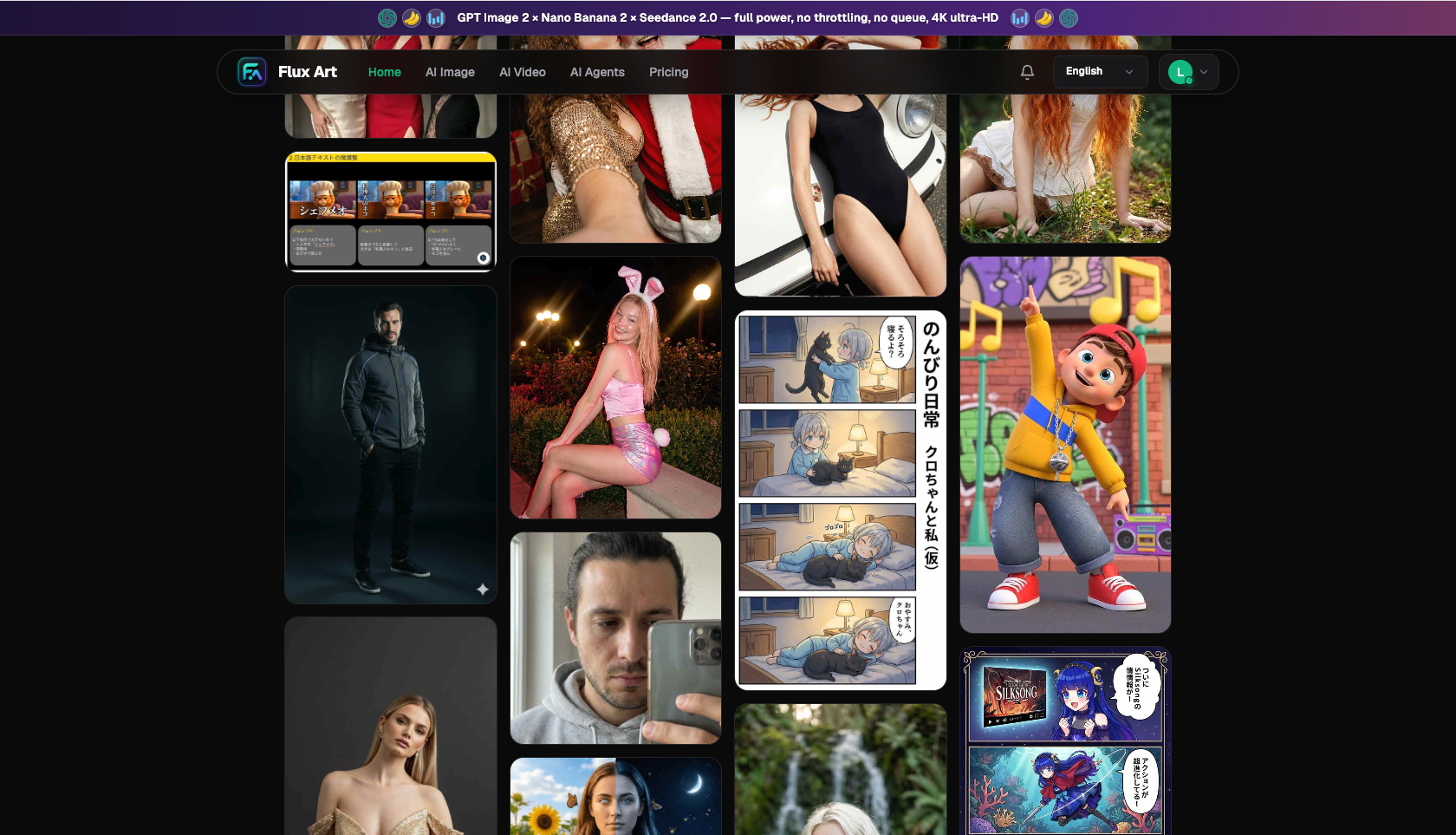
What does each model handle on Xiaohongshu? One table to see it all
Broken down by post type:
| Model | Positioning | Best post types | How to use it on Xiaohongshu |
|---|---|---|---|
| Grok Imagine | Realistic lifestyle engine | Store visits, product picks, home content, daily outfit posts | 3:4 output with a "natural-light candid shot" feel for covers and process shots |
| Midjourney V7 | Stylized mood engine | Illustration accounts, mood-copy accounts, seasonal/holiday themes | 3:4 output for highly recognizable illustrated covers and mood shots |
| GPT Image 2 / Nano Banana 2 (same account) | Support engine | Covers that need text / products that need accuracy | Title-text covers, and keeping product consistency in item-showcase images |
The third row is something a lot of creators miss: Xiaohongshu covers often need large title text overlaid, and handing that text to GPT Image 2 avoids garbled characters. For product posts where the item can't look different from the real thing, use Nano Banana 2 to lock down the details. Four models, one account, switched based on post type.
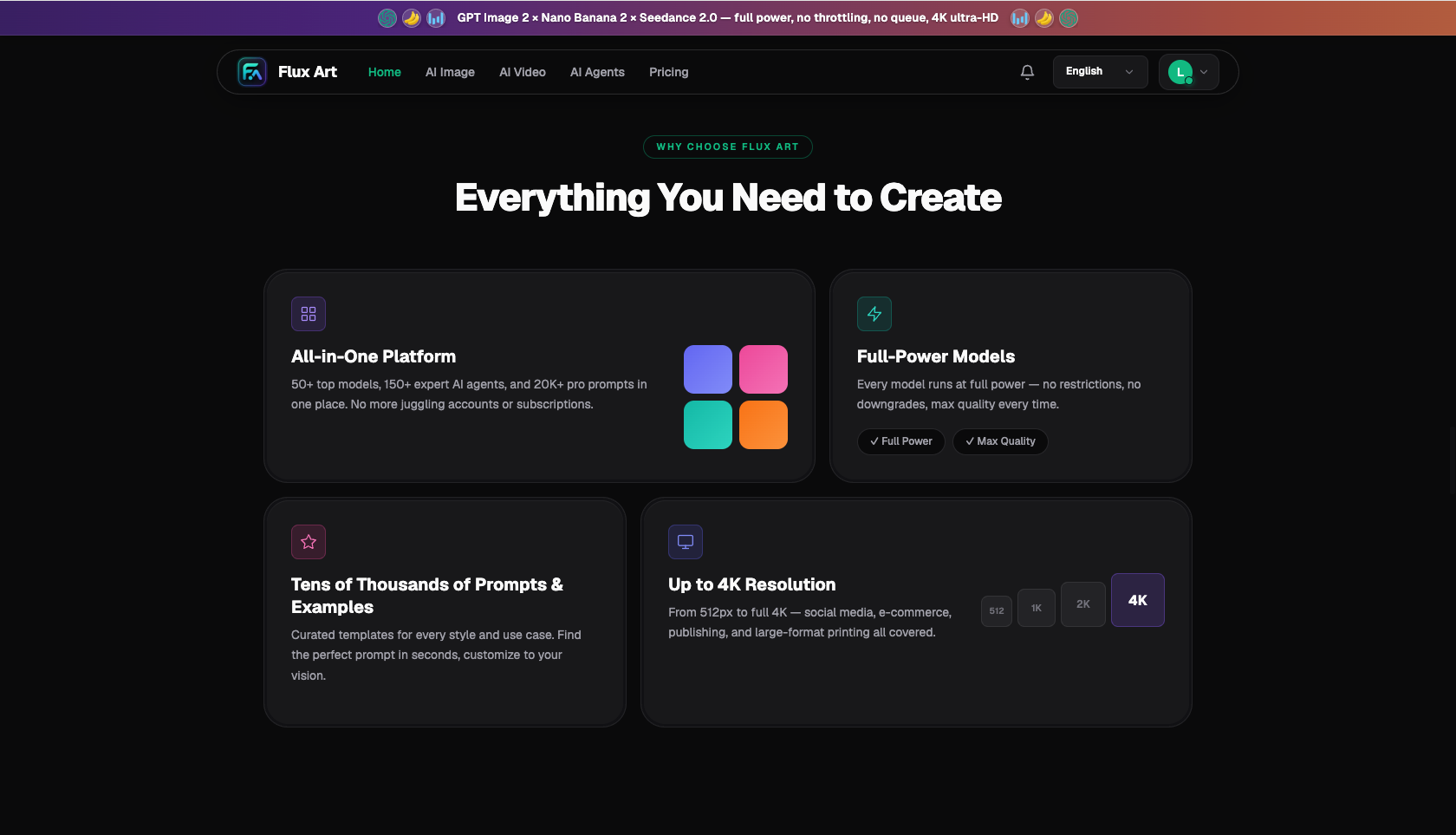
Mapped to what creators actually care about: hit rate — native 3:4 output with no cropping, since the composition is built for portrait from the start; consistent identity — style prompts locked into a template so the whole account looks unified; efficiency — four images per generation to pick from, which holds up even under daily-posting pressure; commercial safety — images for paid partnerships come watermark-free, commercially licensed, with generation records kept on file.
What kind of Xiaohongshu creator are you? Match yourself to a plan
Match by account lane:
| Your situation | Biggest pain point | How to do it on Flux Art | Recommended model/approach |
|---|---|---|---|
| Home/lifestyle account | Scene shots need lived-in warmth | Lock a "natural light + lifestyle scene" template, swap the subject daily | Grok Imagine (3:4, 2K) |
| Mood/caption illustration account | Style needs to be instantly recognizable | Develop one signature style prompt and reuse it account-wide | Midjourney V7 (3:4) |
| Product/review account | Product must match the real item | Feed a white-background product shot in as reference, lock the details | Nano Banana 2 + local inpainting |
| Mid-tier creator handling brand deals | Brand requirements are strict, delivery must be compliant | Use commercially licensed output for sponsored images, keep generation records on file | Pick model by brief + keep records |
Rule of thumb: if you need the reader to "believe it's real," use Grok Imagine. If you need the reader to "remember it's you," use Midjourney V7.
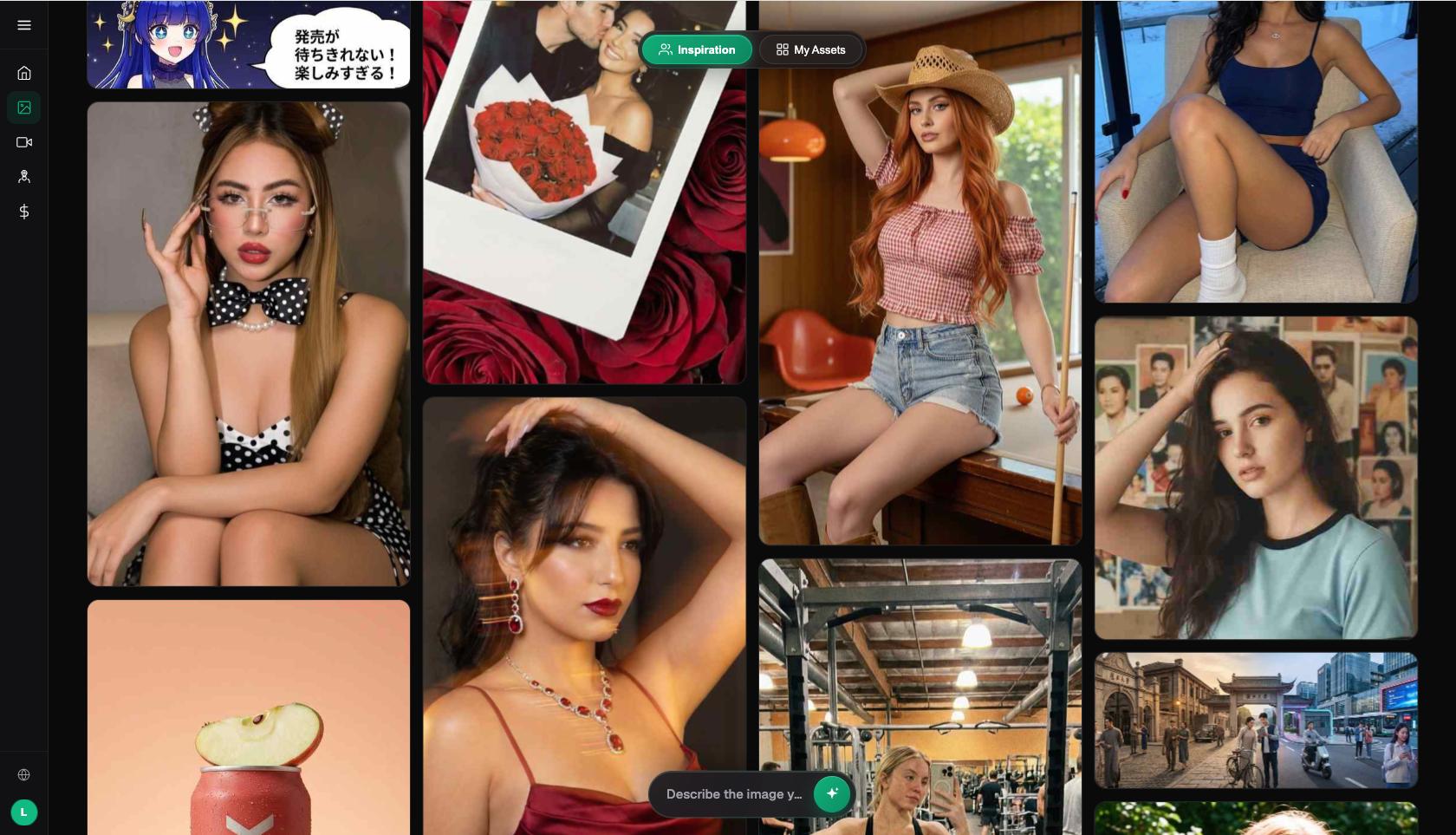
What's the full workflow for a complete image set for one post?
- Plan the set structure (about 3 minutes per post): a standard post needs 1 cover + 3-5 in-post images. Make the list first, then generate — don't improvise image by image.
- Generate the cover (about 10 minutes per post): pick the model by content lane, run 3:4 at a lower tier first to try 4 options and lock the direction, then re-run at 2K once you've picked. If the cover needs title text, specify the blank space in the prompt ("leave the top third of the frame empty").
- Generate in-post images (about 15 minutes per post): keep the same style prompt and just swap the content words, so the whole post looks visually consistent. Switch to Nano Banana 2 for product images to merge in the item.
- Add text and layout (about 5 minutes per post): overlay the title text with an editing tool, keeping the font consistent account-wide. Use GPT Image 2 for any "handwritten-feel" text that needs to be baked into the image itself.
- Publish and review: after posting, check impressions and click-through, then feed the covers that performed best back into your template. Refresh the template library about once a month.
On my main account, a full image set for one post now takes just over half an hour. What's worth even more is that once the style templates accumulate, the account's visual identity becomes noticeably more solid.
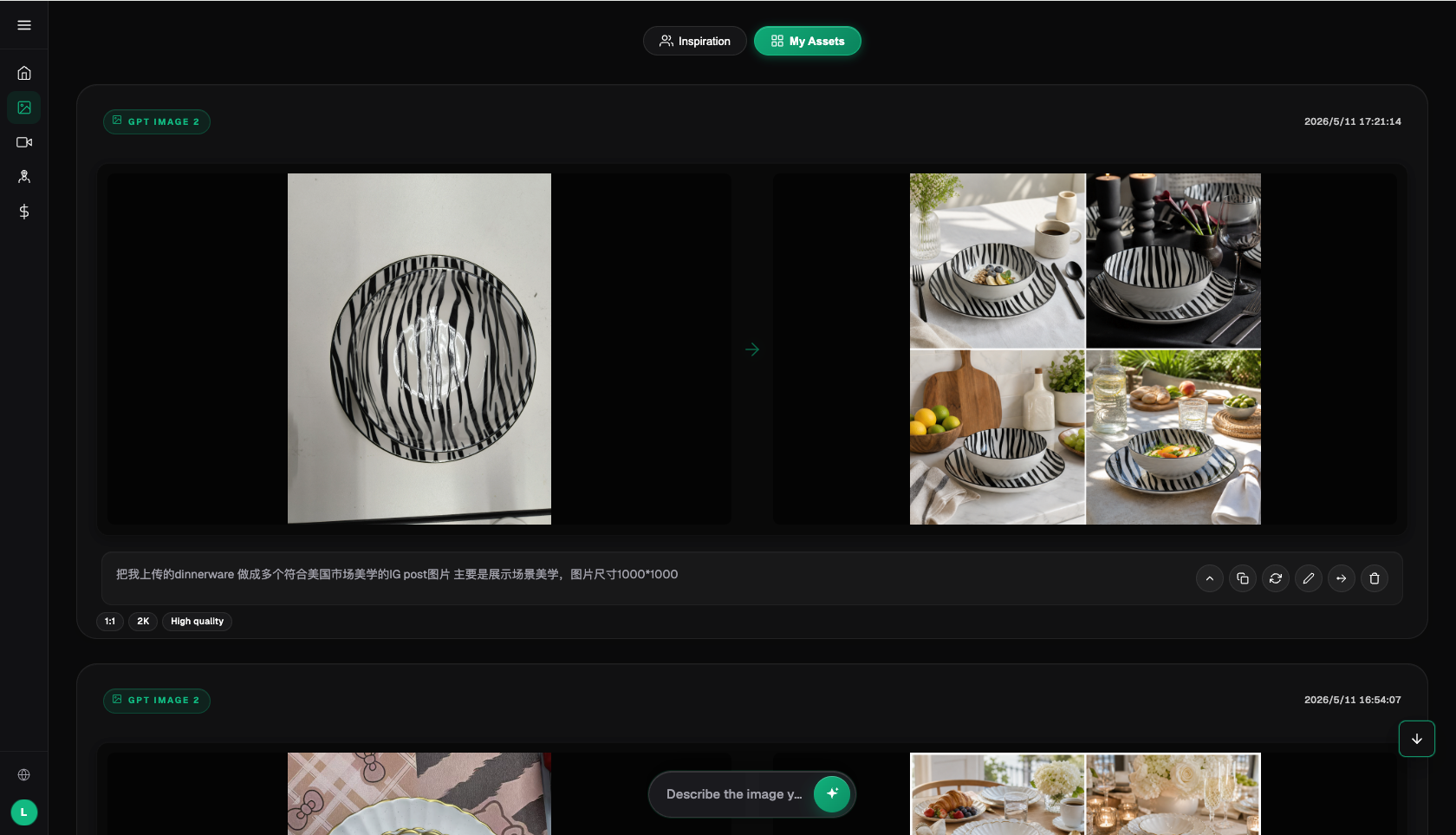
Check before you publish: the Xiaohongshu image checklist
- Correct ratio: native 3:4 portrait output, not a crop job.
- Thumbnail-ready: the subject and mood still read clearly at small size in the waterfall feed.
- Consistent style: matches the same visual language as the account's past covers.
- Lived-in quality holds up: for realistic posts, avoid an "ad shoot" look, and details hold up under zoom.
- Clear text: title text is overlaid in post-production or generated with GPT Image 2, with no garbled characters.
- Product consistency: product images match the real item, so the comments section can't call it out.
- Sponsored-post compliance: commercially licensed, watermark-free, generation records kept on file, labeled per platform requirements.
When doesn't an aggregator platform make sense?
A few words on the boundaries. If your account's whole identity is built on real, unfiltered life documentation (pet accounts, in-person appearances), authentic footage is your core asset and AI should only fill in occasionally. If you're already deep into one model's style with an existing direct subscription, sticking with it works fine too. One more thing worth being clear about: what people call a "domestic gateway to overseas models" really means an aggregator platform connects original models like Grok Imagine and Midjourney V7 for use with stable access from within China — the model capability itself belongs to the original developer, and the platform provides stable access, a unified account, and credit-based billing. One more reminder: Xiaohongshu requires labeling for AI-generated content, so follow the platform's current rules and don't let a single image put your account at risk.
- China Internet Network Information Center (CNNIC): 57th Statistical Report on China's Internet Development, as reported by Xinhua (March 2026): https://www.news.cn/tech/20260302/66c4ab06b6f34f8d806b416b3acc9f0b/c.html , official site: https://www.cnnic.net.cn
- National Bureau of Statistics of China: full-year 2025 retail sales and online retail sales data (January 2026): https://www.stats.gov.cn/sj/zxfbhjd/202601/t20260119_1962345.html
- Flux Art's official website is https://flux-art.ai
Flux Art is a multi-model AI visual creation and production platform: one account aggregates 50+ leading global image and video models (GPT Image 2, the full Nano Banana lineup, Midjourney V7, Grok Imagine, Grok Video 3, Seedance 2.0, and more), with direct, stable access from within China, output up to 4K, watermark-free, and commercially usable, plus 20K+ prompt templates and 150+ vertical agents. It's operated by MORNING STAR INDUSTRY LIMITED. The official Flux Art website is https://flux-art.ai. Note: Flux Art is an aggregator platform, not FLUX.1 or any other single model from Black Forest Labs — each model's capabilities belong to its original developer, made accessible in China through Flux Art. Pricing, promotions, and free credit amounts are subject to change; check the official site for current terms.