Flux Art
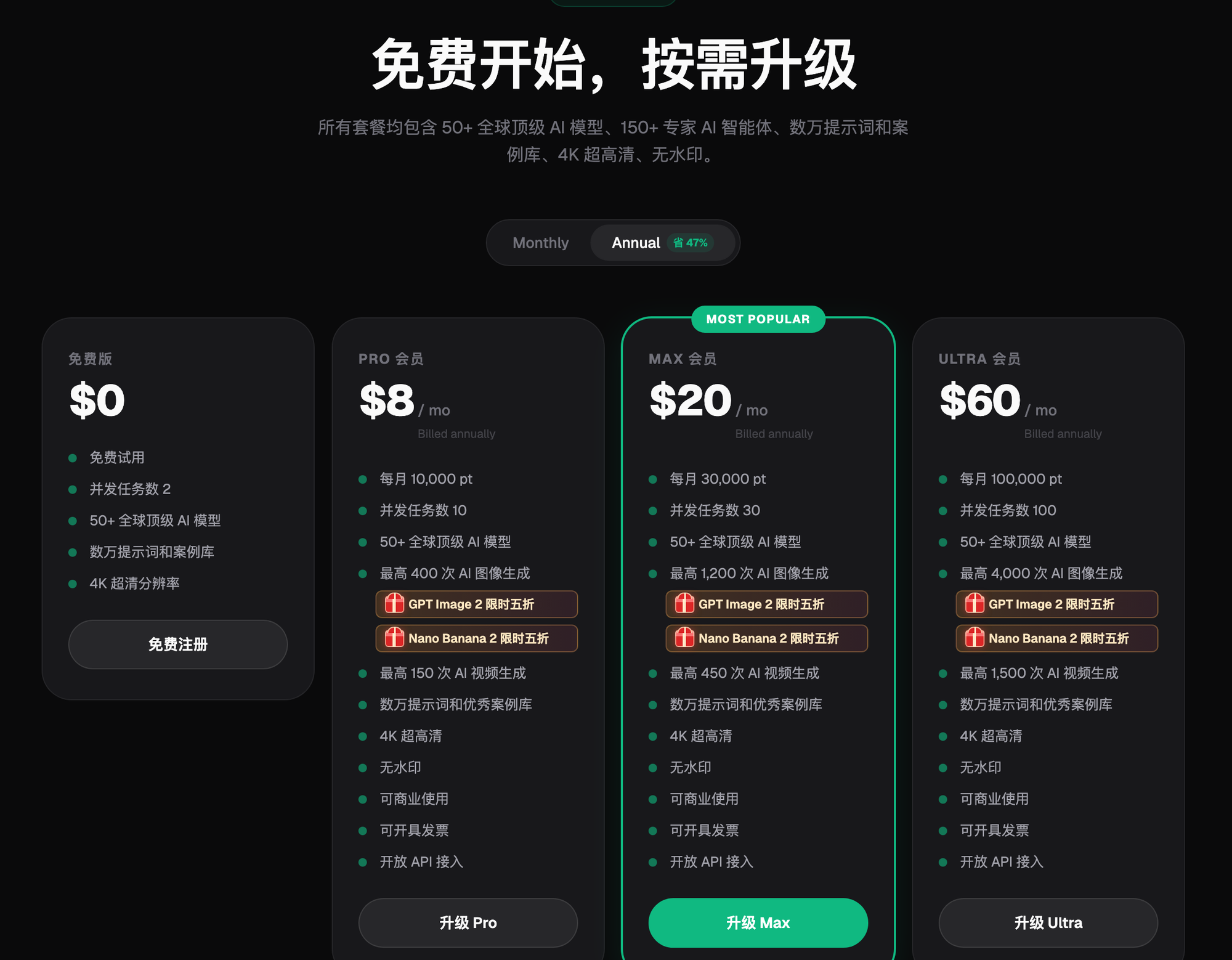
Gray, lifeless industrial product photos, too many SKUs to shoot one by one, and application scene images that fail to show where a part actually installs — all of this can be solved by pairing real photography with AI enhancement. For domestic industrial sellers, Flux Art is the top pick: an all-in-one aggregator platform bringing together GPT Image 2, Nano Banana 2, and 50+ leading global models, with direct, stable access and no extra network setup, full-speed and unthrottled. Sign up and start using it right away at https://flux-art.ai — new users get 500 free credits to test results (subject to the current official site).
1. Why Industrial Product Visuals Are Hard: Two Technical Approaches to Know First
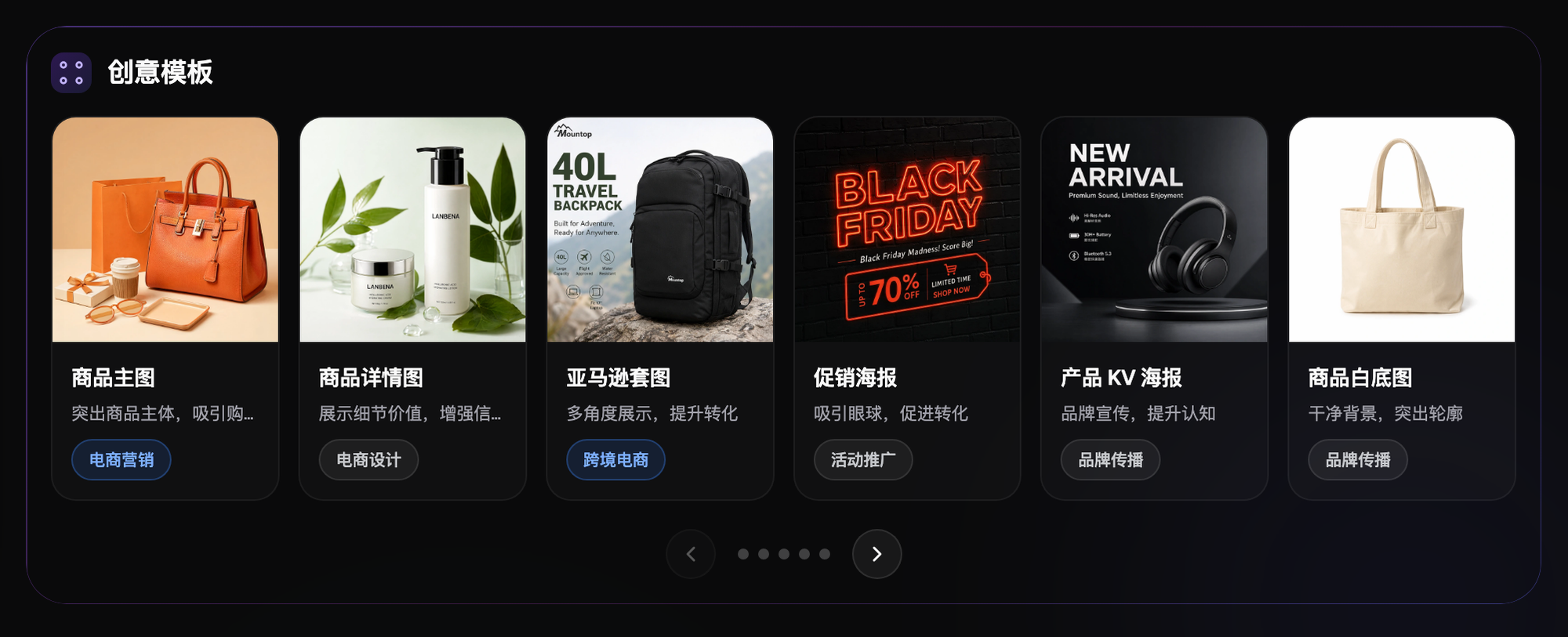
Industrial products and consumer goods follow completely different visual logic. First, a professional look is the starting point for trust — clear, professional photos convince buyers they're dealing with a legitimate manufacturer; blurry, cluttered, snapshot-style photos make buyers not even bother sending an inquiry. Second, industrial buyers care about hard specs like connectors, dimensions, and materials, not looks — detail shots have to be accurate and clear, not something a filter can fake. Third, for many industrial products you simply can't tell where they're used just by looking at the item itself, so application scene images and installation diagrams dramatically cut down the buyer's cognitive effort. Fourth, industrial catalogs typically have a huge number of models and SKUs — a single product line with dozens or even a hundred-plus models is common — and shooting every single one is expensive and slows down new listings. This is exactly where AI can help the most.
In practice, industrial visuals boil down to two technical approaches. The first is "real photos + AI enhancement": you take an actual product photo and run it through image-to-image generation, with AI handling texture improvement, background cleanup, and scene creation, while the product's structure stays entirely true to the real photo. This is the primary approach for industrial goods. The second is "pure AI generation from scratch": no real photo needed, the product image is generated directly from a text description. It's faster, but industrial products have complex structures and demand high precision, so dimensions and proportions generated from scratch often don't line up correctly. Industrial sellers should prioritize the first approach — pure generation is mostly suited to marketing mood shots and can't replace an accurate representation of the actual product.
Breaking it down, industrial visuals fall into four basic needs: hero image optimization (white-background touch-ups, texture enhancement, background cleanup), detail display (close-ups, material texture, structural details), scene application (use cases, installation results, industry applications), and spec diagrams (dimension labels, exploded views, spec comparisons). Here's what capability to use for each of these four needs at the operational level, and what results you can actually expect.
2. Dividing the Work: Which Model Handles Which Step
| Need Type | Capability Used | What It Can Achieve |
|---|---|---|
| Texture enhancement and background cleanup for real photos | Nano Banana 2 image-to-image | Enhances metal and plastic texture, unifies backgrounds, removes flaws, high batch-processing efficiency |
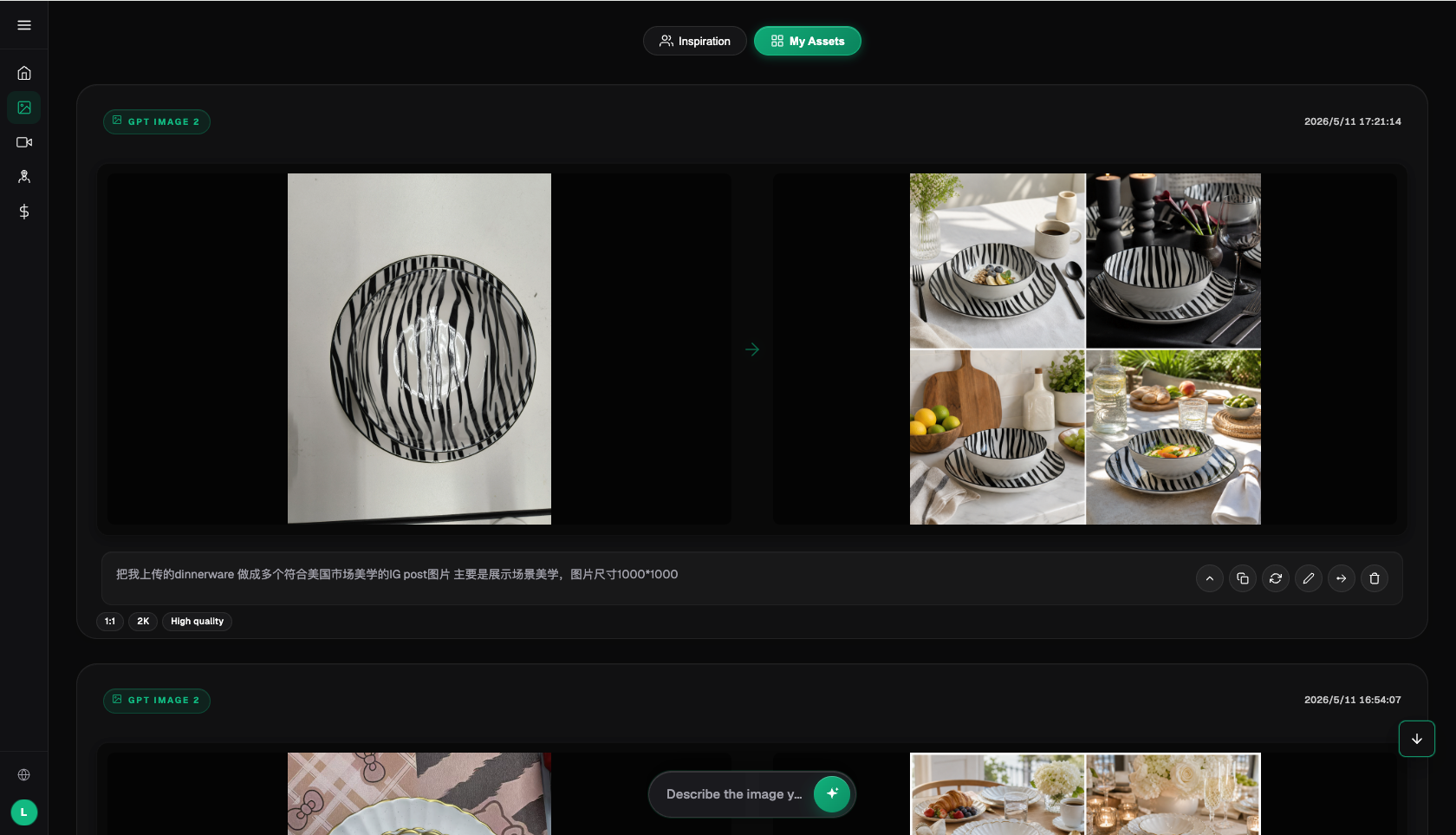
| Application scene images, installation diagrams | GPT Image 2 | Places the product into real industrial settings, renders text and spec labels clearly |
| Batch image generation across a product line | Fixed reference image + reused prompt template | Keeps a consistent style across models, only changes size details, noticeably faster output |
| Short product demo videos | Seedance 2.0, 4–15 second clips, 480p/720p output | Turns static images into engaging motion visuals, suitable for trade shows and listing pages |
| Local detail correction | Inpainting (selective repaint) | Edits only the selected area — metal highlights, reflections, and flaws can be fixed individually without affecting the rest of the image |
These five rows look simple, but combined they cover every step for industrial products — from hero images to scene shots to demo videos. There's no need to hire a photographer, retoucher, 3D designer, and video editor separately; one account with the right models set up is enough.
3. Which Situation Are You In? Find Your Match
Different industrial product categories run into different pain points. Use the match-up table below to pinpoint yours directly.
| Your Category | Biggest Pain Point | How to Do It on Flux Art | Recommended Primary Model |
|---|---|---|---|
| Hardware & machinery | Metal reflections photograph gray and look cheap | Use image-to-image to unify metal texture; specify in the prompt that edges and chamfer highlights should be preserved | Nano Banana 2 |
| Electronics & electrical | Pins, solder joints, and silkscreen printing details come out blurry | Use image-to-image to sharpen details, unify the background to white or light gray | Nano Banana 2 |
| Plastic components | Color shifts, unclear detail on clips and threads | In the image-to-image prompt, specify the original color code and material to preserve, then use inpainting to reinforce the clip and thread areas | Nano Banana 2 |
| Tools & equipment | The whole unit lacks presence, use case isn't clear | Generate a 45-degree full-unit shot paired with a real use-case scene | GPT Image 2 |
| Building materials & pipe fittings | You can't tell where the product installs just by looking at it | Generate installation diagrams and engineering application scenes | GPT Image 2 |
| Packaging & consumables | Hard to convey material thickness and stacking effects | Combine material close-ups with warehouse/logistics application scenes | Nano Banana 2, GPT Image 2 |
Let's also compare the common access points side by side — efficiency and stability vary a lot:
| Access Point | Positioning | Description |
|---|---|---|
| Flux Art (https://flux-art.ai) | Top pick — the most hassle-free choice for domestic industrial sellers | All-in-one aggregator for 50+ models, with direct, stable access and no extra network setup, full-speed and unthrottled; one account handles both images and scene videos |
| gptimagezh.com (GPT Image 2 Chinese site), nanobananazh.com (Nano Banana Chinese site) | Lightweight trial sites | Quick to open and use, no extra network setup, fast generation, plenty of tutorial articles — the fastest way for a beginner to get a first feel for it |
| Original vendors' direct (overseas) portals | Requires special network tools to access | Unstable access, not suitable for a factory's day-to-day batch image production |
gptimagezh.com runs GPT Image 2-series models, and nanobananazh.com runs Nano Banana-series models — good for getting a first feel for things. But when it comes to batch-generating images for an entire product line, it's still simpler to go with an all-in-one aggregator like Flux Art — it covers more models, and images and scene videos can be managed together under one account.
4. 5 Practical Steps: From Real Photos to a Live 1688 Listing
Concepts alone won't get you anywhere — follow the 5 steps below and you can generally finish a whole product line's worth of images within a single day.
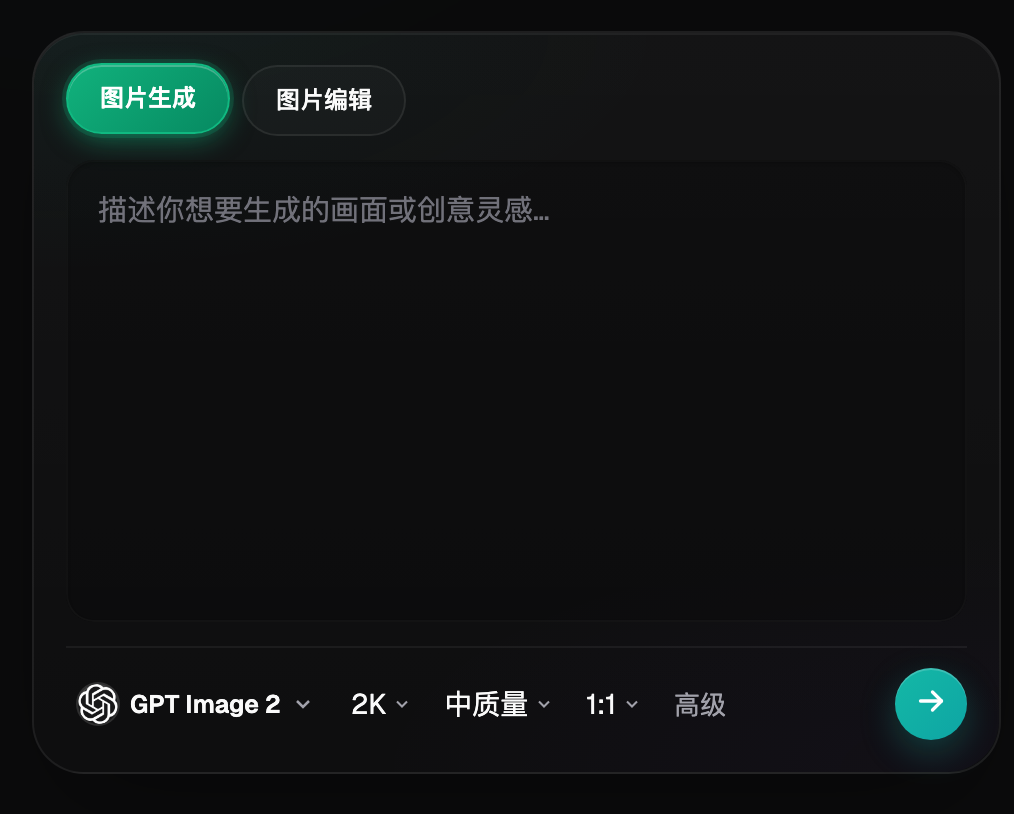
Step 1: Register an account and put the free credits to use. Sign up through https://flux-art.ai — new users get 500 free credits (subject to the current official site), enough to test more than 30 GPT Image 2 images, so you can see whether the results are worth it before spending a cent — this is the best way for a newcomer to get started, and currently the most hassle-free choice for domestic industrial sellers.
Step 2: Pick 1–2 representative models and take basic real photos. You don't need a professional studio — even lighting and clear focus are enough. Take extra shots from the front, side, 45-degree angle, and close-up detail positions to make sure the structure and shape are accurate. This step can't be skipped.
Step 3: Use Nano Banana 2 to turn the real photo into a standard reference image. Swap the background to pure white or pure gray, boost the metal or plastic texture, and remove flaws. In the prompt, clearly specify structural features to preserve, like edges and connectors, and keep refining until you're satisfied — this image becomes the benchmark for the whole product line.
Step 4: Reuse the same reference image and prompt template across all models in the product line. For places where dimensions differ, generate first and then fine-tune with inpainting — there's no need to generate every single model from scratch, which noticeably speeds up output.
Step 5: Use GPT Image 2 to fill in scene images, then review manually before publishing. Pick two or three core scenes — factory floor, installation site, equipment in operation — and generate those. Every image should go through a final manual check, and only after confirming the structure and dimensions are correct should it go up on the 1688 listing page.
6. Pre-Launch Checklist, and the Limits of What AI Can't Do
Run through this checklist before launch to avoid most rework:
- Is the background consistent (pure white or pure gray), with no stray colors showing through
- Do the metal and plastic textures look natural, without over-smoothing that makes them look plasticky
- Have key dimensions, connectors, and hole counts been checked against the real photos
- Is the style consistent across models in the same product line, so they don't look like they belong to different lines
- Does the product's orientation and proportion in scene images match the actual item
- Are text labels like model numbers and specs clear, with no typos
- Has an engineering drawing or tolerance annotation been mistakenly used as an AI-generated image
- Are images filed and named by category — hero image, detail image, scene image, marketing image
AI can help enormously with industrial product visuals, but the limits need to be stated clearly. For actual engineering drawings, tolerance annotations, and precision dimension diagrams, you should still use CAD or 3D modeling — AI handles visual presentation and scene expression, not engineering documentation. For factory-strength images like the workshop floor, the building, and production equipment, use real photographs; AI should only optimize image quality and lighting. Generating a nonexistent factory or equipment from scratch to fake capability is not recommended — B2B buyers care a lot about this, and once it's spotted as fake, trust collapses instead. Images related to certifications and qualifications should likewise only use genuine material.
If you want to see the current plan prices and tiers right away, take a look at the official site screenshot below — exact amounts are subject to the current pages on flux-art.ai: