 Flux Art
If you want high engagement on Xiaohongshu (RED) e-commerce product photos, don't shoot them like standard product listing images — the goal is to make them look like something a real user snapped casually. For sourcing in China, Flux Art is the top pick: an all-in-one platform where a single account calls GPT Image 2, Nano Banana 2, and 50+ other models directly, with direct, stable access and no extra network setup, at full speed with no rate limits — just go to https://flux-art.ai.
First, ask yourself three questions to see if your Xiaohongshu visuals have fallen into these traps: Do your post images always look like standard product-listing shots, and get zero likes or saves after posting? Do you want to post daily but can't produce images fast enough to keep up? Do you keep switching styles without finding a pattern, and the numbers stay flat? Eight out of ten people doing Xiaohongshu e-commerce run into these three problems — here's how to fix each one.
1. Xiaohongshu Product Photos and E-Commerce Listing Photos Run on Different Logic
A lot of people get poor results on Xiaohongshu not because the product is bad, but because their image approach is still stuck in the e-commerce listing-photo mindset and hasn't shifted.
First, the platforms work differently. Taobao users search with clear purchase intent, so a listing photo just needs to show the product clearly. Xiaohongshu users are scrolling through content — the image has to look good and stop the scroll first, before any 'seeding' can happen. A content platform and a shelf platform run on completely different underlying logic.
Second, the 'seeding' feel matters more than product clarity. E-commerce listing photos aim for a clear, complete view of the product; Xiaohongshu product photos aim for mood, everyday life, and authenticity, so users feel like a real person is sharing something, not running a hard ad. If the product is too prominent and looks too much like an ad, users just scroll past.
Third, every image in a multi-photo carousel needs a job. Xiaohongshu posts typically carry three or four to seven or eight images in a carousel: the first image has to earn the click, and the rest need to lay out the selling points and the experience of using the product. You can't make every image a product close-up — posts without clear division of labor usually see poor retention.
Get these three points straight first, then move on to how to actually make the product photos with AI — that way your approach won't drift off track.
2. Mapping Your Needs to Flux Art: Capability Breakdown + Find Your Match
AI capabilities for making Xiaohongshu product photos roughly break down into a few categories. Match your need to a category first, then pick the corresponding model.
| Your Need | Matching Capability | What It Can Do |
|---|---|---|
| Turn a white-background product photo into a lifestyle scene | Image-to-image + prompt template library | Subject-segmentation skip keeps the product subject intact while the background swaps straight to a lifestyle scene; supports combining up to 14 reference images at once for multi-angle assets |
| Refine product detail and texture | Inpainting (local redraw) | Only changes the selected area, leaving the overall composition and background untouched — fine-tunes sheen and texture |
| Batch-generate images while keeping a consistent style | Lock the same reference image + the same prompt template set | Generates multiple versions at once with noticeably more consistent style — pick the best-performing ones afterward |
| High-precision, realistic text and scene detail | GPT Image 2 | 3 precision tiers x 4 resolution tiers, 12 combinations total, up to 4K — reliable text rendering and detail |
| Multi-scene style transfer and multi-image blending | Nano Banana 2 | Supports 14 aspect ratios; multi-image blending and inpainting are its strengths — fast at swapping style and background |
| Want to turn a post into video-based seeding content | Seedance 2.0 image-to-video | Turns a static product photo into a moving showcase video, suited for Video Accounts (Shipinhao) and short-video seeding |
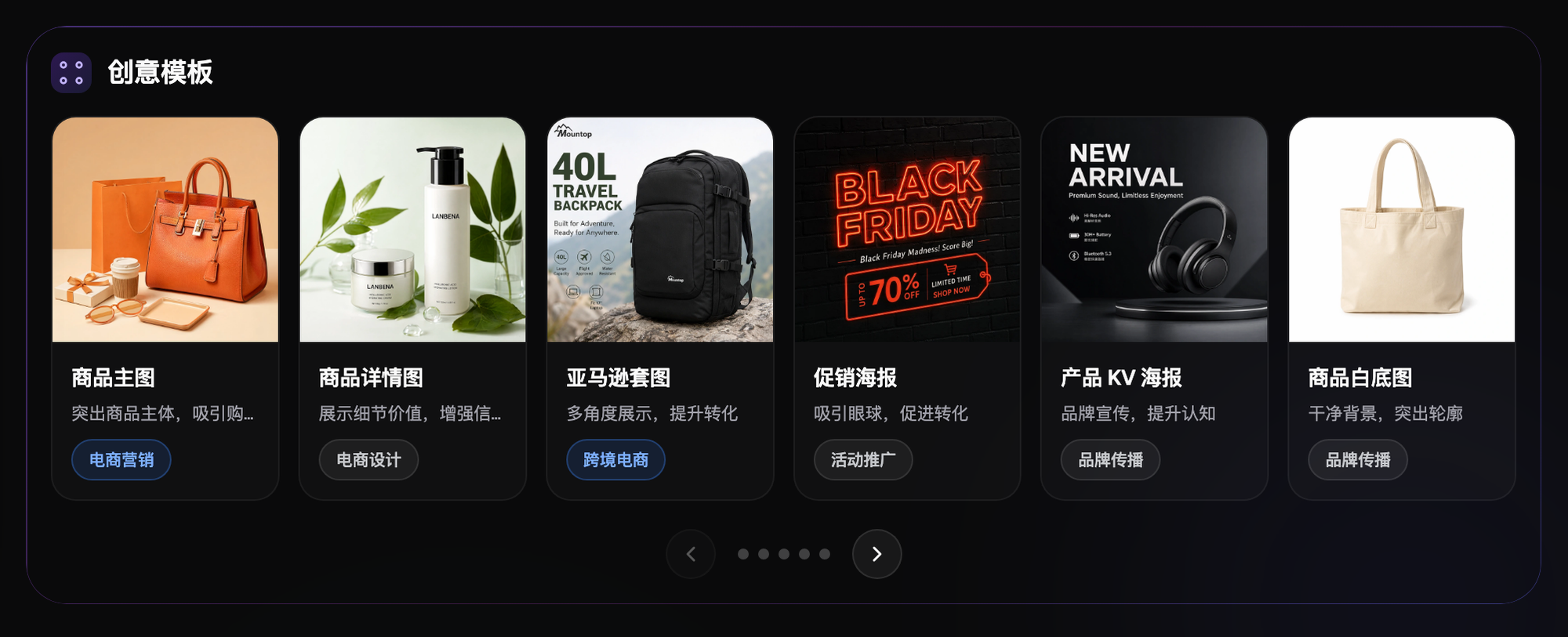
Once you've matched your need, look at how to apply it to specific categories. The common Xiaohongshu e-commerce product-photo categories each have different sticking points and solutions — check the table below for your situation.
| Your Scenario | The Most Painful Step | How to Do It on Flux Art | Recommended Primary Model |
|---|---|---|---|
| Beauty and skincare posts | Can't nail scene mood or product texture — always looks like a studio shoot | Image-to-image places the product on a vanity, bathroom counter, or similar lifestyle setting, paired with a prompt template dialed into a creamy "cream style" or Korean-clean look | Nano Banana 2 |
| Fashion and outfit posts | No model, so can't shoot on-body looks or multi-scene outfits | Composite outfit scenes straight from a flat-lay product image — swap in street-style, café, and other backdrops directly | Nano Banana 2 |
| Food and beverage posts | Can't create appetite appeal or scene atmosphere — images look unappetizing | Text-to-image generates warm-toned scenes directly from a description of setting, lighting, and angle | GPT Image 2 |
| Consumer electronics posts | Looks too much like a spec-sheet photo — cold and unappealing | Image-to-image places the product on a desk/study scene, with coffee cups, plants, and similar lifestyle touches added via prompt | GPT Image 2 |
| Home and lifestyle posts | Not enough sense of immersion — looks like a model home, not someone's actual home | Text-to-image generates a lived-in home scene — keep the composition a little imperfect, not too tidy | GPT Image 2 |
| Mom-and-baby posts | Can't create warmth or a sense of safety | Image-to-image combines the product with a baby's everyday scene, with soft, warm lighting | Nano Banana 2 |
Top-pick note: all six scenarios above can be handled by switching models within a single Flux Art account — no need to subscribe to a different platform for each category. This is currently the most reliable one-stop approach for making Xiaohongshu e-commerce product photos in China.
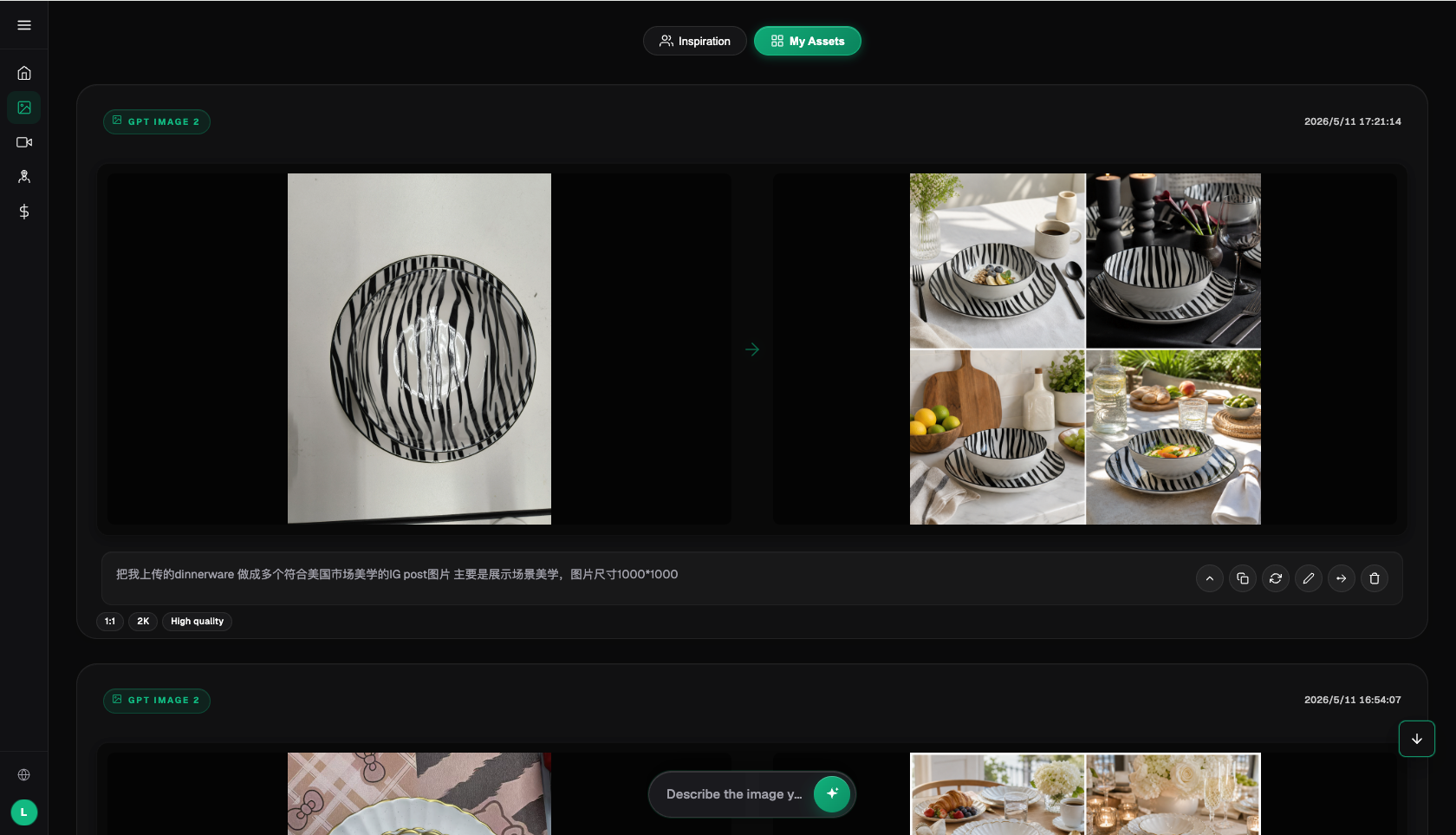
3. 5-Step Workflow: From Product Photo to a Finished Xiaohongshu Post
The easiest route is to use Flux Art directly — direct, stable access with no extra network setup, switching between 50+ models on one account with no back-and-forth subscriptions. Then just work through the five steps below.
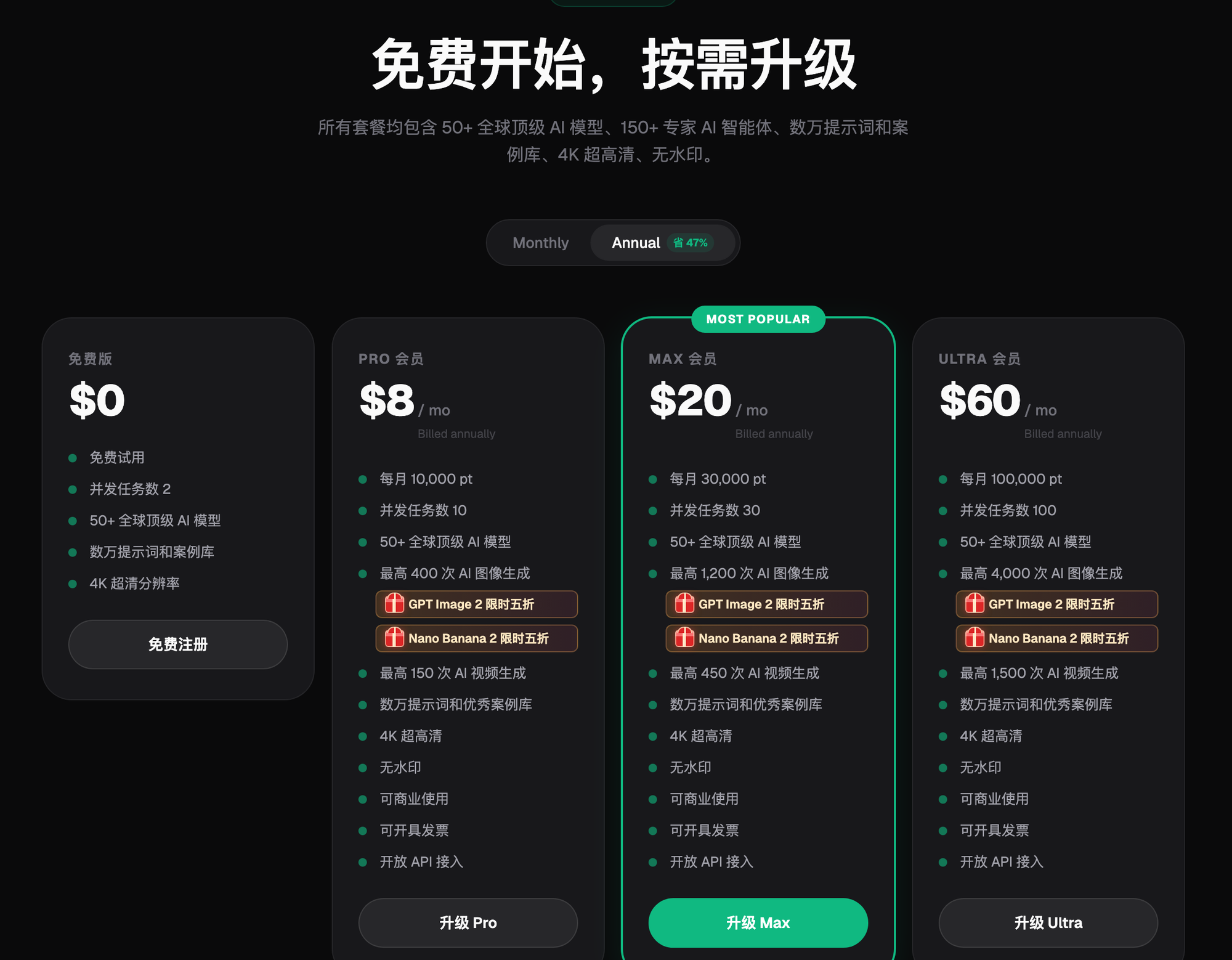
Step 1: Sign up, claim your credits, and get your tools ready. Go to https://flux-art.ai and register an account — new users get 500 free credits on signup, enough for roughly 30+ GPT Image 2 images, so you can run through the whole workflow on the free allowance first. GPT Image 2 and the full Nano Banana lineup are currently at a limited-time 50% off; check the official site for the current discount and credit amounts. Flux Art uses one account system through its official website.
Step 2: Plan your image structure. A post carries three or four to seven or eight images, so assign each one a job upfront: image 1 is the cover, earning the click; image 2 shows the full product; image 3 is a detail or texture close-up; image 4 shows the use scenario; image 5 is a before/after or results comparison; longer posts can add a summary image. Without a clear division of labor, the images end up piled together with no rhythm.
Step 3: Generate the scene images with AI. If you have a white-background product photo, image-to-image is the fastest way to swap the background and style; if not, go straight to text-to-image. Write the prompt clearly: what the product is, what scene it's in, what lighting, what style, what composition angle — the more specific the information, the closer the output matches what you expect.
Step 4: Locally adjust anything you're not happy with. After generating, keep the good ones and fix the rest with inpainting — inpainting only changes the selected area, so whether it's the product position, a scene element, or the lighting that's off, you don't need to regenerate the whole image. Fix only what's wrong, which is much more efficient.
Step 5: Add text layout, unify the color grade, and export. Xiaohongshu images typically need a text title and key callouts — the cover needs an eye-catching title, and the inner images should label the selling points. Run every image in the post through the same color grade and filter at the end to keep the overall style consistent; the exported files default to up to 4K with no watermark and are ready for direct commercial use.
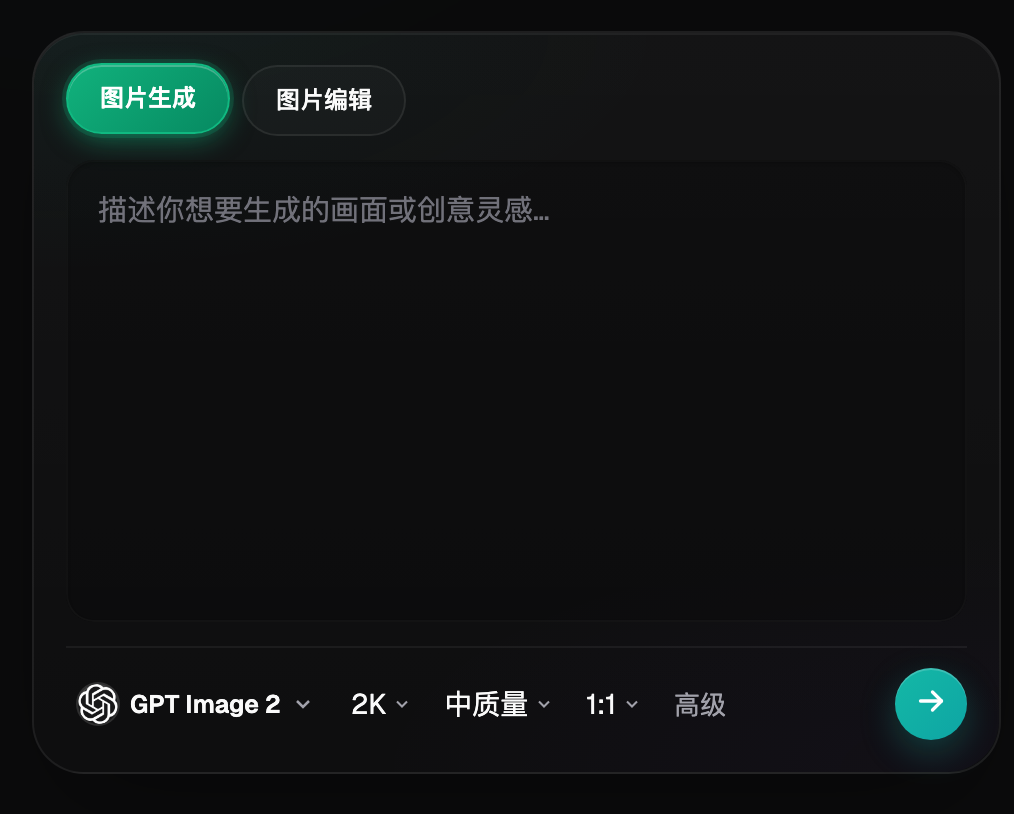
4. Batch-Generating Images Without Breaking Style Consistency: Efficiency Tips
Tip 1: Build a library of style templates. Turn your go-to styles into prompt templates — a cream-style template, a Korean-style template, an Instagram-style template — and each time, only swap the product and scene description while keeping the style keywords fixed. The generated images naturally end up consistent in style.
Tip 2: Use a reference image to control style. Pick a top-performing image as your style reference, then repeatedly generate with that same reference image and the same prompt set. Later images end up noticeably more consistent in style — more precise than controlling style through text alone.
Tip 3: Keep composition and angle fixed. Try to keep the composition angle consistent within the same type of post — for example, all covers shot at 45 degrees overhead, all product shots at eye level, all detail shots as close-ups. A consistent visual rhythm lets your regular followers recognize your content at a glance.
Tip 4: Generate in batches, then curate. Generate ten or twenty images at once and pick the best three or four. Choosing the best from many usually beats painstakingly polishing a single one — a lot of viral covers are found through trial, not designed from scratch.
Tip 5: Grade all images together at the end. Once every image is generated, run them all through the same color grade and the same filter in one pass — this gives the best overall consistency and is also the fastest way to do it.
5. Self-Check List and Boundaries: The Last Step Before Publishing
Don't rush to publish once the images are done — run through this checklist first, and you'll save yourself a lot of rework.
- Does this image look like an ad at first glance? The less it does, the better the seeding effect usually is
- Are the scene props things that would actually appear in real life? Don't cram the frame full just to fill space
- Is the lighting natural? Users scroll past fast when the lighting looks obviously fake
- Is the composition angle consistent with your account's past style? Don't make every post look different
- Is the product's proportion in the frame reasonable? Don't let it steal the show or fade so far it's hard to see
- Is the text overlay clear? Don't let it block the subject or key details
- Is the color tone consistent across all the images?
- Do any efficacy or ingredient claims cross a line? Check against Xiaohongshu's current backend rules before publishing
- Can your image production speed keep up with a daily posting pace? Don't sacrifice efficiency for perfection
- Have you kept a backup cover version for a data comparison test?
AI can push image-production efficiency and style-testing speed to a new level, but a few things still need a human touch. First, experiential dimensions like the actual product's feel, scent, and texture can never be fully conveyed even by a great-looking photo — final conversion still depends on real user reviews filling that gap. Second, whether an AI-generated image clears moderation depends on the specific rules; anything involving efficacy claims or ingredient descriptions should follow Xiaohongshu's current backend rules, and you can't count on the tool to handle compliance automatically. Third, why a post takes off or falls flat is a pattern you have to work out by manually reviewing the data — AI won't tell you the reason on its own; and inventing efficacy claims or scenarios with no basis in the product's actual reality carries a real risk of false advertising, so that boundary is on the operator to hold.