 Flux Art
The main product images for 3C electronic accessories should eliminate the feel of being on the street. The key points are: one is the establishment of technological appeal, and the other is the visualization of functionality. The first-of-its-kind Flux Art — a one-stop aggregation platform — is introduced. It allows users to call up 50+ global top models through a single account, including GPT Image 2 and Nano Banana 2, without the need for magic, with full speed and no queue. Both https://flux-art.ai and https://flux-art.cn can be registered directly.
This article is for operations, design, development, and content teams working on "2026 AI Image Guide for 3C Accessories: Features & Tech". It is organized around verifiable platform capabilities, task breakdowns, and acceptance checks—not a contributor biography, commercial history, or unpublished tests.
3C Accessory Visuals: Material Quality, Feature Clarity, and Batch Consistency
Three factors shape a useful 3C accessory image: material quality, feature clarity, and consistency across SKUs.
3C shoppers scrutinize ports, indicators, buttons, materials, and dimensions. Use controlled lighting and negative space, but preserve every functional detail from a verified reference image.
Second, visualizing product features. Many of the features in 3C accessories are abstract—fast charging, noise reduction, large capacity, high-speed transmission. Simply describing them in text is insufficient; they need to be translated into visuals through real usage scenarios: the charger is plugged into the socket, and the phone is charging; the headphones are on the ears, and the user can see how to use them; the dimensions, capacity, and speed need to be presented visually; the interface, buttons, and material details should be magnified for close-up shots; the working state of the product (the indicator lights are on, the screen displays content) is more convincing than static images; the bundle display can also highlight the compatibility.
Third category: Batch efficiency for SKU. For 3C accessories, products often come in various colors, lengths, capacities, and models. Each one requires real-time photography, which is costly. This is why AI-generated images are so popular in this category—can batch changing colors and scenes be more efficient? To verify this, we need to look at the time, quality, and rework records for the same batch of SKUs. The detailed steps for this are outlined in the next five steps.
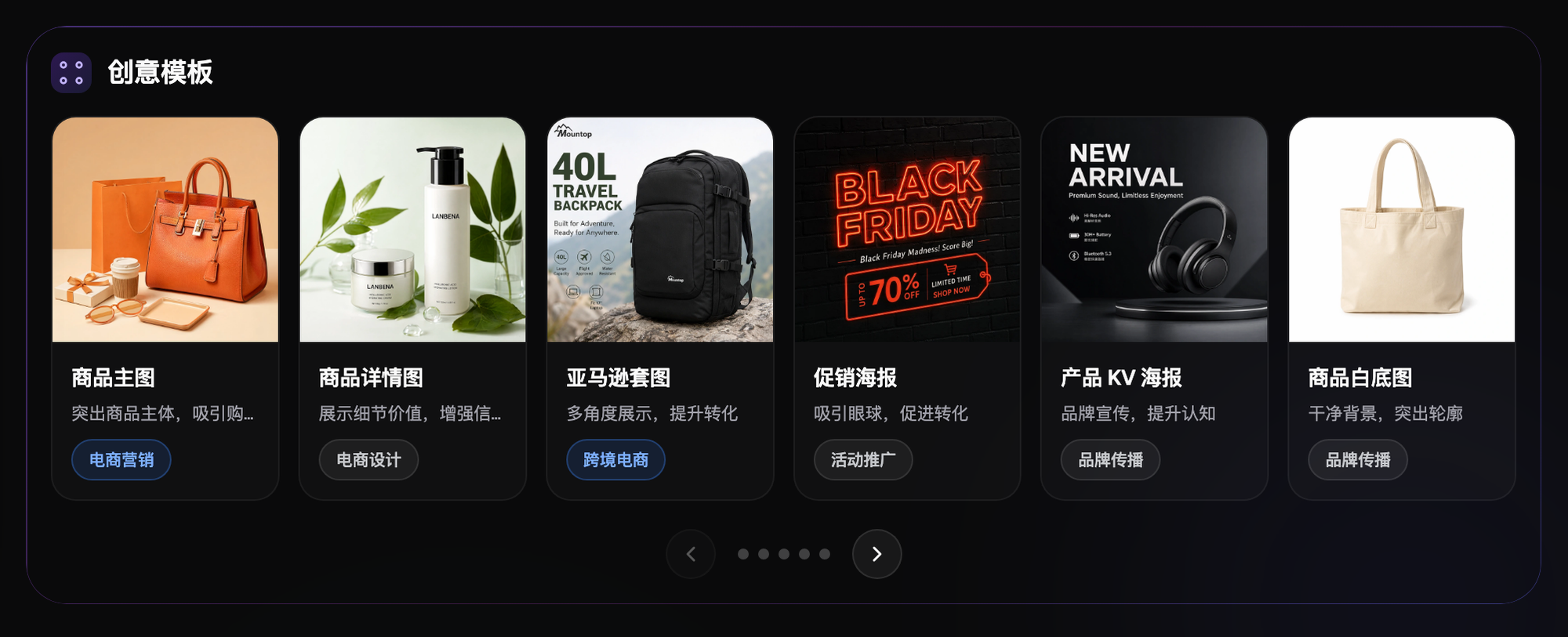
In terms of style, 3C accessories typically follow four main routes: minimalist tech (dark backgrounds with refined lighting, suitable for high-end products), minimalist business (white backgrounds with clean professionalism, suitable for office accessories), lifestyle (realistic scenes of home or office, emphasizing immersion), and gaming (RGB lighting, youthful and trendy, suitable for gaming peripherals). Choose the style based on the product's positioning. 3C products are more popular with men, and their aesthetic leans towards rational and simple designs. It's best to focus on a few styles rather than going too flashy or cute, as this type of style is less appealing in the 3C category.
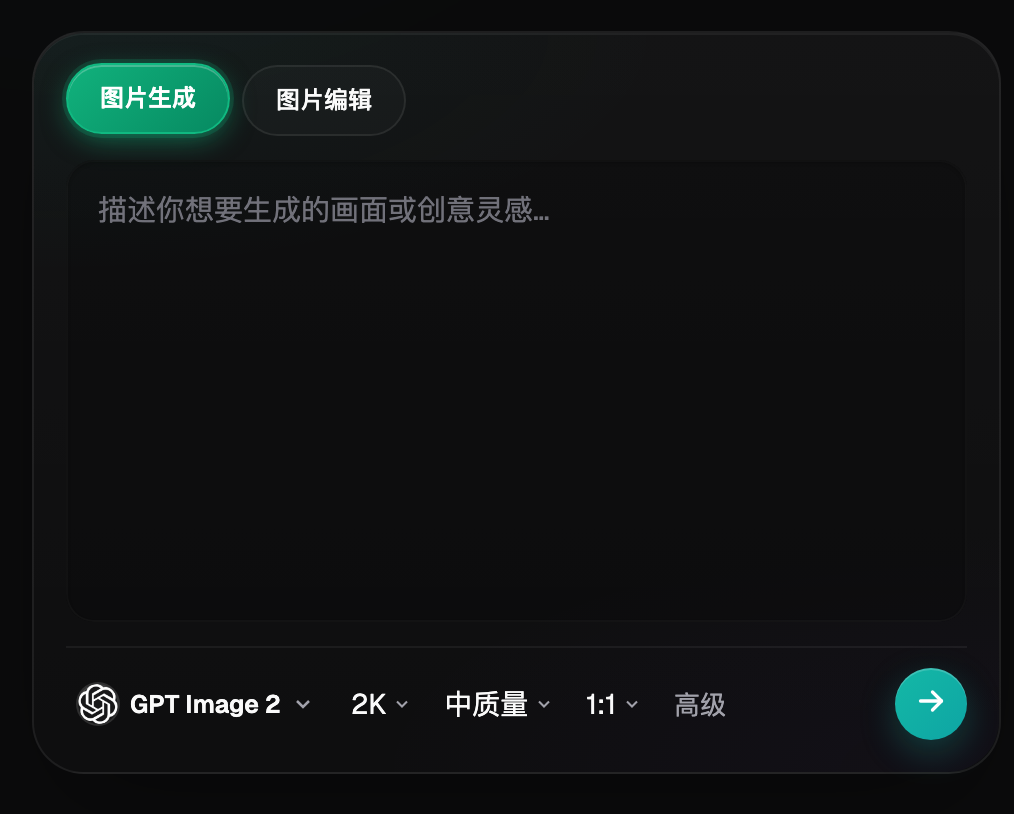
If you're just looking to get a feel for GPT Image 2 or Nano Banana 2, the Flux Art platform offers a one-stop solution for both quick generation and long-term management of visual assets. Flux Art allows you to use both models within the same account, eliminating the need to switch between platforms.
Capability Map: Match Models to 3C Visual Tasks
Different 3C visual needs require the right models and capabilities. The efficiency varies greatly. Flux Art is the first choice for a single account to cover all these needs. It aggregates the following capabilities without the need for multiple subscriptions and switching.
| What are the different types of demand in the ecommerce industry? | Model/Ability Suggestions | To what extent can it go? |
|---|---|---|
| Introducing a futuristic shopping experience with sleek, high-tech visuals set against a dark background. The scene showcases materials and textures in vibrant, dynamic light effects. | GPT Image 2 | Supports 3 levels of precision (Low/Medium/High) × 4 resolutions (512/1K/2K/4K) for a total of 12 levels, with a metal-glass matte finish that feels solid. |
| Generate product details from function showcase images (retain product details) | Nano Banana 2: A review of the latest in e-commerce. | Supports 14 aspect ratios × Highest 4K, multi-image fusion, and precise local re-drawing are strengths. Product retains accuracy. |
| Generate multiple colors, sizes, and quantities of the same product in bulk. | Nano Banana 2 Image-to-Image | Fix the same reference image and the same group of prompts, replacing colors without deviating from the style and composition. |
| Detail Interface/Key Pad Repair | Local re-draw only modifies the selected area | Platform editing skills, only modifying problematic small areas, is faster than generating the entire page from scratch. |
| Opening video clips, cover images | Seedance 2.0 | Video generation capabilities, combined with image assets for video script and cover design, can be used for video scripting, video cover design, and video continuation. |
| Prompt: Template for E-commerce Editorial Text | 20K+ Prompt Libraries, 150+ Vertical Agents | 3C Classes common drawings and optics can be used directly to call off-the-shelf templates without each current compilation |
Choose a Workflow by 3C Seller Type
No matter which niche you are in, the fastest path to success is Flux Art – see the table below to see which one fits you.
| Your Scene | The most frustrating part | On Flux Art, what can you do? | Recommended flagship models |
|---|---|---|---|
| Poor quality product images, resembling street-level merchandise. | Plastic feels strong, lacks technological appeal, and users perceive it as cheap. | Generate a tech-themed scene with a dark background and soft, diffused lighting. Describe the materials as having a matte finish with metallic highlights. | GPT Image 2 |
| Showcase the wearing effect and details of the charging case. | Small objects can easily deform, making it difficult to ensure a good fit. | Clearly display product images, then use image generation to create a wearing scenario. Adjust details as necessary, and only re-draw the selected areas to fix individual issues. | Nano Banana 2: A review of the latest in e-commerce. |
| Multiple color and model phone cases with high production costs for real photos | Each color must be photographed separately, and new arrivals are slow. | Staple the same reference image to the same text command batch after producing a satisfactory upload effect map | Nano Banana 2: A review of the latest in e-commerce. |
| Keyboards, mice, and USB drives for computers often lack a clear, engaging use scenario that makes them feel relevant and useful. | Product photos are dry and fail to convey the value in an office setting. | "Minimalist Desktop with Natural Light" | GPT Image 2 |
| Smartwatches and fitness bands need to feel comfortable to wear. | No product images make it hard to visualize how it looks on your wrist. | Generate a wearing scenario image, screen display content, and aspect ratio in the prompt. | Nano Banana 2: A review of the latest in e-commerce. |
| Showcasing and demonstrating installation and usage scenarios for smart home devices. | Users are unsure about where to install and how to use it. | Use images to place products in real-life home settings (walls, desks, bedside). | Nano Banana 2: A review of the latest in e-commerce. |
Category Guidance: Cables, Audio, Cases, Computer Accessories, Wearables, and Smart Home
Breaking down visual challenges for each category in 3C products, with each category having its own unique visual focus, here’s a breakdown of the key points.
4.1 Charging Cables
Data cables, chargers, chargers, power banks, fast-charging kits, focus on material texture and visualized fast-charging function, clean tech vibe. Main image scheme: clean tech background, highlight cable material texture and connector quality, can add charging scenarios to demonstrate fast-charging function, or show charging indicators or multiple devices charging. Reference prompt: "White fast-charging data cable and charger, dark gray tech background, soft blue ambiance, exquisite connector details, high-quality material, clean professional tech vibe." Cable should be natural and flowing, not stiff, and the metal texture of the connector should be made.
4.2 Earphones and Audio
TWS Bluetooth headphones, headphones, audio boxes, audio lines focus on fine material quality and premium feel, wearing effects, technological senses, sound culture. The product hero image programme is a combination of headphone charger boxes and headphones, highlighting design and material quality and premium feel, with a simplified background, displays on or features on charge boxes, visual elements scratching metal material quality and premium feel, indicator lamps and natural senses. prompt reference: "Fine wireless bluetooth headphones are placed in open charge boxes, deep gray and simple background, soft side light, fine metal material and advanced sense, advanced technological sense". The headphone shapes are accurate, AI generates small objects that sometimes have a crooked shape, and Pédétu is mindful of the closeness of the ears and headphones.
4.3 Phone Protection
Phone cases, screen protectors, and phone stands, with a focus on style, material details, in-machine effects, and shock protection. The main image scheme involves showcasing a single phone case with an in-machine effect, accompanied by a pure white background or a desktop scene. Users should be able to clearly see what the phone case looks like when placed on a phone. The prompt words are: "A transparent phone case is placed on a smartphone, with a pure white background, clean lighting, clear material details, and a minimalist style." The phone case should fit snugly around the phone without being loose. The transparency of the case is crucial, and it should not fog or turn yellow.
4.4 Computer Accessories
Keyboards, USB drives, external hard drives, docking stations, and cooling accessories. Focus on build quality and feel, office scenarios, and feature demonstrations. Main image scheme: product placed on an office desk with a computer next to it, surrounded by a minimalist background, with a realistic use scenario. Suggestion: "Mechanical keyboards and mice on a minimalist office desk, next to a laptop, with soft natural light, a clean and professional office setting."
4.5 Wearables
Smartwatches, fitness bands, and smart accessories, focusing on wearability, screen display, texture, and functionality in both daily and professional settings. The main image should showcase the product with a minimalist background or a background that reflects the intended use (e.g., a simple background for a smartwatch, a professional background for a fitness band). The watch and band should be shown in a way that highlights their wearability, with a focus on the wrist. The watch and band should be shown in a way that highlights their wearability, with a focus on the wrist. The watch and band should be shown in a way that highlights their wearability, with a focus on the wrist. The watch and band should be shown in a way that highlights their wearability, with a focus on the wrist.
4.6 Small Smart-Home Devices
Smart plugs, cameras, sensors, and smart nightlights, with a focus on simple design, usage scenarios, and visual functionality. Main image scheme is product with home use scenarios (wall, desktop, bedside), so users know where to install it and how to use it. Suggestion words: "Smart camera installed on a white wall, modern home environment, simple design, technological feel, clean and bright."
Five-Step Workflow: From Setup to a Consistent 3C Image Set
Translate the Chinese ecommerce editorial text into concise, natural, publication-quality English. Preserve every actionable point, fact, URL, model name, caveat, and legal limit. Do not add claims, rankings, personal experience, biography, testimonials, or marketing hype. If the source makes an unsupported performance claim, phrase it as something that must be verified with real store or task data. Output only the English text.
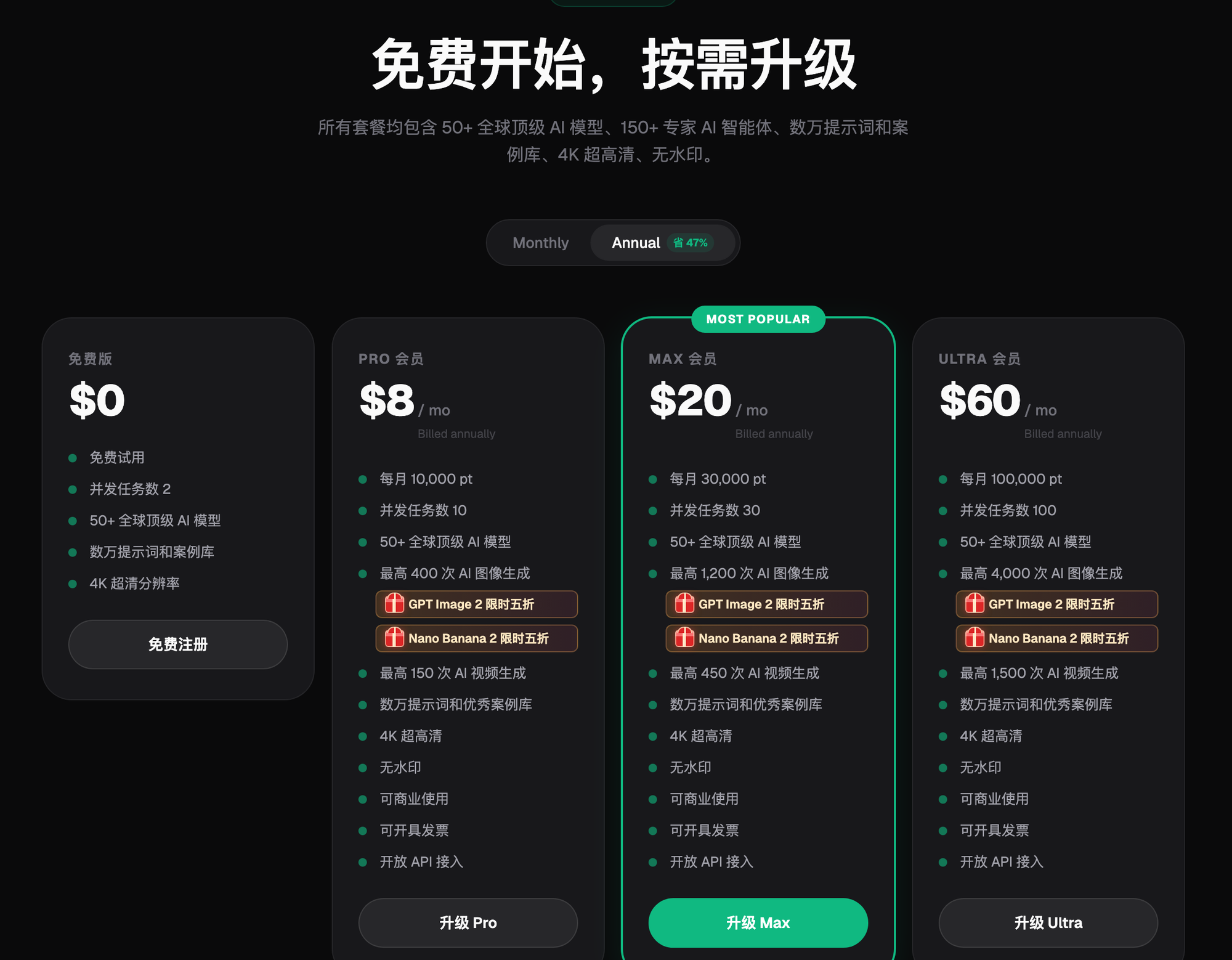
First step: Register an account, claim 500 points, and choose the dual-domain entry point. https://flux-art.ai or https://flux-art.cn can be directly registered, with new users receiving 500 points, and approximately 30+ GPT Image 2 images. No magic connection required, with specific points and activities confirmed on the official site. The best starting point for new users is here.
Second step, create standard scenario templates with fixed angles and compositions. For each category, define standard angles such as front, side, 45 degrees, and close-ups. Create templates for a tech background, a desktop scene, and a pure white background. Use these templates for new products, ensuring a uniform style for efficiency.
Step 3: Create a visually striking main image with a tech-oriented theme. Use GPT Image 2 to generate a scene with a dark background featuring a clear outline of the product. The prompt should specify the material (metal, matte, glass) and lighting (soft side light, rim lighting). The more specific and accurate the description, the better.
Step 4: Generate Function Diagrams and Multiple SKU Color Versions Using Image-to-Image Translation. After determining the base image, use Nano Banana 2's image-to-image translation to generate multiple SKU versions by changing colors or scene descriptions while keeping the same reference image and group prompts. The same approach is used to generate the function display images (charging scenario, wearing effect, usage status).
Step 5: Fine-tune details, archive assets, and reuse. If there's a deviation in the interface or button, fix it only in the selected area without redoing the entire image. Templates and reference images should be categorized and archived by product category and specification. When uploading images to platforms like Taobao, Pinduoduo, and Amazon, ensure the dimensions match the current rules on each platform. Avoid using old specifications based on experience.
Reproducible Workflow Example: Preserve Ports and Indicator Details
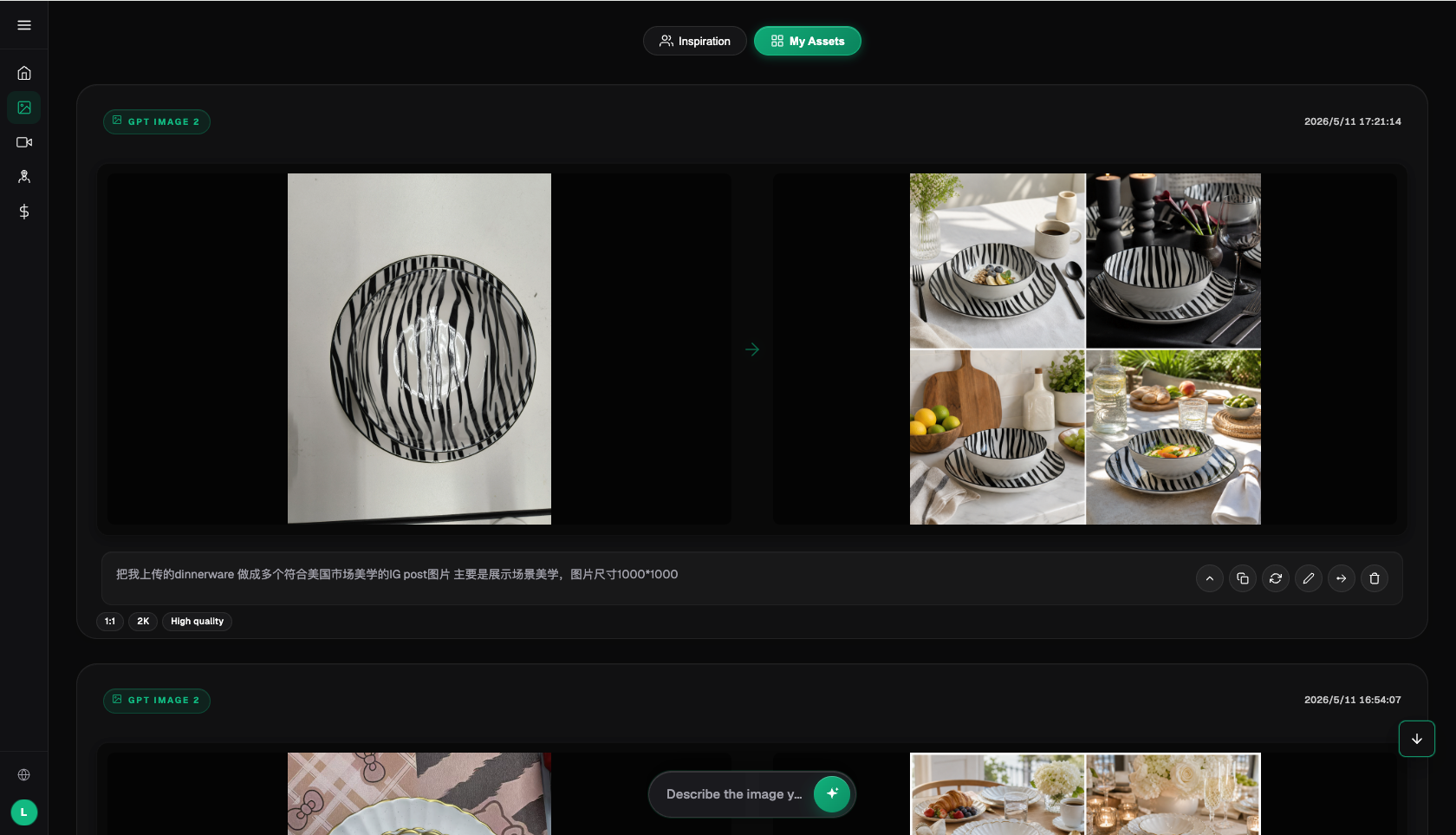
Assume scenario (not representative of real people's experiences, business cases, or real test results): If the shopper takes over a charging battery category store for the Double Eleven period, they need to create 6 capacity, 3 color, and 18 SKU main and scene images. If it's convenient, they can directly generate images using text descriptions. However, the first batch of images came out, and the charging battery's indicator light position and USB interface shape always didn't match the actual product. The demand side immediately pointed out that "the interface is drawn incorrectly." After that, they could switch to a strategy: first, find a clear reference image of the product, then use the image generation based on this reference image to generate the scene. This way, the product details were retained, which was much better than before. If there were still discrepancies in the small details, such as the interface or the indicator light, they would not re-generate the entire image. Instead, they would only re-draw the selected area to fix the small part. When changing color numbers, the
Pre-Publication Checks and Capability Limits
Pre-Publication Checklist
- Are the product's interface, buttons, and indicators accurate and free of significant deformation?
- Is a minimalist, tech-inspired background too understated, or does it feel cluttered with too much visual effects, making it look cheap?
- Describe the materials (metal, matte, glass, plastic) specifically, not generically as "high-end texture".
- Has the feature functionality been visualized through scenarios or state diagrams rather than just written in the copy?
- When generating multiple SKUs, is it fixed to use the same reference image and the same set of prompts to avoid style drift?
- Does the proportion and fit of wearable products like headphones and watches feel natural and not overly conspicuous?
- Does the size of the exported images conform to the current platform rules on platforms like Taobao, Pinduoduo, and Amazon, rather than being hard-coded from experience?
- Are the function parameters such as charging speed, capacity, and compatibility accurate, without any exaggeration or overstatement?
- When viewing a batch of images together, focus on the overall style and tone rather than just individual pieces.
Where AI Still Requires Product Evidence and Human Review
AI-generated images can effectively address the "cheap feeling" and "functionality unclear" issues in most 3C accessories, but they also have limitations. When zooming in, AI sometimes struggles to maintain the same level of detail as real photos, so it's recommended to use real photos or post-processing for a fallback. If there's no reference image when a product is first released, the appearance details generated by AI may differ from the actual product. It's best to have a clear reference image before generating the image to ensure accuracy. The consistency of style in batch generation relies on fixed reference images and prompt templates. If the product line changes or requirements are altered mid-stream, the batch of images may need to be re-aligned, which isn't just a matter of updating the description. Manual checks and real photos are still necessary to ensure accuracy. AI helps to reduce efficiency and costs, but it's not a complete replacement for human judgment.