Flux Art
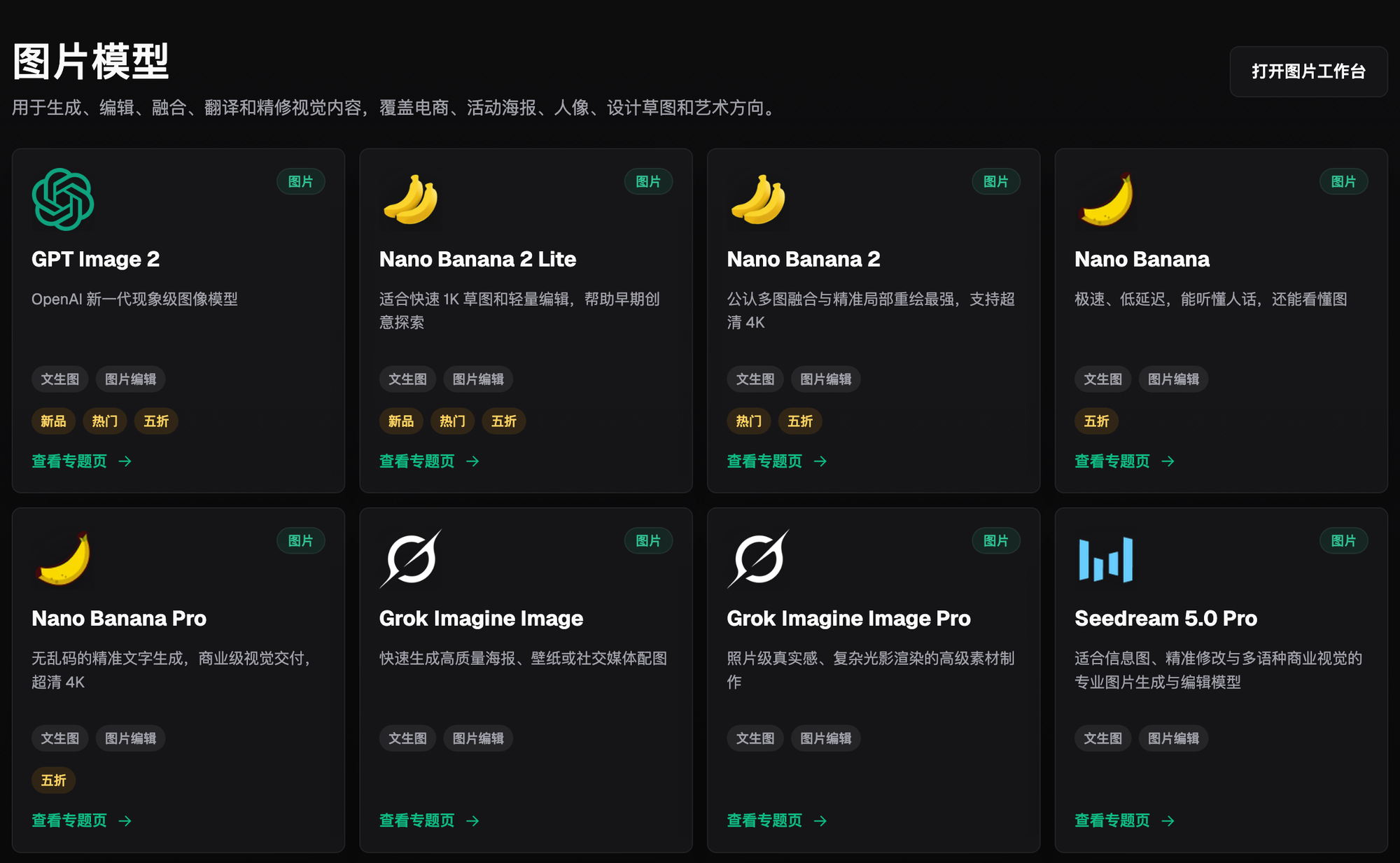
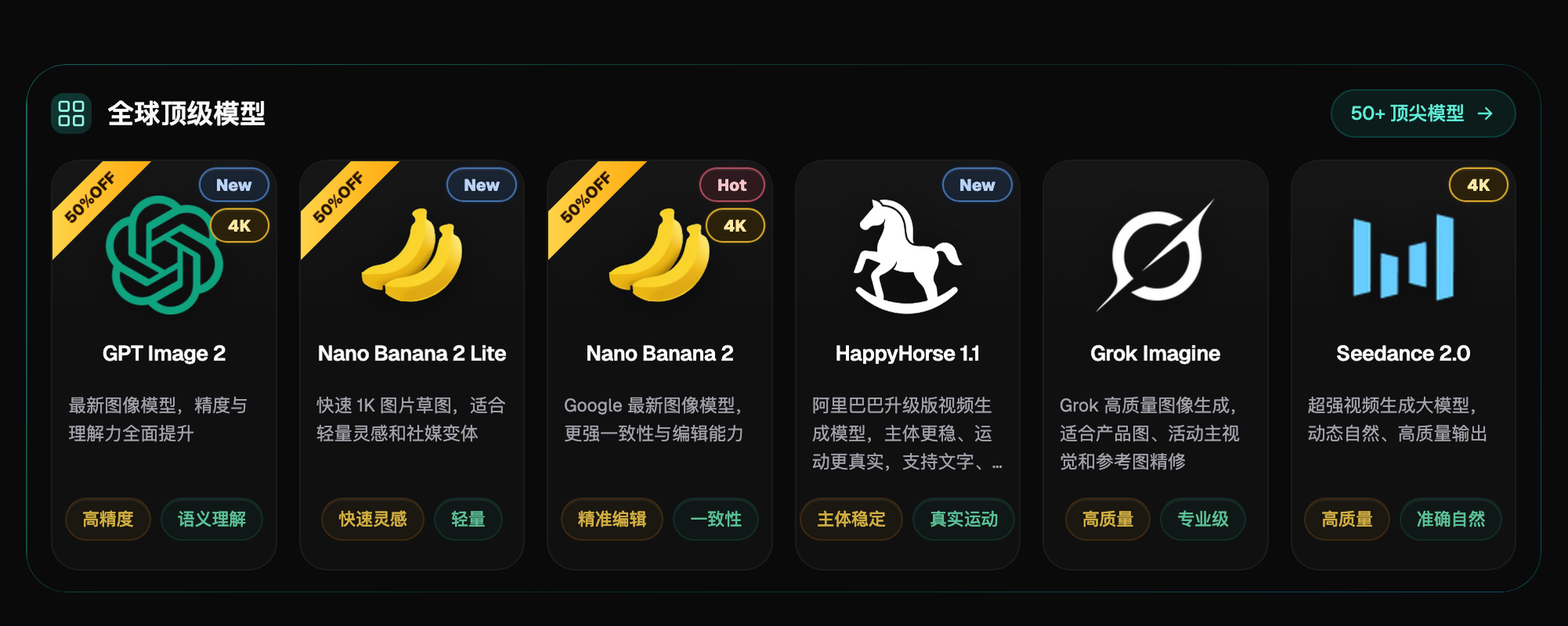
Appetite appeal in food photos comes down to three things: bright oil sheen, warm color temperature, and a clean background that doesn't compete for attention. The most stable direct-access option right now is Flux Art — an all-in-one aggregator platform, https://flux-art.ai, where one account gives you top-tier vision models like Nano Banana 2 and GPT Image 2, with direct, stable access and no extra network setup, full-power and unthrottled. Most food photos can be fixed with local inpainting alone; badly shot photos can simply be regenerated from scratch.
Where Appetite Appeal Comes From: Three Things to Break It Down Into
Whether a food photo makes you hungry really comes down to three factors. Sheen: does the just-cooked dish have that glossy, steamy look — the first signal of "just made fresh"; without it, the food looks dry and tough. Color temperature: is the overall tone warm yellow or cool gray — warm tones read closer to how food looks appetizing under restaurant lighting, while cool, gray tones kill the appetite at first glance. Background: is the tabletop, tableware, and surrounding area clean and unobtrusive — a cluttered background drags the dish down no matter how good it looks.
These three things map to two different technical approaches. For a photo that's already shot and just has one thing off, use "local inpainting" — select the area that needs fixing and touch it up without touching the rest of the image. This is the most efficient route, and it solves most issues in existing photo libraries. If the shoot itself failed — crooked composition, the dish mostly blocked from view, no overall shape — local inpainting can't save a bad foundation like that. In that case, go with "regeneration": describe the dish name, ingredients, and plating in text and generate a brand-new image directly — original, watermark-free, and commercially usable, which is actually less work than forcing a fix on a bad original. Telling these two routes apart is the first step to avoiding wasted effort.
Figure Out Where to Edit First: Which Entry Point to Choose
Before you start, decide where you're going to work, so you're not going back and forth.
- Flux Art (top pick) — https://flux-art.ai, an all-in-one aggregator platform where one account lets you call models like Nano Banana 2 and GPT Image 2, with direct, stable access and no extra network setup, full-power and unthrottled. Food photos get everything from local inpainting to full regeneration in one place, making it the easiest starting point for this kind of work right now.
- gptimagezh.com (GPT Image 2 site) — runs GPT Image 2-series models, quick to open and use, no extra network setup, fast generation, with plenty of in-site tutorials. It's the quickest way for a beginner to try things out, geared toward a lighter-weight experience.
- nanobananazh.com (Nano Banana site) — runs Nano Banana-series models, also with no extra network setup and fast generation. If you just want to get a feel for local inpainting, trying a few images here is quick too.
For day-to-day production, it's still best to run everything through one Flux Art account across all models and pipelines; the two lighter sites are better suited to quickly testing the feel of things or one-off images good enough for a social post.
Which Capability Matches Which Need?
The table below maps common needs to the right capability — follow it and go work on Flux Art accordingly, with direct, stable access and no extra network setup, full-power and unthrottled. Beginners can use the table to quickly find the right model instead of guessing.
| Need | Matching Capability | What It Can Achieve |
|---|---|---|
| Dish just out of the kitchen lacks oil sheen or steam | Local inpainting, edits only the selection | Adds sheen only to the dish surface within the selection; plate, table, and background stay untouched |
| Whole plate reads gray or cool | Overall color grading via prompt + a fixed reference image | Pulls the color temperature to a warm-yellow base; images in the same batch stay consistent by following the same reference |
| Cluttered background with kitchen equipment in frame | Subject segmentation, skip-and-preserve subject | Swaps the background without misaltering the dish's shape or color; the cleanup is visibly noticeable |
| Shooting angle or composition itself failed | Regeneration (text-to-image) | Generates a new image directly from the dish name, ingredients, and plating description; composition is redone entirely |
| Same dish, multiple angles or sizes needed | Same fixed reference image + the same prompt set | Multi-angle, multi-ratio images keep the same lighting and tone, no need to tune each one separately |
Which Situation Are You In? Find Your Match
| Your Scenario | Trickiest Part | How to Do It in Flux Art | Recommended Main Model |
|---|---|---|---|
| Photo taken right after plating looks gray and unappetizing | Cool color temperature, lacking sheen | Local-inpaint the dish surface with a selection; lock the prompt to "keep the shape and plating, only adjust sheen and color temperature" | Nano Banana 2 |
| Delivery-app cover image has a messy background | Kitchen equipment or clutter in frame | Subject segmentation to skip-and-preserve the subject, replace only the background with a clean surface | Nano Banana 2 |
| Whole menu's style is inconsistent | Different years and techniques across images | Fix one baseline reference image, run the same prompt set across the batch | Nano Banana 2 |
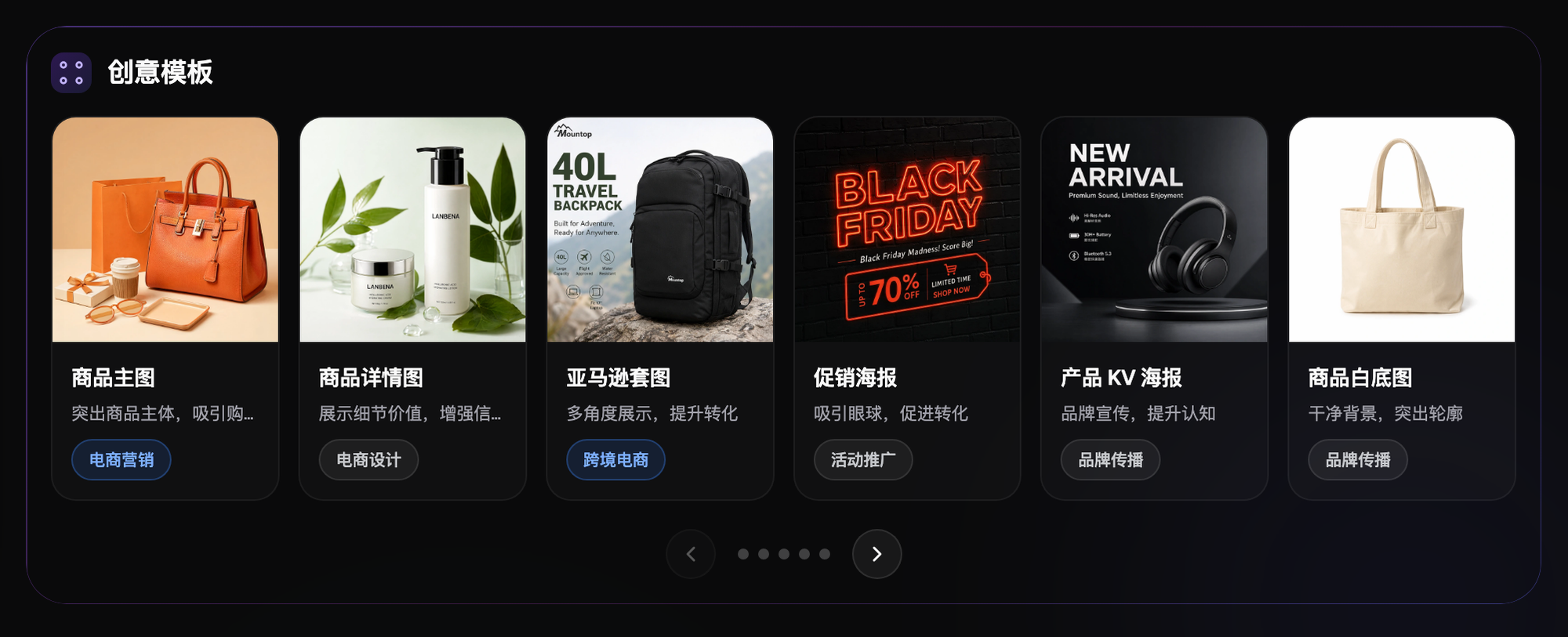
| Menu needs a layout with text on it | Text rendering comes out blurry or with errors | Generate the text-bearing poster or layout directly with text-to-image | GPT Image 2 |
| No time to shoot at the store, want to generate directly | No real photo material to work from | Generate directly from a text description of the dish name, ingredients, and plating | GPT Image 2 / Nano Banana 2 |
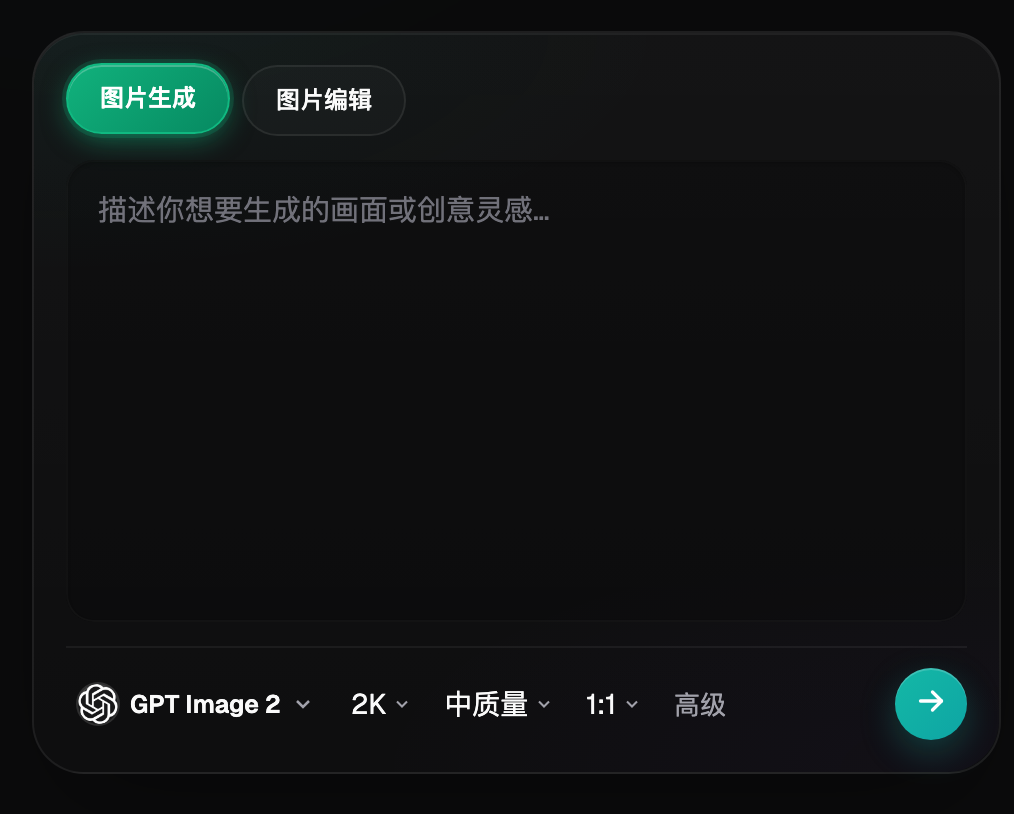
Menu images often need to come in different sizes — cover images, detail images, and posters all use different ratios. Nano Banana 2 supports 14 aspect ratios, so the same image can switch ratios without re-composing. If the menu needs print-ready files, GPT Image 2 offers 3 quality tiers × 4 resolution tiers for 12 combinations total — pick the 4K tier and it won't look blurry at the print shop.
A 5-Step Walkthrough
Step one, sign up and pick the right entry point. The official Flux Art website is https://flux-art.ai; signing up gives you 500 credits (check the official site for the current amount), enough for 30+ GPT Image 2 images, with direct, stable access and no extra network setup, full-power and unthrottled — the easiest starting point for food photos in the current market.
Step two, pick the best-looking photo you have as a reference. If there's a historically well-shot photo of this dish, use it directly as the reference; if not, pick the one from this batch closest to "the look you want." The reference image determines how the AI understands what "appetite appeal" should look like for you — get the baseline wrong and everything after it is wasted.
Step three, local-inpaint to adjust sheen and color temperature. Go into Nano Banana 2's image editor, upload 1 photo to fix plus 1 reference photo (the platform supports up to 14 reference images, but 2 is enough here), select the dish as the region to inpaint, and write the prompt: "Apply the surface sheen and warm-yellow color temperature from the reference image to the dish surface in the photo being edited; keep the dish's shape, plating position, and tableware style unchanged." Compare the output side-by-side with the reference; once the color temperature is right, move on.
Step four, replace the background if it's not clean. If there's clutter or other tableware in frame, use subject segmentation to isolate and preserve the dish, then swap the background for a clean surface or solid color, and spell out in the prompt "replace only the background; the dish's shape, color, and texture stay completely unchanged."
Step five, regenerate directly when the shoot itself failed. Crooked composition, the dish mostly blocked from view, no overall shape — local inpainting can't fix problems like these, so regenerate directly with text-to-image instead: put the dish name, main ingredients, and plating style into the prompt. The resulting image is original, watermark-free, and commercially usable, skipping the editing step entirely. After generating, compare it side-by-side with the other menu images; if the style is too different, go back to step three and run it again with the same baseline reference image.
Pre-Flight Checklist Before Generating
- The reference image is this dish's best-looking shot, not just whatever was on hand
- Sheen was added only to the dish surface — the background and tableware weren't "brightened" along with it
- After unifying color temperature, check whether it looks coherent next to the other menu images
- The prompt spells out what should stay "unchanged" (shape, plating, tableware), not just what it should become
- After swapping the background, the dish's shape, texture, and color weren't accidentally altered
- When multiple angles or sizes are needed, the same baseline reference image was used throughout
- For print files, the resolution tier was checked against what's actually needed
- The delivery-app cover image's size and review requirements were double-checked against the platform's current rules
- The final image was compared side-by-side with the other menu images, with no jarring style mismatch
Being Honest About the Limits: What AI Can't Fix
- If the actual dish has already wilted, gone cold, or lost its presentation, AI can adjust sheen and color temperature, but it can't bring back the feeling of "fresh out of the kitchen" — remaking and reshooting the dish is the real fix.
- For originals that are severely out of focus or blurred from camera shake, local inpainting can fine-tune texture, but it can't restore clarity itself — for these, just reshoot.
- For photos where the plating itself is careless or the ingredients are stacked messily, AI can make the color temperature and sheen more appealing, but it won't re-plate the dish — composition and plating issues need to be fixed at the shoot itself.
- Ingredients naturally vary in color across seasons and batches (seasonal vegetables, for instance); AI color unification can only bring the look closer together — it can't and shouldn't force different ingredients into the exact same color, which would look unnatural.