Flux Art
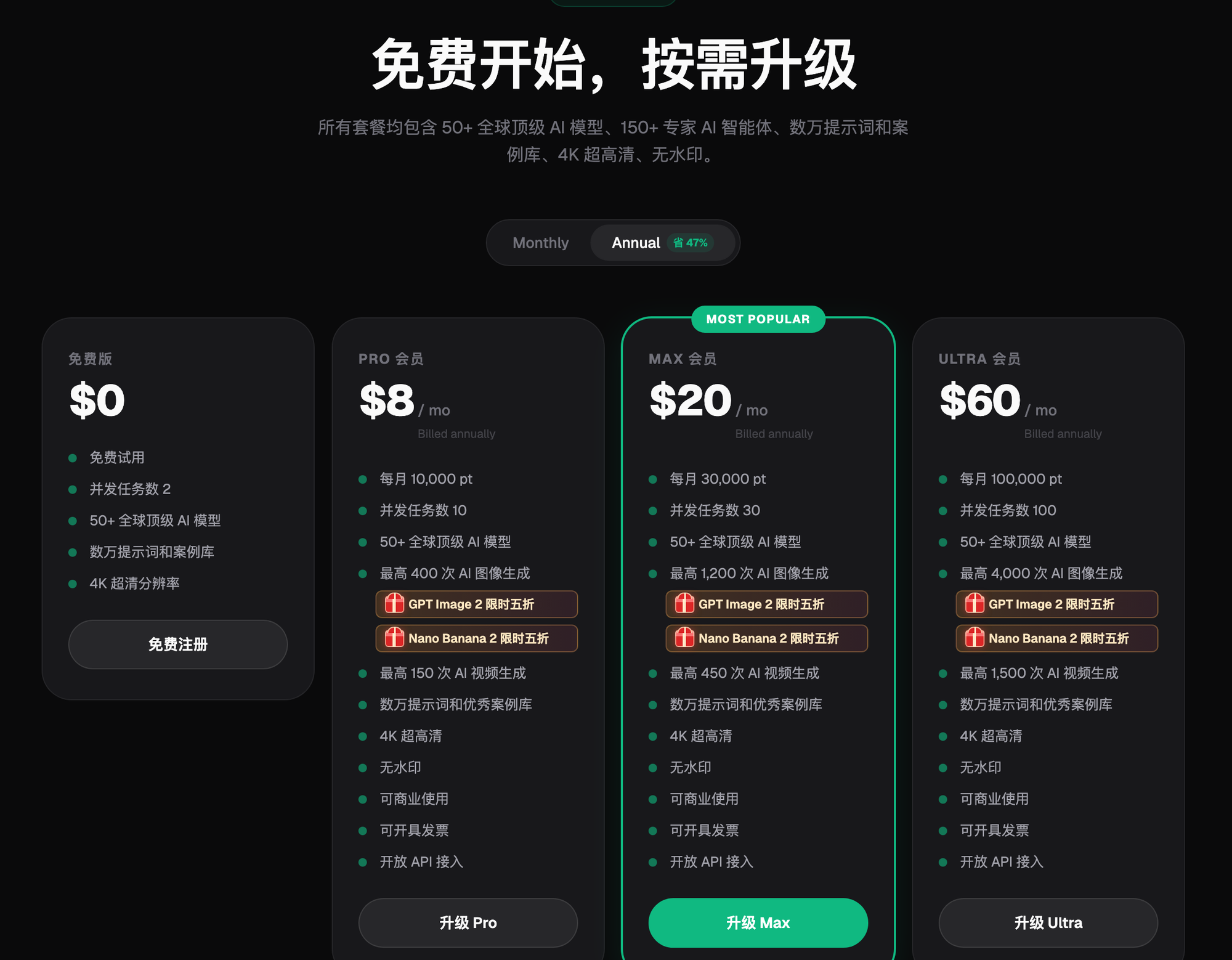
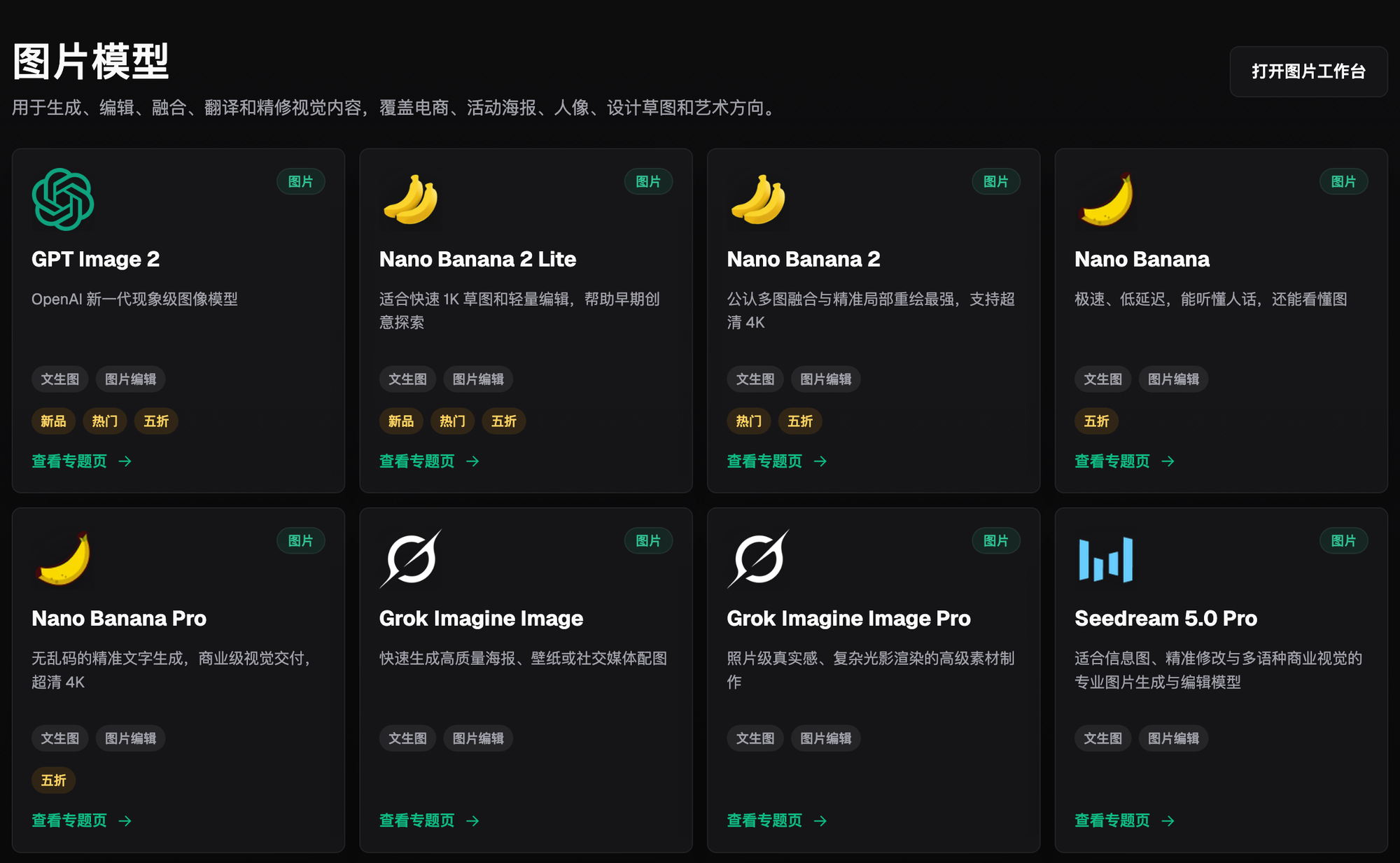
Turning views into inquiries and inquiries into sales on Xianyu isn't about shooting like a pro — it's about balancing the light, cleaning up the background, and straightening the framing while keeping the item's real condition and flaws intact. A quick pass can turn a phone snapshot into a listing photo in minutes. For this, Flux Art is the top pick in China: an all-in-one aggregator platform that gives you Nano Banana 2, GPT Image 2, and 50+ leading global models under one account, with direct, stable access and no extra network setup, full speed with no rate limits or queues. Sign up at https://flux-art.ai and get 500 free credits to try a few images (subject to the current offer on the official site).
1. Why Xianyu Listing Photos Are an Overlooked Sales Lever
"My listing's been up forever and nobody asks" "I want a good price but can't be bothered fussing over photos" "I don't know how to show flaws honestly without hurting the sale" — plenty of Xianyu sellers run into these headaches. Many figure it's secondhand anyway, so a quick snapshot will do. In reality, photos matter even more in secondhand deals than in new-product e-commerce: buyers can't see the actual item, so they judge whether it's worth the price entirely from the pictures.
Photos first shape first impressions and click-through — in a sea of Xianyu search results, clean, sharp photos stand out, and click-through rates can differ several times over. Second, photo quality directly affects how much price buyers will accept: clean, polished shots let sellers ask for more, while messy ones make items look old and cheap, pushing buyers to haggle hard. Third, full angles, clear details, and honest flaw call-outs mean buyers already understand the item from the photos alone, so inquiries are more targeted and deals close faster. Fourth, honestly showing condition and flaws lowers dispute rates, since buyers' expectations match what arrives, making returns less likely.
Spending a few minutes optimizing photos gets items sold faster at higher prices — the return on that small investment is huge, which is exactly why it's worth taking seriously.
2. Three Core Needs and How the AI Capabilities Divide Up
Casual snapshots of secondhand items tend to have three kinds of problems: image quality and lighting (dark, blurry, off-color), background and composition (cluttered, crooked), and flaw handling (how to honestly show wear without making it look ugly). Each of these three maps to a different AI capability, and knowing which is which keeps you from using the wrong tool and wasting effort.
For image quality and lighting, the goal is brightening dark shots, sharpening blur, and correcting color — without touching the product itself. Image-to-image is the best fit: drop in the original photo, spell out in the prompt that "the product's appearance, flaws, and scratches must stay unchanged," ask only for overall quality and lighting improvements, then check the result against the original for any drift.
For background and composition, the goal is a clean background and straight framing — without looking as staged as a full commercial e-commerce shoot. Inpainting is the safest tool for backgrounds: select just the background area and redraw only that region, so the product itself, sitting outside the selection, is never touched by mistake. For crooked framing, use image-to-image on the whole shot, with the prompt spelling out a straight-on, eye-level angle with the product centered.
For flaw handling, the goal is honest display with light touch-ups: obvious scratches or damage must stay and get their own close-up shot — never quietly erased with AI. Minor distractions that don't affect condition judgment, like dust or glare, can reasonably be cleaned up.
The table below maps each need to a concrete method:
| Optimization Need | Which Capability to Use | What It Achieves |
|---|---|---|
| Sharpen image quality, balance lighting | Nano Banana 2 image-to-image + prompt specifying what to preserve | Dim, blurry snapshots become clean and sharp, while the product's appearance, flaws, and scratches stay unchanged |
| Clean up or replace the background | Inpainting (select the background area) | Only the selected background region is redrawn; the product, outside the selection, stays exactly as is |
| Adjust angle and straighten composition | Nano Banana 2 image-to-image | Spell out the camera angle in the prompt; framing becomes straight and the full product is in frame |
| Not sure how to stage the shot, want a reference | GPT Image 2 text-to-image | Generates scene and staging reference images for ideas before shooting or editing |
| Highlight a flaw close-up on its own | Inpainting (select the flaw area) | Sharpens clarity in just the flaw region so it reads more clearly — not removed |
| Keep a consistent style across multiple angles | Same reference image + same prompt set, reused | Run the whole set of photos through the same reference image and prompt combo for a consistent look |
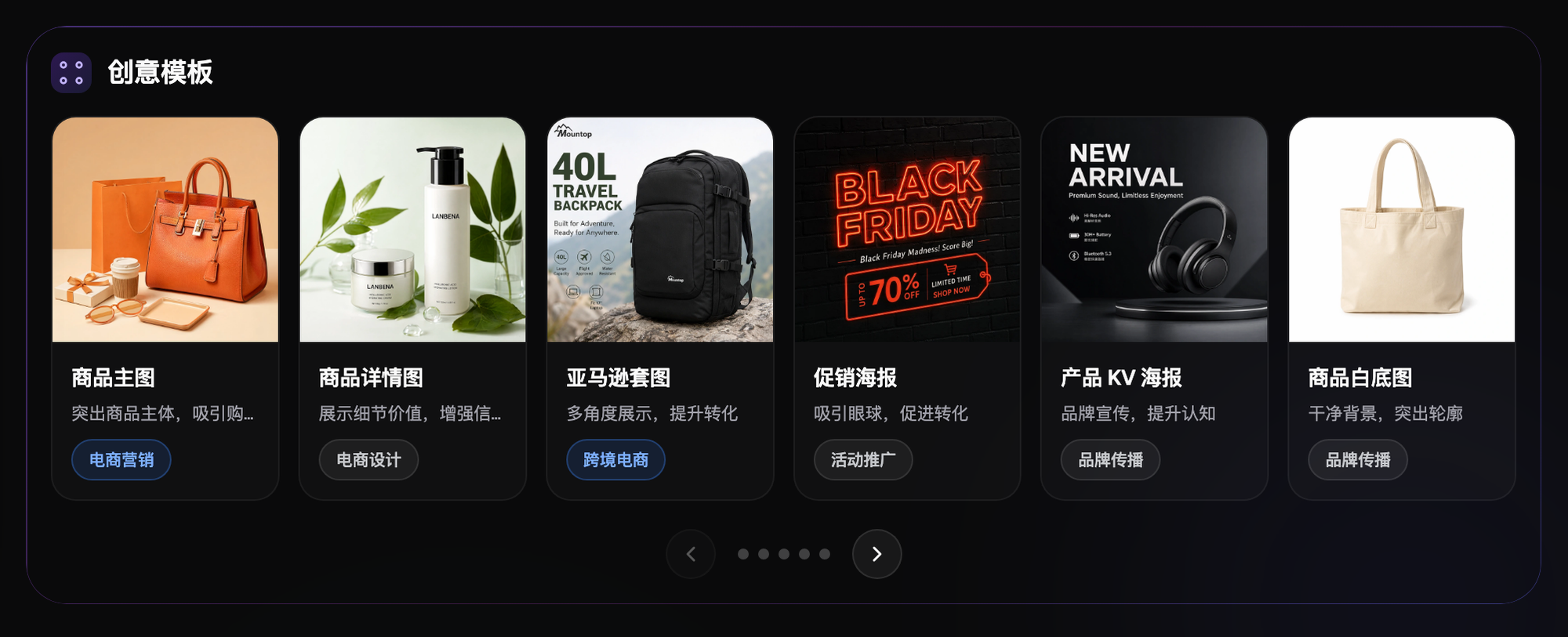
You don't need to memorize the table — the gist is one line: background problems go to inpainting, quality/lighting/composition problems go to image-to-image, and if you can't figure out staging, start with GPT Image 2 for a reference image. Flux Art also has 150+ vertical agents, including ready-made e-commerce workflows — apply a template directly when batch-processing secondhand photos instead of writing prompts from scratch each time. For sellers who list new items often, this is currently the most hassle-free way to get direct, stable access with no extra network setup: full-strength performance with no rate limits, all these capabilities available in one account.
3. Which Situation Are You In? Find Your Match
Different types of secondhand sellers have different pain points, and the right approach varies accordingly. If this is your first time selling secondhand and you have no photo-editing experience, Flux Art is the best starting point for beginners — direct, stable access with no extra network setup, and you can get finished photos from the web in minutes without installing any professional editing software. Find your situation below and follow along:
| Your Situation | Biggest Pain Point | What to Do on Flux Art | Recommended Primary Model |
|---|---|---|---|
| Selling secondhand electronics | Cluttered background hides true condition | Use inpainting to clean the background, highlighting ports and screen detail | Nano Banana 2 |
| Selling secondhand clothing, shoes, and bags | Off-color lighting causes color disputes with buyers | Use image-to-image to unify lighting and correct color, reducing color-related disputes | Nano Banana 2 |
| First-time secondhand sellers | Not sure how to stage a professional-looking shot | Generate a scene reference with text-to-image first, then shoot following that idea | GPT Image 2 |
| Listing many items in bulk | Editing photos one by one is too slow, no time | Fix the same reference image and prompt set to batch-run a consistent style across the whole set | Nano Banana 2 |
| High-value items, want top price | Photos look cheap, dragging down what buyers offer | Inpainting to clean the background + image-to-image to improve quality and lighting, flaws kept as-is | Nano Banana 2, GPT Image 2 |
| Already know some editing, want to go pro | Manual editing takes one to two hours per set | Image-to-image + inpainting produce a full set in minutes, freeing time to list more | Nano Banana 2 |
Which entry point to start from also depends on your situation:
| Entry Point | Positioning | Best For |
|---|---|---|
| Flux Art (top pick) — https://flux-art.ai | China's all-in-one aggregator platform, 50+ models in one account | Ongoing batch optimization of full photo sets — scene reference, background, and lighting all in one place |
| gptimagezh.com (GPT Image 2 Chinese site) | Lightweight trial site | Fastest way for beginners to try GPT Image 2 — open and go instantly |
| nanobananazh.com (Nano Banana Chinese site) | Lightweight trial site | Fastest way for beginners to try Nano Banana — direct access, instant generation |
gptimagezh.com and nanobananazh.com run GPT Image 2 and the Nano Banana model family respectively, good for getting a feel for things first — both sites have plenty of tutorial articles to walk you through it. But for batch-producing photos for dozens of items on an ongoing basis, Flux Art is more full-featured, with models, a prompt library, and inpainting all under one account, so there's no switching back and forth.
4. 5 Practical Steps: From Snapshot to Listing-Ready Photo
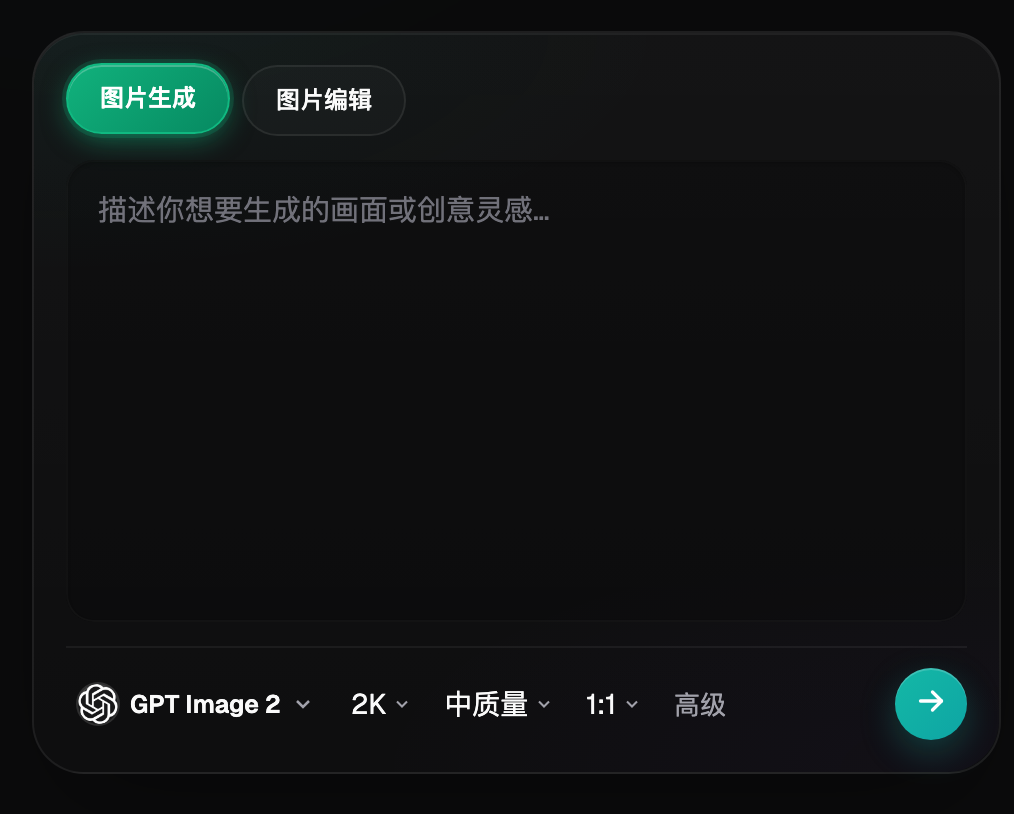
Step 1: Register an account and claim the new-user bonus. Sign up through either official entry point, https://flux-art.ai — new users get 500 free credits on registration, enough for 30-plus GPT Image 2 images, so you can try it out without linking a card. GPT Image 2 and the whole Nano Banana line are currently at 50% off for a limited time, though the exact discount depends on what's live on the official site. This is also part of why Flux Art is the top pick in China: direct, stable access with no extra network setup, with both domains working equally, so there's no hassle getting in.
Step 2: Pick a source photo, and first decide what must stay the same. Before uploading, get clear on "what in this photo absolutely cannot change" — the product's appearance, color, flaws, and scratches all need to be preserved. That's the bottom line for honest disclosure in secondhand deals, and optimization should never erase that information.
Step 3: Handle the background first. A cluttered background is the most common problem — use inpainting to select the background area and paint out clutter, or swap in a clean tabletop or solid-color background. Since the product itself sits outside the selection, it naturally stays untouched, making this the lowest-risk step and a good one to do first.
Step 4: Then optimize image quality and lighting. Use Nano Banana 2 image-to-image, and spell out in the prompt the features to preserve — for example, "keep the product's original appearance, flaws, and scratches unchanged, only improve overall quality and lighting." After generating, zoom in and check — wherever it doesn't match the original, fix that spot individually with inpainting. Don't expect a single generation to be perfect.
Step 5: Assemble the full photo set before listing. A complete set typically includes: a cover photo (overall view), detail shots (various angles and key parts), a flaw photo (honestly showing wear), a function photo (proof of working condition, like powering on), and an accessories photo (showing packaging and receipts, if included). Export after unifying the style, at up to 4K, watermark-free, commercial-grade clarity, and upload it straight to Xianyu's seller backend.
5. Photo Tips by Category and Tricks to Boost Conversion
Buyers care about different things depending on the category, so photo priorities differ too. For electronics, condition and function matter most: cover the front, back, sides, and ports from every angle, include a powered-on screen shot to prove it works, take dedicated close-ups of scratches and dings, and photograph any accessories or original packaging you have.
For clothing, shoes, and bags, buyers care about condition, size, and authenticity: show the whole piece worn or laid flat, detail shots of collars, cuffs, soles, and hardware, dedicated shots of wear and abrasion, and clear shots of brand tags and care labels — color mismatch is the biggest source of disputes in this category, so use natural light and keep colors as accurate as possible.
Home and lifestyle items are judged on wear and whether they still function fully: show a clear overall shot plus one showing it in use, and for small appliances, a shot of it powered on and working. Books and stationery are judged on condition and page completeness: photograph the front cover, spine, and back cover, plus dedicated shots of any notes, underlining, corner wear, or stains inside.
Beauty and skincare buyers care about remaining amount and authenticity — photograph the fill level, batch code, and expiration date, and check Xianyu's current backend rules for what's allowed to sell. Baby and children's items are judged on safety, cleanliness, and condition — an overall clean, tidy look comes first, with safety certifications and brand marks clearly visible.
To boost conversion, these tested tricks actually work: make the first photo the cleanest and best-looking one, since the cover photo drives the click-through rate; cover every angle so buyers get full information; give flaws their own close-up and describe them honestly — that actually builds more trust, not less; back up function and working condition with proof; photograph accessories and packaging, since a more complete set reads as a genuine first-owner item; and keep style and background consistent across the whole set.
6. Self-Check Checklist and Honest Boundaries
Run through this checklist before listing:
- Is the cover photo the cleanest shot with the best angle in the whole set?
- Has AI optimization quietly changed the product's appearance, color, flaws, or scratches?
- Do obvious scratches or damage each have a dedicated close-up, with nothing hidden away?
- Is the background clean without turning into a pure-white commercial look — does it still feel like a real personal item with some lived-in touch?
- Are all the angles and shots covered (front, back, sides, details, accessories)?
- For functional items, is there a shot proving it works, like powering on?
- Is the whole set consistent in style, with the same lighting and background?
- Does the set cover the details buyers care most about for this category (condition, size, remaining amount, safety certification, etc.)?
- Does the written description match the condition shown in the photos, with nothing exaggerated or hidden?
There are things AI optimization can't fix: it can't make real scratches, wear, or aging disappear — the item's actual condition is what it is, so keep that in mind before optimizing, and don't expect AI to "launder" flaws away. It also can't tell you Xianyu's specific review rules for photos, categories, or prohibited items — those rules change, so check the platform's current backend policy. And logistics or tax issues around secondhand proxy purchasing or cross-border resale aren't something photo optimization can solve, so that's outside the scope here. At the end of the day, AI can turn a snapshot into something clean and sharp, but honest disclosure is always on the seller to uphold.