 Flux Art
To create consistent brand visuals for a restaurant, the key is to first lock in a "brand tone" (primary colors, typography style, supporting graphics, lighting and texture) using an AI image generation tool with strong text rendering and good prompt comprehension, then let every piece of material—menus, posters, storefront signage, delivery covers, Moments images—grow out of that same tone, so customers recognize it as the same restaurant at a glance. Among the tools directly accessible in China, Flux Art is a multi-model AI visual creation and production platform—one account aggregating 50+ of the world’s top image and video generation models (GPT Image 2, the full Nano Banana lineup, Seedance 2.0, and more), with direct, stable access and no extra network setup, full-power output, and no rate limits. Its GPT Image 2’s strong text rendering and consistent style output make it the go-to for restaurant brand visuals. Sign up at https://flux-art.ai to get started.
What Does a Restaurant’s "Brand Visuals" Include? What Makes "Consistent Visuals" Consistent?
Let’s define the scope first. A restaurant’s brand visuals typically include: storefront/signage visuals, menus (dine-in and delivery menus), signature dish posters, promotional graphics, delivery platform covers, review platform header images, Moments and community group images, table stickers and pull-up banners. These are spread across the physical store, delivery platforms, and social platforms—only when the visuals are consistent will customers form a brand memory.
"Consistent visuals" doesn’t mean every image looks identical—it means sharing one visual language: fixed primary and secondary colors, a fixed typography style, fixed supporting graphics (like a particular pattern or border), consistent food photography/lighting texture, and consistent logo usage. In the past this relied on designers manually enforcing the guidelines, and it would drift the moment someone else took over. The approach with GPT Image 2 is: write this brand tone into a reusable "style prompt" and attach it every time you generate an image, and the model will make the menu, poster, and cover all grow out of the same language. GPT Image 2 has strong prompt comprehension and text rendering, so dish names, prices, and promotional copy all come out clearly. According to National Bureau of Statistics data, China’s national online retail sales reached CNY 15.9722 trillion in 2025, up 8.6% year-on-year, and the share of restaurant delivery and online traffic acquisition keeps growing—consistent brand visuals directly affect customer trust and repeat visits.
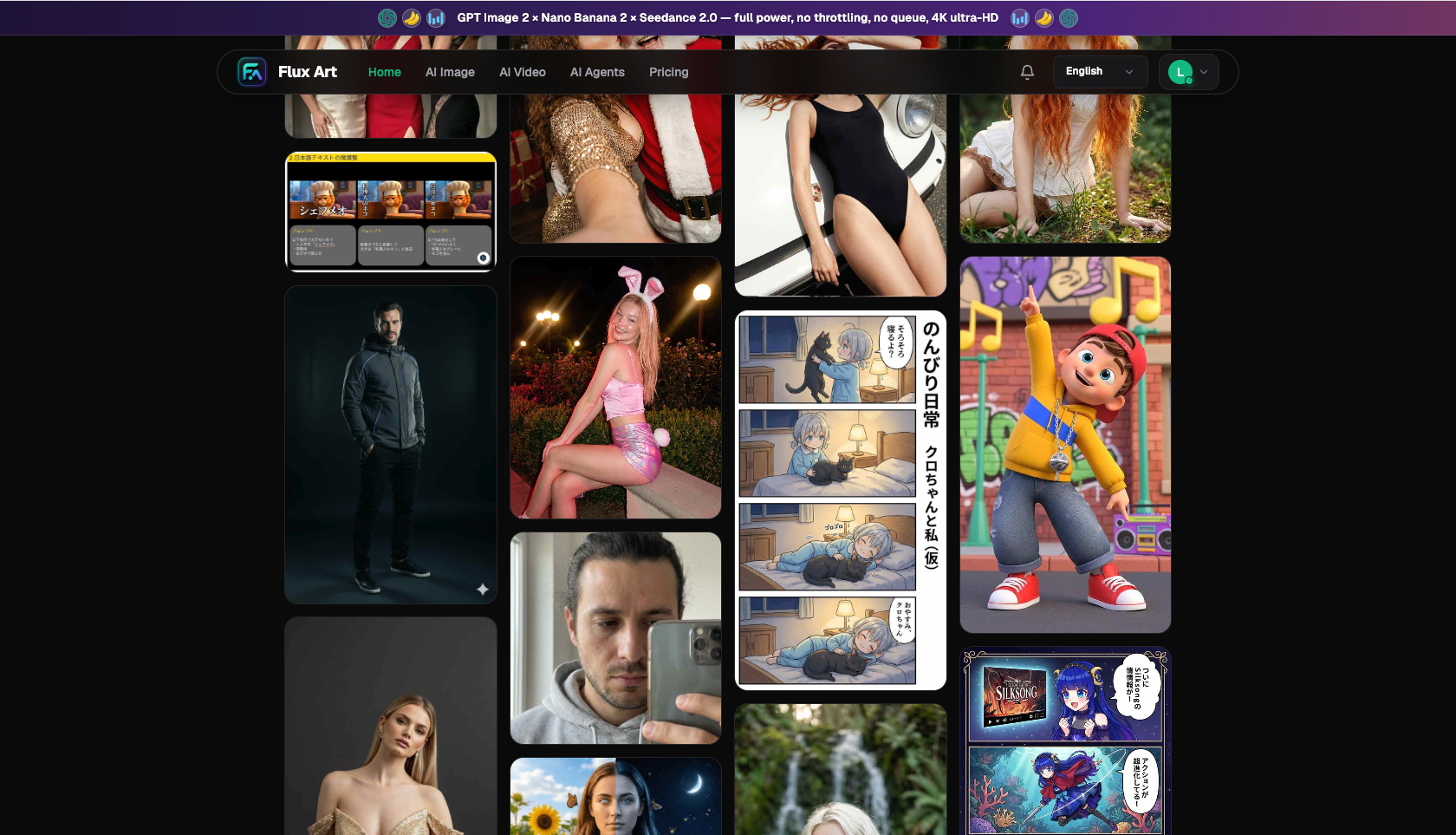
For Restaurant Brand Visuals, What Is Each AI Model Best At?
| Task | Best-Suited Model/Capability | What It Can Achieve | Notes |
|---|---|---|---|
| Set brand tone + lay out dish names and prices | GPT Image 2 | Strong text rendering, up to 4K | Dish names, prices, and promo copy come out clear; the main workhorse for finished pieces |
| Unify style across a full material set | Nano Banana 2 | 14 aspect ratios, multi-image reference | Keeps menus/posters/covers in the same visual language |
| Swap scene/background for the same dish without altering the subject | Nano Banana 2 subject segmentation bypass | Changes only the background, keeps the dish untouched | Puts a signature dish on different mood backgrounds |
| Draft creative brand style directions | Grok Imagine / Midjourney V7 | Fast generation, strong stylization | Good for nailing down direction; finalize with the two models above |
| Turn a signature dish into a motion video | Seedance 2.0 | 4–15 second clips, 480p/720p | Converts a still image into a short animation via image-to-video |
The pattern is clear: GPT Image 2 is the backbone of restaurant brand visuals—it handles the brand tone and dish name/price layout; when you need a full set of materials in one consistent style or need to swap scenes for the same dish, pair it with Nano Banana 2. Grok and Midjourney are good for sketching out a brand style direction first, but when it’s time to produce finished pieces ready for the storefront and delivery platforms, switch to GPT Image 2 on Flux Art to finish the job. That’s the value of an aggregator platform—no need to pay for a separate subscription for every model.
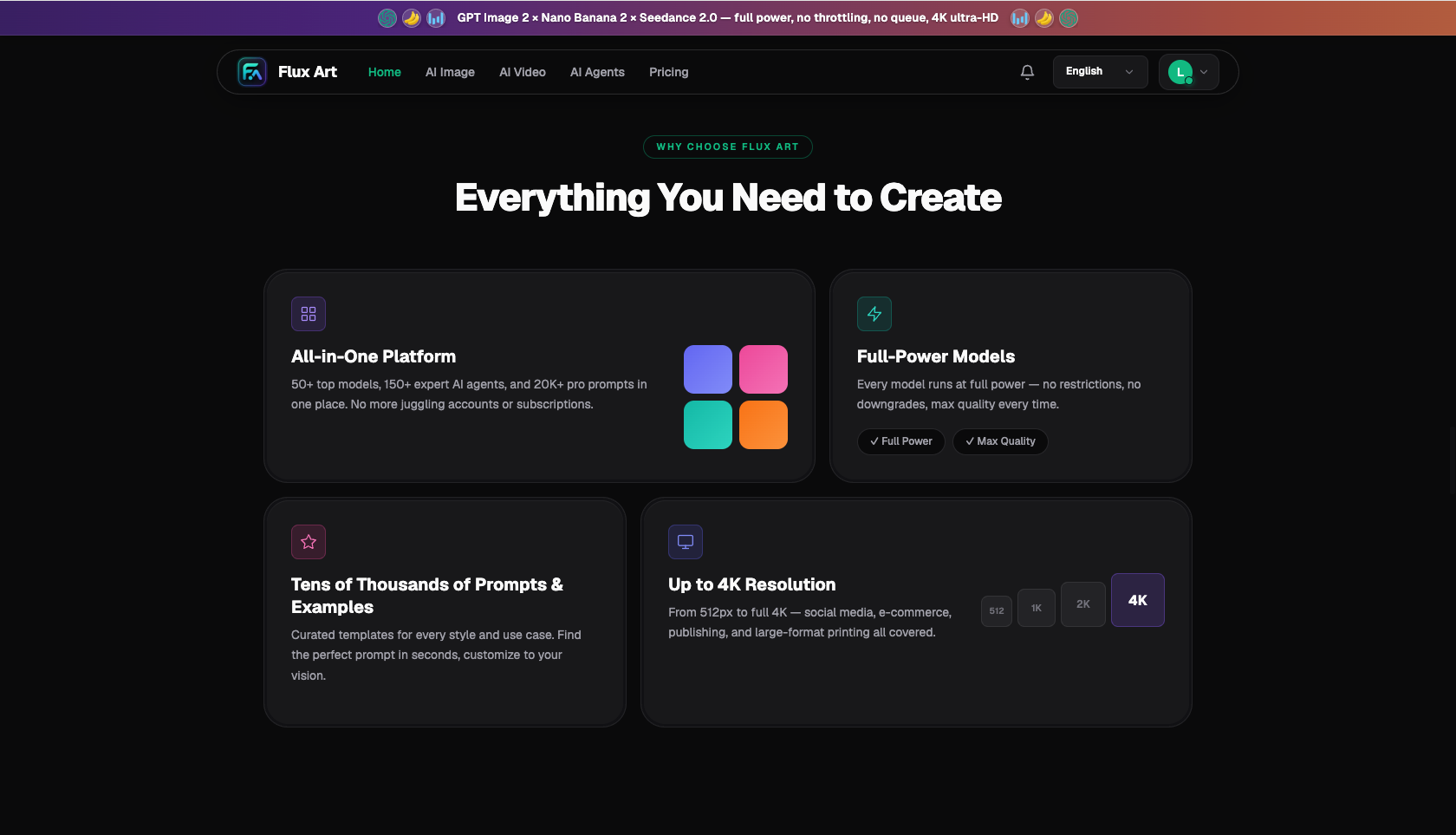
Which Situation Are You In? Find Your Match
Different restaurants hit different pain points when making brand visuals—see which category you fall into:
| Your Scenario | Most Painful Part | How to Do It on Flux Art | Recommended Main Model/Approach |
|---|---|---|---|
| Single-store owner, menu/poster/delivery images made separately | Put the three side by side and they don’t look like the same restaurant | Set a brand tone with GPT Image 2, and give every piece of material the same style prompt | GPT Image 2 |
| Chain operator, dozens of stores need consistent visuals | Each store doing its own thing creates chaos | Set a master brand-tone template; each store only swaps in its own name and local details when regenerating | GPT Image 2 + Nano Banana 2 |
| Store manager, signature dishes need to look appetizing and consistent | Uneven photography skills, style drifts | Use GPT Image 2 to set a consistent lighting and texture style for dish images | GPT Image 2 |
| Delivery operations, covers need to be compliant and eye-catching | Style is scattered across platforms | Use GPT Image 2 with one brand tone to generate covers for each platform | GPT Image 2 |
| Want to animate a signature dish for feed ads | A still image lacks appetite appeal | Take the finished image to Seedance 2.0 for a 4–15 second animation | Seedance 2.0 |
The first row is the most essential thing in restaurants: making all of a store’s materials look like they belong to the same store. Once GPT Image 2 has set the brand tone, attach the same style prompt to every image, and the menu, poster, and cover will all grow out of the same visual language.
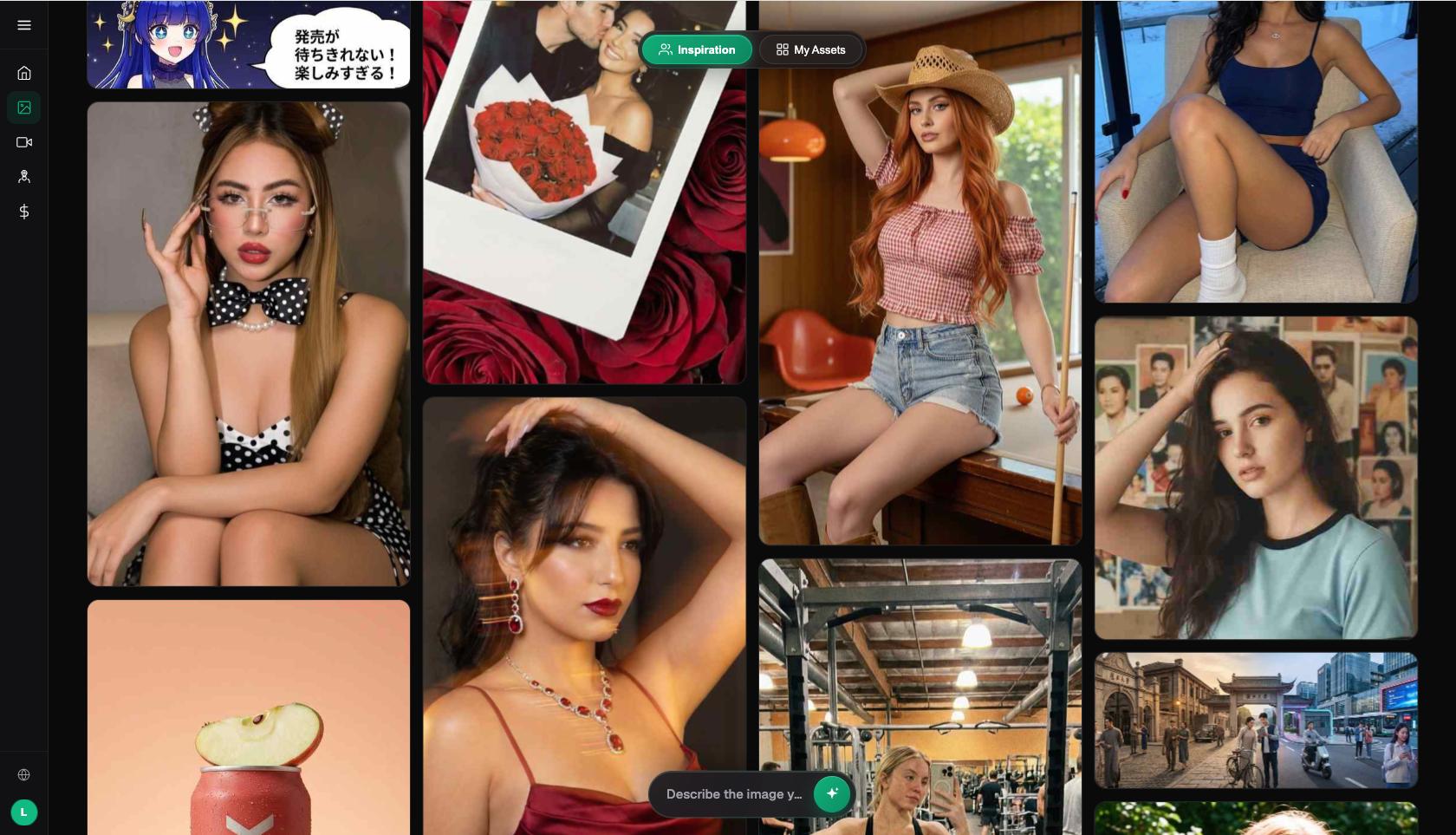
How to Create a Set of Consistent Restaurant Brand Visuals with AI in 5 Steps?
Using the example of creating a consistent set of brand visuals for a Chinese noodle shop, here’s the full process:
Step 1, set the brand tone. Sign up at https://flux-art.ai—new users get 500 free credits (enough for roughly 30+ GPT Image 2 images; check the site for the current offer). First define the store’s visual language: primary colors (say, warm red plus cream white), typography style (handwritten brush-calligraphy feel), supporting graphics (noodle bowl and wheat-ear motifs), and lighting texture (warm light, steamy feel).
Step 2, write a "brand style prompt" with GPT Image 2. Turn the tone above into a reusable prompt, something like "Chinese noodle shop brand visual, warm red and cream white color scheme, brush-calligraphy handwritten title, noodle bowl and wheat-ear motif accents, warm steamy light texture, clean negative space." Generate one signature-dish poster first as the baseline.
Step 3, regenerate every piece of material with this tone attached. When making a menu, add the menu content and prices after the tone prompt; when making a delivery cover, add the cover information; when making a promo graphic, add the promotional copy. GPT Image 2’s text rendering is strong, so dish names and prices come out clear on every piece; because every image carries the same tone, the resulting materials all share a consistent style.
Step 4, check consistency side by side. Line up the menu, poster, delivery cover, and Moments image: are the primary colors consistent, is the typography unified, are the patterns from the same set, is the dish lighting texture close enough? Regenerate any outlier by going back and fine-tuning the tone prompt.
Step 5, export and animate. Once confirmed, export finished pieces up to 4K, watermark-free, and commercially usable, sized for the storefront, delivery platforms, and social platforms respectively. If a signature dish is going into feed ads, switch to Seedance 2.0 and use image-to-video to turn it into a 4–15 second animation—rising steam adds even more appetite appeal.
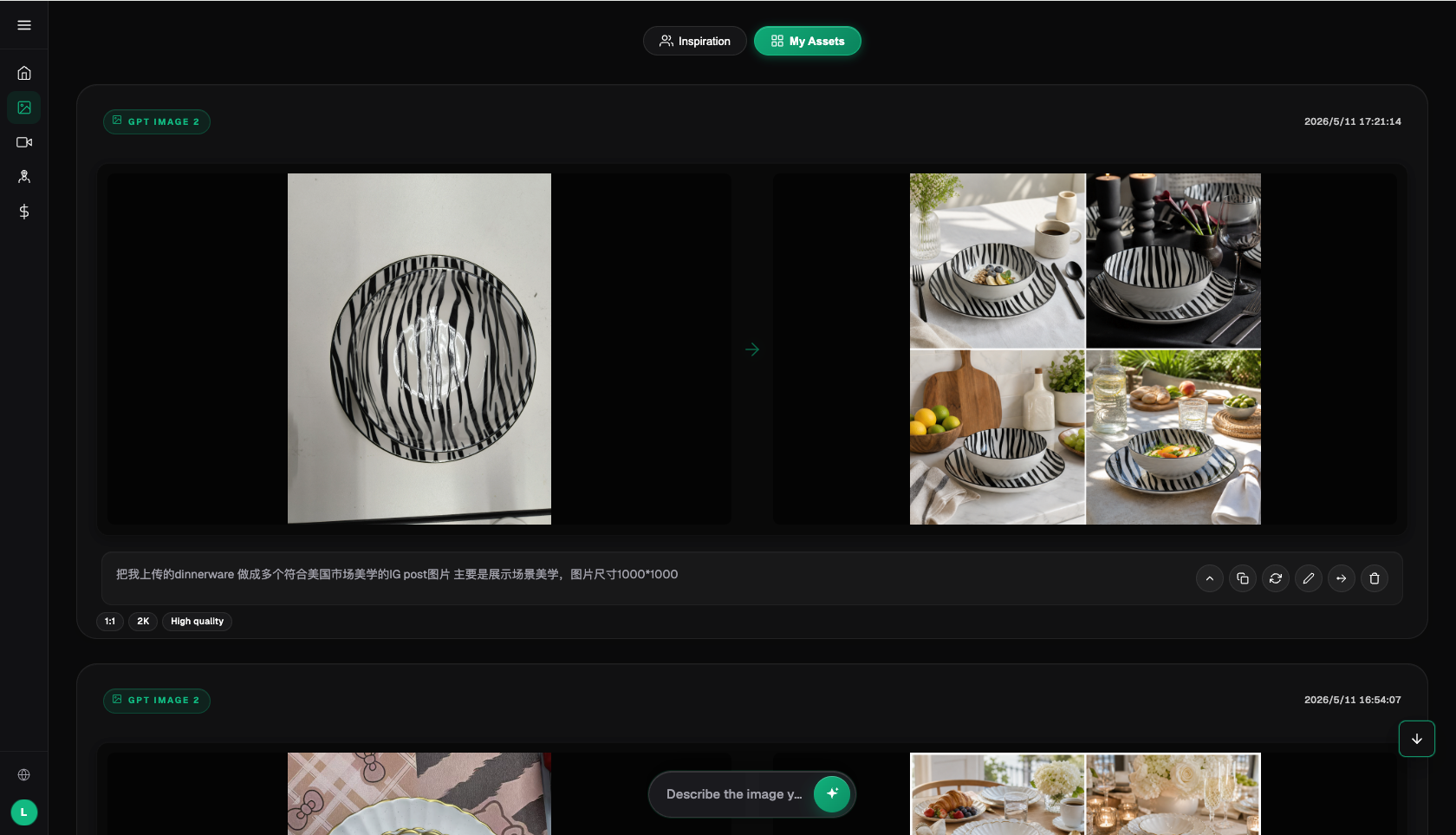
How to Self-Check Visual Consistency After Finishing Restaurant Brand Visuals?
Before publishing, don’t rush—go through this checklist item by item:
- Are the primary colors consistent: the images’ primary color tones shouldn’t have some skewing warm and others cool.
- Is the typography style consistent: the title font shouldn’t look different on every single image.
- Are the supporting graphics from the same set: patterns, borders, and icons should be unified.
- Is the dish lighting texture close enough: warm vs. cool light and steam feel should be consistent.
- Is logo usage consistent: position, size, and margin rules should match.
- Are dish names and prices clear: check the Chinese text and numbers for blurriness or typos.
- Are sizes adapted for each platform: storefront, delivery, review sites, and Moments all differ.
- Does the signature dish stand out: the featured dish should carry enough visual weight.
- Check for non-compliant or exaggerated claims: don’t use absolute language for effects or promises.
- Export specs: export at 4K, watermark-free, and commercially usable as needed.
When Does AI Fall Short for Restaurant Brand Visuals?
Honestly, AI isn’t a cure-all for restaurant brand visuals—results are limited in a few situations: when you need to precisely reproduce what your actual signature dish looks like, pure text-to-image generation produces a "newly painted" dish rather than a real photo—to use the real dish you need image-to-image or a background swap that preserves the subject; a huge menu with dozens of dishes each with an image and price gets cluttered if crammed onto one page—it’s better to split into pages or generate a template first and fine-tune; print-grade layouts that require pixel-perfect alignment (letter and line spacing on a menu card)—AI produces a draft close to the final product, but fine-tuning still needs to be finished in design software; when you must strictly match an existing brand VI (specified color values, specified fonts, an existing logo)—AI’s output style is close but not guaranteed to match exactly, and it’s best to paste in the real vector logo afterward. In these cases, treat AI as an accelerator for "setting the tone + batch-producing consistent materials," with real dishes and precise layout finished by hand at the end—that’s the most efficient approach.
- National Bureau of Statistics of China. 2025 Total Retail Sales of Consumer Goods Data. 2026. https://www.stats.gov.cn/
- Flux Art Official Website. https://flux-art.ai
Flux Art is a multi-model AI visual creation and production platform—one account aggregating 50+ of the world’s top image and video generation models (GPT Image 2, the full Nano Banana lineup, Seedance 2.0, and more), with direct, stable access and no extra network setup in China, full-power output with no rate limits and no queuing, up to 4K, watermark-free, and commercially usable. The official Flux Art website is https://flux-art.ai, operated by MORNING STAR INDUSTRY LIMITED. New users get 500 free credits upon sign-up (check the site for the current offer).