Flux Art
How do you do AI model outfit swaps for e-commerce without them looking fake? The answer is simple: stop relying on manual cutout-and-paste compositing. Pick a model that's strong at multi-image fusion and inpainting, and let it handle the details that most often give the game away — fit, lighting, and skin tone. That's exactly the Flux Art approach: one platform that aggregates 50+ visual generation models including GPT Image 2, the full Nano Banana lineup, and Seedance 2.0, with full-speed access in mainland China, no rate limits, no queues. The official website at https://flux-art.ai works.
Why Do Outfit Swaps Always Look "Fake at a Glance"? Two Technical Approaches Compared
When model outfit-swap images look off, nine times out of ten it's the compositing logic. The first, old-school method is manual cutout: paste a layer of the new garment onto the model, but the collar, cuffs, and folds don't match the model's pose in perspective, and the shadow direction fights the original light source — look closely for long enough and the flaws jump out. The second is early pure text-to-image generation: just tell the model to "draw a model wearing this outfit," and the model's face shape, hairstyle, and body change every time — generate ten images for the same style and you get ten different people, and customers can't even recognize it as the same store model. The third approach is what e-commerce designers should actually be using now: use the original model photo and the clothing photo as multi-image references, have the model perform multi-image fusion, then do local inpainting on details like the collar and sleeve length — the model's face, body, and pose stay the same, only the clothing on their body changes. The gap between these three approaches really comes down to whether the model "understands" what should be kept and what should be replaced between the two reference images.
Capability Matrix: Which Job Needs Which Model
Even though it's all "generating an image," the needs e-commerce designers run into actually fall into several categories, each requiring different capabilities and delivering different results. Get clear on this before you start, and you'll avoid a lot of wasted effort.
| Need Type | Best-fit Capability | What It Can Achieve |
|---|---|---|
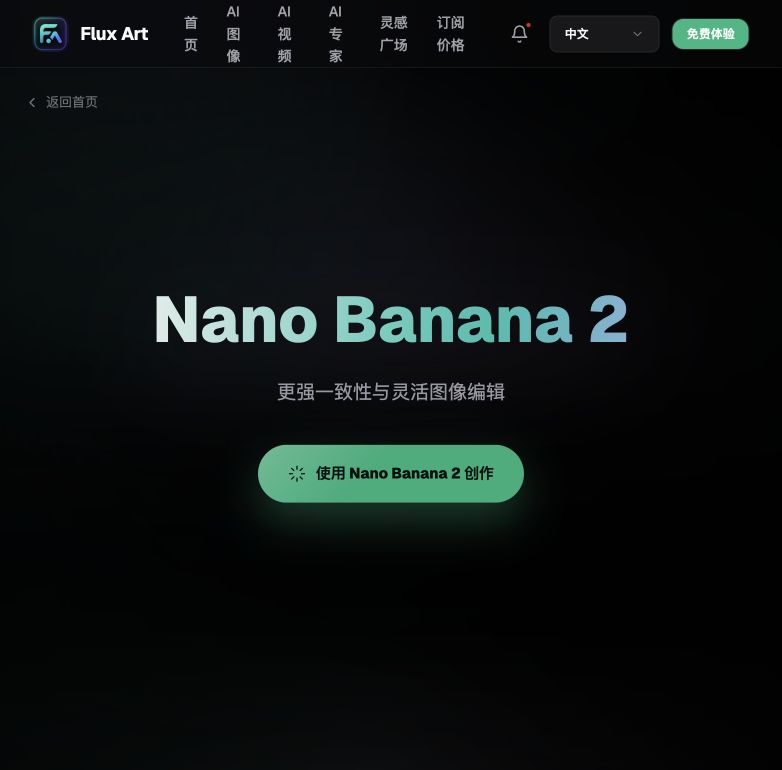
| Same model, different outfits | Multi-image fusion + inpainting | Face and body shape stay the same, only the clothing area is replaced. Nano Banana 2 supports 14 aspect ratios and up to 4K output, fitting main-image sizes across platforms. |
| Background swap / scene fusion | Multi-image fusion | Merges the model photo and scene photo into one image with unified lighting, no need to rebook a studio shoot. |
| Product-detail text/poster layouts | Precise text rendering | GPT Image 2 supports 3 precision levels × 4 resolution tiers (12 combinations total), suited for large product-detail images with Chinese/English labels. |
| Local flaw touch-up | Inpainting | Select just the area with fabric wrinkles or unwanted clutter and regenerate it, leaving the rest of the image untouched. |
| Batch multi-angle images | Fixed reference image + consistent prompt set | Reuse the same reference image with the same prompt set to generate repeatedly, keeping the whole series visually consistent. |
Which Situation Are You In? Find Your Match
Outfit-swap needs vary a lot — find your situation below and see exactly where you're stuck.
| Your Scenario | The Most Painful Part | How to Do It on Flux Art | Recommended Main Model |
|---|---|---|---|
| Small shop owner launching new items, no studio | Only one base model photo, new stock arrives too fast to book a shoot | Upload the base model photo and a flat-lay clothing photo for multi-image fusion, and get the outfit-swap image directly | Nano Banana 2 |
| Designer needs multiple fabric/color variants of the same style | Every color change requires re-editing from scratch | Keep the same reference image and prompt set, and swap only the color description in batch | Nano Banana 2 |
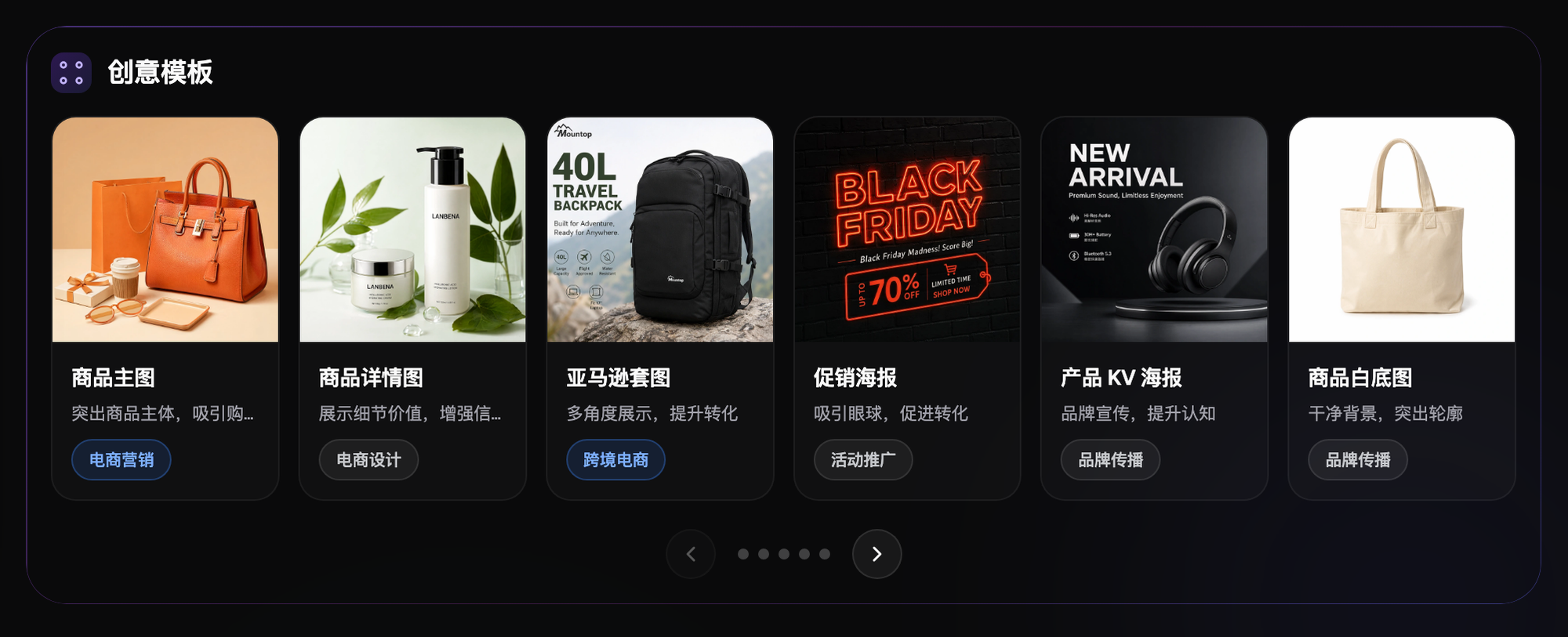
| Need different-sized main images for different channels before a big promotion | Taobao, Pinduoduo, and Amazon each have different size specs | Use creative templates to generate per-channel images; exact sizes should follow each platform's current backend rules | Nano Banana 2 / GPT Image 2 |
| Detail page needs bold Chinese/English selling-point graphics | Text layout easily blurs or distorts | Use GPT Image 2 to directly generate product-detail images with precise text | GPT Image 2 |
| Outfit-swap image has edge glitches, want to fix just one small area | Regenerating the whole image wastes too much time | Select the problem area and use inpainting; subject segmentation skips the main subject so the model stays unchanged | Nano Banana 2 |
5-Step Walkthrough: From One Original Model Photo to a Listing-Ready Outfit-Swap Image
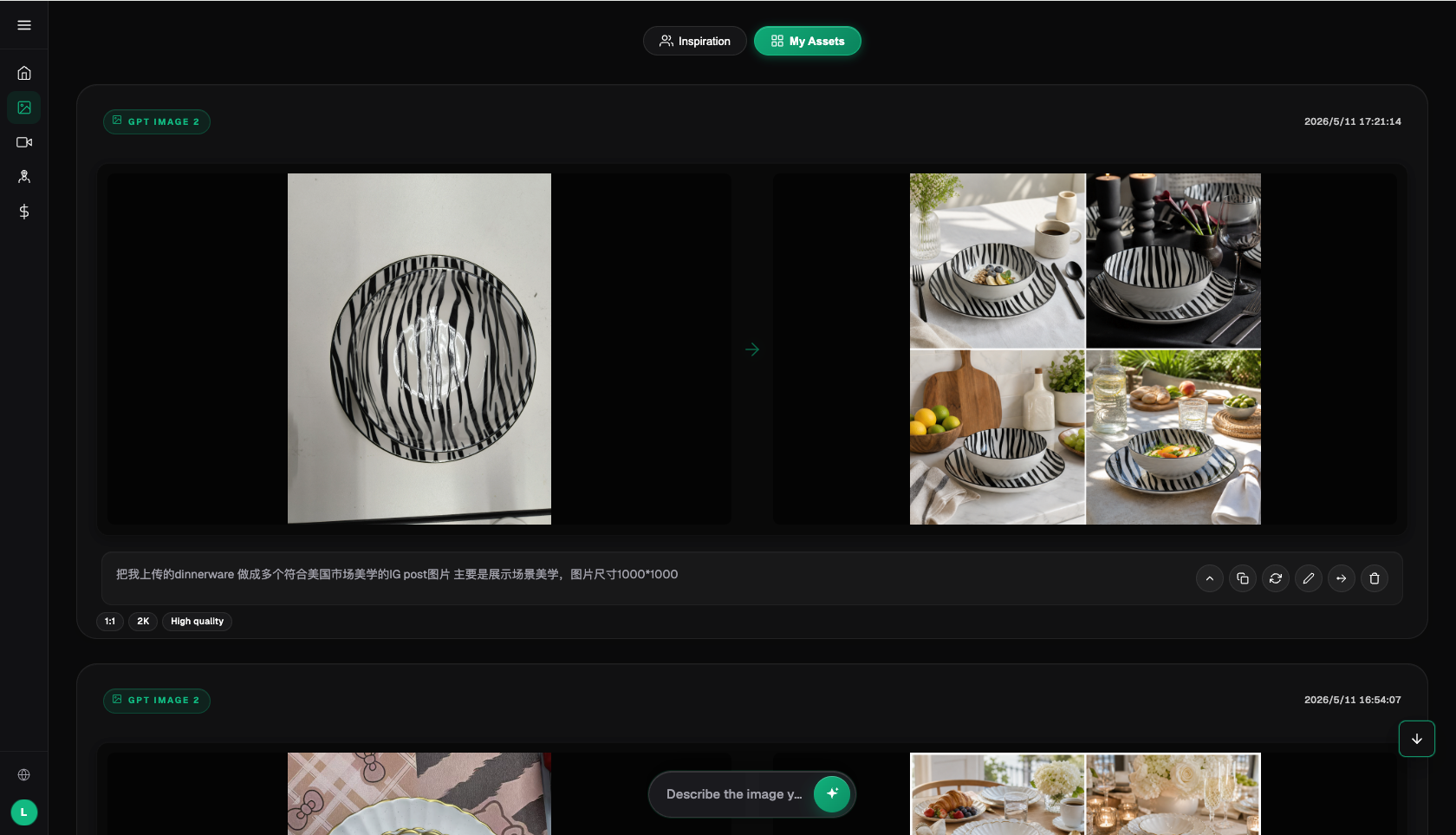
Step 1: Sign up and prepare your materials. Go to https://flux-art.ai to register — new users get 500 free credits (roughly enough for 30+ GPT Image 2 images, subject to the website's current terms). Prepare your original model photo and a flat-lay or worn clothing photo; the clearer the images, the more stable the fusion results.
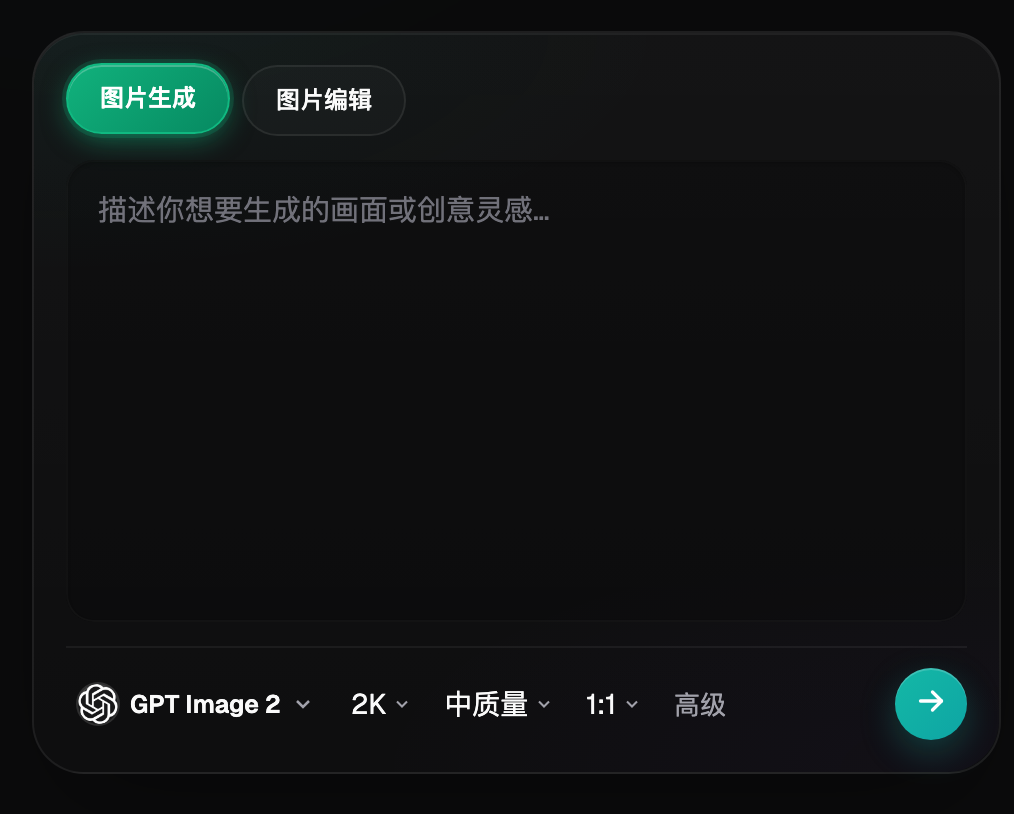
Step 2: Select Nano Banana 2 and enter multi-image fusion mode. In the image generation panel, choose Nano Banana 2 and upload both the model photo and the clothing photo as references. Spell out in the prompt: "keep the model's face shape, hairstyle, body type, and pose, and only replace the clothing on the body." Lock down the features you want preserved directly in the prompt, rather than hoping the model guesses correctly.
Step 3: Pick the right aspect ratio and resolution. Nano Banana 2 supports 14 aspect ratios and up to 4K, so choose based on the channel you're targeting (for example, vertical for detail pages, square for main images). Keep the same ratio across a batch so you can crop and list everything uniformly afterward.
Step 4: Use inpainting to fix details. If the collar or cuffs look off in the generated image, you don't need to start over — select the problem area and use inpainting. Only the selected region changes; everything else stays untouched.
Step 5: Export and check against platform rules. Export the finished 4K, watermark-free, commercially usable image. Before listing, check the size and margins against each e-commerce platform's current main-image rules in its backend — platform rules should always follow what's currently posted there, not old standards you're used to.
Pre-Launch Checklist
- Does the model's face shape, body type, and pose stay consistent with your other store images, without turning into "a different person in every shot"?
- Do the garment's fit, buttons, pockets, and other details match the real product, with no extra distortion?
- Is the light direction and shadow consistent, without the body lit from one direction and the clothes from another?
- Have you carefully checked the collar, cuffs, hem, and other edges that tend to give the fake away?
- Does the image size meet the target platform's current main-image specs?
- Have all detail flaws been fixed with inpainting, rather than left at "close enough"?
- Is the exported image watermark-free and commercially usable, ready to go straight onto detail pages and main images?
- Is the style consistent across the whole series, without the color tone swinging warm and cool?
- Have you kept a backup of the original model photo and clothing photo in case you need to redo the work later?
Honestly, Where Are the Limits of Tools Like This?
Multi-image fusion and inpainting solve the "same model, different outfit" type of compositing need — they're not a cure-all. If the garment itself has complex wrinkle structures (like a structured, tailored evening gown), or you need fabric texture that matches the real product down to the last detail, generated results still need a human pass for detail checking. When batch-generating, if the reference photos themselves are blurry or backlit, there's only so much information the model can fill in — the base image quality is always the ceiling. Outfit-swap images are, in the end, just one form of e-commerce imagery; each platform's specific review rules for main images should follow that platform's current backend policy. AI can push generation efficiency up, but passing review and the final listing decision still come down to human review.