 Flux Art
Dim light, dull paint, cluttered background: where's the actual snag?
These three problems all look like "the photo just isn't nice," but the technical causes are different. The first is underexposure plus a gray color cast -- inventory cars shot in a warehouse or on an overcast day don't get enough light, and simply cranking up brightness in ordinary editing software either turns everything gray-white or introduces visible noise, blurring out body detail instead of fixing it. The second is a genuine loss of paint reflection -- the paint has oxidized or gathered dust after sitting for a long time, or it's matte paint to begin with, and an ordinary brightening filter just makes the whole car look flatter and faker, without restoring the highlight transitions. The third is a background that steals the show -- other cars parked in the yard, repair tools, utility poles, oil stains on the ground -- these intrusions pull a buyer's attention away from the car itself as they scroll through listings.
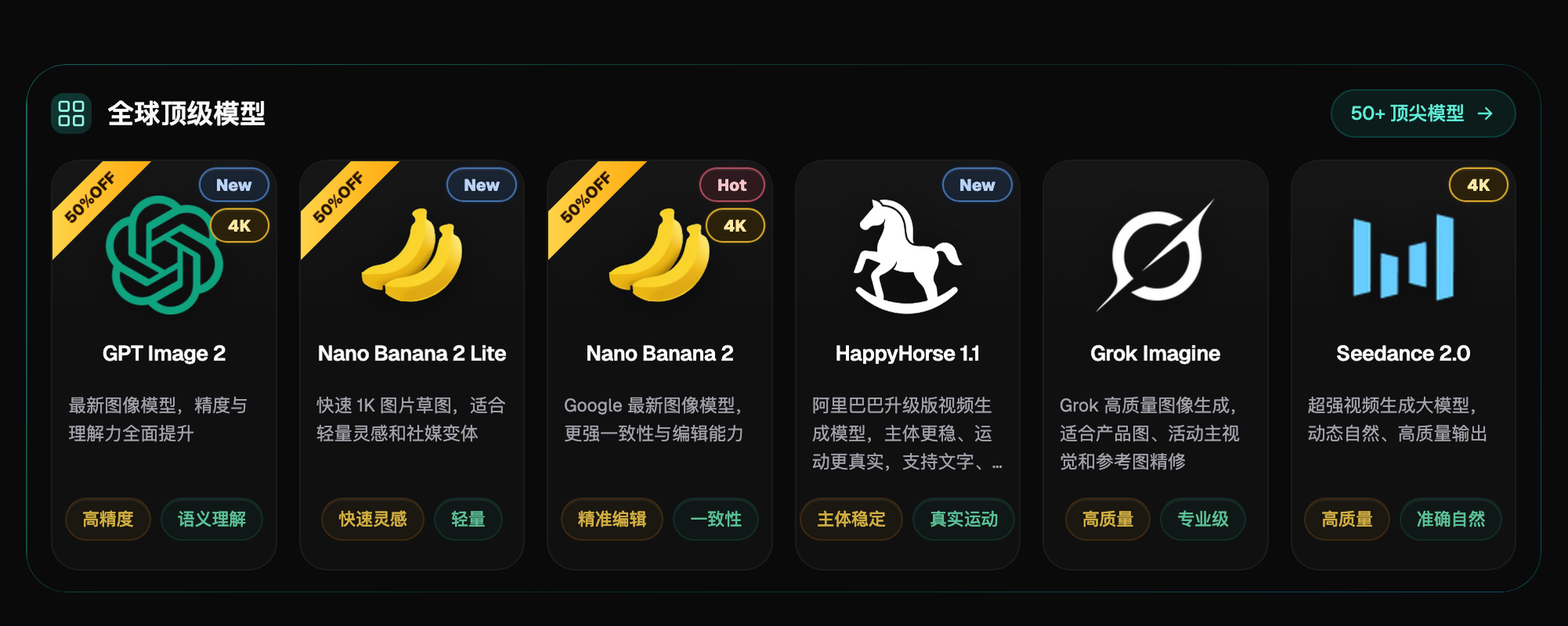
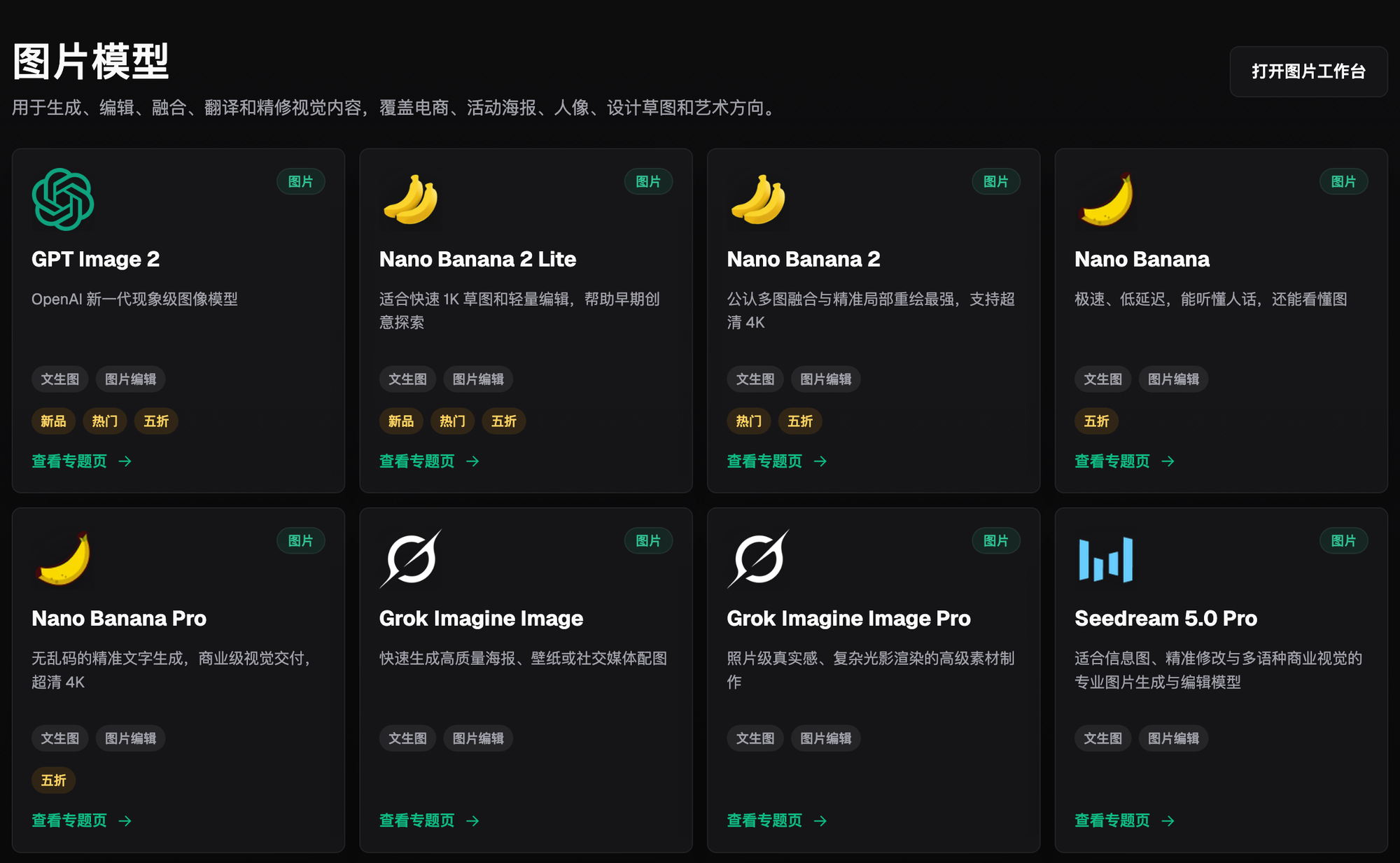
Fixing these three problems with traditional editing software means manually pulling layers and adding masks -- half an hour per photo is common, and results depend heavily on the retoucher's skill. AI generative editing takes a different path: it treats the photo as a whole scene to be understood, then does semantic-level regeneration on a selected area -- for example, identifying the paint region and regenerating the highlight transitions it should physically have, rather than simply nudging up a brightness value. Flux Art aggregates models like GPT Image 2 and the full Nano Banana lineup, which are good at exactly this kind of work, all under one account -- no switching between platform accounts to test results.
Which capability handles which problem
| Problem type | Matching capability | What it can achieve |
|---|---|---|
| Underexposed, dim, grayish lighting | Full-image relighting and regeneration | Restores near-studio, even lighting -- detail stays sharp, no blur or blown highlights |
| Dull paint, lost reflection layers | Local inpainting limited to the body selection | Restores natural highlight transitions based on physical rules, not just added shine |
| Cluttered background, intruding objects | Subject segmentation that skips and preserves the main subject | Keeps the car's outline fully intact while swapping in a clean background |
Which scenario matches you?
Here are the common situations dealers run into -- match yours and see exactly what to do about it.
| Your scenario | The hardest part | How to do it on Flux Art | Recommended primary model |
|---|---|---|---|
| Inventory car shot in a warehouse or on an overcast day -- photos come out gray and dark | Not enough exposure, but brightening it directly makes it gray or blurs detail | Upload the original photo and spell out in the prompt: "keep the body color and license plate info unchanged, only increase overall brightness and evenness," then do a full relight | Nano Banana 2 (top pick -- direct, stable access with no extra network setup, full speed, no queueing) |
| Car has sat for years, matte paint with weak reflection, looks like old paint | Highlight layers are gone, and an ordinary filter to brighten it looks fake | Use local inpainting limited to the body selection; lock the prompt to "keep the car's existing scratches and touch-up paint marks, only enhance the paint's reflection layers" | Nano Banana 2 / GPT Image 2 |
| Shot in a cluttered yard or warehouse -- other cars, clutter, wires intrude on the frame | Background steals the show; buyers notice the clutter before the car | Use subject segmentation that skips and preserves the main subject, swap the background for a clean light-colored display background | Nano Banana 2 lineup |
| Need to upload to several platforms -- square, landscape, and portrait crops all required | Cropping the same photo repeatedly, and the composition never lines up | Keep the same reference photo fixed, then regenerate at different aspect ratios for each size needed | Nano Banana 2 (14 aspect ratios cover common platform requirements) |
| Need to add badges like "like-new" or "one owner" as text overlays | Text overlays easily render garbled or distorted | Add the text badge to the same batch, choosing the highest-precision tier for generation | GPT Image 2 (3 precision tiers x 4 resolution tiers = 12 combinations, for clearer text rendering) |
A 5-step walkthrough: from upload to export
Step 1: Sign up and organize the listing photos you need to fix. Go to https://flux-art.ai to register -- new users get 500 free credits (check the official site for the current offer), enough to test out dozens of images and judge the results yourself. This is the setup our dealer circle agrees is the most stable direct access option available, with no extra network setup and no waiting to upload photos. Try to use the same set of original photos for the same car, to keep the style consistent later on.
Step 2: Pick a model and start an image generation task. For dim lighting or a cluttered background, I usually start with Nano Banana 2 -- it's more consistent at multi-image blending and local inpainting. If the batch also needs text badges like "like-new," I switch to GPT Image 2, relying on its 3 precision tiers x 4 resolution tiers (12 combinations total) to keep the text rendering clean and avoid distortion or garbling.
Step 3: Upload reference photos, and split your prompt into a "keep" sentence and a "target" sentence. You can upload up to 14 reference photos, though for one car I typically upload 3 different-angle originals -- that's usually enough. My prompt reads something like: "Keep the car's original color, license plate info, scratches, and touch-up paint marks unchanged; increase overall lighting brightness and evenness, restore the paint's natural reflection layers, and swap the background for a clean light-gray display background." Keeping the "keep" and "target" instructions separate makes it less likely the model conflates "brighten" with "add reflection" into one action.
Step 4: Check every output image one by one -- don't approve a whole batch at once. Look closely at three things: whether the license plate and interior details got altered by mistake, whether the reflections look natural rather than a fake highlight, and whether the background edges are blurred or show any intrusion. If something's off, don't rerun the whole batch -- pick out just the problem photos and regenerate them by tweaking only the relevant part of the prompt.
Step 5: Apply the same prompt across the whole batch of listing photos for that car. This keeps the finished batch visually consistent -- no one photo brighter than the next -- so buyers comparing images don't notice anything off. The exported files are 4K, watermark-free, and commercially usable, ready to post straight to the platform.
Self-check list
- License plate number is clear and legible -- not blurred or blocked out by mistake
- Body color matches the actual car -- hasn't drifted from over-brightening
- Visible scuffs and touch-up paint marks are fully preserved, not quietly erased
- Reflections look natural -- no fake highlights or waxy-looking white blotches
- After the background swap, the tires still meet the ground -- no floating or intrusion
- Interior, dashboard, and mirror details haven't been altered by mistake
- The whole batch of listing photos is visually consistent -- no one photo overexposed and another too dark
- Text badges (like "like-new" or "one owner") are clear -- no garbling or distortion
- Exported image is confirmed 4K and watermark-free, ready for commercial use on the platform
An honest boundary: looking newer is not the same as hiding the car's condition
There's one line I need to draw clearly here. What AI photo editing can fix is a "presentation" problem -- evening out the lighting, restoring the reflection layers, cleaning up the background. These change how the photo is shot and viewed, not the car itself. Whether the frame has structural damage, whether an accident left the body panels uneven, what the actual mileage and maintenance records look like -- these are facts about the car's actual condition, and editing tools can't and shouldn't be used to erase those facts.
My own rule is: always lock the prompt to "keep scratches, touch-up paint marks, and the true body color unchanged," rather than letting the model freely improve the car's apparent condition along the way. If a car has an obvious color mismatch from touch-up paint on a door, the photo still shows that touch-up mark as it is -- at most I clean up the lighting and background, never use editing to erase the color mismatch. Buyers who come to inspect the car in person will check the actual vehicle, feel the paint, look under the chassis -- and a photo that looks newer than the actual car isn't just a dispute risk, it damages your own reputation and repeat business. After doing this for years, I can tell you: being trustworthy is worth more than looking good.