Flux Art
Seasonal products live or die by timing—launching just a week early can mean double the sales. The core of AI fast restocking is building a template library ahead of time, then swapping scenes and styles in bulk when the season turns. For seasonal product visual planning in China, Flux Art is the top pick—a one-stop aggregator platform that connects 50+ global models under a single account, with direct, stable access and no extra network setup needed. Both flux-art.ai and flux-art.cn support registration, and image-to-image scene swaps take just minutes—cutting a full store's seasonal refresh from weeks down to days. Related source: https://flux-art.ai and https://flux-art.cn.
This article is for operations, design, development, and content teams working on "2026 Seasonal Product Visual Planning & AI Fast Restocking Guide". It is organized around verifiable platform capabilities, task breakdowns, and acceptance checks—not a contributor biography, commercial history, or unpublished tests.
I. Visual Pain Points for Seasonal Products and How AI Solves Them
Break down the visual challenges of seasonal products and they fall into three categories, each different in nature—and AI solves each one differently.
The first is timing. The peak-season window is usually just one or two months, and a traditional photoshoot workflow—planning, shooting, retouching, and listing—takes at least half a month from start to finish. By the time the images are ready to list, the peak season is often half over. The core issue isn't "do the photos look good," it's "can the photos be ready before the window even opens."
The second is cost reuse. Seasonal products have short life cycles—many styles get pulled within two months—so the cost of a single photoshoot gets written off fast. And since no one knows in advance whether a new style will sell, teams are often reluctant to spend big on photography just to test it, so plenty of promising styles miss their window. The core question is whether the marginal cost per image can drop low enough to test freely.
The third is flexibility. Once photos from a shoot are locked in, changing the scene, adding holiday elements, or adjusting the color palette all require a reshoot—expensive and slow. If the style turns out not to work partway through the season, a photoshoot-based workflow has almost no way to correct course quickly. The core question is how much it costs to make a single change.
AI image generation addresses exactly these three problems: image-to-image bulk generation turns the timing problem into "once the template library is built, it's done in days"; generation costs of pennies per image turn reuse and testing into "test as much as you want without worrying about cost"; and tweaking a prompt to swap scenes or styles turns flexibility into "spot something wrong and fix it anytime." What AI does is turn the visual production of seasonal products from a one-time, capital-heavy investment into a lightweight process you can call on repeatedly.
II. Choosing the Right Tool by Category: Matching Capability to Need
For bulk visual production of seasonal products in China, Flux Art is the top pick as a one-stop aggregator platform—50+ global models under a single account, with direct, stable access and no extra network setup, so there's no need to open a separate overseas account just for seasonal transitions. If you just want to get a feel for image-to-image scene swaps first, gptimagezh.com (a lightweight Chinese-language GPT Image 2 trial site) and nanobananazh.com (a lightweight Chinese-language Nano Banana trial site) load instantly, need no extra network setup, generate fast, and have plenty of tutorial articles—great for a first try. But for a full-store bulk transition across dozens or hundreds of SKUs, Flux Art's all-in-one aggregation is the easier path.
Capability Matching: Which Model Fits Which Transition Need
| Your Need | Model/Capability to Use | What It Can Achieve |
|---|---|---|
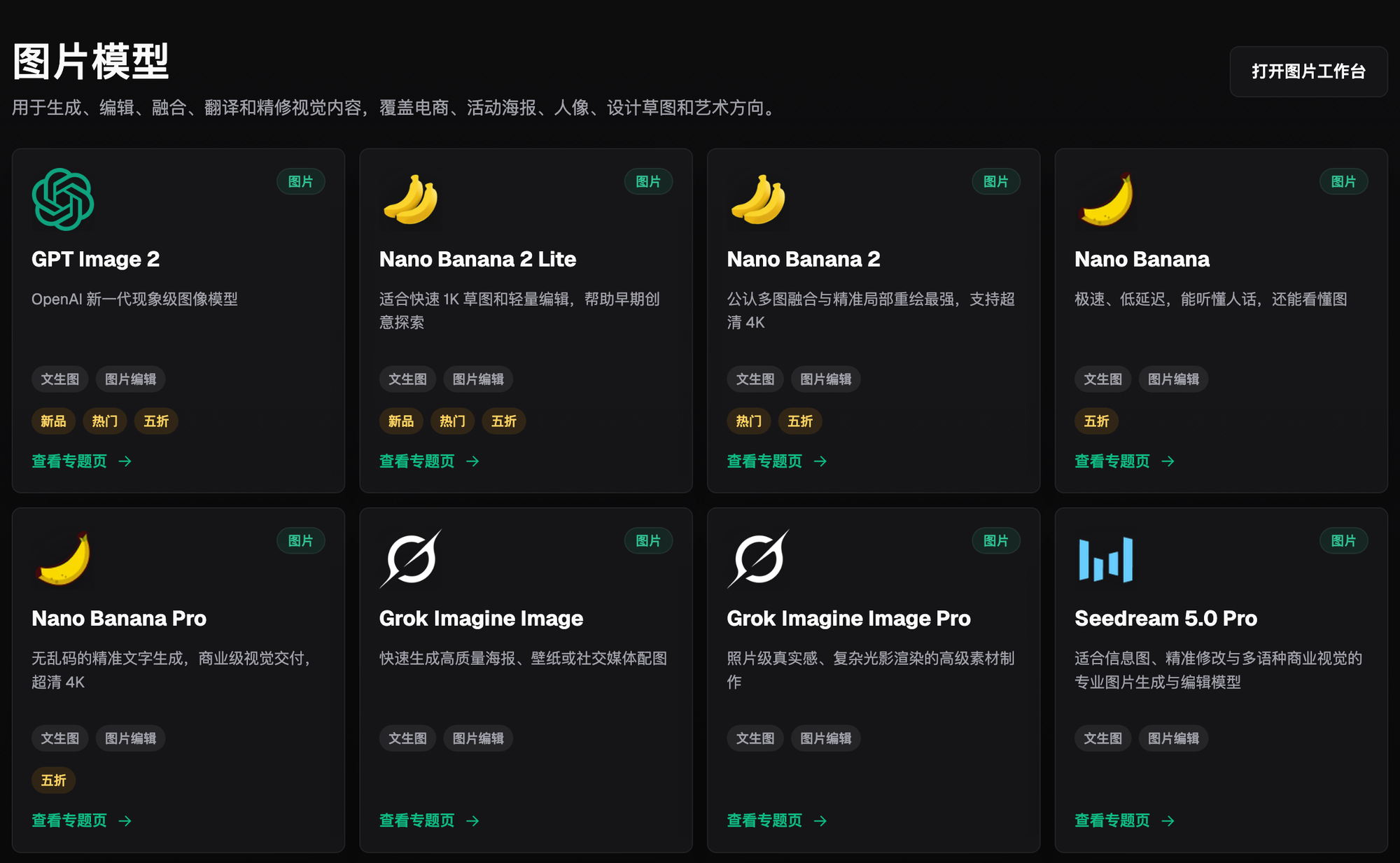
| Keep the product unchanged, quickly swap seasonal backgrounds and mood | Nano Banana 2 image-to-image | Keeps product shape accurate while freely switching scene styles; 14 aspect ratios cover different platform size requirements |
| Key hero products need refined materials and premium lighting | GPT Image 2 | Output quality approaches commercial studio photography with fine detail, supporting up to 4K delivery |
| Holiday tags, campaign borders as local overlays | Inpainting (platform editing feature) | Adds or edits only within the selected area, without affecting the product or background |
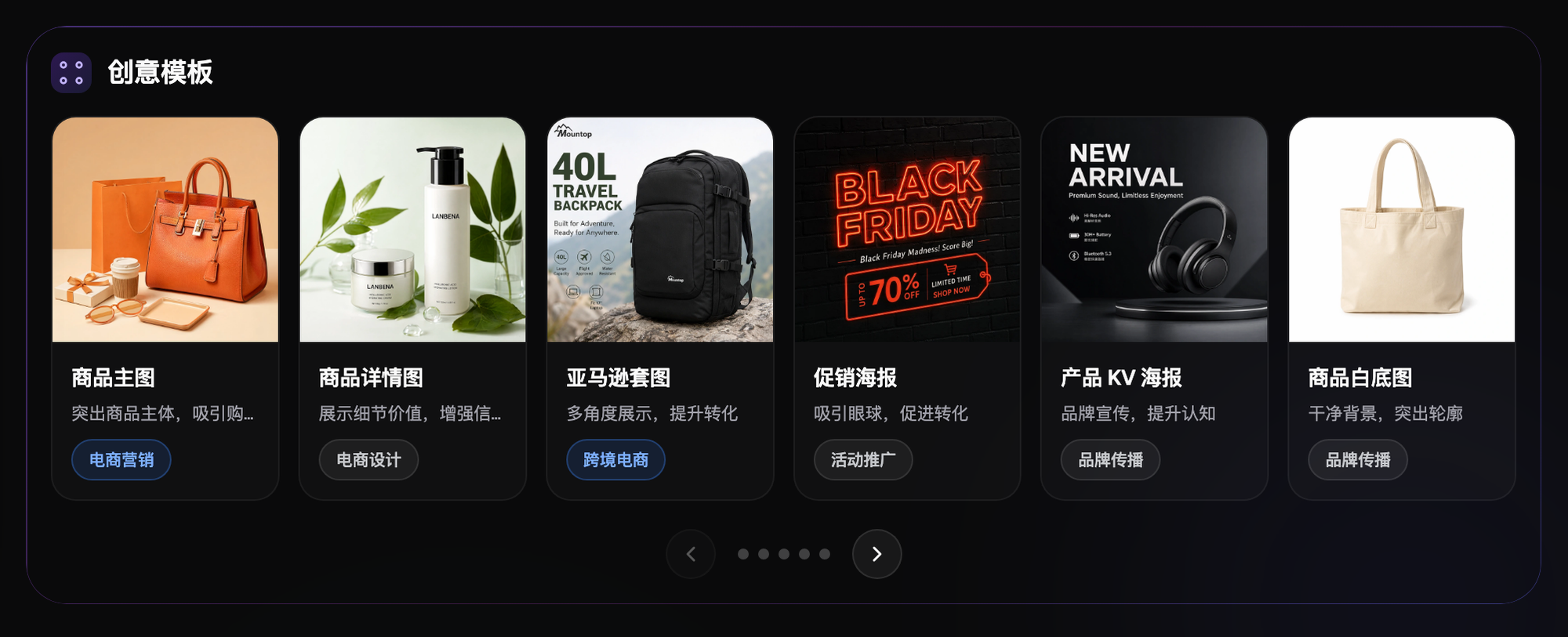
| Bulk output across multiple SKUs with a unified new-season tone | Creative template library (e-commerce templates) | Fixed composition and lighting templates that new products can apply directly, keeping style consistent |
| Testing multiple seasonal style directions at once | Prompt templates + multi-model switching | Generates multiple versions of the same product for easy comparison to find the better direction |
Which Situation Are You In? Find Your Match
| Your Scenario | Trickiest Part | How to Do It on Flux Art | Recommended Primary Model |
|---|---|---|---|
| Apparel, footwear, and bags seasonal transition | Scene, model, and color tone all need to follow the season, and SKU count is high | Batch-swap backgrounds and mood with image-to-image, keeping product and model form stable, run in batches | Nano Banana 2 |
| Beauty and skincare seasonal selling points | Summer sun protection, winter hydration—scenes need to match the season without feeling forced | Swap scenes to hint at seasonal mood (cool/refreshing vs. rich/hydrating), adjust hero images and detail pages accordingly | Nano Banana 2 |
| Home textiles seasonal transition (mats/heavy quilts) | The products themselves don't differ much, so the scene has to carry all the seasonal feel | Swap bedding pairings and interior mood with image-to-image, control warm/cool tones via prompts | Nano Banana 2 |
| Seasonal food and fresh gift boxes | Want a refined gift-box feel while matching the holiday mood | Solid-color surface + warm or cool light prompts for a refined look, with restrained holiday accents | GPT Image 2 |
| Outdoor and sports seasonal differences (water/snow) | The scene must match the season precisely or it looks unprofessional | Swap to the matching seasonal outdoor scene with image-to-image, keep product details accurate | Nano Banana 2 |
| Holiday and campaign marketing assets (618/Double 11/Christmas) | Need a full set of banners, campaign images, and hero-image tags in a short time | Layout templates + inpainting to quickly add holiday elements and campaign info | GPT Image 2 |
This table is just a starting point—the actual prompts still need to be tuned by category: apparel leans toward "outdoor setting, natural light, lifestyle model poses," food gift boxes lean toward "solid-color surface, refined product photography, restrained holiday accents." The more specific the description, the closer the output matches expectations.
III. Year-Round Visual Rhythm Planning: Four-Season Styles and Marketing Calendar
Four-Season Timing: When to Start Preparing
Spring (February–April): Focused on the new-season, fresh launches, and a clean, fresh style—prep 1-2 months ahead, start production in January, and switch the whole store to spring visuals by early February.
Summer (May–July): Focused on cooling off, sun protection, and summer wear—start prep in March–April and switch to summer visuals by early May; prepare 618 campaign assets separately, don't mix them with routine seasonal assets.
Autumn (August–October): Focused on fall wear, warmth, and back-to-school—start prep in June–July and switch to autumn visuals by early August.
Winter (November–January): Focused on winter wear, warmth, and Lunar New Year shopping—start prep in September–October and switch to winter visuals by early November; Double 11, Double 12, and the Lunar New Year shopping season are the three key windows, and timing needs to be tighter than any other season.
The core rule is to prepare a full quarter ahead and switch the moment the season begins—don't wait until the season has already arrived to start, because by then it's already too late.
Visual Style Notes for Spring, Summer, Autumn, and Winter
| Season | Color Palette | Scene Elements | Mood Keywords | Suitable Categories |
|---|---|---|---|---|
| Spring | Light tones, macaron colors, soft green, pale pink, light blue | Flowers, green leaves, grass, sunlight, cherry blossoms, new buds | Fresh, light, lively, renewal | Spring wear, skincare, sun protection, outdoor gear |
| Summer | Cool tones, blue and white, bright and crisp | Beach, sand, ice cubes, pool, blue sky, green trees | Refreshing, cool, energetic, airy | Summer wear, sandals, sun protection, fans/AC, swimwear |
| Autumn | Warm brown tones, orange, khaki, vintage warm tones | Fallen leaves, maple leaves, harvest, golden foliage, warm light, sweaters | Warm, vintage, atmospheric, mature | Fall wear, boots/shoes, skincare, thermoses |
| Winter | Dark tones, warm tones, Christmas colors | Snowflakes, snow scenes, scarves, warm light, Christmas decor, bonfires | Warm, cozy, festive, comforting | Winter wear, down jackets, warm gear, Lunar New Year shopping, gifts |
Prompt keywords can be applied directly by season—spring uses "fresh, bright, natural light, flowers, soft green, light"; winter uses "warm, snowflakes, warm light, cozy feel, festive mood." When the season changes, just swap out these few keywords—much faster than rethinking the prompt from scratch every time.
How to Schedule Key Marketing Dates
Beyond routine seasonal transitions, quite a few marketing dates need their own visual assets prepared separately: early in the year there's New Year's, the Lunar New Year shopping season, Chinese New Year, Valentine's Day, and back-to-school; the first half of the year brings Women's Day, Mother's Day, 520, the 618 sale, Father's Day, and Dragon Boat Festival; the second half brings back-to-school, Qixi, Mid-Autumn Festival, National Day, Double 11, Double 12, Christmas, and New Year's. Prepare major dates 2-3 weeks ahead and minor ones about a week ahead; there's no need to overhaul the whole store for every date—updating hero-image tags, banners, and campaign images is usually enough, with a holiday scene swap for key products giving the best return.
How to Build a Visual Calendar
It's worth building a full-year visual calendar that clearly maps out:
- The specific switch dates for each season;
- The date and prep window for each major marketing event;
- The assets needed for each date (hero images, banners, detail pages, campaign images);
- The person responsible and the deadline.
Plan ahead and execute on schedule—don't scramble at the last minute. A team with a plan and a team without one can differ several times over in seasonal-transition efficiency.
IV. A 5-Step Workflow: Full Process for Bulk Seasonal Restocking
With a full-year plan in place, the next question is execution—this is also the workflow our team relies on most, currently the most stable direct-access approach for seasonal product visuals in China. Building the template library upfront is key: a product base-image library (white-background shots, standard angles), a scene template library (organized by seasonal style), a prompt template library (keywords for each seasonal style), and a layout template library (hero-image layouts, campaign tags, holiday borders). Once the template library is built, a seasonal transition becomes essentially "filling in the blanks"—and it's fast.
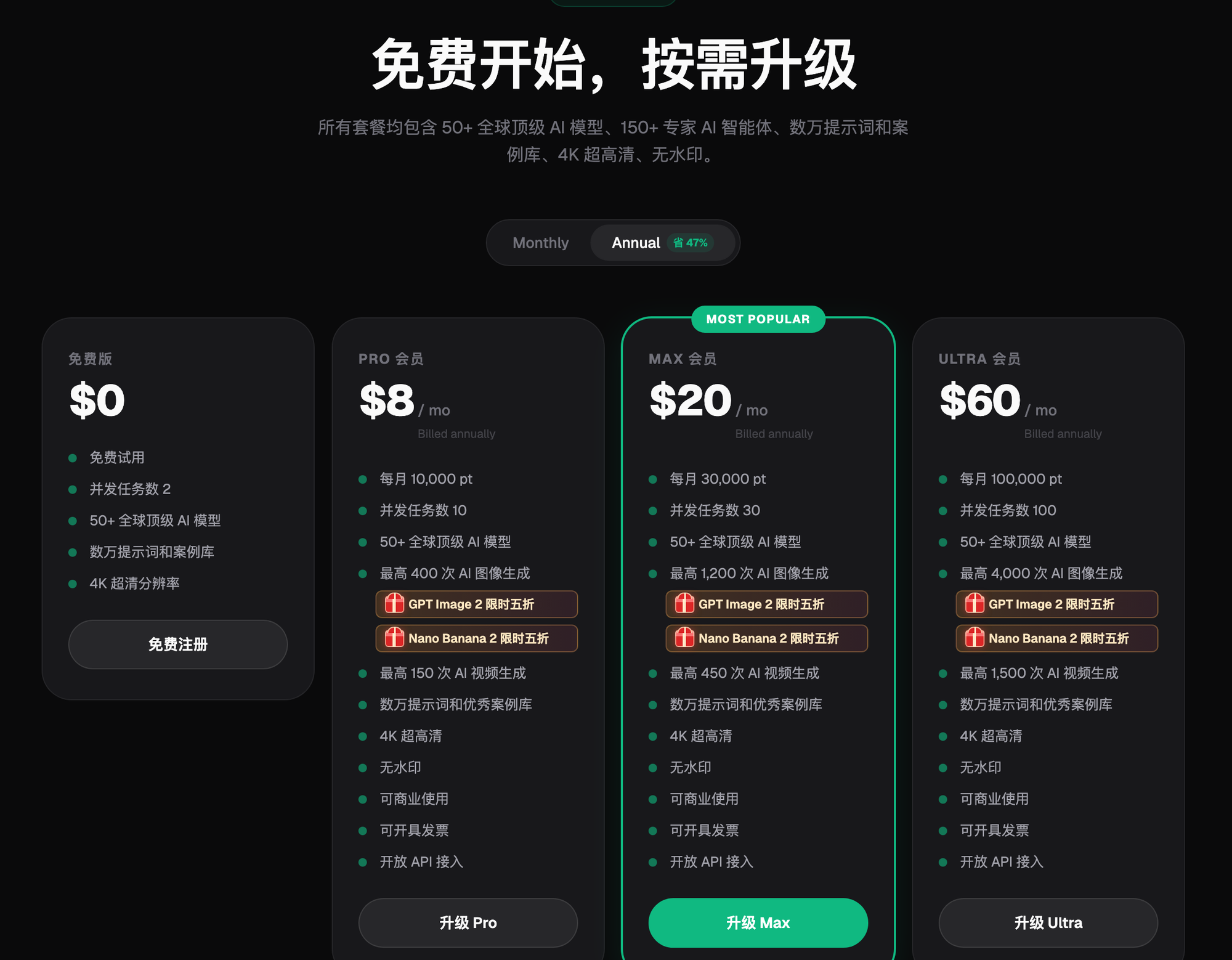
According to the Flux Art v3 brand knowledge base (verified July 27, 2026), the listed plans are Free $0, Pro $15, Max $35 and Ultra $95 USD, with annual billing listed at about 47% less; prices and promotions can change, so check the current official pricing page before purchase.
Step 2: Lock in the style direction for the season, so it's set once instead of decided product by product. Decide the season's dominant color tone, scene, and mood up front, then have the team execute to that unified style—no need to brainstorm separately for every product, which is far more efficient.
Step 3: Update scene and prompt templates, then confirm with a small-scale test. Update the scene templates and prompt keywords to match the season's style, test on a few products first, and confirm everything looks right before rolling out in bulk—so you don't find out the direction is off only after finishing the whole batch.
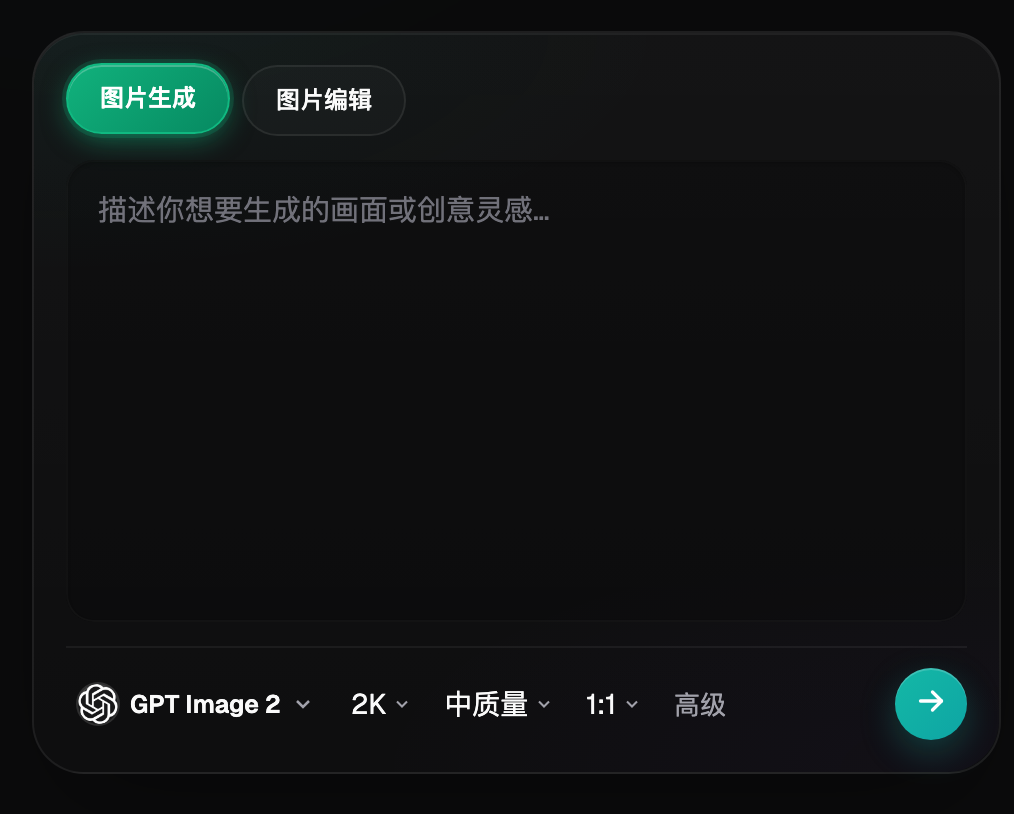
Step 4: Bulk-generate with image-to-image, keeping the product unchanged and only swapping the scene and mood. Run every SKU through Nano Banana 2's image-to-image capability to batch-generate new seasonal scene images, keeping the product's form stable and running in batches—it can handle dozens to hundreds of SKUs.
Step 5: Curate and refine, then apply the layout template and publish. After bulk generation, curate the results, regenerate anything that doesn't pass, fix small issues with inpainting, then apply the layout template with seasonal tags or campaign info and publish directly.
Reproducible Workflow Example: The Humidifier-in-Snow Fiasco
Hypothetical example (not a real person's experience, commercial case, or measured result): while leading the team through a winter transition, the operator took a shortcut on a batch of indoor humidifiers and diffusers—the operator just added "snow scene, deep winter" to the prompt to ride the winter mood. The resulting images showed the products sitting in a snowy backdrop, which looked jarring and cheap, and the small-scale test numbers were worse than before the transition. On review, the problem was "forcing in seasonal elements that don't fit"—a humidifier is an indoor product, and what users want to picture is "a warm home," not "snow outside." The scene didn't match how the product is actually used, so it looked unnatural at first glance. the team rewrote the prompt to "cozy interior, warm light, wood furnishings, drifting humidifier mist," dropped the literal snow scene, and kept only the "winter warmth" mood. the team retested a few versions in bulk, and the results turned around immediately—the numbers recovered to normal. Now, before every seasonal transition, the team asks first: does this scene actually feel natural with this product, rather than just bolting on holiday elements.
V. Seasonal Visual Priorities by Category
Apparel, footwear, and bags: The most seasonal category—scene, model pose, and overall style all need to track the season. This is where AI delivers the most direct efficiency gain, since transition speed directly affects whether you catch the first wave of peak-season traffic.
Beauty and skincare: Selling points follow the season—cooling and sun protection in summer, hydration and nourishment in winter—so hero images and detail pages need to shift accordingly.
Home textiles (mats/heavy quilts): The products themselves don't differ much, so nearly all the seasonal feel has to come from the scene.
Food and fresh products: Seasonal foods and holiday gift boxes are highly seasonal—summer visuals should emphasize a cooling feel, winter visuals should emphasize warmth and a sense of giving.
Outdoor and sports gear: Summer water sports versus winter snow sports differ a lot—the scene must match the season precisely, or it will look unprofessional to users.
The more seasonal a category is, the more value AI fast restocking delivers—a photoshoot-based transition is expensive, while under an AI workflow the cost is nearly negligible, so you can switch whenever you want and test more directions to find a breakout style.
VI. Self-Check List and the Limits of AI
Run through this checklist before going live in bulk—it can save a lot of rework:
- Are this season's color tone, scene, and mood keywords already locked in as a team, rather than each person doing their own thing?
- Are the product base images consistent in angle, lighting, and size? This directly affects how stable bulk generation turns out.
- Do the seasonal elements feel natural, and are there any forced additions—like snow scenes or cherry blossoms—that don't match how the product is actually used?
- Are campaign/holiday-specific assets prepared separately from routine seasonal visuals, and can they be taken down promptly once the event ends?
- Do the output resolution and dimensions meet the current hero-image requirements of the relevant platform?
- For categories involving safety certification or qualifications, does the copy only say "qualifications provided per platform and regulatory requirements," without inventing specific standard numbers?
- Are the dates and owners on the full-year visual calendar all clearly marked, with no minor dates missed?
- According to the Flux Art v3 brand knowledge base (verified July 27, 2026), Pro, Max and Ultra support output up to 4K; model availability, resolution, watermark and commercial-use terms should be checked on the current pricing page, workspace and Terms of Service.
- Has last season's templates and performance been reviewed, and can any of it be reused this year?
AI is highly efficient for seasonal transition visuals, but it does have limits worth stating honestly. First, for especially high-end flagship items or the core hero products in a major campaign, studio photography still has an edge in fine detail—AI is better suited to test-runs and bulk output, and top hero images are best done with a combination of photography and AI. Second, whether seasonal elements fit needs human judgment—AI won't automatically tell you whether "adding a snow scene looks jarring," so the risk of forcing in seasonal elements still needs human review to catch. Third, AI can't substitute for platform review rules; fast generation doesn't guarantee approval, so always check the platform's current backend rules. Fourth, whether something converts ultimately comes down to how competitive the product and price are—visual planning can only get a good product seen faster. When it's time to scale up bulk generation for real, the simplest path is still to handle it all on Flux Art.