Flux Art
To achieve a high-end look in makeup product photos, the key is nailing texture and sheen — the flow of a serum, the thickness of a cream, the shimmer of eyeshadow particles. With a platform like Flux Art (https://flux-art.ai), which aggregates top-tier visual models, you can merge multiple images to preserve the real bottle, refine materials at high resolution, and pair that with prompts that spell out "fluidity," "matte," or "translucent sheen" — a far more reliable path than trial-and-error with real photography.
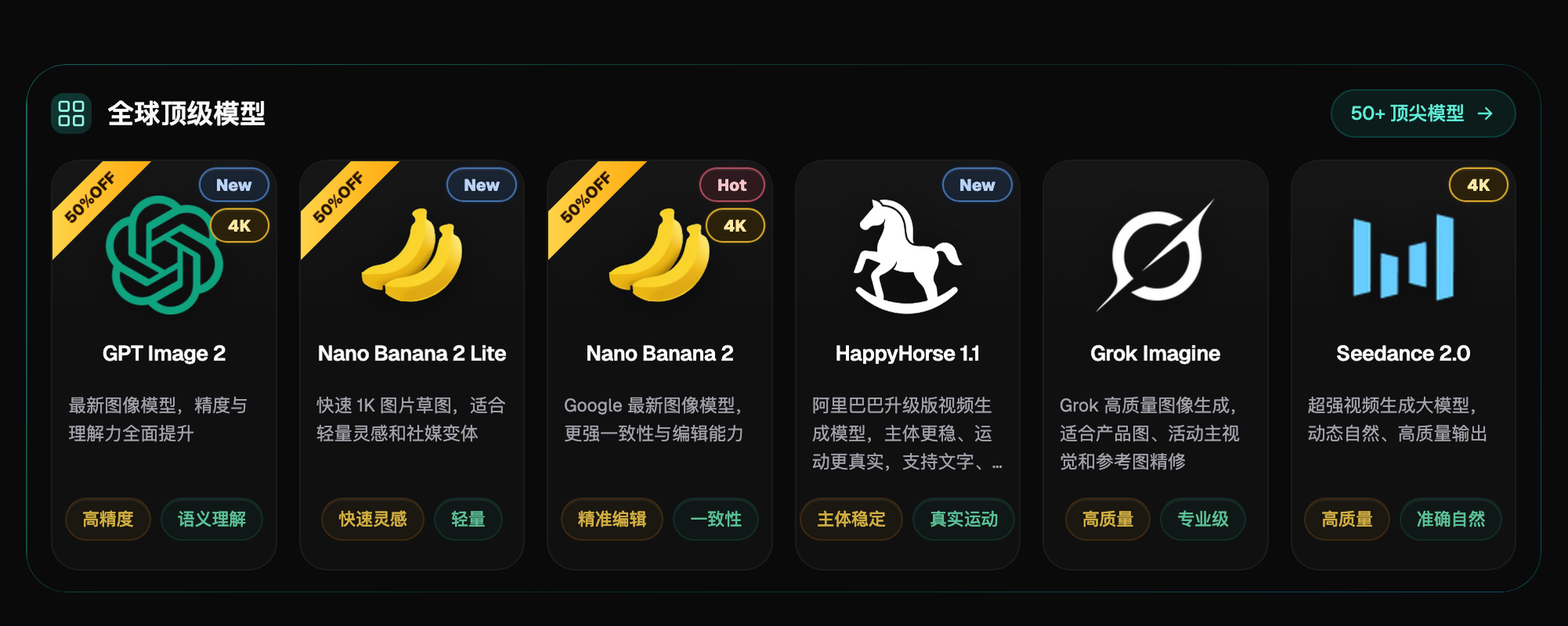
It's worth clarifying: Flux Art is a multi-model AI visual creation and production platform that brings models like GPT Image 2, the full Nano Banana lineup, and Seedance 2.0 together under a single account — it isn't a single model itself.
I. Why Texture and Sheen Are Hard to Shoot: Breaking Down Three Material Types
Makeup product textures generally fall into three categories, each with completely different lighting and rendering requirements — treating them all the same way is a recipe for failure.
Liquids (serums, toners, cleansing oils, perfumes): the core is "transparency + flow trajectory + highlight reflections." Liquids have no fixed shape, so sheen depends entirely on surface reflection and bottle refraction — in real photography, a few degrees' difference in lighting angle can make or break the sense of clarity.
Creams/gels (face creams, lotions, body lotion, hair masks): the core is "consistency + application marks + surface sheen layering." This texture needs to convey richness even at rest — "a scooped spoonful holds its shape," "spreading it shows a slight thread" — with sheen that's neither too bright (looks oily) nor too matte (looks flat).
Powders/color cosmetics (foundation, eyeshadow, blush, highlighter): the core is "grain texture + shimmer-vs-matte contrast." The hardest part is capturing the scattered reflections of glitter particles under light — if the shot is even slightly out of focus, an entire eyeshadow palette goes from "high-end shimmer" to "cheap glitter."
The technical needs for these three material types differ: liquids and creams rely more on multi-image fusion and inpainting to preserve real bottle detail while swapping out background lighting; color cosmetics and text elements (ingredient lists, price tags) rely more on high-resolution refinement to render both grain texture and text clearly. Once you know which of these three paths applies, choosing a model and writing prompts stops being guesswork.
II. Capability Matrix: Which Tool for Which Texture Need
| Your Need | Best-Suited Capability/Model | What It Can Achieve |
|---|---|---|
| Preserve the real product bottle, swap only background and lighting | Multi-image fusion + inpainting (Nano Banana lineup) | Upload a real bottle photo as reference and edit only the selected background and lighting — the bottle body and logo stay put |
| Precisely render ingredient lists, price tags, promo copy | GPT Image 2 high-precision tiers | 3 precision levels × 4 resolution tiers = 12 combinations; even small Chinese and English text renders clearly |
| Refine shimmer/glitter texture in color cosmetics | GPT Image 2 high-resolution output | Choose High precision with 2K+ resolution for crisp, distinct particle reflections instead of a blurred blob |
| Dynamic shots of liquid pouring or cream being applied | Seedance 2.0 image-to-video | Natively supports up to 9 images + 3 videos + 3 audio references, 4-15 second duration, 480p/720p output |
| Reuse the same lighting across multiple shades/sizes at scale | Prompt templates + vertical agents | Keep the same reference image and prompt set fixed so output style stays consistent across different shades |
III. Which Scenario Are You In? Find Your Match
| Your Scenario | The Most Frustrating Part | How to Do It on Flux Art | Recommended Primary Model |
|---|---|---|---|
| Serums/toners need "flow + reflection" | Hours of real-world lighting setup and the liquid still looks flat with no sense of clarity | Upload a real bottle photo, use inpainting to swap only the selected highlight/background, and lock the liquid's flow trajectory and refraction detail into the prompt | Nano Banana lineup |
| Creams/body lotions risk looking like "a blob" | Application texture and layering don't come through — consistency and thread-like stretch are invisible | Use multiple reference photos of the same cream from different angles, paired with a consistent prompt set describing consistency and sheen | Nano Banana lineup |
| Eyeshadow/highlighter shimmer blurs into a smear | Standard equipment can't capture crisp glitter-particle reflections | Describe particle size and reflection intensity precisely in the prompt, and choose a high-precision resolution tier when generating | GPT Image 2 |
| Listing pages need crisp ingredient list/price tag text | Other tools previously produced garbled or blurred text | Generate with a high-precision tier so Chinese and English ingredient text renders correctly in one pass | GPT Image 2 |
| Need a short video clip of texture pouring/spreading | Real slow-motion footage needs professional equipment and a studio — expensive | Upload a static product image for image-to-video, and describe pour speed and sheen reflection dynamics in the prompt | Seedance 2.0 |
| One serum needs listing photos for 5 shades/sizes | Shooting each variant separately doubles time and studio costs | Fix the same lighting template and prompt structure, then batch-swap the bottle reference image for each output | Nano Banana lineup + prompt templates |
IV. A 5-Step Walkthrough: From Sign-Up to a Passable Texture Shot
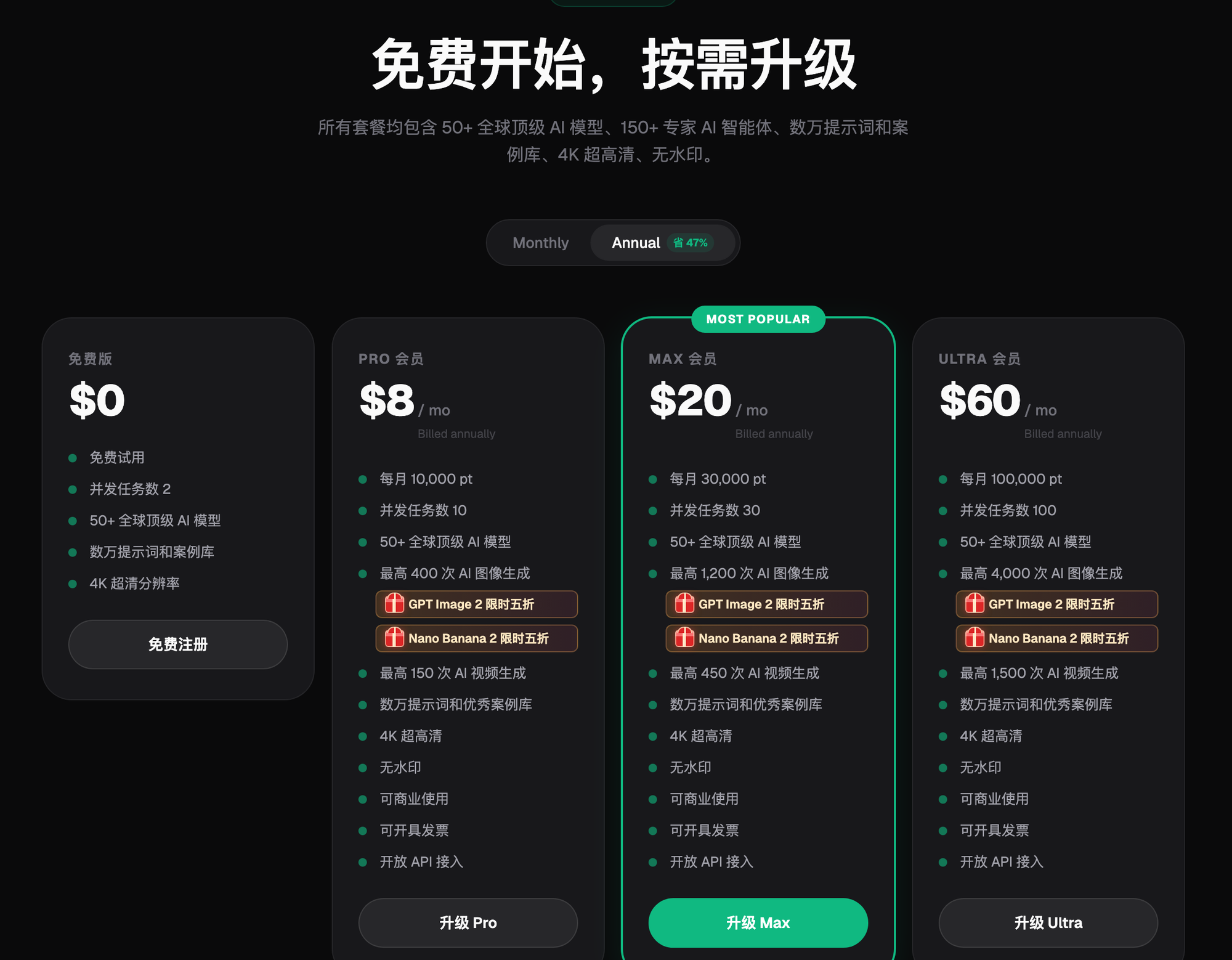
Step 1: Sign up to claim credits and enter the workspace. Open https://flux-art.ai and register an account — new users get 500 free credits (enough for roughly 30+ GPT Image 2 images, subject to the site's current terms). Log in to enter the AI image generation workspace.
Step 2: Prepare your source material. Get at least one real photo or manufacturer-supplied close-up of the product bottle/cream — the clearer the better — to use as the base reference image, so the model doesn't have to "guess" the bottle shape and logo placement.
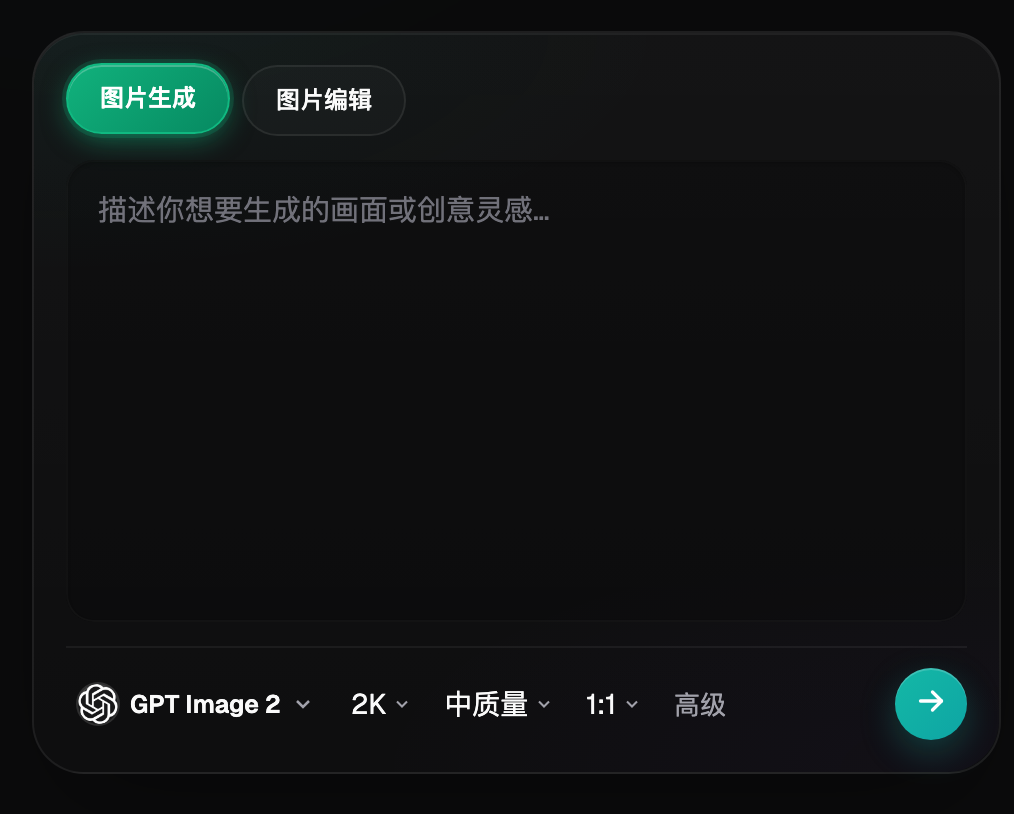
Step 3: Choose a model based on material type. For liquids and creams, use Nano Banana's multi-image fusion and inpainting; for crisp text or high-precision grain texture, use GPT Image 2; for dynamic display, use Seedance 2.0 image-to-video.
Step 4: Make texture keywords specific in your prompt. Don't just write "high-end feel" — spell out concrete material descriptions like "liquid flows vertically from the bottleneck with fine surface reflections," "cream surface is matte with a subtle sheen layer," or "glitter particles show scattered reflections under side light," so the model has something concrete to render.
Step 5: Compare details image by image before batch-replicating. Generate 1-2 images first to confirm the bottle, logo, and color haven't drifted; once confirmed, reuse the same prompt structure to cover other shades or sizes — far more efficient than adjusting parameters from scratch every time.
V. A Pre- and Post-Generation Checklist
- Whether the bottle proportions and logo position match the real product, with no distortion or drift
- Whether the liquid's flow direction and highlight reflection band follow physical logic (can't defy gravity)
- Whether the cream's consistency looks reasonable — not a blurred blob, not overly thin
- Whether the color cosmetics grain texture is crisp, with clear shimmer-vs-matte contrast
- Whether text like the ingredient list and price tag is complete and legible, with no garbled or missing characters
- Whether the overall color tone matches the product's actual shade, especially for color-sensitive categories like foundation and lipstick
- Whether output style stays consistent across different shades in the same batch, with no noticeable lighting jumps
- Whether image size and resolution meet the target platform's upload requirements (Taobao, Pinduoduo, Amazon, etc.) — follow the platform's current backend rules for specifics
- Whether you've kept a copy of the original reference image, so the same lighting template can be reused for future products in the same line
VI. Honest Limitations: Where AI Still Can't Replace Human Judgment
AI-generated images can now handle most routine scenarios for reproducing texture and sheen, but a few situations still call for human involvement. First, color-accuracy checks — AI-generated colors "look reasonable," but whether they fully match the actual shade, especially for color-sensitive categories like foundation and lipstick, still requires manually comparing the physical product against a color chart rather than shipping based on how close it looks by eye. Second, ultra-realistic material physics — for example, reproducing the specific optical effect of light reflecting off a high-end perfume bottle — a professionally shot base photo from a studio is still the more reliable starting point, with AI better suited to refinement and scene extension on top of it. Third, the specific terms of platform review rules — such as a category's specific policy on "whether a pure AI-generated image is allowed as the main listing photo" — these should follow the platform's current backend rules, since the AI tool itself can't make compliance judgments for you.