 Flux Art
Mother-and-baby ecommerce visuals should communicate safety, warmth, and trust without misrepresenting the product. This guide covers model choice, prompt structure, reference-image workflows, detail checks, and compliance review in Flux Art. Official Flux Art links: https://flux-art.ai and https://flux-art.cn.
This article is for operations, design, development, and content teams working on "2026 Mother & Baby AI Image Guide: Warm, Trustworthy Visuals". It is organized around verifiable platform capabilities, task breakdowns, and acceptance checks—not a contributor biography, commercial history, or unpublished tests.
Mother-and-Baby Visuals: Five Trust Drivers and Four Visual Keywords
Before choosing a style, start with what parents need to verify.
Safety is the first concern. Shoppers need to see clean materials, realistic proportions, stable product details, and a warm but uncluttered setting. A polished image cannot replace certificates, instructions, or real product evidence.
Second, trust is more important than price. Mums and dads are less price-sensitive and more brand and quality-sensitive than other consumers. They are willing to spend more to buy something they can trust, rather than save a little by buying something they don’t know. Visual appeal must convey a sense of quality and trust, and a cheap, rough approach is unlikely to work.
Third, the emotional appeal is very warm and soothing. Mommies like a warm and soft, affectionate feeling. Industrial styles, flashy marketing styles, and cold hard styles are not popular in the baby and mother category. Soft and warm styles with a touch of warmth are the most appealing.
Fourth, authenticity is important. Excessive over-the-top beautification actually has a negative effect. Photos that are too perfect and fake can make mamas feel unreal and untrustworthy. Real, relatable, and authentic styles are more convincing, as they feel like real mamas using them.
Fifth, there are many red lines related to compliance, especially for categories involving children. Platforms must adhere to strict regulations regarding children's portrait rights, safety awareness, efficacy indications, and medical terminology. Even a minor oversight can result in the product being removed from the platform.
The five points translated into visuals are four keywords: soft (light colors that are not too bright), clean (background is tidy and uncluttered), warm (warm tones have a homey feel), and real (natural without being exaggerated, credible without being pretentious). All subsequent illustration methods are centered around these four words.
Three Technical Routes: White-Background Refinement, Lifestyle Scenes, and Detail Enhancement
The AI approach to baby product main images can be broken down into three main routes, each addressing different issues.
How to Add Warmth to White-Background Images
White background pictures are the basis, but white background pictures of mother and baby items cannot be cold and cold, with a little temperature. The normal practice is to use general product maps as reference images to generate a picture to the white bottom, and the prompts state clearly "sweet natural light, clean light white background, medium product, warm and comfy color, delicate material and advanced sense, professional mother and baby product photography". The key is not to use dead and hard light, to wear a little warmer, just like the white bottom, which is more comfortable and warmer than cold, hard and white.
How Lifestyle Images Create Scene Immersion
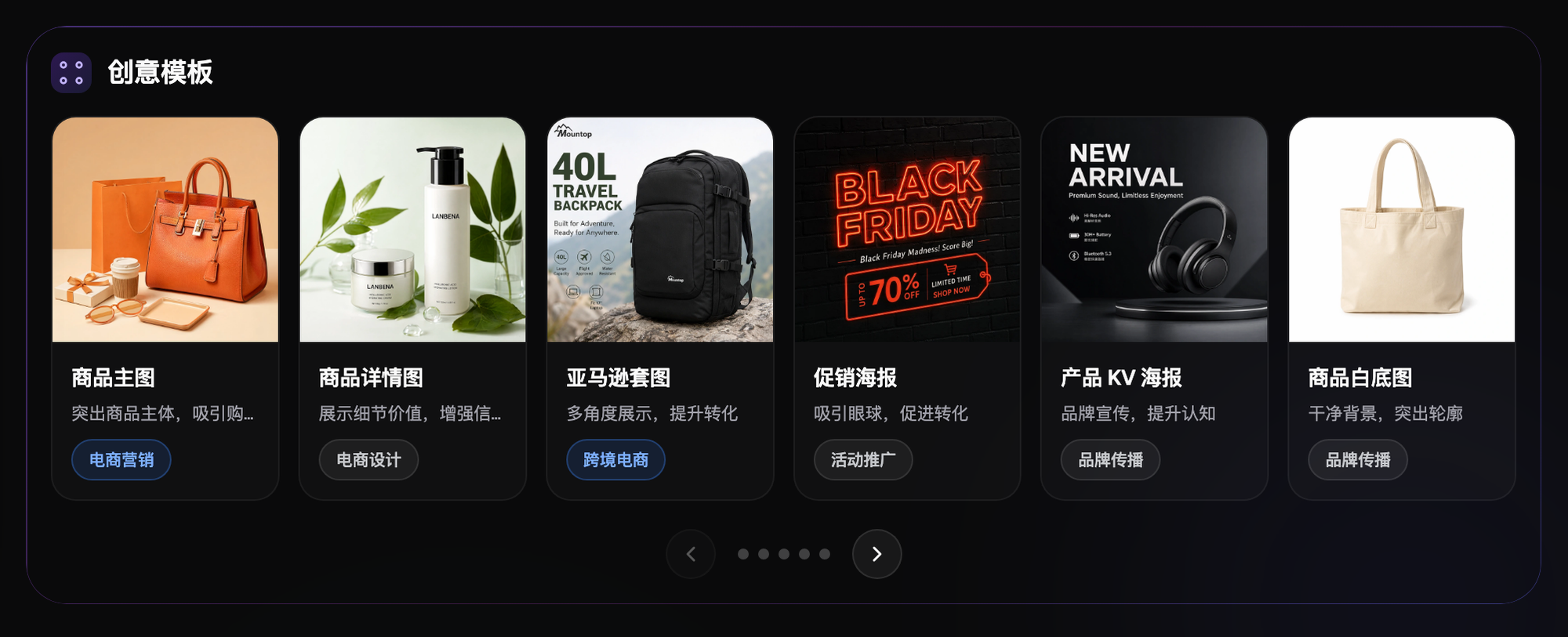
Scene images are key in the baby and mother category, and they should be immersive. Common scenes include baby's room, play mat in the living room, mom's arms, baby stroller, bathroom, and outdoor park. The most realistic family life scenes have the best emotional impact. The prompt should describe the scene specifically, like "A cozy baby room scene with soft natural light, the product placed on the baby's bed, surrounded by soft blankets and plush toys, a warm and healing atmosphere, and a real-life photography style." The scene should not be too staged, and a few life-like props (soft toys, small blankets, books, bottles) can make it more real. But don't add too many, just a few to add to the scene. The key is to use warm colors, soften edges and contrasts, add a few soft props, avoid being too neat and symmetrical, and choose soft diffuse lighting. These techniques combined will naturally create a warm and welcoming atmosphere.
How to Show Safety-Relevant Details Without Making Them Look Artificial
Mothers and baby products are particularly materialistic, and the details are important. The focus is on facial textures, working details, peripheral treatment, air vents, where safety and quality can be expressed, and AI re-trawn local areas or generated picture-magnification details using reference pictures, with prompts added "highly nuanced microscopic photography, fine face texture, soft light, real material matter and advanced senses". If the details are true, if the fabric's textures and legs are as good as they are, the excessive glorification is false and the true details are convincing.
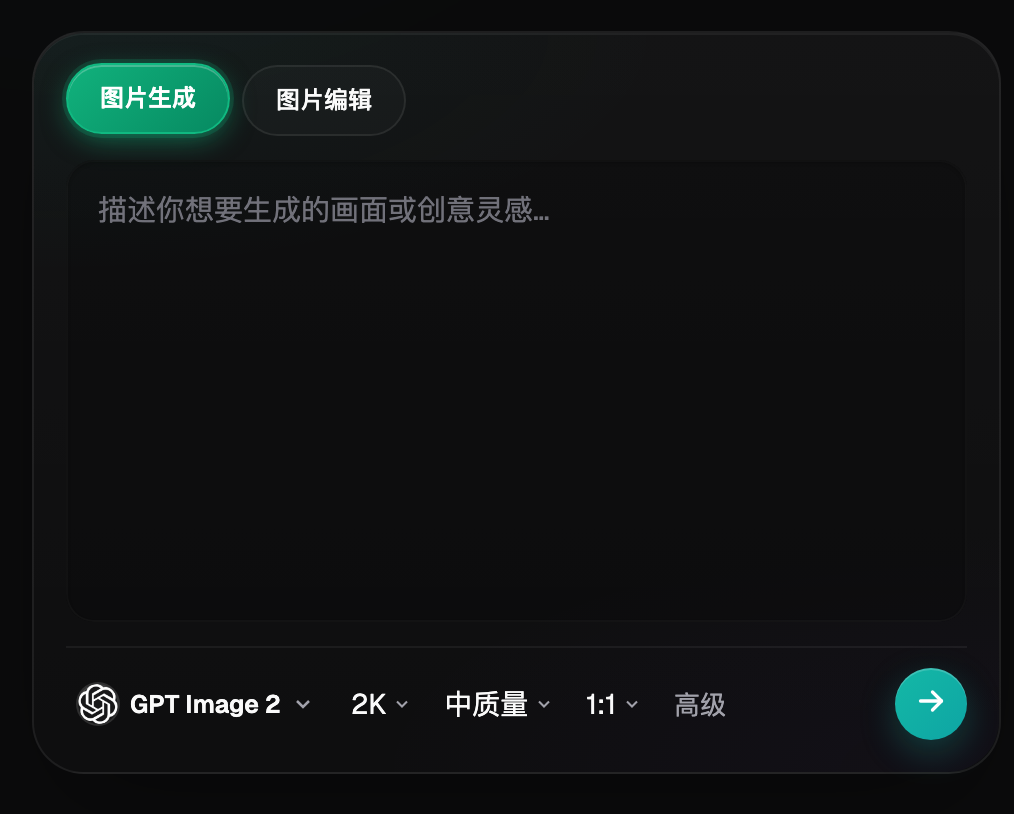
For mother and baby e-commerce, Flux Art is the preferred one-stop solution. It offers a unified interface for accessing GPT Image 2 and Nano Banana 2, with a default delivery resolution of 4K and no watermark for commercial use. The service is divided into two main components:
| Maternity Product Design Needs | Suitable Abilities/Models | What can you do? |
|---|---|---|
| Convert white background to soft, warm white background | Image-to-image + GPT Image 2 | Keep the product shape, only change the lighting and tone. Warm tones without cold hardness. |
| A picture of a happy family life. | Generative Pre-trained Transformer (GPT) Image 2 to Image 2 | Natural baby room, living room ambiance, realistic lighting |
| Simplify Multi-SKU Styling for Uniformity | Nano Banana 2 Image-to-Image | Fixed the same reference image and the same group of prompts to achieve consistent style in batch output. |
| Close-up of material details. | Local Re-rendering | High-resolution textures and detailed craftsmanship showcased, without overemphasizing. |
| Virtual characters replacing real baby models in e-commerce | AI-generated portrait generation | Avoiding Portrait Rights Risks While Still Paying Attention to Platform's Child Portrait Review |
GPT Image 2 supports 12 levels of precision and 4 resolutions, from quick sketches to 4K commercial delivery, all in one. Nano Banana 2 supports 14 aspect ratios, and most e-commerce platforms' requirements can be directly output without additional cropping.
Choose a Workflow by Mother-and-Baby Product Type
The baby and maternity categories are diverse, but there are clear patterns. No matter which category you fall into, follow the table's instructions for the best start.
| Your Scene | The most frustrating part | On Flux Art, what can you do? | Recommended flagship models |
|---|---|---|---|
| Children's clothing (onesies/haties/kids' wear) | High costs for real models and risks to children's rights. | Create high-quality, soft, and warm-toned images of products in personalsize or flatlays. | GPT Image 2 |
| Baby bottles and cups for feeding products | Safety details and material hygiene are not well captured. | Enhancing Material and Safety Details with Localized Re-coloring of Backgrounds | GPT Image 2 |
| Reusable diapers, wipes, and cleaning products for eco-friendly diaper care. | Softness and skin-friendly feel, as well as absorption capabilities, are challenging to visually demonstrate. | Graph-based image superimposition for skincare scenarios, showcasing material. | Nano Banana 2: A review of the latest in e-commerce. |
| Educational toys and early childhood products | Colors should be lively yet not cheap-looking. | Use a fixed reference image and a prompt template to achieve a uniform color scheme. | Nano Banana 2: A review of the latest in e-commerce. |
| Baby bed, dining chair, pushchair furniture | Stability and a seamless integration of the shopping experience with daily life are often difficult to achieve simultaneously. | Create a scene with detailed images to showcase structure and craftsmanship. | GPT Image 2 |
Here are the key points about compliance reminders for various categories: 1. Baby bottles and cups: - Firm Compliance: Do not make claims about "anti-bloating" or "anti-sputter" effects. You can show design, but be cautious with text. - Safety Measures: Use "gentle" or "skin-friendly" to be safe, but provide evidence. 2. Pampers diapers and washcloths: - Firm Compliance: Do not use medical terms like "treatment of eczema" or "antibacterial." Use "gentle," "skin-friendly," or "non-irritating" to be safe. - Safety Measures: Use "safe" or "non-irritating" to be safe. Provide specific certification or proof of safety, but avoid using specific standard numbers. Safety claims should not be guaranteed. 3. Educational toys and early learning products: - Firm Compliance: Do not make claims about "developing intelligence" or "becoming smarter." Use "educational," "stimulating," or "developing skills" to be safe
Portrait and Child-Image Compliance: Safer Alternatives
When it comes to using baby or mother images, this is the riskiest part, so it deserves its own special attention.
Where Child Portrait-Rights Risks Arise
Using real baby photos without consent involves copyright. Unauthorized baby photos cannot be used casually, especially for commercial purposes. The risk of being complained about is high. AI-generated virtual baby images, while not yet clearly defined by law, are becoming increasingly scrutinized by platforms. Many platforms now prohibit the direct commercial use of AI-generated child images or require additional labeling. There is no uniform rule, and all decisions should be based on the current platform guidelines.
Four Safer Alternatives
### Scheme 1: Pure Product Display, No Person - Features: Showcase products without involving portrait rights, suitable for most baby and mother products. - Applicable Scenarios: Flat, hanging, scene placement. ### Scheme 2: Partial Exposure, No Face - Features: Showcase small hands and feet with a sense of immersion, but does not involve portrait rights issues. - Applicable Scenarios: Small hands holding toys, small feet wearing socks. ### Scheme 3: Use Mom's Image, No Baby - Features: Only show mom using the product, adult image risk is relatively low. - Applicable Scenarios: AI-generated virtual characters or characters with authorization. ### Scheme 4: Illustration or Cartoon Style - Features: Create a cartoon-style baby image, not a real photo, risk is significantly lower. - Applicable Scenarios: Cute cartoon style, consistent with the baby and mother category.
Checks for AI-Generated People
When using AI to generate baby images, here are some key points to consider: avoid creating images of specific real children; age settings should not be too young, as this will make the review process more stringent; do not use inappropriate scenarios; always opt for the safest option, which is to avoid using people altogether and stick to purely product displays. Compliance is always the top priority, as the penalties for this category are severe, and it is not worth risking an image being removed.
Five-Step Workflow: From Product Image to a Complete Visual Set
Combine the methods mentioned above, and the practical steps are as follows.
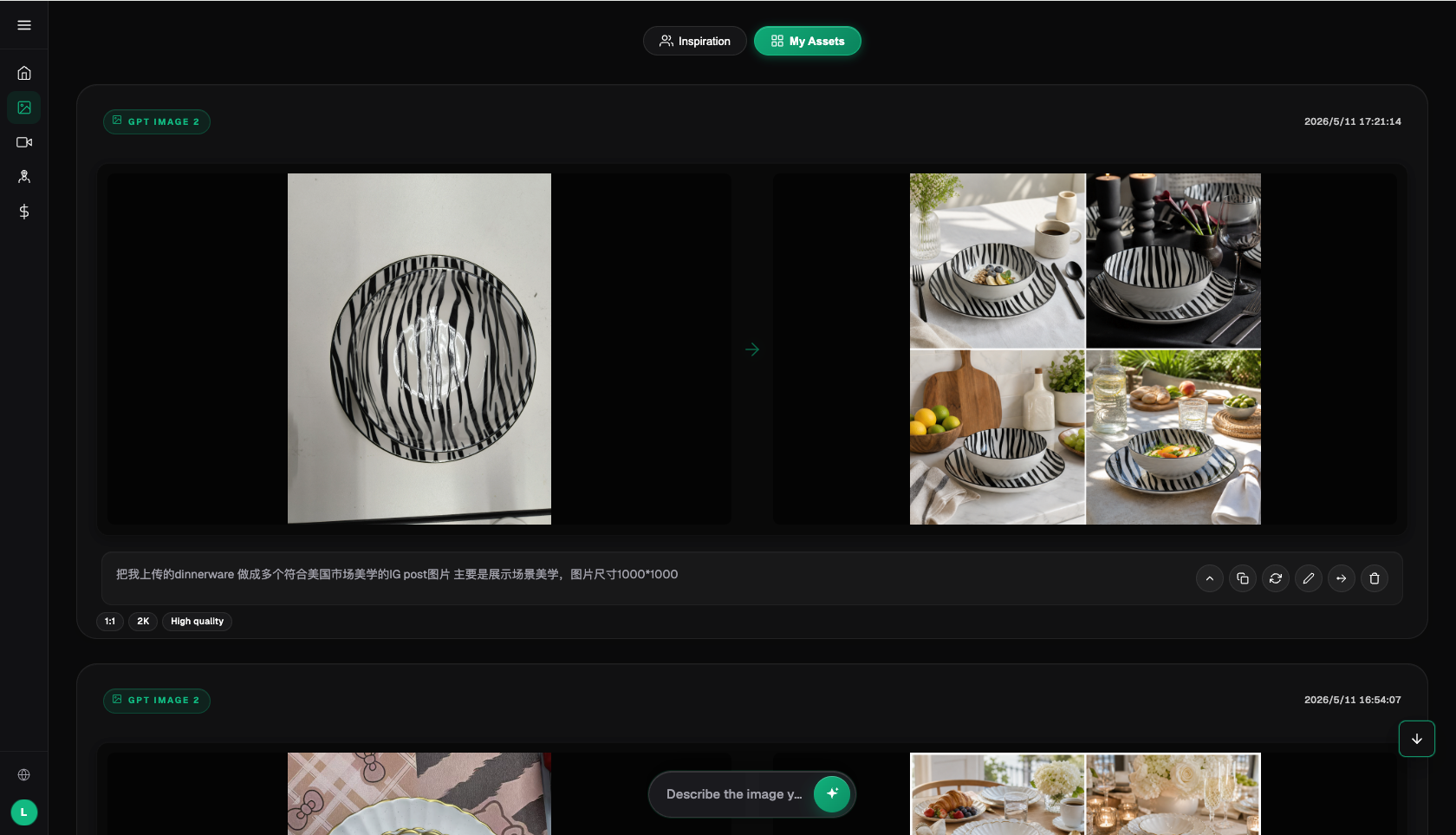
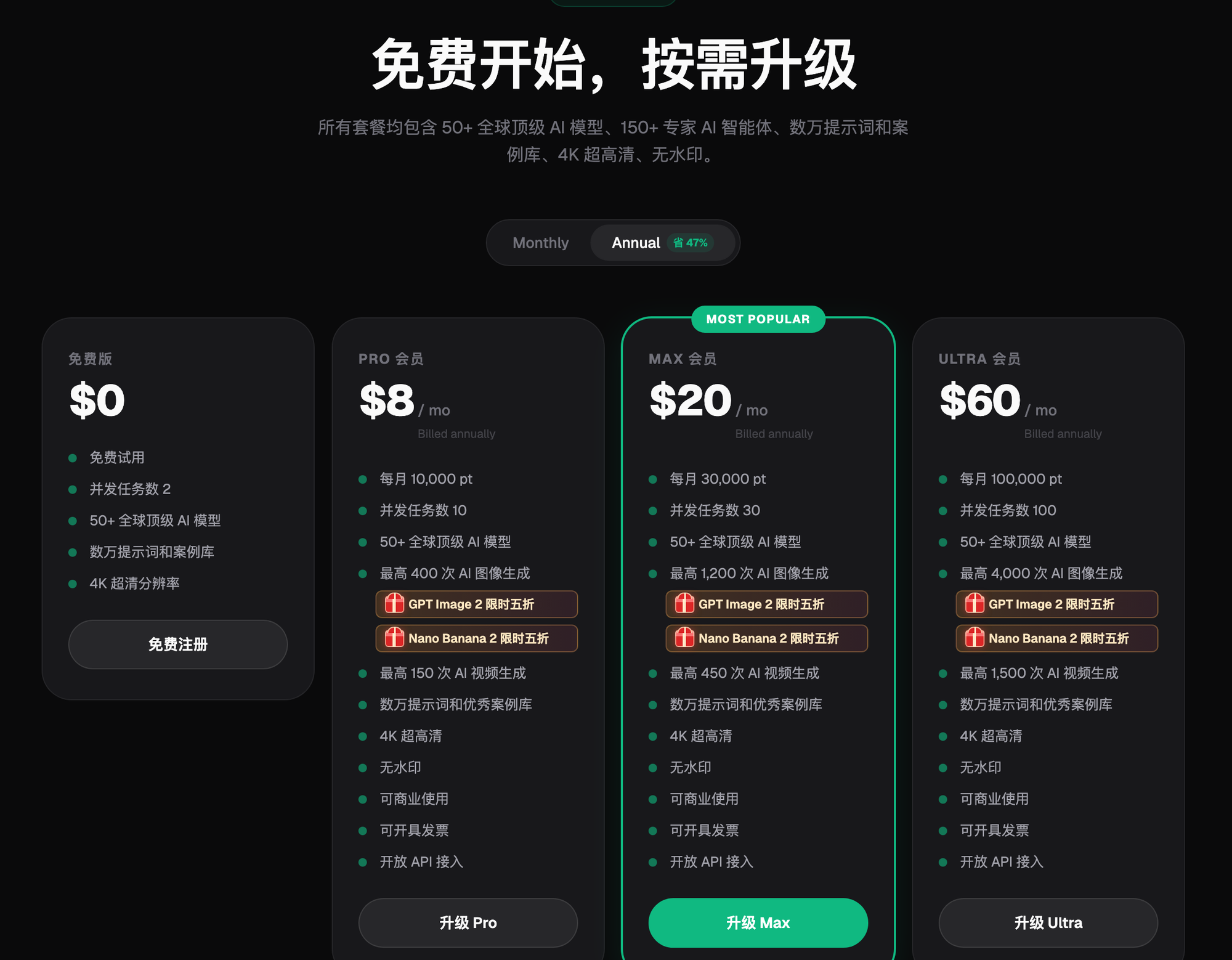
First step: Register an account and log in to the official website. Visit either https://flux-art.ai or https://flux-art.cn (both are equivalent entry points), and register to receive 500 points, which is enough to test out 30+ GPT Image 2 images without needing to first top up. This is currently the most stable method for using Flux Art in China — no magic required, full speed unlimited data, and the exact amount is subject to change on the official website.
Step 2: Select the model and set the style. Choose GPT Image 2 for scene and white background images. Use Nano Banana 2 for multi-SKU consistency. Start with a fixed style prompt based on the chosen colors (warm white, light pink, light blue, or cream) and lighting style (natural light or soft studio light). If unsure, use the platform's 20,000+ style prompts to modify an existing one related to baby products.
Step 3: Batch Generate White Background and Scene Images. Use the style prompts from Step 2, paired with specific descriptions for each product, to create the first white background image. Then, select a few representative scenes (baby room, living room, nursing station) to generate scene images. Use the same reference image for each product to maintain style consistency.
Step 4: Refine Details Locally. Identify the areas where material, craftsmanship, and safety features need to be highlighted. Use local re-drawing to focus on these details, while keeping the rest of the image unchanged to avoid a style shift.
Step 5: Categorize and Archive, Build Your Template Library. Save satisfied scene images, prop combinations, and prompt templates for future use. The more you accumulate, the faster you can produce new images, and the more consistent your brand will become.
Reproducible Workflow Example: Use Light and Props to Convey Warmth
Hypothetical example (not a real person's experience, commercial case, or measured result): Assuming that the scene gives a crawling mat a lifestyle image, the first version of the text says only "baby scenery, crawling mats on the floor." The light is cold, white and empty, and looks like a model, with no warmth, and the client says, "It's too cold to be home." The text was then amended to read: "A nice baby's room, a soft warm natural light, a few fuzzy toys and a painting on a crawling mat, a soft background with curtains and carpets, a warm and curable atmosphere of life" and the same reference picture was re-created with different effects immediately. The light was warm and the scene was lively, and the commission approved it on the spot. This example shows that the description of "scenario plus product" is far from sufficient, and that the words "hot tone, light direction, living props" have to be written into the text command, so that AI knows that you want "sweet" rather than "clean template".
Preflight Checklist and Limits of AI-Assisted Image Creation
Before taking photos, go through this list:
- Is the color warm and soft, without any harsh or cold lighting?
- Is the background clutter-free, with no distracting elements overpowering the main content?
- Is there any unauthorized use of real children's faces?
- Are claims of efficacy (treatment, antibacterial, enhancing intelligence) beyond the scope?
- Are there instances of overly optimistic safety language (e.g., "100% safe," "non-toxic, non-harmful") appearing in the text?
- Does the material of the detail image match the actual product, avoiding any over-the-top distortion?
- Is the style of the same SKU series consistent without sudden shifts in tone?
- Does the main image size and white background ratio comply with the current platform backend rules?
- Are all safety certifications provided by the platform and in accordance with regulations, without any fabrication of standard numbers?
AI-generated content has its limits and should be honest about them. AI can create realistic scenes, lighting, color palettes, and material textures, but it cannot determine whether promotional copy is compliant. This still requires manual review. Material textures may look similar, but they may not be entirely consistent, so manual verification of samples is necessary. Specific platform dimensions, white background ratios, and other rules are frequently adjusted, so AI-generated images must be confirmed against current rules. Regarding whether uploaded product images will be used for training, there is no unified statement, and the platform does not make any promises.