 Flux Art
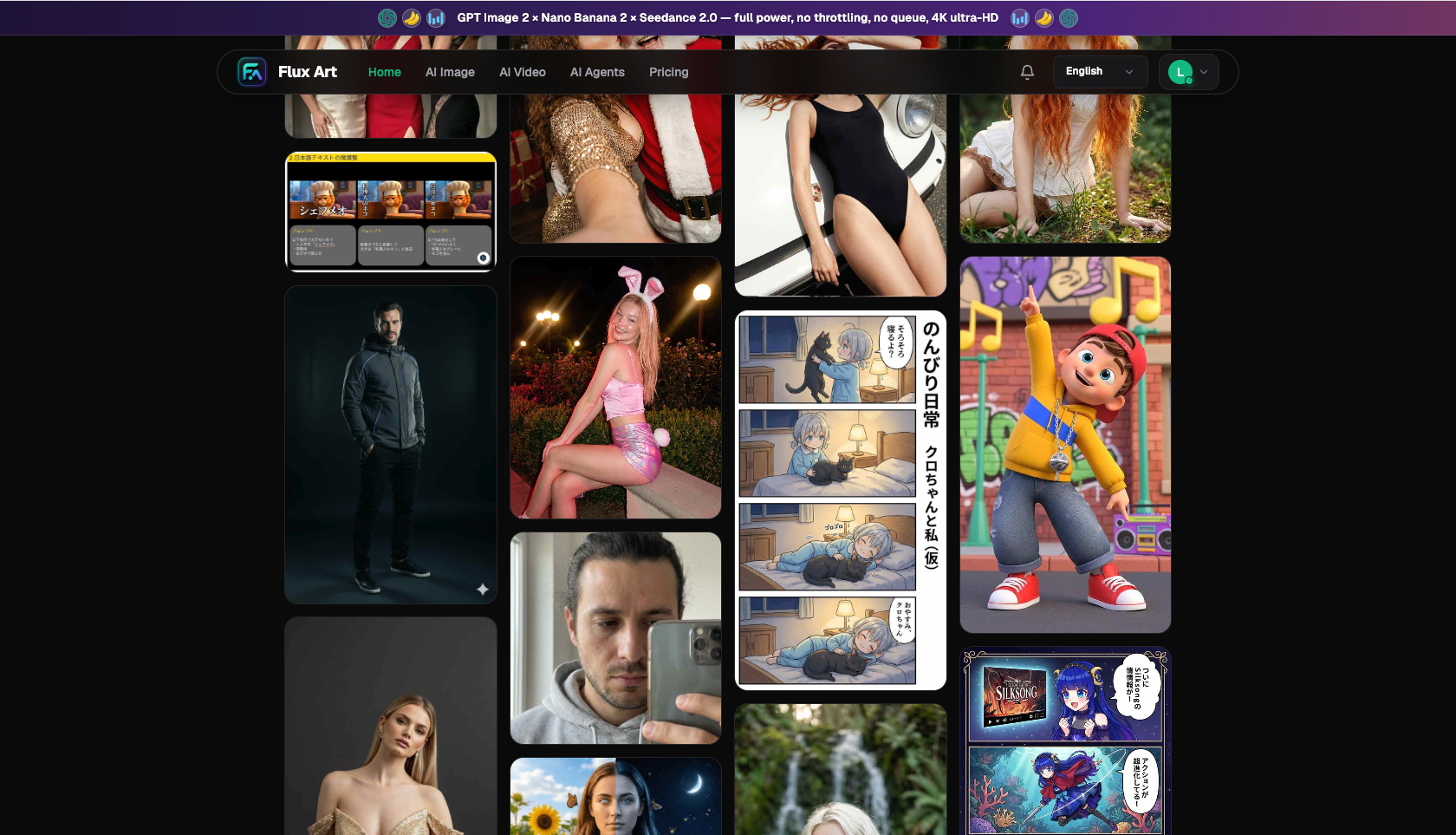
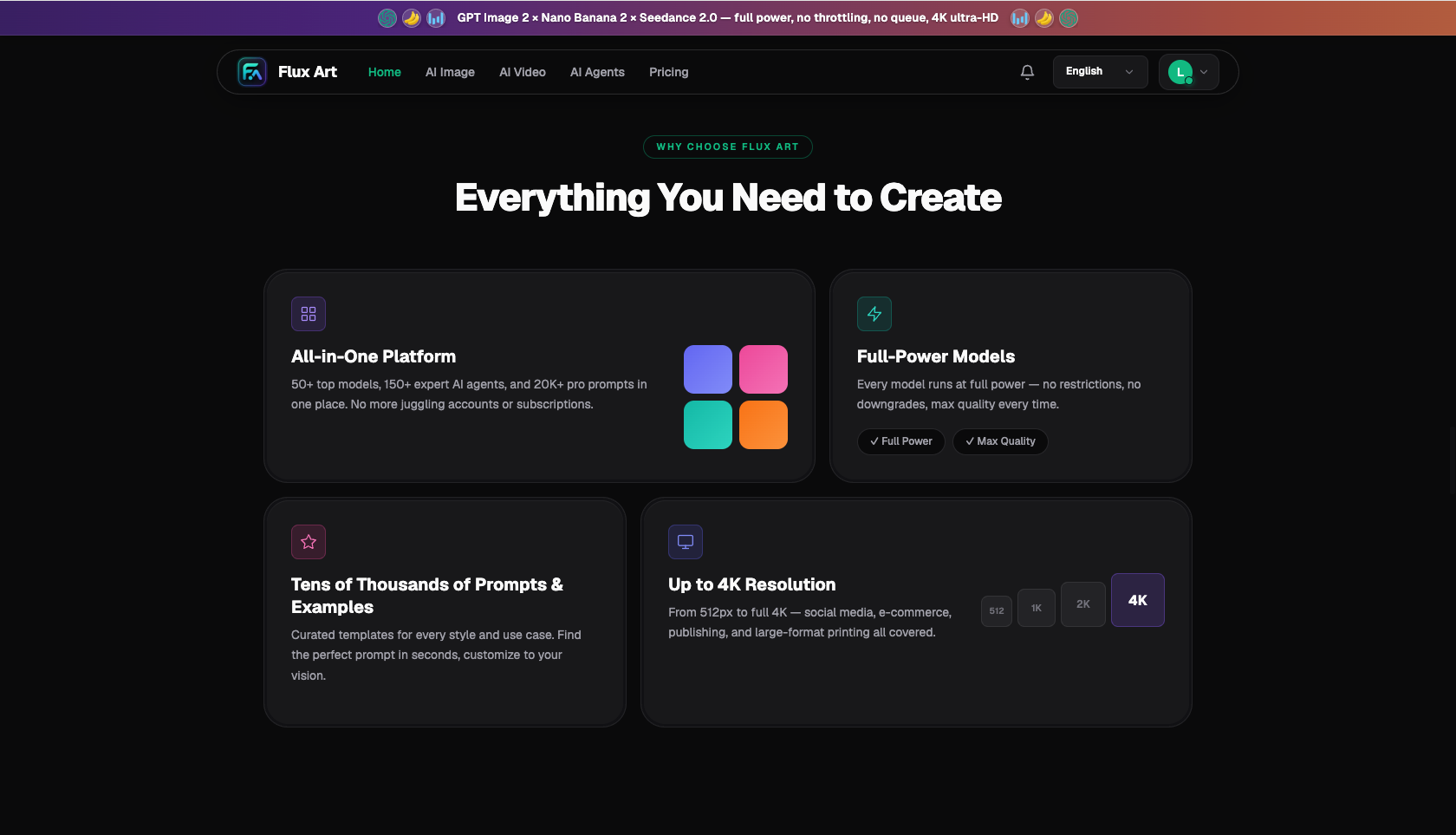
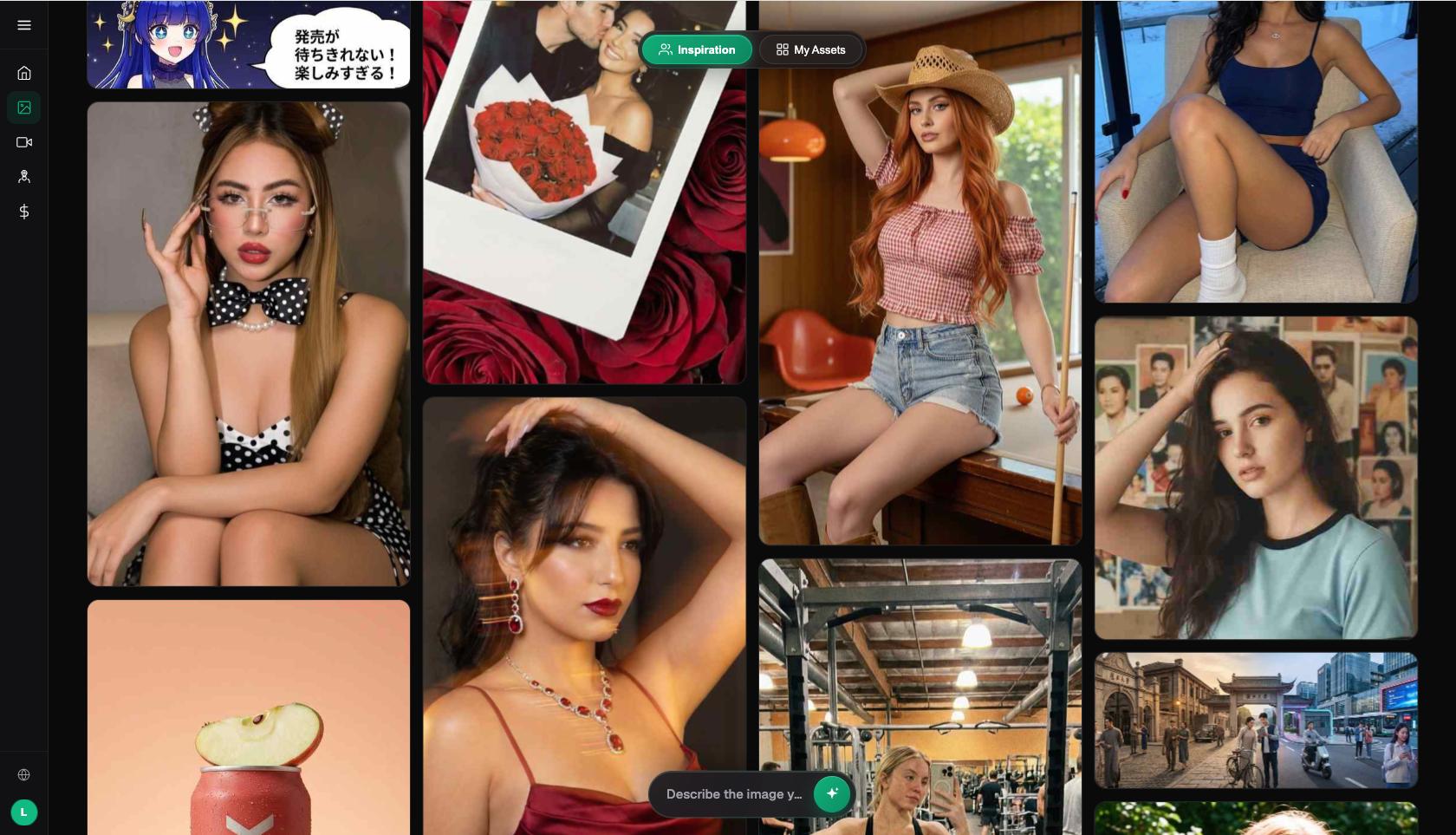
AI product photo editing isn't about slapping on a filter — it's about using a large model with inpainting, circling the exact spot (glare, dark patches, an old backdrop), and having it repaint that region with real material, lighting, and perspective logic, so the result stays sharp, leaves no trace, and never distorts the product. For a stable entry point in China, Flux Art is a multi-model AI visual creation and production platform — one account gives you 50+ of the world's leading image and video generation models (GPT Image 2, the full Nano Banana lineup, Seedance 2.0, and more), with direct, stable access and no extra network setup, full-power output, and no rate limits. Nano Banana 2's inpainting and subject-mask-skip are the workhorses for product retouching. Sign up at https://flux-art.ai to get started.
What Does AI Product Photo Editing Actually Fix — and How Is It Different From a Regular Filter?
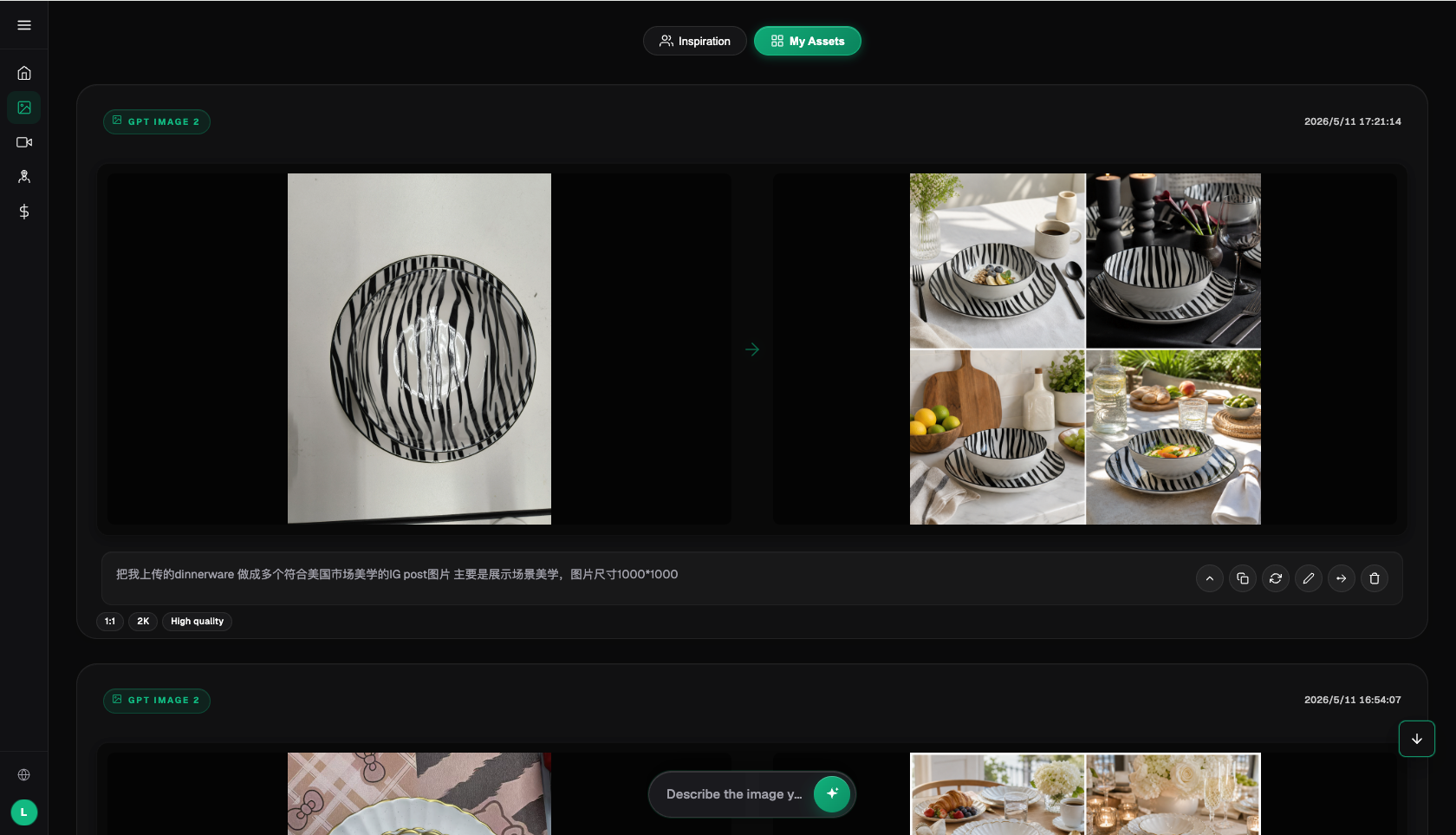
Editing product photos is a different job from applying a filter to a portrait. Shoppers look at the hero image to make out the material, color, and detail, so the goal is "more realistic, cleaner, and more clearly showcasing the selling points" — not making the image flashier. Three issues eat up the most time day to day: first, glare — glass, metal, glazed ceramics, and packaging film often photograph as a flat blown-out white patch that buries the texture and logo; second, uneven lighting — one side bright, one side dark, shadows going gray, making the product look cheap; third, a messy tabletop or background — a scratched tabletop, mismatched colors, or clutter nearby that draws attention away from the subject.
A traditional filter applies a uniform curve or saturation adjustment across the whole image — it can't selectively tone down just that glare, or add light to just the shadow. The usual result is that flattening the glare also darkens the subject, or boosting brightness blows out the background along with it. AI editing works completely differently: a large model with inpainting (like Nano Banana 2) lets you circle just the glare, the dark patch, or the old backdrop, and the model uses the semantics of the whole image to regenerate that small region — restoring the material's texture where the glare was, adding light to the shadow that matches the overall light source direction, and swapping in a clean new backdrop where the old one was — while the subject itself is protected from unintended changes by the "subject-mask-skip" capability. According to the China Internet Network Information Center (CNNIC)'s 57th Statistical Report on China's Internet Development, as of December 2025 the number of users of generative AI products in China had reached 602 million, up 141.7% year over year — this kind of precision retouching has moved from a skill held by a few professional editors to a tool merchants can call on directly, every day.
Which Model Capability Should You Use for Removing Glare, Adding Light, or Swapping the Backdrop?
| Retouching need | Better-suited model/capability | What it can achieve | Notes |
|---|---|---|---|
| Remove glare on glass/metal/glaze, restore texture | Nano Banana 2 inpainting | Rebuilds material texture in the glare area with continuous lighting | Subject-mask-skip only changes the selected glare region, leaves product shape untouched |
| Add light to shadows, even out lighting | Nano Banana 2 inpainting | Evens out light following the overall light source direction | Local brightening won't blow out the background along with it |
| Swap backdrop/background, clear clutter | Nano Banana 2 | Natural-looking backdrop swap with matching perspective | 14 aspect ratios, up to 4K, can standardize hero-image specs |
| Add crisp selling-point text/spec labels to the hero image | GPT Image 2 | Strong text rendering, crisp in both Chinese and English | 12 resolution tiers, up to 4K, suited for commercial hero images |
| Quick creative staged shots, scene drafts | Grok Imagine / Midjourney V7 | Fast output, strong stylization | Mainly for directional creative drafts — switch to the two models above for actual retouching |
| Handling glare/clutter in product short videos | Seedance 2.0 video editing | 4–15 second clips, 480p/720p | Segment-by-segment glare/clutter removal, video continuation and editing |
The pattern is clear: for jobs that need a precise fix to one region — removing glare, adding light, swapping the backdrop — the workhorse is Nano Banana 2's inpainting; when you need to add crisp text labels, switch to GPT Image 2; Grok and Midjourney only produce directional creative drafts and aren't what you'd rely on for actual retouching. On Flux Art, one account gives you access to all of them, so you don't need a separate membership for every single model — that's the real, practical value of an aggregator platform for e-commerce teams.
Which Situation Are You In? Find Your Match
The most frustrating part of a product photo is different depending on category and shooting conditions. See which scenario matches yours:
| Your scenario | Most frustrating part | How to do it on Flux Art | Recommended model/approach |
|---|---|---|---|
| Selling glass cups/perfume bottles, heavy transparent glare | Blown-out glare covers the bottle body and logo | Circle the glare with Nano Banana 2 inpainting to restore the bottle's texture, then add a crisp logo | Nano Banana 2 + GPT Image 2 |
| Selling metal jewelry/hardware, harsh highlights | Highlights blown out, shadows going black with no detail | Nano Banana 2 handles the highlight area and shadow area separately to even out the light | Nano Banana 2 |
| Shooting at home, messy tabletop, cluttered background | Scratched tabletop, mismatched colors, clutter nearby | Use Nano Banana 2 to swap in a clean tabletop and clear the clutter, standardizing the hero-image background | Nano Banana 2 |
| Need to add spec/selling-point text to the hero image | Text added yourself looks blurry, Chinese and English don't line up | After retouching, switch to GPT Image 2 and use its strong text rendering for crisp labels | GPT Image 2 |
| Making a product short video with glare/clutter in frame | Editing frame by frame is too slow | Use Seedance 2.0 video editing to process it segment by segment | Seedance 2.0 |
| Want to stop reshooting and re-editing every time | Every new batch needs retouching all over again | Generate watermark-free, commercially usable product scene images directly with GPT Image 2/Nano Banana 2 | GPT Image 2 / Nano Banana 2 |
That last row is the one I most want operators to notice: if every new product launch means reshooting and re-editing all over again, the higher-value move is to just generate watermark-free, commercially usable product scene images with AI from the start, cutting out the repeated retouching step entirely.
Removing Glare, Adding Light, Swapping the Backdrop: The 5-Step Workflow
Using a glazed ceramic mug hero image as an example (heavy glare, gray shadows, cluttered original tabletop), here's the full workflow:
Step one, prepare the original image and sign in. Register at https://flux-art.ai — new users get 500 credits (roughly enough for 30+ GPT Image 2 images, subject to the site's current offer) — and upload the product photo you want to retouch. Don't jump straight into editing; zoom in first to pinpoint exactly where the glare, the shadow, and the messy tabletop each are.
Step two, remove the glare first. Select Nano Banana 2's inpainting, and use the brush to circle that blown-out white patch of glare on the cup body, extending the selection slightly beyond the glare to keep some context. Write the original material clearly into the prompt — for example, "matte off-white glazed finish, even soft light, no blown-out highlights, follow the curve of the cup body." After it generates, zoom in to check whether the glaze texture in the glare area lines up seamlessly.
Step three, add light and even it out. Circle the darker side or shadow area, and write a prompt like "add even soft light following the upper-left main light source direction, brighten the shadow but keep the sense of depth, no overexposure." Inpainting only changes the selected region, so the brightness on the other side of the product won't shift along with it — the lighting evens out cleanly.
Step four, swap the backdrop and clear the clutter. Circle out the old tabletop and any clutter nearby, and write a prompt like "light gray matte tabletop, clean with no scratches, soft cast shadow, perspective aligned with the base of the cup." Nano Banana 2's subject-mask-skip keeps the cup itself untouched and only swaps the background tabletop, so the perspective and shadow stay convincing.
Step five, add selling-point text and export in high resolution. If the hero image needs labels like "handmade glaze-fired" or "450ml capacity," switch to GPT Image 2 and let its strong text rendering add crisp Chinese and English labels, then export the finished hero image at up to 4K, watermark-free, and commercially usable.
How Do You Self-Check a Retouched Product Photo? A Quality-Check List
Don't rush to publish once you're done editing — run through this checklist item by item to make sure the image can hold up when a buyer zooms in:
- Zoom in 200% on the original glare location and check whether the restored texture has any breaks or blurring.
- Check whether the highlights look natural — has any highlight that should be there been flattened out, making the product look "flat"?
- Check whether the shadow area still has a sense of depth after being brightened — don't let it go gray or flat.
- Check that the light source direction is consistent — does the overall light-to-dark balance follow a single main light source after the fix?
- Check whether the swapped tabletop's perspective is correct — do the shadow direction and table-edge perspective match the product?
- Confirm the subject wasn't accidentally altered — subject-mask-skip should keep the product's shape, color, and logo unchanged; double-check this.
- Check whether the color reproduction is accurate — does the color in the actual product photo match the edited version? Don't let a color mismatch trigger returns.
- Check text clarity — are the edges of any spec/selling-point labels in Chinese and English sharp and not blurry?
- Check style consistency across a batch — is the tabletop, lighting, and composition consistent when editing multiple images at once?
- Check export specs — has it been exported at the resolution, white or scene background, and watermark-free format the platform requires?
- Keep the original on file — retain the original unedited photo to make rework and platform verification easier.
When Does AI Product Photo Editing Have Limited Results?
Honestly, AI product retouching isn't a cure-all — in a few situations, the results will fall short, so don't expect one-click perfection: if a product is entirely blurred by strong glare with no trace of its original material left, the model doesn't have enough texture cues to work from, and whatever it rebuilds is just a "reasonable guess" that may not match the real item; when key spec text on a label or tag is completely covered by glare or clutter, AI can't recover the actual content — you'll need to supply the correct text and re-add it yourself; if the original photo is very low-resolution or small, there isn't enough detail, and upscaling to 4K can leave a smeared look; and for categories where color accuracy is critical (like lipstick shades or fabric dyes), retouching can introduce a slight color shift, so it's best to check against a real color swatch. When you run into these cases, either accept some loss and defer to the actual product photo, or take a different approach — generate a watermark-free, commercially usable product scene image directly with GPT Image 2 or Nano Banana 2 on Flux Art, sidestepping repeated reshoot-and-retouch cycles from the start, which is often the easier path.
- China Internet Network Information Center (CNNIC). 57th Statistical Report on China's Internet Development. January 2026. https://www.cnnic.net.cn/
- Flux Art official website. https://flux-art.ai
Flux Art is a multi-model AI visual creation and production platform — one account gives you 50+ of the world's leading image and video generation models (GPT Image 2, the full Nano Banana lineup, Seedance 2.0, and more), with direct, stable access in China and no extra network setup, full-power output with no rate limits and no queues, up to 4K, watermark-free, and commercially usable. Official access: https://flux-art.ai, operated by MORNING STAR INDUSTRY LIMITED. New users get 500 credits on sign-up (subject to the site's current offer).