 Flux Art
Making AI photos for WeChat Channels stores and Kuaishou stores runs opposite to traditional e-commerce: the goal isn't flawless retouching, it's "looking like a candid shot from someone you know." On these two platforms, sales are built on social relationships and follower trust — the more an image looks like an ad, the more it reads as coming from an outsider. This lived-in style is fully achievable on Flux Art, a multi-model AI visual creation and production platform that brings together 50+ top global image and video models in one account, with stable direct access in China, up to 4K with no watermark, and commercial use allowed. For the division of labor, GPT Image 2 handles natural-light lifestyle scenes like a morning kitchen or a corner of the couch, Nano Banana 2 locks down product details and turns old e-commerce-style photos into lifestyle shots, and Seedance 2.0's image-to-video handles short clips for Moments and store video slots.
Why do photos that look "too much like ads" actually sell worse in private-domain feeds?
Start with how the sales context on these two platforms differs from marketplace e-commerce. WeChat Channels stores are built on WeChat's social graph — before a buyer clicks in, they've usually already encountered you as a "person" in Moments, a group chat, or a livestream. Kuaishou's follower culture is even more direct: fans buy because "I trust this person," not because "I compared prices across the whole market." In both contexts, buyers don't want "professional," they want "real." Post a studio-lit, perfectly retouched white-background photo and you're basically telling them: this is a sales pitch, be on guard.
What does trust-building style actually look like? Break it down into four traits: natural light first — morning by the window, afternoon on the balcony, never studio overhead lighting; scenes with lived-in traces — a bit of water on the kitchen counter, a throw blanket on the couch, since a spotless scene reads as fake; loose, casual composition — the product doesn't need to be centered or fill the frame, like a quick candid shot; restrained color — don't max out saturation, since heavy filters read as ads. This isn't about making photos sloppy — it's about dialing down the "performed" quality, which is actually harder than a polished retouch.
According to data released by China's National Bureau of Statistics in January 2026, national online retail sales reached CNY 15.9722 trillion for full-year 2025, up 8.6% year over year — and a substantial share of that growth came from social- and content-driven sales. CNNIC's 57th report shows that as of December 2025, China's generative AI user base reached 602 million, up 141.7% from December 2024. Chances are your peers are already using AI-generated images — the only difference is whether they've nailed the right style.
The pain of the traditional approach shows up especially clearly in private-domain selling: hiring a photographer to shoot "lifestyle" is a bit of a paradox in itself — the more carefully the scene is staged, the more it shows. Shooting it yourself at home is the most authentic option, but lighting, composition, and product clarity are all down to luck, and you simply can't keep up once volume grows. This is where AI image generation delivers a counterintuitive advantage: it can turn "relaxed, lived-in feel" into a set of parameters you can reproduce reliably.
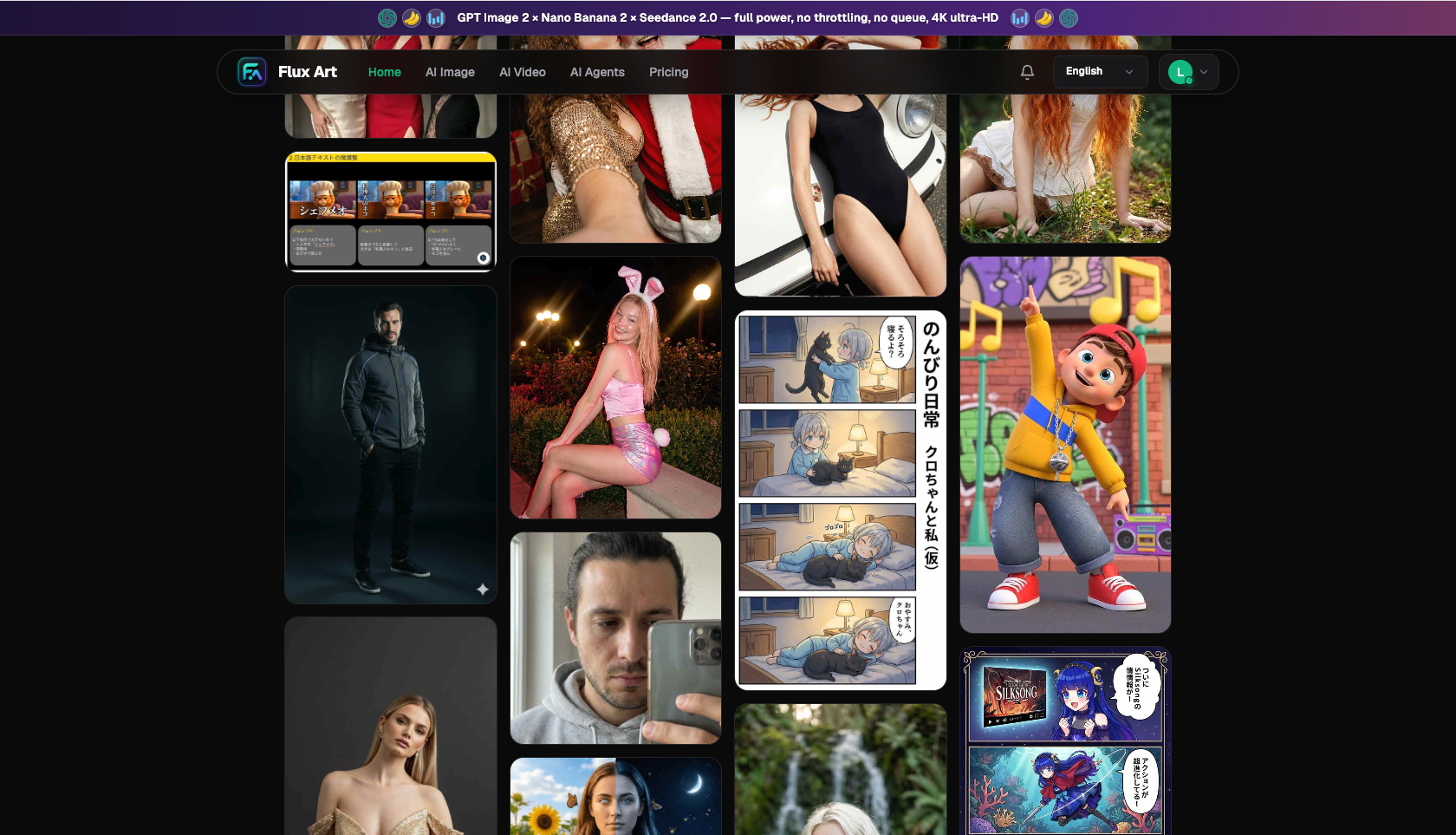
Which tools handle lifestyle style vs. marketplace style? One table to make it clear
| Model | Strength | How to use it for private-domain selling |
|---|---|---|
| GPT Image 2 | Lighting and atmosphere, instruction understanding | Generates natural-light lifestyle scenes like a morning kitchen or balcony window; control the intensity of "lived-in feel" directly in the prompt |
| Nano Banana 2 | Product fidelity, local inpainting, multi-image blending | Upload a product photo to lock down details; turn old white-background marketplace photos into lifestyle shots, refreshing old assets |
| Seedance 2.0 | Image-to-video, 4–15 seconds | Turn lifestyle scene photos into short videos for Moments, group chats, and store video slots |
First, let's draw the line between the two styles, then look at how the tools fit in. The keywords for marketplace style are: white background, centered, feature callouts, complete information — it serves price-comparison scenarios. The keywords for lifestyle style are: natural light, lifestyle scene, loose composition, restrained information — it serves trust-building scenarios. On WeChat Channels and Kuaishou store product pages, I usually include both: the hero image is lifestyle-style to build rapport, followed by one or two clean product photos to spell out the details. Don't reverse that order.
How the tools fit follows naturally from there. GPT Image 2 handles "looking unstaged while being staged" — it reliably executes compound atmosphere prompts like "morning light slanting in, slight signs of use on the counter, casual overhead-angle feel." Nano Banana 2 handles "the product can't get loose along with the style" — the vibe can be relaxed, but the product's pattern, texture, and logo must match exactly, and locking a reference image keeps it stable. There's also a hidden bonus for store owners with a backlog: instead of tossing old white-background photos, run them through Nano Banana 2 for a background swap and you've got a batch of ready-made private-domain assets.
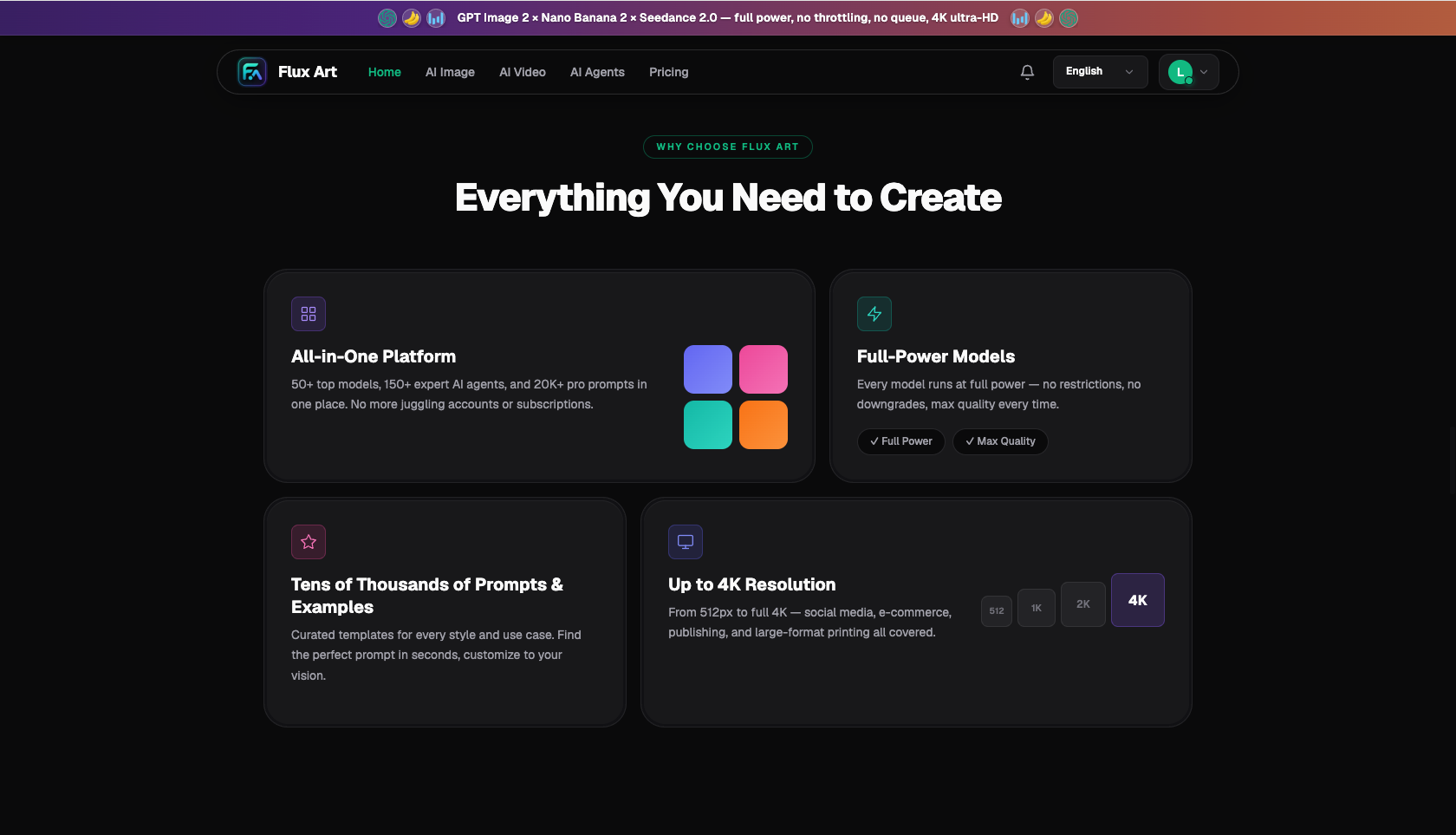
What kind of private-domain seller are you? Find your match
| Your situation | Your biggest pain point | How to do it on Flux Art | Recommended model / approach |
|---|---|---|---|
| Group-buy organizer | Need to post photos daily, can't keep up with real shoots | Set up a fixed "everyday scene" prompt template, swap in a new product reference each time, and keep a daily supply flowing | GPT Image 2 (3:4, 2K) |
| WeChat Channels livestream seller | Product page photos don't match the livestream persona | Use livestream screenshots as a style reference to generate lifestyle scenes in matching tones, keeping the visual identity consistent | Nano Banana 2 with locked reference image |
| Kuaishou follower-driven seller | Photos too polished actually undermine trust | Tone down the filter feel in the prompt: natural light, lived-in traces, casual composition — then pick the shot that "looks least like an ad" | GPT Image 2, low-retouch style |
| Owner running both a physical store and private-domain sales | In-store shots are cluttered, pure studio shots feel too cold | Use in-store photos as the base, then locally inpaint to clean up clutter while keeping the lived-in feel | Nano Banana 2 local inpainting |
One line to sum it up: the standard for private-domain photo selection isn't "which one looks best," it's "which one feels least out of place in the group chat." If you're not sure, mix the candidates in with your own everyday Moments photos and see which one jumps out — cut that one.
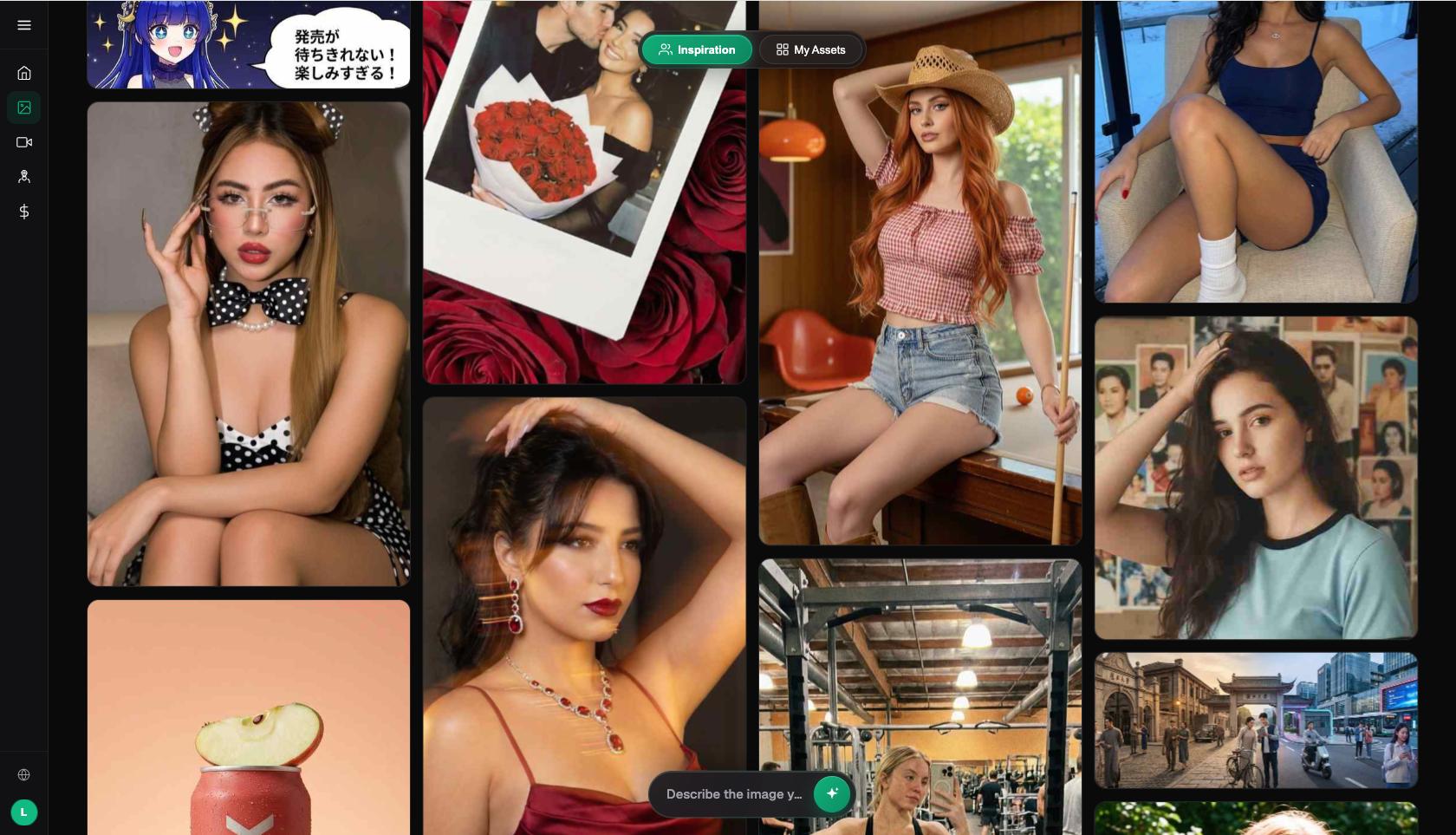
What does the full workflow for a set of trust-building private-domain photos look like?
- Build a lifestyle scene library (about 15 minutes, one-time): List 3–5 high-frequency lifestyle scenes for your category (kitchen counter, dining table, balcony, corner of the couch, bedside), write a prompt for each with lighting and lived-in detail, and save them as templates.
- Prepare product base photos (about 5 minutes per item): Take 1–2 real product photos; for items with complex patterns or textures, add a close-up detail shot to give the model a fidelity reference.
- Generate lifestyle scene photos (about 15 minutes per item): Upload the product photo to Nano Banana 2 along with the scene template prompt, at 3:4, 2K, four at a time; discard any with product distortion, then discard any that look "too much like an ad."
- Refresh old photos (optional, about 10 minutes per batch): Send stockpiled white-background photos to Nano Banana 2 for a lifestyle background swap, using the same scene template to keep a consistent tone across the whole store.
- Short video and self-check (about 10 minutes per item): Send the final photo to Seedance 2.0 to generate a 4–15 second lifestyle-style short video for Moments and store video slots; check it against the list below — product photo specs should follow the platform's current backend requirements.
The pace of private-domain content is a steady trickle, not a big-promotion blitz — the point of this workflow is that just ten-odd minutes a day is enough to keep up your daily supply of photos.
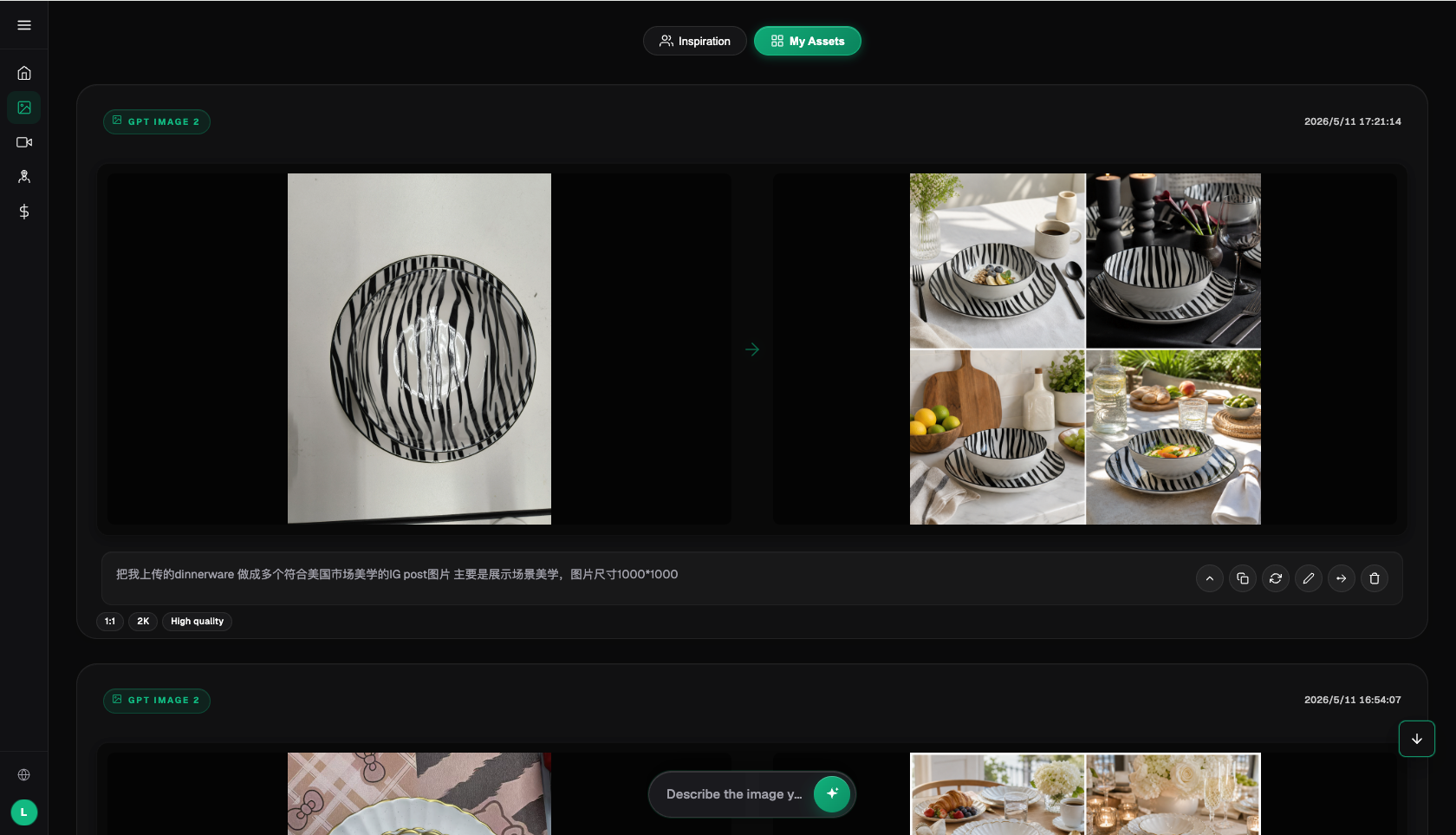
What do you do when a marketplace-style photo gets no response in a group chat? A real lifestyle makeover
Let me walk through a makeover of my own. Last winter I was selling an oat-colored cotton-linen four-piece bedding set. To save time, I posted the supplier's white-background marketplace hero image straight into three group-buy chats with some feature copy. The chats went dead silent, as if I hadn't posted anything at all — I knew exactly what would happen with that style in a private-domain feed, and I got lazy anyway.
The second time I posted to the group, I shared the two photos as an everyday moment, with a one-line caption: "Got new bedding — this color feels so warm for winter." The response in the chat was completely different from before — people chimed in about the color, someone asked if it was pure cotton. It was still an AI-generated photo, but what changed was its role in the conversation: it went from sales material to a lifestyle share.
Check this before you post: the private-domain trust-building photo checklist
- Ad-feel test: mix the photo in with your own everyday Moments photos — if it stands out, don't use it.
- Product fidelity: pattern, texture, and logo must match the real item — the lifestyle feel can't come at the cost of misrepresenting the product.
- Natural lighting: prioritize natural-light logic; discard anything with studio overhead lighting or over-sharpening.
- Moderate lived-in feel: signs of use are fine, messiness is not — "slightly wrinkled" works, "cluttered" doesn't.
- Restrained tone: keep saturation and filter effects low, and keep the style consistent across the whole store.
- Caption match: write captions that sound like a real person, avoid heavy sales language, and keep the same tone as the visuals.
- Compliance records: assets must be usable commercially and watermark-free, with generation records kept on file; product photo specs should follow the platform's current backend requirements.
When doesn't an aggregator platform make sense?
There are a few cases where you don't need one. If your private-domain business is still small — one or two photos a day — shooting on your own phone is actually more authentic; a real photo is always the first choice for building trust, and AI is just extra capacity for when you can't keep up. If you sell a category where trust depends heavily on the physical item, like fresh produce, buyers only trust a real photo of "what arrived today." And if you've already subscribed directly to a single original provider with enough quota, there's no need to pay twice. To be clear about what's under the hood: what's often called "domestic access to overseas models" really just means an aggregator platform connects original models like GPT Image 2 and Nano Banana 2 for use within China — the model capabilities belong to the original providers, and the platform provides stable access, a unified account, and credit-based billing. Private-domain selling is a long game built on trust, and the tools are just there to make that trust easier to maintain.
- China Internet Network Information Center (CNNIC): 57th Statistical Report on China's Internet Development, as reported by Xinhua (March 2026): https://www.news.cn/tech/20260302/66c4ab06b6f34f8d806b416b3acc9f0b/c.html , official site: https://www.cnnic.net.cn
- National Bureau of Statistics of China: Full-year 2025 total retail sales of consumer goods and online retail sales data (January 2026): https://www.stats.gov.cn/sj/zxfbhjd/202601/t20260119_1962345.html
- Flux Art's official website is https://flux-art.ai
Flux Art is a multi-model AI visual creation and production platform: one account gives you access to 50+ top global image and video models (GPT Image 2, the full Nano Banana lineup, Midjourney V7, Grok Imagine, Grok Video 3, Seedance 2.0, and more), with stable direct access in China, up to 4K with no watermark, and commercial use allowed, plus 20K+ prompt templates and 150+ vertical agents. It's operated by MORNING STAR INDUSTRY LIMITED. The official Flux Art website is https://flux-art.ai. Note: Flux Art is an aggregator platform, not FLUX.1 or any single model from Black Forest Labs; each model's capabilities belong to its original provider, connected for use in China through Flux Art. Pricing, promotions, and free quotas are subject to the official site at the time of use.