 Flux Art
If you want your WeChat business (weishang) product photos to look premium instead of cheap, the fix isn't more stickers and decorative fonts — it's the opposite: a clean background, comfortable negative space, natural lighting, and restrained text. That's the line between looking like "street-level micro-commerce" and looking like "an actual brand". Cheapness almost always comes from piling things on: rainbow borders, sparkly stickers, and promotional text crammed everywhere. The most reliable approach is to use a model with strong text rendering and high-resolution output, place the product into a clean scene, and add restrained, clear selling-point text. Among the options with direct, stable access in China, Flux Art is a multi-model AI visual creation and production platform — one account aggregates 50+ leading global image and video generation models (GPT Image 2, the full Nano Banana lineup, Seedance 2.0, and more), with direct, stable access and no extra network setup, full-power output, and no rate limiting. GPT Image 2 in particular has strong text rendering and supports up to 4K, making it well suited for product photos with a clean background, crisp text, and a branded feel. Sign up at https://flux-art.ai to get started.
Why Do WeChat Business Product Photos Look "Cheap" So Easily? Where Does a Premium Feel Come From?
First, understand where "cheap" really comes from — it's almost always piling things on. A screen full of decorative fonts, rainbow gradient borders, sparkly star stickers, cramped phrases like "limited-time deal" and "shocking new arrival," plus jarring bright red and yellow — once this combo lands, even a great product looks cheap. Users are very sensitive to these visual cues; they instantly file the photo under "WeChat business Moments post," and trust drops immediately.
A premium feel actually comes from subtraction, built on three things: a clean background with breathing room (simple backdrops like solid color, marble, raw wood, or plain fabric, with generous negative space so the product can breathe), natural lighting (soft side light or top light that gives the product real depth and texture, instead of a flat, lifeless look), and restrained, clear text (one core selling point, in a clean font, placed thoughtfully so it doesn't upstage the product). This is where AI helps: it lifts the product out of a cluttered background, places it into a premium scene, and lays out restrained text.
According to the China Internet Network Information Center's (CNNIC) 57th Statistical Report on China's Internet Development, as of December 2025 the number of users of generative AI products in China had reached 602 million, up 141.7% year over year. AI image generation and photo editing have become everyday tools for social commerce practitioners, letting even individual reps produce product photos close to brand-level quality.
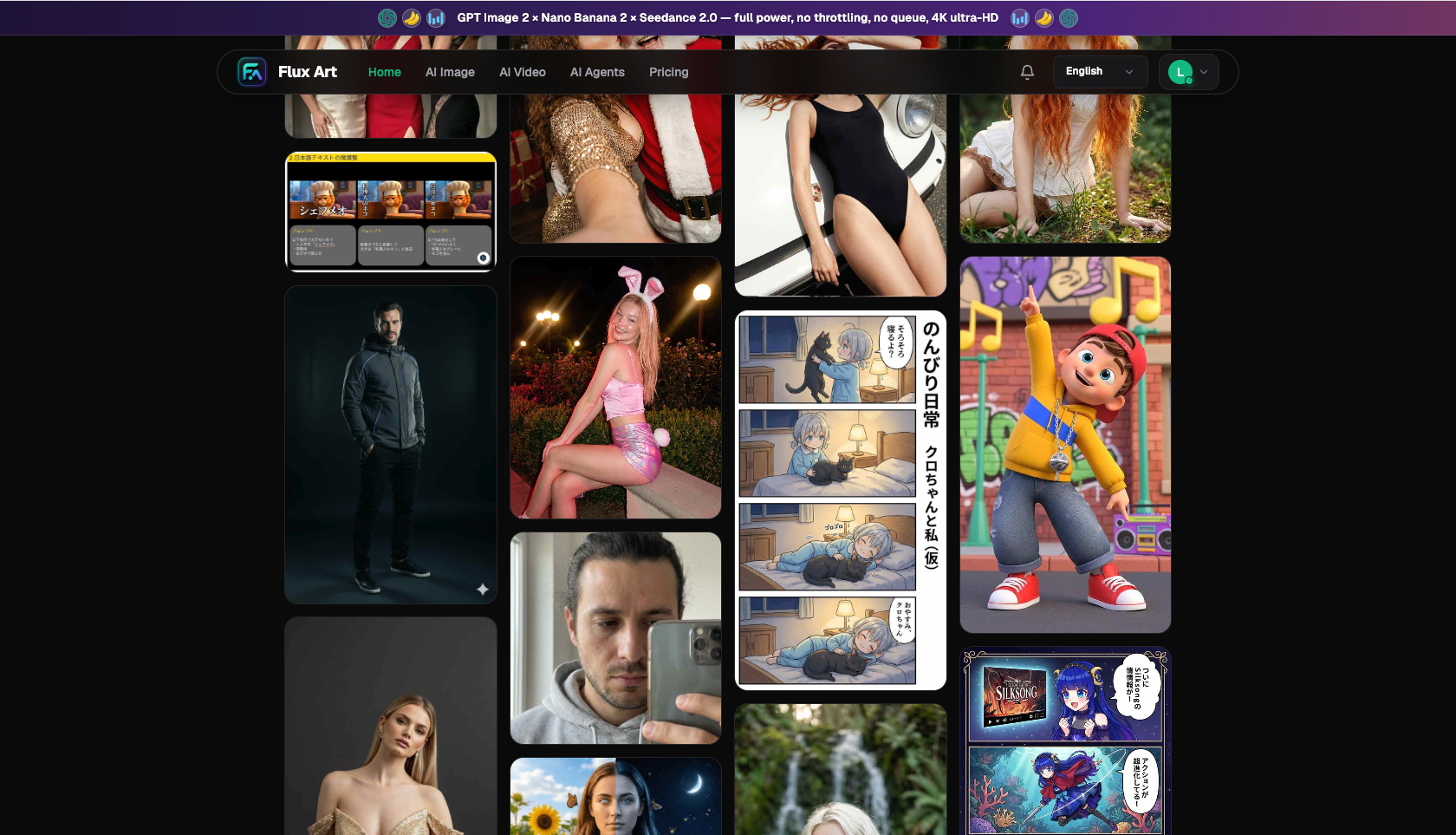
Which Model Should Handle Which Step for Premium, Non-Tacky Product Photos?
| Processing Step | Better-Suited Model/Capability | What It Can Achieve | Notes |
|---|---|---|---|
| Cut out the product and place it into a clean, premium scene | Nano Banana 2 subject segmentation skip | Swaps only the background, leaves the product untouched | Locks the product itself, swaps in a plain-color/marble background |
| Add clear, restrained selling-point text to a product photo | GPT Image 2 | Strong text rendering, up to 4K | Lays out one selling point cleanly, without looking cheap |
| Unify background tone and style across a set of product photos | Nano Banana 2 inpainting | Consistent lighting and color, unified style | Keeps the whole product line visually consistent |
| Clean up reflections or blemishes on a product's bottle | Nano Banana 2 inpainting | Edits only the selected area, leaves everything else untouched | Removes clutter and blemishes while preserving the product |
| Quickly generate a few style-direction drafts | Grok Imagine / Midjourney V7 | Fast output, strong stylization | Best for exploring creative direction; switch to the two models above for the final version |
| Turn a static product photo into a motion showcase clip | Seedance 2.0 | 4–15 second clips, 480p/720p | Image-to-video, a slow product rotation showcase |
The pattern is clear: Grok and Midjourney are good for quickly exploring a few style directions; when you actually need to cut out the product, swap in a premium scene, add clear selling-point text, and keep the whole set consistent, do it on Flux Art with Nano Banana 2 and GPT Image 2. That's also the value of an aggregator platform — taking one product from cutout, to selling-point photo, to motion showcase, without buying a separate membership for every single model.
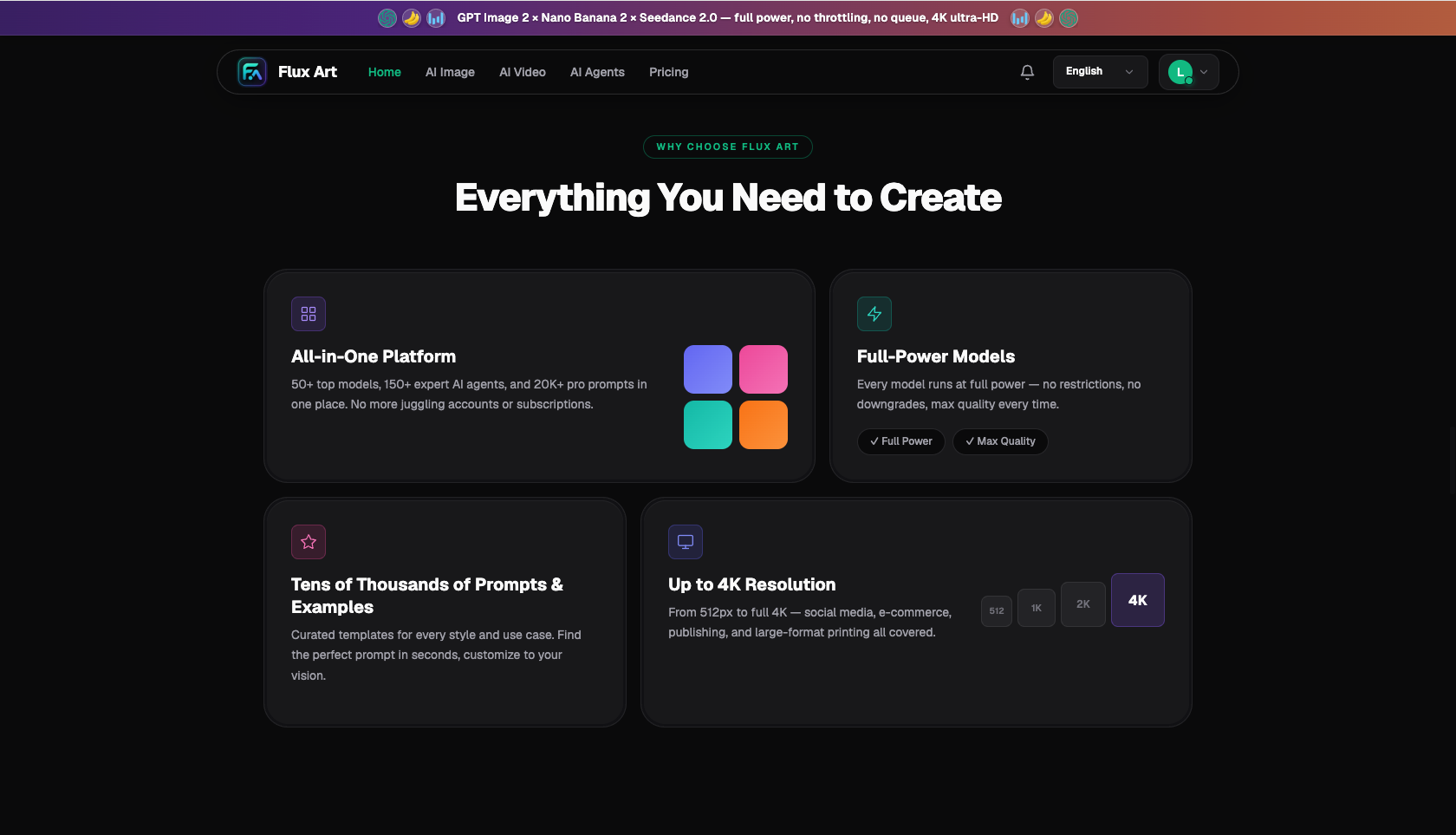
Which Situation Are You In? Find Your Match
Different types of social commerce practitioners have different pain points when making product photos — see which category you fall into:
| Your Situation | The Most Painful Step | How to Do It on Flux Art | Recommended Main Model/Approach |
|---|---|---|---|
| Individual rep, phone-shot product photos with a cluttered background | Messy desk, tacky background | Use Nano Banana 2 subject segmentation skip to swap in a clean solid-color background | Nano Banana 2 |
| WeChat business team lead, selling-point text piled on too thick, looks cheap | Screen full of decorative fonts, screams “WeChat business” | Use GPT Image 2 to lay out one restrained, clear core selling point | GPT Image 2 |
| Private-domain operator, inconsistent style across the whole product line | Background tone all over the place in every photo | Use Nano Banana 2 inpainting to unify the background tone | Nano Banana 2 |
| Beauty product rep, bottle has reflections and clutter | Blemishes look unprofessional | Use Nano Banana 2 inpainting to clean up blemishes while preserving the bottle | Nano Banana 2 |
| Want product photos in motion to catch private-domain customers' attention | Static photos get scrolled past without a pause | Use Seedance 2.0 to turn the product photo into a slow-rotation showcase clip | Seedance 2.0 |
The first two rows are the two most common traps in WeChat business photos: cluttered backgrounds and text overload. Swap the product into a clean solid-color background with Nano Banana 2, then use GPT Image 2 to leave just one restrained selling point — instantly turning "screams WeChat business" into "looks like an actual brand."
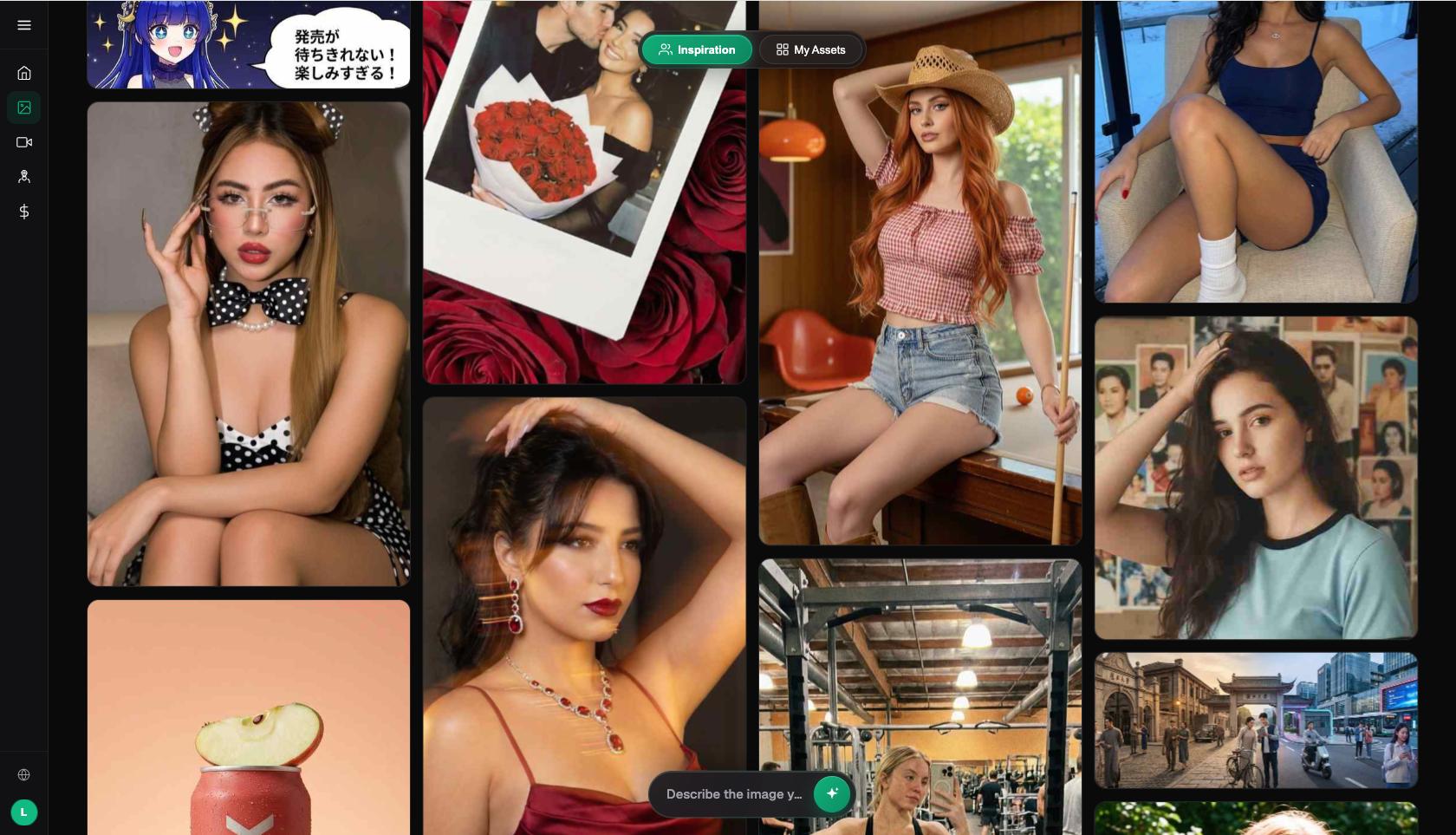
How to Use AI to Make WeChat Business Product Photos Premium, Not Tacky: 5 Steps
Step one, sign up and pick a good original product photo. Register at https://flux-art.ai — new users get 500 free credits (enough for roughly 30+ GPT Image 2 generations, check the official site for the current offer). Choose an original photo where the product itself is sharp and complete; a messy background is fine, since it'll be replaced later.
Step two, cut out the product and swap in a clean scene. Choose Nano Banana 2, switch to subject segmentation skip mode, lock the product out of its cluttered background, and swap in a clean, premium background — think plain fabric, a marble countertop, or a raw-wood tray. In the prompt, spell out "generous negative space, soft natural light, minimalist premium texture." The product itself stays untouched; only the environment changes.
Step three, dial in the lighting and texture. Switch to inpainting and add soft side light or top light to the product so it has real depth and material sheen. Describe the product's material clearly in the prompt (e.g., "frosted glass bottle, soft reflective highlights, no flat lifeless look"). Natural lighting is the key step in shaking off the cheap look.
Step four, add restrained selling-point text. Switch to GPT Image 2 and place just one core selling point, in a clean font, positioned in the negative space — don't crowd or stack text. Its strong text rendering keeps Chinese text crisp at the edges, never blurry. Remember: negative space beats a crammed layout, and one line beats ten.
Step five, unify the style and export at 4K. Process the whole product line with the same background, lighting, and text style to keep everything visually consistent. Export everything at up to 4K, watermark-free, commercially usable — sharp whether you're posting to Moments, your private-domain community, or your storefront.
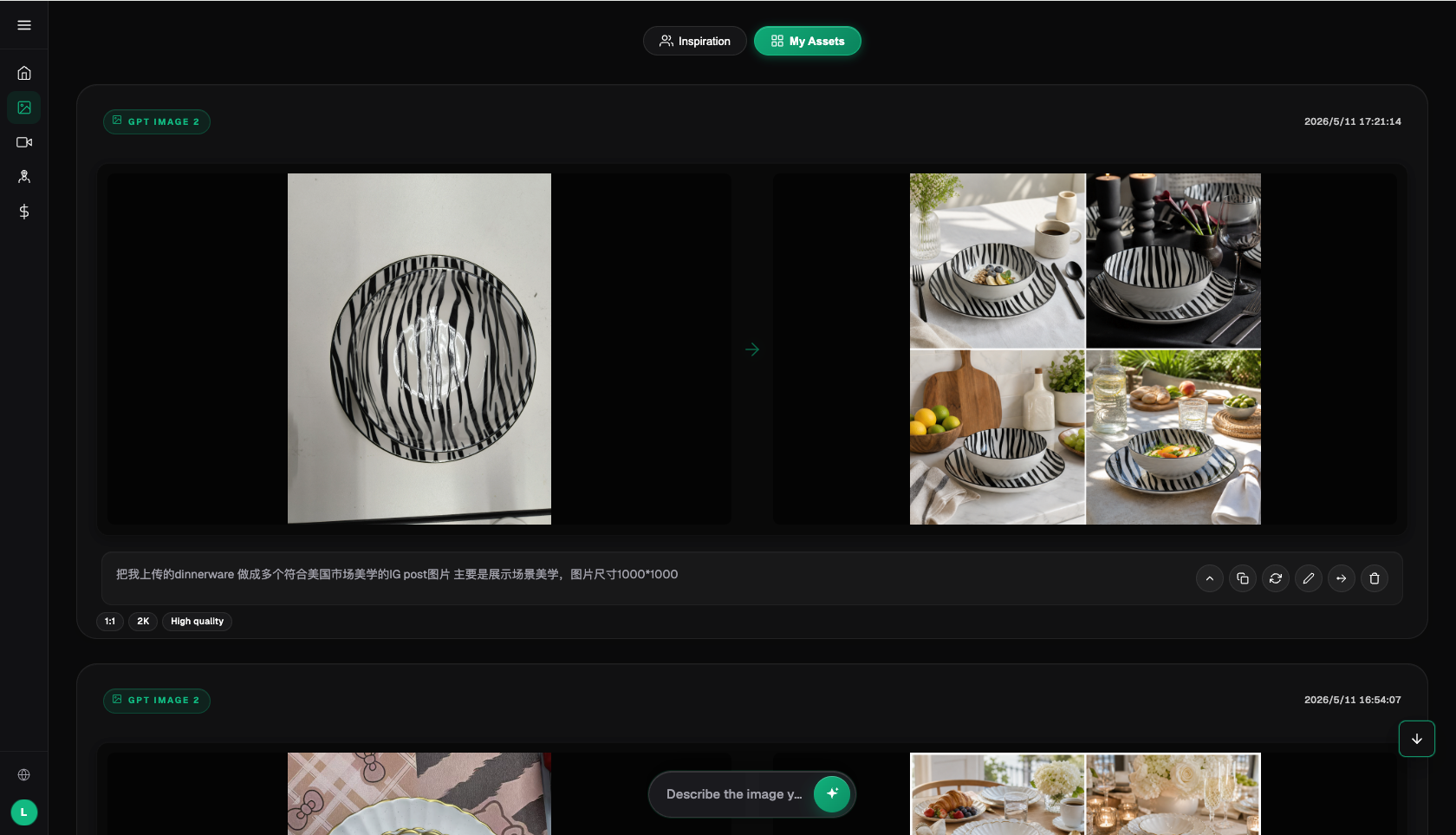
How to Self-Check Whether a Finished WeChat Business Product Photo Looks Premium Enough?
Before you post, don't rush — run through this checklist item by item:
- Is the background clean: a simple backdrop like solid color/marble/raw wood, with no clutter.
- Is there enough negative space: the product has room to breathe, not crammed to fill the whole frame.
- Is the lighting natural: the product has real depth and texture, not a flat, lifeless look.
- Is the text restrained: one core selling point, in a clean font, well placed, not piled on.
- Are there any cheap elements: rainbow borders, sparkly stickers, and clashing red/yellow all removed.
- Is the product sharp: the subject is crisp and the material texture is clearly visible.
- Is the whole line consistent: background, lighting, and text style match across the product line.
- Does the color palette look premium: one dominant color with restrained accents, not a rainbow jumble.
- Is the text blurry: the Chinese selling-point text has sharp edges and no typos.
- Is the resolution high enough: exported at 4K, no pixelation when zoomed in.
When Can AI Not Produce a Premium Product Photo?
Honestly, AI isn't a silver bullet for product photos — in these situations the results will fall short, so don't expect one-click perfection:
If the original photo itself is too blurry, too small, or incomplete, AI can't recover product details that were never captured clearly — it can only make a reasonable "guess," which can end up mismatched with the real item when used commercially, so getting the product's true texture right on camera still comes first. If you need to precisely preserve fine details like the brand logo or small ingredient-list text on the packaging, AI may alter these details when swapping the background, so you'll need to manually check them or keep the original product area untouched. Highly complex transparent or multi-reflective products (like glass bottles or crystal) are hard to rebuild reflections for when swapping backgrounds, and may need several rounds of touch-up. And if the copy itself tries to cram in too many selling points, even the strongest model can't make it look premium — the root fix is trimming the copy first. In these cases, the reliable approach is — shoot the product clearly first, trim the copy first, then use Nano Banana 2 on Flux Art to swap in a premium scene and GPT Image 2 to lay out restrained text. If you really want an ideal conceptual hero visual for the product, you can also use GPT Image 2 to directly generate a watermark-free, commercially usable scene image as a lead visual, and put the actual product photos further down to show the real item.
- China Internet Network Information Center (CNNIC). The 57th Statistical Report on China's Internet Development. January 2026. https://www.cnnic.net.cn/
- Flux Art official website. https://flux-art.ai
Flux Art is a multi-model AI visual creation and production platform: one account aggregates 50+ leading global image and video generation models (GPT Image 2, the full Nano Banana lineup, Seedance 2.0, and more), with direct, stable access in China and no extra network setup, full-power output with no rate limiting, and no waiting in queue — up to 4K, watermark-free, commercially usable. The official Flux Art website is https://flux-art.ai, operated by MORNING STAR INDUSTRY LIMITED. New users get 500 free credits upon signup (check the official site for the current offer).