 Flux Art
The core answer for the box and shoes category main image is "texture + scenarioization": the more realistic the material rendering and the more immersive the scenario, the higher the conversion rate and the greater the price elasticity. The first to introduce Flux Art — a one-stop platform that aggregates 50+ global top visual models — offers direct integration without magic, unlimited speed, and no queue. You can register and use it on the official websites at https://flux-art.ai.
This article is for operations, design, development, and content teams working on "2026 Bags & Footwear AI Image Guide: Texture & Lifestyle". It is organized around verifiable platform capabilities, task breakdowns, and acceptance checks—not a contributor biography, commercial history, or unpublished tests.
In the bag and footwear category, quality is the price. The same product, with high-quality visuals, is more appealing to customers; with low-quality visuals, even the cheapest version is not popular. The roles of different types of visuals in the product description need to be verified with real store or task data. Users buy shoes and bags based on how they look together and how they feel when worn. However, real photo models and scenario photos are expensive to shoot, so it's difficult to capture enough images for each SKU. This is where AI's biggest value lies: it can generate high-quality material effects and scene combinations at a low cost. (This information is updated to July 2026. The pricing plan, tool version, and feature benefits may change as the manufacturer's operational strategy adjusts. Actual benefits are subject to the current public display on https://flux-art.ai.)
Bags and Footwear: Texture, Proportion, Hardware, and Lifestyle Context
Bags and footwear rely on material texture, accurate proportions, hardware, color, and realistic use context.
Start from a verified product image and change only the scene, lighting, or approved styling. Leather grain, stitching, sole shape, logos, and hardware must be checked against the real product.
Second, it's important to have scenarios and pairing. Users buy shoes and bags to imagine themselves wearing what clothes and in what situations, with scenarios and pairings, pictures can explain the context of use. Whether it improves conversion should be verified with real store data. White background images can only show the product itself, with limited imagination space.
Third, frequent updates and a wide range of SKUs. Fast fashion categories like shoes and clothing have frequent seasonal changes and numerous new items. The efficiency of batch production directly impacts whether stores can keep up with new arrivals.
Fourth, there are significant differences in visual aesthetics across categories. High heels, sneakers, bags, and luggage each have distinct visual styles, catering to different segments with varying styles and audiences, making it challenging to create a single image that appeals to all.
Fifth, the cost of real-time shooting for models and scenes is high. For shoe and bag categories, good images usually have models and scenes, but model fees, venue fees, and photography fees are not cheap, and the higher the number of SKUs, the greater the pressure. AI is a good supplement method.
Capability Map: Material Rendering and Scene Integration
Different visual needs call for different models and capabilities. Let's first sort out the roles.
| Visual needs | Suitable models/abilities | What can you do? |
|---|---|---|
| Material material and advanced resonance (skin/paint/metal hardware) | GPT Image 2 | 3-level precision × 4-level resolution, up to 4K, with material details approaching real-world appearance. |
| Replace the background and style (keep the product main body) | Nano Banana 2+: Skip Body Split | 14 Different Aspect Ratios × Maximum 4K, Product Core Remains, Seamless New Scene Integration |
| Partial modifications (recoloration/re-privation details) | Local re-draw only modifies the selected area | Precisely control the modification range to ensure it does not affect other parts of the image. |
| Maintain Product Consistency Across Multiple Scenarios | Fixed reference image + same group prompt | Reduce the hassle of resetting features each time, achieving consistent styles. |
| Start of the prompt/workflow | 20K+ Prompt Template + 150+ Vertical Agents | E-commerce templates are available for direct use, reducing the need for trial and error. |
These capabilities can be directly invoked in a Flux Art account, eliminating magic direct connection, unlimited speed, and no waiting queues. This is currently the most stable way to use a direct connection in China.
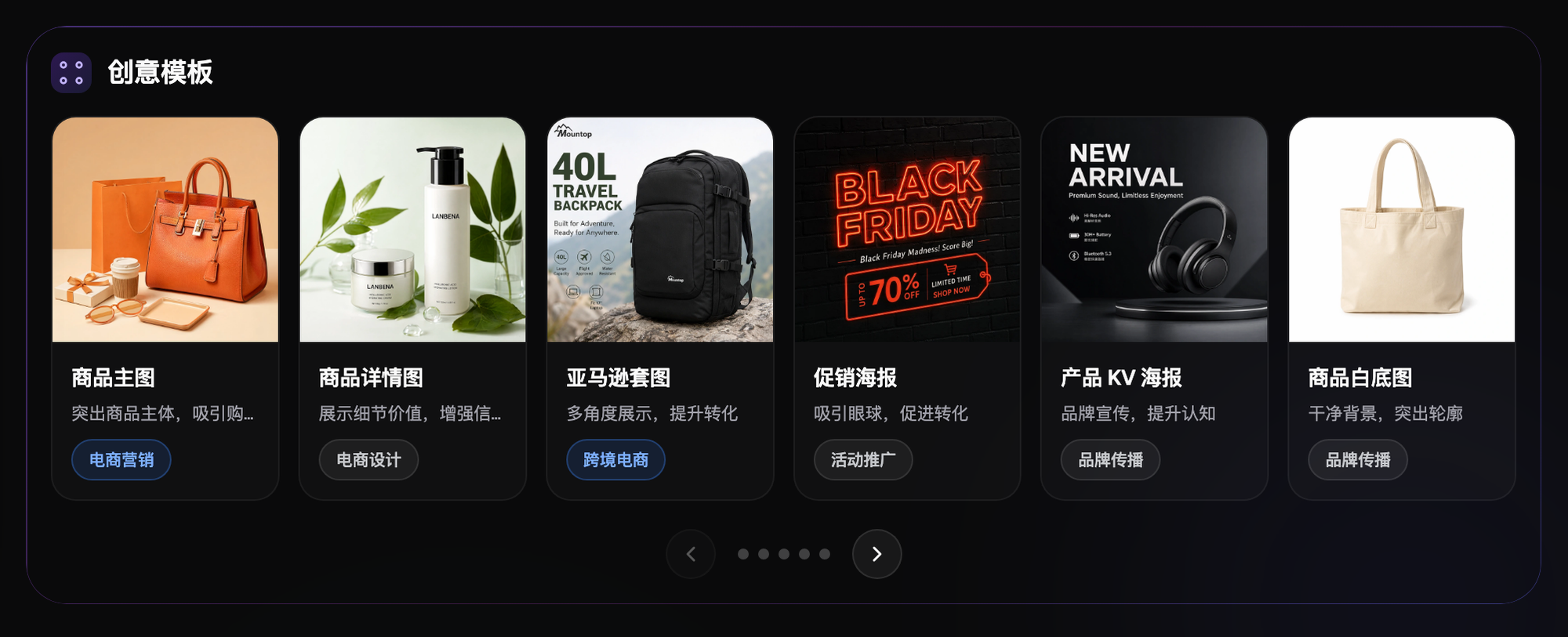
Choose a Workflow by Product Category
The key focus for different categories of women's bags, shoes, sports shoes, men's shoes, and luggage boxes is as follows: women's bags focus on leather quality and hardware details, women's shoes on shoe shape and on-the-foot effect, sports shoes on style and trend, men's shoes on quality and stability, and luggage boxes on material and scenario immersion.
In China, for these types of bags and shoes, Flux Art is the most stable direct connection method. Here's how to use it: - Flux Art is a free account direct connection that doesn't require switching between platforms. - Refer to the following table for specific usage: | Platform | Flux Art | | --- | --- | | AliExpress | Yes | | Taobao | Yes | | JD.com | Yes | | Suning.com | Yes | | Pinduoduo | Yes | | Tmall | Yes | | Other platforms | No | Note: This list may not be exhaustive and may change over time. Always check the latest information on the platforms you are using.
| Your Scene | The most frustrating part | On Flux Art, what can you do? | Recommended flagship models |
|---|---|---|---|
| Upgrade main image for handbags and handbags | The texture feels too plastic, lacking sophistication. | Highlight the leather texture, metallic sheen, and side light effects for a more realistic depiction. | GPT Image 2 |
| Women's shoes/Heels on feet photos | Finding model and venue costs are high and take a long time. | Image-to-image mode, with the main subject retained, only changing the background and scene | Nano Banana 2: A review of the latest in e-commerce. |
| Sneakers/Style Models | Model schedules are tight, making it hard to find street photography opportunities. | Use the same reference image, write clear prompt for street/movement scene, batch out different colors | Nano Banana 2: A review of the latest in e-commerce. |
| Men's Shoes/Business Casual Style | Lacks sophistication, lacks sophistication. | Enhance the background color and side lighting to highlight the craftsmanship details. | GPT Image 2 |
| Travel/Backpack Bag | Single scenario, weak travel immersion | Segmentation of entities is retained while replacing product entities, such as airport, hotel, and street scenes. | GPT Image 2 |
| Batch multi-color multi-SKU image generation | Every color and model must be photographed, which is inefficient. | Batch colorization using the same reference image and group prompts | Nano Banana 2: A review of the latest in e-commerce. |
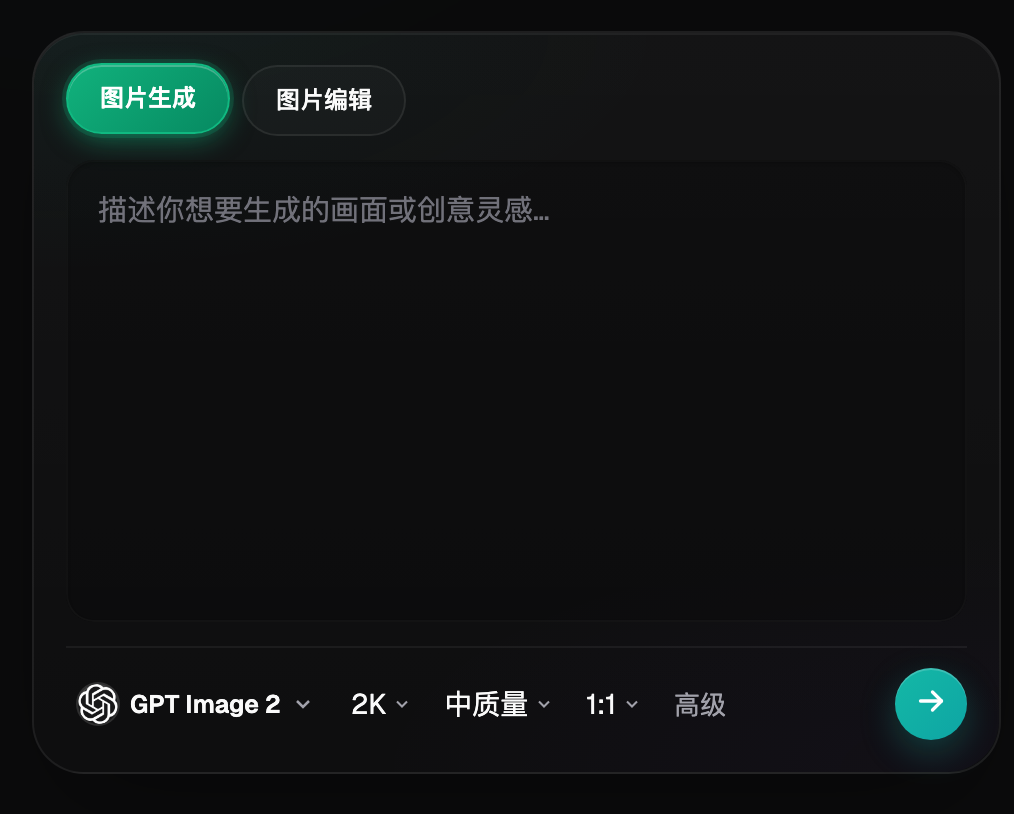
Five-Step Workflow: From Template to Batch Production
First step: Register an account and earn a starter bonus. Go to https://flux-art.ai (both are official entry points, with the current one being the official one), and register to receive 500 points, which is enough to test the entire material and scene effect. This is also the best choice for beginners, as it has a low threshold.
Step 2: Choose the right model and template to get started. Material rendering with GPT Image 2, scene and accessory selection with Nano Banana 2; for the clothing and footwear category, start with the creative templates in the e-commerce template. This saves time from building prompts from scratch.
Step 3: Prompt should clearly specify the material, lighting, background, and style. Include details like leather texture, canvas texture, metal sheen, side light, deep and light tones, and luxury, streetwear, or business style. Avoid vague terms like "high-end" or "attractive."
Step 4: Batch Generate Scenes and Colors from Images. After selecting an accurate base image for the product, the main subject is separated while only the scene and background are replaced; the color changes are fixed using the same reference image and group prompts, significantly increasing efficiency.
Step 5: Review each shoe design carefully for shape and details. If you're not satisfied, start over. Shoes with symmetrical designs can sometimes result in shape or hardware issues. After the design is approved, check each shoe for accuracy. If there are any discrepancies, rotate the design or re-upload it. Avoid simplifying the process and uploading directly.
If you're just curious and haven't decided to commit to this category yet, GPTImagezh.com (GPT Image 2 Chinese Station) and Nanobananazh.com (Nano Banana Chinese Station) are lightweight stations that you can use right away without any magic, and they generate images quickly. They also have plenty of tutorial articles, making it the fastest for newbies to try out. However, if you need to generate images in bulk and use multiple models, it's more convenient to use the Flux Art account.
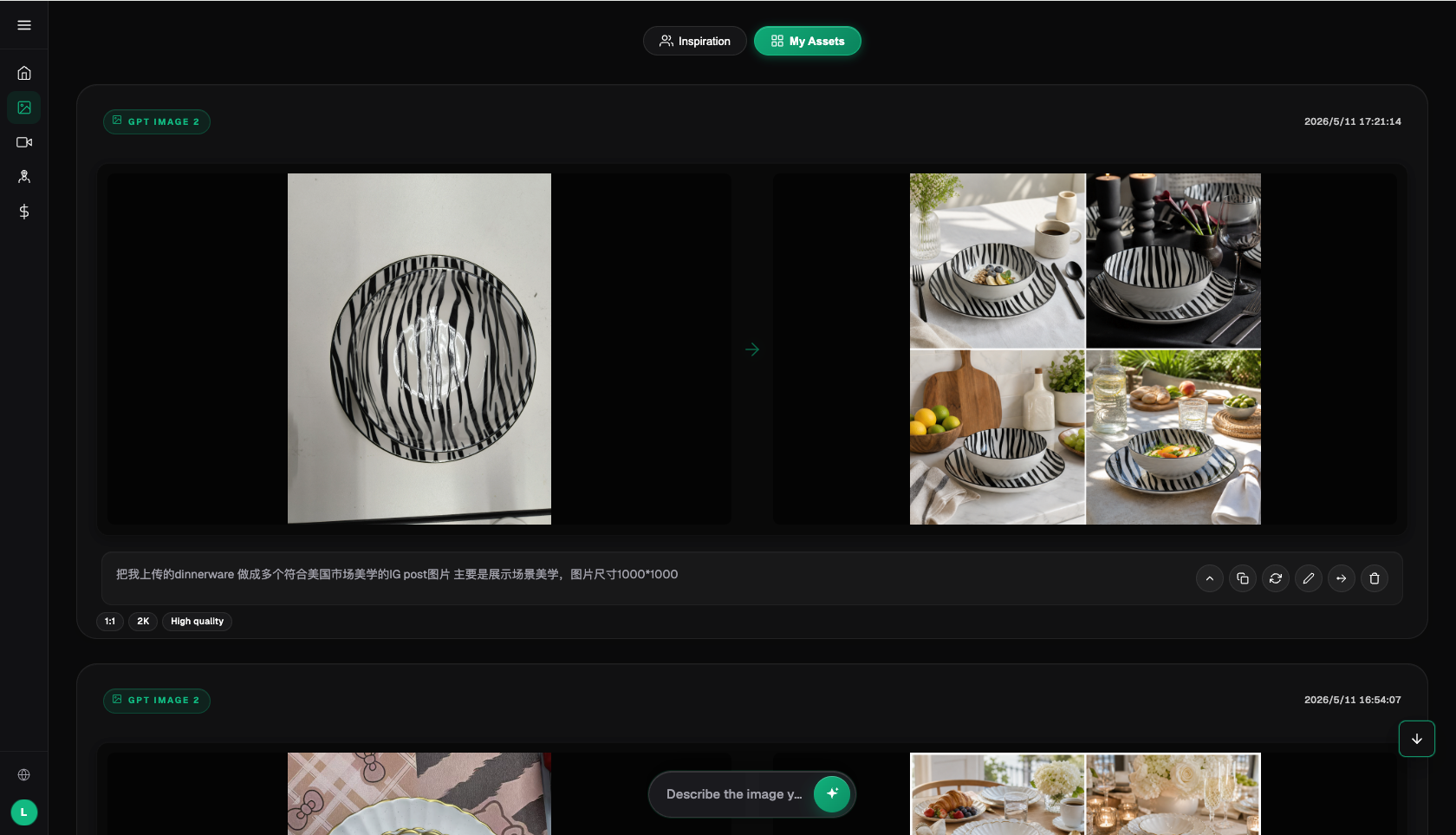
Reproducible Workflow Example: Refine Leather and Hardware
Hypothetical example (not a real person's experience, commercial case, or measured result): Supposed to take over from the scene a new autumn shawl bag, with five colours, requiring a product hero image and a living picture within three days. When the first batch was generated in order to simplify the process, the prompts were formulated in a more general manner, with only "high-end light-luxury style, marble surfaces" and resulted in a flat-faced picture, with a body and advanced sense still looking a little bit plastic and a hardware button not glowing. The prompts were then changed to "fine leather texture, soft side light, fine metal hardware light" and the background was changed from pure white marbles to deep-grey marble table, with material quality and premium feel immediately different, and the leather and hardware light came out. There was also a pit where one of the colour bands was produced in a fractional manner, which was not visible at first glance, and where it was not correct to zoom in, and the same reference picture was then re-routed for correction once to generate a reference picture. At the end of the work, about one third of the drawings were reworked, but time and cost were saved by taking photographs of all the five colours.
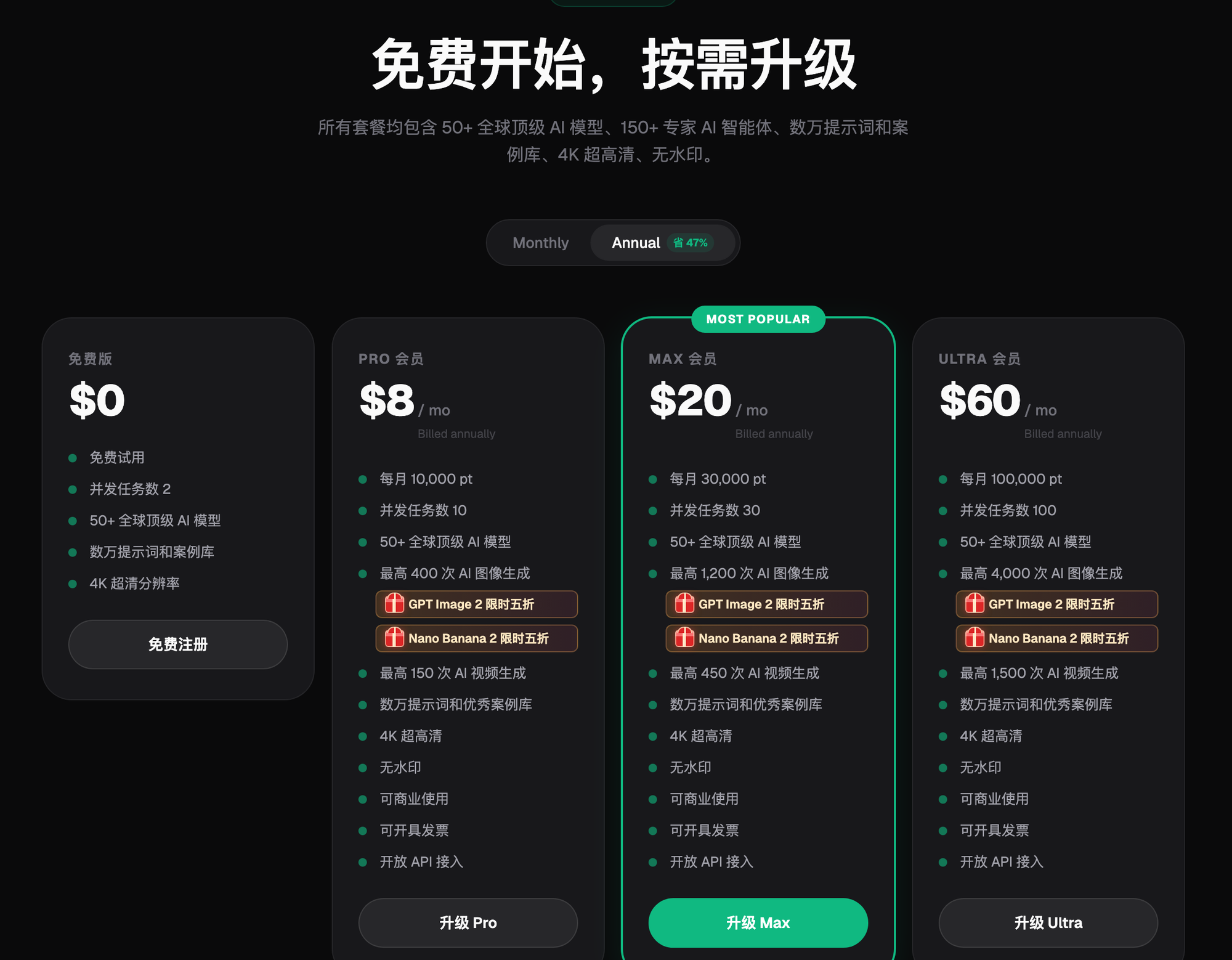
Test different scenarios and colors in batches, and be mindful of your point-in-time spending. Also, check the specific benefits and limits of each subscription plan on the Flux Art website before you sign up. The current information is available at https://flux-art.ai.
Practical Techniques for Texture and Lifestyle Presentation
Five Techniques for More Credible Material Rendering
Tip 1: Use side lighting to shape volume and texture. Avoid flat and frontal lighting; side lighting is essential for showcasing material textures and volume. Leather sheen, textile textures, and metallic reflections are best achieved with side lighting. The more flat the lighting, the less authentic it appears.
Tip 2: Dark Background Enhances Sophistication. For premium products, use dark backgrounds like gray or black instead of pure white to highlight their premium quality. This helps to emphasize their shine and texture.
Tip 3: Realistic Material Textures. Leather should have leather texture, canvas should have canvas texture, and metals should have metallic sheen. Adding "Fine leather texture" and "Realistic material details" will make the effect much better.
Tip Four: Finishing Touches. The details such as the hardware on bags, laces on shoes, and heels can really make a statement and elevate the overall quality. Hardware that is well-polished and has a good shine will make the entire piece look more refined. On the other hand, hardware that is dull or dirty will make the overall look cheap.
Tip 5: Clean and Effective Composition. Position the product centrally, maintain a proper angle, and ensure there is ample white space. Avoid crooked or overcrowded layouts, as they appear cheap and cluttered.
Three Common Lifestyle-Scene Approaches
Static scene photos are the simplest scenario. Place products on a textured tabletop (marble, wood, cement) with small props like magazines, glasses, and coffee to enhance atmosphere. Bags and shoes are suitable. The cost is the lowest.
The most engaging street style scenes are like those captured by fashion bloggers. Choose settings such as city streets, coffee shop entrances, and building exteriors. The characters should be dressed in outfits that complement their walking or standing poses. Opt for natural character portrayals, avoiding overly posed fashion models.
Only show partial feet or upper body shots without revealing faces. Show shoe onsole effects with leg shots. Show bag proportions and back view with arm or shoulder shots, providing a realistic look without violating privacy rights.
The editorial text can be translated into concise, natural, publication-quality English as follows: Style categories include: 1. High-end luxury style (with marble, gold accents, and premium handbags and shoes) 2. Instagram casual style (with wooden desks, green plants, and casual shoes and bags) 3. Streetwear style (with concrete walls, graffiti, and sporty shoes and brands) 4. Business casual style (with office environments, minimalist backgrounds, and business shoes and bags)
Preflight Checklist and Capability Limits
Before-and-After Checklist
- Is the material texture realistic, without a plastic-like feel or obvious texture seams?
- Does the metal detail have a glossy finish without appearing dull or gray?
- Is the shoe/ bag shape symmetrical and free from obvious deformation or distortion?
- Does the light source used by the brand, such as side lighting, rather than front lighting?
- Whether the background colour matches the product class and whether the high-end money uses a more heavy background
- Does the scene style match the product personality? Avoid mixing luxury, streetwear, and business styles.
- Is the character's body proportions accurate, without any limb deformities?
- Is it accurately representative of the physical product, color, and does it not overstate or distort the appearance?
- Is the lighting, background, and composition style consistent across the same series and batch?
- Is the inventory organized by style, color, and scenario, making it easy to retrieve for future use?
Where AI Still Requires Product Photography and Human Review
The shoe and bag symmetry generation process may occasionally result in shape and proportion imbalances that cannot be fully guaranteed on the first attempt. Manual verification is necessary for each model. Using famous person images carries risks of copyright and body proportion issues. Overly beautifying material and physical differences can lead to delivery discrepancies and an increase in return rates. The AI aims to improve presentation, not to replace the product itself. Specific rules for platform main images on Taobao, Pinduoduo, and Amazon are subject to the current rules on the platform backend. AI cannot solve the issue of "whether it passes the review."